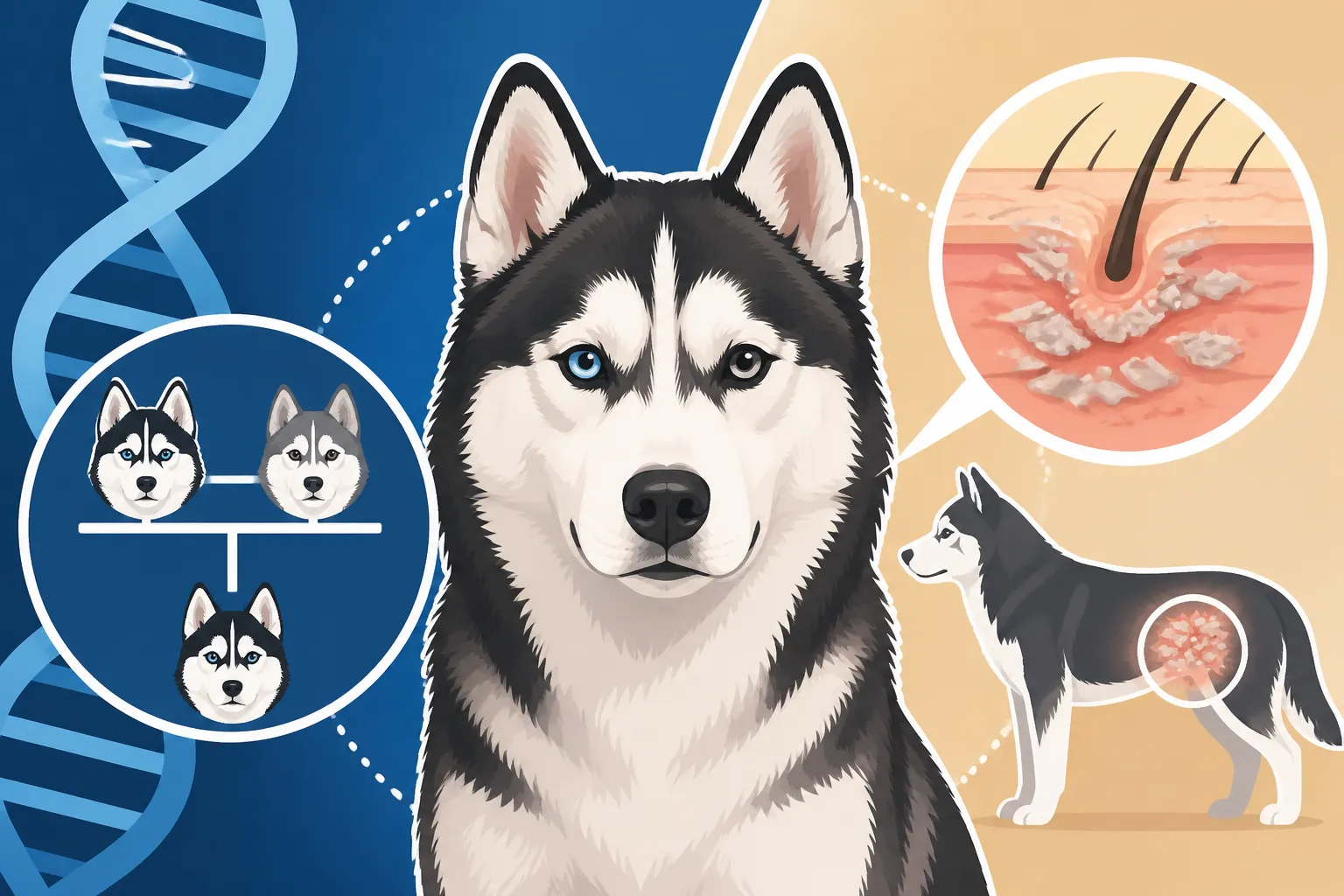
Whether Husky Zinc Dermatosis Is Inherited
It’s truly upsetting when your beautiful, energetic Siberian Husky starts showing signs of skin irritation, especially those uncomfortable, crusty patches around their face. You might find yourself wondering if it's something you did wrong, or worse, if it's a condition they inherited and could pass on to future generations if they were to be bred. This comprehensive guide will delve into the inherited nature of zinc-responsive dermatosis in Siberian Huskies, helping you understand the genetic factors at play, how to manage this often misunderstood condition, and what it means for your furry family member and potential breeding considerations.
Understanding Zinc-Responsive Dermatosis in Siberian Huskies
Siberian Huskies are magnificent dogs, known for their striking looks and incredible athleticism. But like all breeds, they come with their own unique set of health predispositions. One such condition that often catches new and even experienced Husky owners off guard is zinc-responsive dermatosis. It’s a frustrating and often painful skin disorder that, while manageable, requires diligent attention.
What Zinc Dermatosis Looks Like and Where It Appears
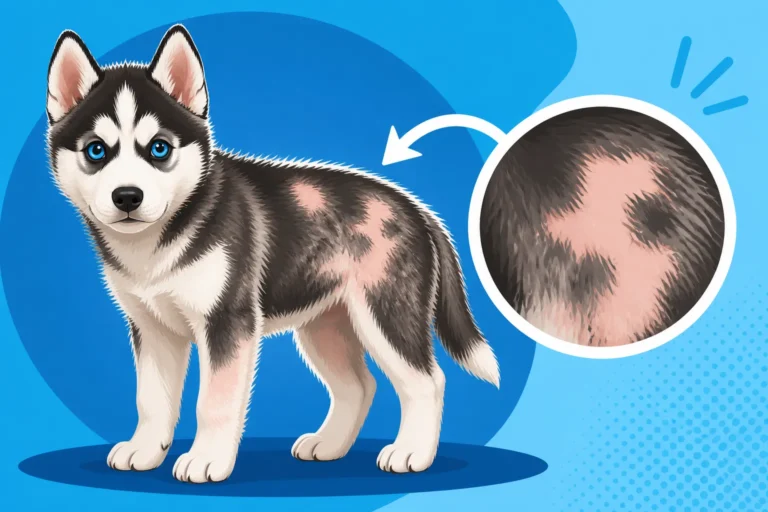
Imagine looking at your Husky one day and noticing something just isn't right around their mouth. Perhaps it's a bit of redness, then quickly, crusts start to form, almost like thick scabs. This is often the first heartbreaking sign of zinc dermatosis. These lesions tend to concentrate around the face, specifically the eyes, nose, muzzle, and lips. You might also see them on the ears, particularly at the tips, and in other areas of friction or pressure, such as the elbows, hocks, and sometimes even the paw pads.
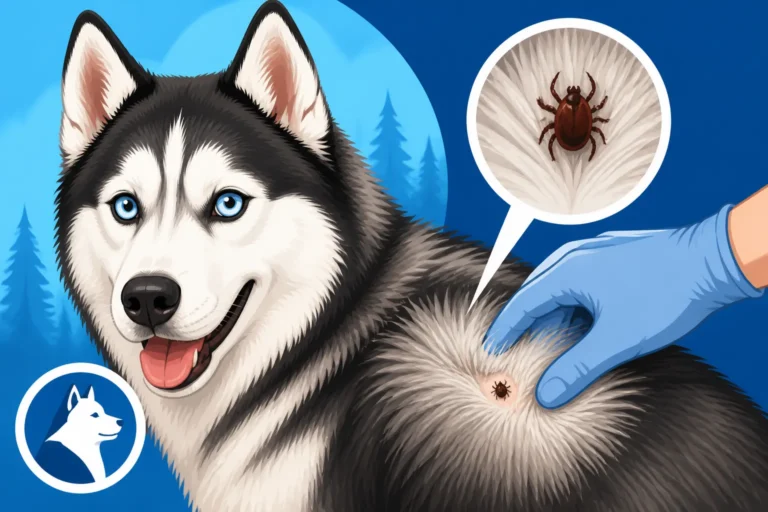
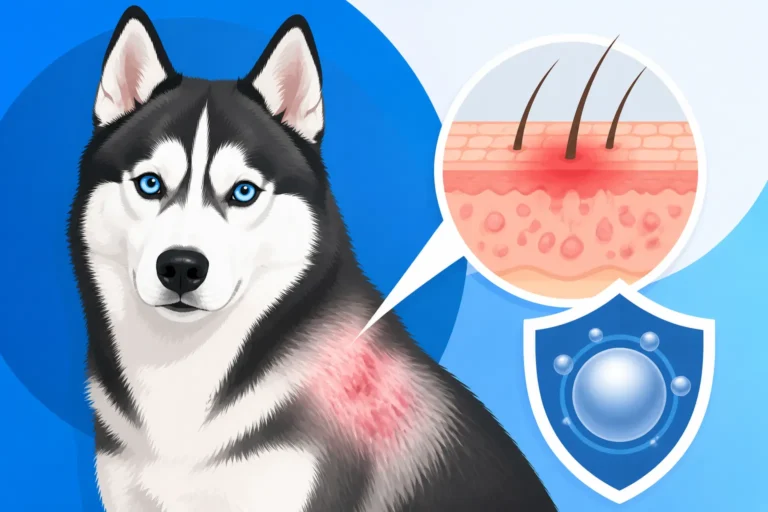
It's so disheartening to see your beloved Husky develop these crusty, uncomfortable patches. Owners often describe the skin as thick, scaly, and sometimes itchy, leading to hair loss in the affected areas. The skin can become quite inflamed, and if left untreated, secondary bacterial or yeast infections can set in, making the problem even worse and causing more discomfort for your dog. It's easy to mistake these initial symptoms for allergies or other skin issues, which is why a proper diagnosis from your veterinarian is crucial. If you're observing Crusting Skin on a Siberian Husky's Face, it’s definitely time for a vet visit.
Why Siberian Huskies Are Prone to Zinc Issues
You might think that if your dog has a zinc deficiency, you just need to feed them more zinc-rich foods. For most breeds, this might be a partial solution, but for Siberian Huskies, it’s a bit more complicated. Their predisposition to zinc-responsive dermatosis isn't typically due to a lack of zinc in their diet itself. Instead, it’s a fascinating, albeit problematic, metabolic quirk. Huskies, along with a few other Nordic breeds like Alaskan Malamutes, often have an impaired ability to properly absorb or utilize zinc from their digestive tract, even when their diet contains adequate amounts.
This genetic peculiarity means that even if you're feeding a top-notch dog food that’s perfectly balanced, your Husky might still not be getting enough usable zinc into their system. It’s not a reflection of your care or the quality of their food; it's simply how their unique bodies process this essential trace mineral. This reduced absorption leads to a functional deficiency within their cells, particularly those of the skin, which then manifests as the characteristic dermatosis. Understanding this crucial difference is key to effective management, as it explains Why a Balanced Diet Does Not Fix Husky Zinc Loss.
The Inherited Component of Zinc Dermatosis
This is often the burning question for many Husky owners: "Did my dog inherit this, and is it going to be an issue for their offspring?" The short answer is yes, there's a strong inherited component, but it's not always as straightforward as a simple "bad gene" you can test for.
Genetic Predisposition: It's Not a Simple Dominant/Recessive Trait
When we talk about inherited conditions, people often think in terms of simple dominant or recessive genes – like blue eyes or a specific coat color. Zinc-responsive dermatosis in Siberian Huskies is different. It’s widely believed to be a polygenic condition, meaning that multiple genes contribute to an individual’s susceptibility, or it involves a complex inheritance pattern. This makes it incredibly challenging to predict with absolute certainty whether a puppy will develop the condition, even if one or both parents have a history of it.
What breeders and researchers understand is that there's a genetic predisposition that runs in certain lines. A Husky might inherit a combination of genes that makes them more likely to struggle with zinc absorption, but it doesn't mean they are guaranteed to develop full-blown dermatosis. Environmental factors, diet, stress, and even other concurrent illnesses can influence whether the genetic predisposition actually manifests into clinical signs. This complexity means there isn't a single, definitive genetic test that can tell you if a Husky will get zinc dermatosis. It’s not an "on/off" switch inherited through one gene, but more like a cumulative risk passed down through multiple genetic markers that we don't fully understand yet.
Implications for Breeding Siberian Huskies
Given the inherited nature, even if complex, responsible breeders take zinc-responsive dermatosis very seriously. While there's no simple genetic test to clear a dog, ethical breeders will strive to remove affected individuals from their breeding programs. This is a difficult decision because the condition typically starts showing up when Huskies are young adults – often around the age of The Age Husky Zinc Dermatosis Starts, which could be after a dog has already been bred once or twice.
Breeders who are committed to the health of the breed will monitor their lines carefully. They'll keep detailed health records, communicate openly with puppy buyers about any instances of zinc dermatosis, and make informed choices about which dogs to breed based on the health history of their ancestors, siblings, and offspring. The goal isn't necessarily to eradicate the trait entirely, which would be extremely difficult without a clear genetic marker, but rather to reduce its incidence within the breed. For potential puppy buyers, asking about the health history of the parents and their close relatives, especially regarding skin issues, is an important step in Reading a Siberian Husky Puppy's Health Paperwork. While a breeder can't guarantee a puppy won't develop it, their awareness and efforts to breed away from it speak volumes about their commitment.
Managing and Preventing Zinc Dermatosis in Huskies
While the inherited aspect of zinc dermatosis can feel daunting, the good news is that it is a highly manageable condition. With proper diagnosis and consistent treatment, most Huskies can lead perfectly comfortable and happy lives.
Lifelong Supplementation and Dietary Considerations
Once diagnosed, the primary treatment for zinc-responsive dermatosis involves lifelong zinc supplementation. This isn't just about giving them any old zinc supplement; it's crucial to work with your veterinarian to determine the correct type and dosage. Different forms of zinc, such as zinc sulfate, zinc methionine, or zinc picolinate, are available, and their absorption rates can vary. Your vet will help you navigate this, starting with a specific dose and then adjusting based on your Husky's response. It’s a delicate balance, as too much zinc can also cause problems, including toxicity. You can learn more about finding the right approach in Zinc Doses Used in Siberian Huskies.
It's important to reiterate that simply changing your Husky's food to a "zinc-rich" formula typically won't resolve the issue. As we discussed, the problem isn't usually the amount of zinc in the food but the body's inability to absorb it. While a good quality diet is always important for overall health, it won't replace targeted supplementation. Think of it as a metabolic bypass – you're providing the zinc in a form and quantity that helps their system overcome its natural absorption hurdle. Consistency is absolutely key; missing doses can lead to a resurgence of symptoms.
The Role of Environment and Stress
While genetics lay the groundwork for zinc dermatosis, environmental factors and stress can certainly act as triggers or exacerbate existing symptoms. Just like in humans, stress can weaken the immune system and affect various bodily functions, including skin health. A Husky experiencing chronic stress, whether from changes in routine, new environments, or even other health issues, might find their zinc dermatosis flaring up.
Seasonal changes can also play a role. Some owners report that their Husky's skin issues seem worse during certain times of the year, although this isn't universally observed. Other concurrent illnesses or medications can also impact nutrient absorption or overall skin health, making the underlying zinc issue more prominent. Maintaining a stable, low-stress environment, ensuring regular exercise, and addressing any other health concerns promptly can all contribute to better management of your Husky's zinc dermatosis. It's about looking at the whole picture of your dog's well-being.
Discussing Zinc Dermatosis with Your Vet and Breeder
Open communication is your best tool when dealing with a condition like zinc dermatosis. If your Husky is showing symptoms, a trip to your vet is paramount. They will likely perform diagnostic tests, which can include skin biopsies, blood work, and ruling out other skin conditions such as allergies or infections, before confirming a diagnosis of zinc-responsive dermatosis. Telling Husky Zinc Dermatosis From an Allergy can be tricky for the untrained eye, so professional help is essential.
When considering a puppy, a reputable breeder should be transparent about the health history of their breeding dogs and their lines. Don't be shy about asking if there's any history of zinc dermatosis or other breed-specific health issues in their kennels. While they might not have a "zinc test," their honesty and commitment to health screening, including annual eye exams and hip evaluations as part of What Siberian Husky CHIC Certification Requires, demonstrate their dedication to producing healthy puppies.
It's also worth thinking about pet insurance. Policies from providers like Healthy Paws can be a lifesaver for managing chronic conditions. While most insurance won't cover pre-existing conditions, enrolling your puppy early, before any signs of zinc dermatosis appear, means that if the condition develops later, the ongoing costs of medication and vet visits could be covered. It's an important financial consideration for a lifelong condition. You should always read the fine print to understand how Zinc Dermatosis and Siberian Husky Claims might be handled.
| Feature | Zinc Dermatosis (Siberian Husky) | Allergic Dermatitis (General) |
|---|---|---|
| Primary Cause | Genetic predisposition to impaired zinc absorption/utilization | Hypersensitivity reaction to environmental allergens, food, or fleas |
| Typical Appearance | Crusty, scaly lesions, hair loss; often symmetrical | Red, itchy skin, hot spots, licking/chewing paws, ear infections |
| Common Locations | Around eyes, muzzle, ears, pressure points (elbows, hocks) | Paws, ears, belly, armpits, groin, base of tail |
| Itch Level | Can be itchy, especially with secondary infections | Usually intensely itchy, leading to self-trauma |
| Onset Age | Typically young adulthood (6 months to 3 years) | Can be any age, often 1-3 years for environmental allergies |
| Treatment | Lifelong oral zinc supplementation | Allergen avoidance, antihistamines, steroids, immunotherapy, diet trials |
| Dietary Impact | Balanced diet alone often insufficient due to absorption issue | Specific food protein/carb elimination if food allergy |
| Inherited Component | Strong genetic predisposition (polygenic/complex) | Genetic predisposition exists for atopy (environmental allergy) |
Living with a Siberian Husky with Zinc Dermatosis
Receiving a diagnosis of zinc-responsive dermatosis can feel overwhelming, but it's important to remember that it's a manageable condition. Many Siberian Huskies live full, active lives with this diagnosis, as long as their owners are committed to consistent care.
Prognosis and Quality of Life
The good news is that the prognosis for Siberian Huskies with zinc-responsive dermatosis is excellent, provided they receive appropriate and consistent treatment. Once the correct dosage and type of zinc supplement are established, you'll typically see a significant improvement in their skin condition, often within a few weeks. The crusts will begin to heal, the redness will subside, and hair can regrow. It’s incredibly rewarding to see your dog regain their comfort and healthy coat.
The key to a good quality of life is adherence to the treatment plan. This means administering the zinc supplements exactly as prescribed by your vet and attending regular follow-up appointments. These check-ups allow your vet to monitor your Husky's progress, assess for any side effects, and make any necessary adjustments to the dosage. Remember, this isn't a condition that "goes away"; it's a metabolic issue that requires ongoing management. With dedication, your Husky can continue to enjoy all the adventures that come with being a beloved companion.
Long-Term Care and Monitoring
Because zinc-responsive dermatosis is an ongoing metabolic challenge for your Husky, long-term care and monitoring are essential. For most Huskies, the answer to Whether a Husky Needs Zinc for Life is a resounding yes. You'll likely need to provide zinc supplementation indefinitely. Stopping the supplements usually results in the symptoms returning, sometimes even worse than before.
Your vet will likely recommend periodic blood tests to monitor zinc levels and liver/kidney function, ensuring that the supplementation is effective and not causing any adverse effects. It’s also important to be vigilant about any new or returning skin lesions, as these could indicate the need for a dosage adjustment or the presence of a secondary infection that requires additional treatment. Think of it as a marathon, not a sprint, when it comes to managing this condition. But with your commitment and your vet's guidance, your Siberian Husky can thrive, enjoying healthy skin and a happy life for years to come. Just another unique part of loving a Husky!
Disclaimer
The information provided in this article is for educational purposes only and is not a substitute for professional veterinary advice. Always consult with a qualified veterinarian regarding your Siberian Husky's health, diagnosis, and treatment plan.