The Best Age to Neuter a Male Siberian Husky
Deciding when to neuter your beloved male Siberian Husky can feel like navigating a minefield of conflicting advice. You hear everything from "do it at six months, it's tradition!" to "wait until they're fully grown, or you'll ruin their joints!" It’s utterly confusing, leaving you anxious about making the right choice for your dog's long-term health and well-being. This guide will cut through the noise, exploring the latest research and practical considerations to help you make an informed decision about the best age to neuter your male Siberian Husky.
The Evolving Views on Neutering Age
For generations, the standard veterinary recommendation for neutering dogs was around six months of age. This advice was largely driven by convenience, a desire to prevent unwanted pregnancies, and the belief that earlier neutering prevented certain behavioral issues. However, our understanding of canine physiology and behavior has advanced significantly, leading many to question this long-held tradition, especially for breeds like the Siberian Husky.
The Old Standard: Early Neutering
Back in the day, the primary push for neutering at six months was pretty straightforward: preventing puppies. It made a lot of sense from a population control standpoint, and many vets and owners alike found it easier to manage a younger puppy through recovery. There was also a strong belief that early neutering would 'calm' a male dog, reducing aggression, marking, and roaming behaviors, making them "better" pets.
However, this conventional wisdom often overlooked the profound role that sex hormones play in a dog's development. For a long time, we didn't fully appreciate just how much testosterone contributes to the healthy maturation of bones, muscles, and even the brain. The focus was on the immediate benefits of preventing reproduction and perceived behavioral problems, without fully considering the long-term biological consequences for the individual dog. It was a blanket approach that didn't really take breed-specific development into account.
The Shift: Later Neutering and Hormonal Impact
Fast forward to today, and the conversation has completely changed. Thanks to more research, we now know that hormones like testosterone are critical for the proper closure of growth plates in a dog's long bones. These growth plates are essentially cartilage zones at the end of bones where growth occurs. When a dog reaches skeletal maturity, these plates "close," meaning they calcify and stop growing. Sex hormones play a crucial role in signaling this closure.
If you remove those hormones too early through neutering, those growth plates can remain open for longer than they naturally would, leading to a phenomenon known as delayed growth plate closure. This can result in dogs with longer limbs, lighter bone structure, and potentially altered joint angles. While a slight change might not seem like a big deal, these subtle differences can have a cascading effect on a dog's biomechanics, influencing their gait, posture, and the stress placed on their joints throughout their life. This is why you'll often hear discussions about waiting until a dog is skeletally mature, which for a medium-sized breed like a Siberian Husky, typically isn't at six months.
Health Considerations for Neutering a Male Siberian Husky
When you're weighing the decision to neuter, it's not just about stopping puppies. It’s about a complex interplay of health factors that can be influenced by the timing of the procedure. For a male Siberian Husky, these considerations are particularly important given their active nature and hardy genetic predisposition.
Orthopedic Health: Joints and Bones
This is often one of the biggest concerns for Husky owners considering neutering. As we touched on, sex hormones are vital for proper bone and joint development. When you remove a male Husky's testicles, you're removing the primary source of testosterone, which directly impacts when their growth plates close. If neutered too early, before skeletal maturity, those growth plates can stay open longer, leading to longer bones and potentially an altered conformation.
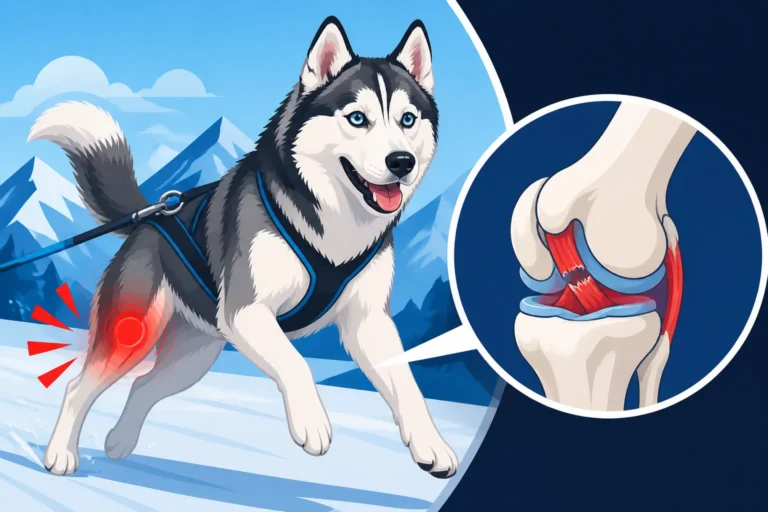
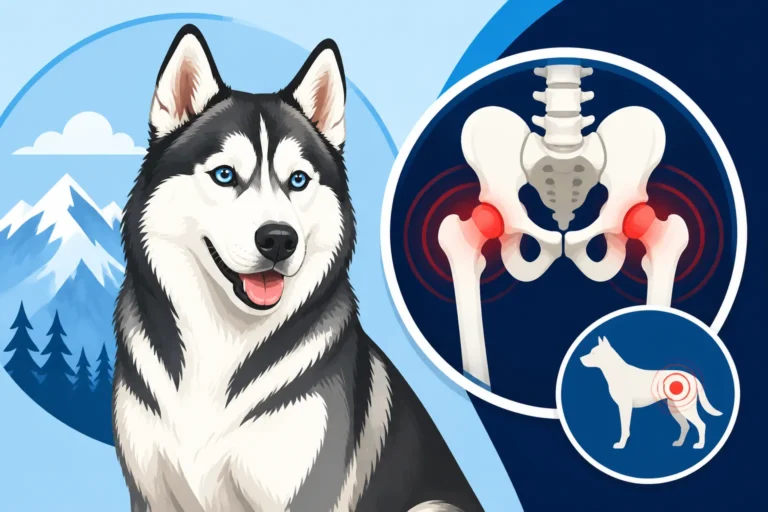
While Siberian Huskies are generally known for having good orthopedic health – for example, their rate of hip dysplasia is remarkably low compared to many other medium to large breeds, as discussed in Siberian Husky Hips and Why the Rate Is Low – this doesn't mean they're immune to joint issues. An altered conformation could potentially lead to increased stress on joints like the knees or elbows. Some studies in other breeds have even linked early neutering to an increased risk of cruciate ligament tears, which are painful and often require expensive surgery. For an active Husky, maintaining optimal joint health is paramount for their quality of life. Thinking about their active needs, and ensuring they have healthy joints into their senior years, which you can learn more about in Caring for a Siberian Husky Past Ten, is crucial.
Cancer Risks: The Pros and Cons
The impact of neutering on cancer risk is a double-edged sword, and it's where much of the confusion arises.
On one hand, neutering completely eliminates the risk of testicular cancer, which is a very real threat for intact male dogs. It also significantly reduces the risk of certain prostate disorders, such as benign prostatic hyperplasia (BPH), a common age-related condition that can cause discomfort and difficulty urinating in older intact males.
However, recent research suggests a more complex picture regarding other types of cancer. Some studies have indicated that neutering might slightly increase the risk of certain cancers, such as osteosarcoma (bone cancer) and hemangiosarcoma (a cancer of the blood vessel lining), in some breeds. While breed-specific data for Siberian Huskies might be limited for all these specific cancers, it's a factor to consider in the broader health landscape. It's important to remember that these are often complex statistical associations, and the overall Siberian Husky Lifespan and What Shortens It is influenced by many factors. When considering these long-term health possibilities, having a robust pet insurance plan like one from Healthy Paws can provide peace of mind, covering unexpected veterinary costs if any of these conditions arise later in life.
Other Health Concerns
Beyond orthopedic and cancer considerations, there are a few other health areas where neutering can play a role:
- Hypothyroidism: While not definitively caused by neutering, there's ongoing discussion about the impact of hormonal changes on thyroid function. Some anecdotal reports suggest a potential link, though more robust research is needed specifically for Huskies. You can delve deeper into this topic in Siberian Husky Thyroid and Autoimmune Disease.
- Weight Management: Neutering can definitely affect a male Husky's metabolism. After neutering, many dogs experience a decrease in their metabolic rate, meaning they don't burn calories as efficiently. This can make them prone to weight gain if their diet isn't adjusted accordingly. An overweight Husky can put undue strain on their joints, even if they started with great hips, and can shorten their lifespan. This emphasizes the importance of understanding Siberian Husky Weight and Joint Health and learning about Adjusting Siberian Husky Food After Neutering right after the procedure to prevent this. It's a very common frustration for owners who find their formerly svelte Husky suddenly packing on the pounds. You need to keep a close eye on The Weight a Siberian Husky Should Hold and adjust food portions accordingly.
Behavioral Aspects and Siberian Huskies
Beyond the physical health implications, owners often worry about how neutering will impact their male Siberian Husky's personality and behavior. It’s a common misconception that neutering is a magic wand for all behavioral problems. While it can certainly help with some, it's far from a universal fix for a breed as independent and intelligent as the Husky.
Temperament and Training
Many people believe that neutering will instantly quell any "aggressive" tendencies in a male dog. The reality, especially with Huskies, is much more nuanced. True aggression often stems from fear, poor socialization, lack of confidence, or improper training, not just the presence of testosterone. While testosterone can fuel competitive or territorial behaviors, it doesn't cause aggression. If your male Husky is already showing signs of aggression, neutering might reduce the intensity slightly, but it won't resolve the underlying issue. Solid, consistent training and positive reinforcement are always the foundation for a well-behaved Husky.
What neutering can more reliably influence are behaviors directly driven by sex hormones:
- Roaming: Male Huskies are notorious escape artists, driven by an incredibly strong wanderlust and prey drive. If an intact male scents a female in heat, his urge to roam will be amplified. Neutering can reduce this hormonal drive, but it will not eliminate the inherent The Roaming Instinct Bred Into Every Siberian Husky. A Husky's desire for freedom and adventure is deeply ingrained, regardless of neuter status. This is why Why a Siberian Husky Cannot Be Trusted Off Leash is a fundamental truth for the breed, and why training for reliable recall is so challenging.
- Marking: Intact males are more likely to urine mark, both indoors and outdoors, as a way to advertise their presence to other dogs. Neutering can significantly reduce or eliminate this behavior, especially if done before the behavior becomes a deeply ingrained habit.
- Mounting: While mounting can be a play behavior, a dominance display, or a stress response, it's also a strong sexual behavior. Neutering often reduces the frequency of sexual mounting.
Ultimately, successful management of a male Siberian Husky, whether intact or neutered, relies heavily on consistent training, early socialization, and providing ample mental and physical stimulation. Don't rely on neutering alone to solve behavioral challenges; it's a piece of the puzzle, not the whole picture.
Coat Changes and Other Physical Effects
A concern many Husky owners have is about the "neuter coat" or "spay coat," and it’s a valid one! After neutering, some dogs, particularly those with double coats like the Siberian Husky, can experience changes to their fur. The undercoat might become thicker, softer, or even woollier, and the guard hairs can become duller. This can lead to a coat that is more prone to matting and can be harder to manage, as discussed in Whether Neutering Changes a Siberian Husky's Coat and Neutering a Siberian Husky and the Coat Question.
This change is attributed to the alteration in hormone levels. The sex hormones play a role in regulating the hair growth cycle, and their removal can sometimes disrupt this balance. While not every Husky will experience a dramatic coat change, it's a possibility to be aware of. If you've been working hard to keep that magnificent double coat pristine, this is certainly something to factor into your decision.
Beyond the coat, you might notice subtle changes in muscle mass. Intact males, with their higher testosterone levels, tend to have more defined muscle development. After neutering, some might become slightly less muscular, or appear to have a "softer" physique. This doesn't mean they'll be weak or unhealthy, but it's a visible difference that some owners observe.
Making the Informed Decision: Timing for Your Male Siberian Husky
Given all these factors, the question remains: what is the best age to neuter a male Siberian Husky? The answer isn't a simple number, but rather a thoughtful consideration of various aspects.
The "Sweet Spot" – A Balanced Approach
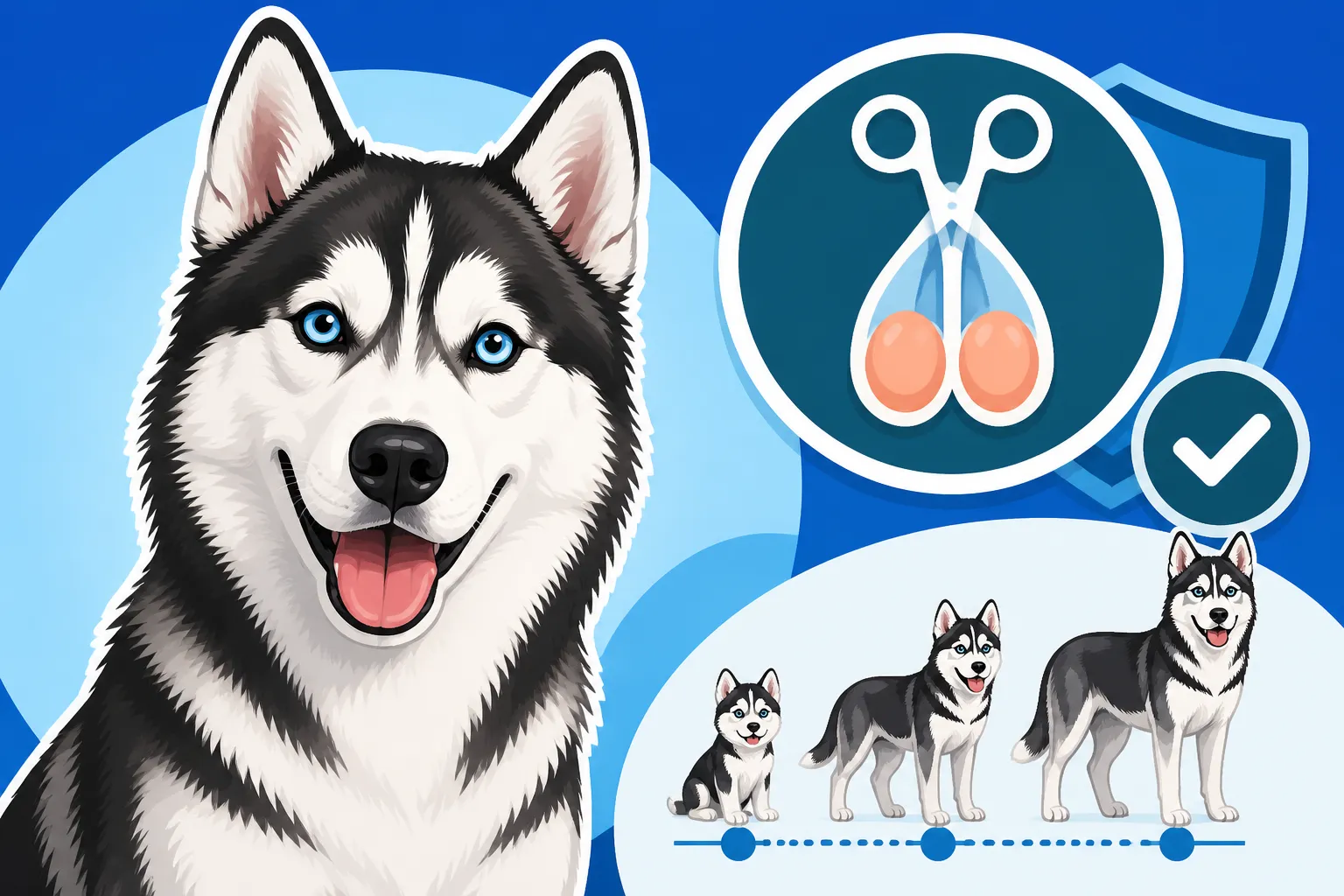
For male Siberian Huskies, a growing number of veterinarians and breed specialists are recommending delaying neutering until at least 12-18 months of age, and sometimes even closer to 24 months. This timeframe allows the dog to reach sexual maturity and, crucially, to fully develop skeletally.
By waiting until this age, you’re giving their growth plates ample time to close naturally under the influence of their own hormones. This helps ensure optimal bone density and joint development, which can contribute to better long-term orthopedic health, potentially reducing the risk of issues like those mentioned earlier regarding cruciate ligaments or stress on other joints. It's about letting your Husky mature into the robust, athletic dog they are meant to be. This means a fully matured dog with strong joints, which is especially important as they age, as highlighted in Siberian Husky Weight and Joint Health.
Of course, every dog is an individual. Some Huskies might mature a little faster, others slower. This is why consulting with a veterinarian who is knowledgeable about the breed and understands the latest research on neutering is absolutely vital. They can assess your individual dog’s physical development and help you determine the most appropriate window.
Factors to Weigh for Your Individual Dog
While general guidelines are helpful, your decision should ultimately be tailored to your specific Siberian Husky and your living situation.
Here are some questions to consider:
- His Physical and Mental Maturity: Is your Husky still growing? Does he seem like he’s fully filled out? Is he still exhibiting intense puppy behaviors, or is he starting to settle into a more adult temperament? Observing these cues can help you gauge his readiness.
- Your Ability to Manage an Intact Male: This is a huge factor. Can you reliably prevent unwanted pregnancies? This means secure fencing (Huskies are legendary escape artists), diligent supervision, and being aware of local intact dog regulations. If there's any chance of him getting out and breeding, early neutering might be a more responsible choice. Responsible ownership of an intact male requires a high level of commitment to prevent him from contributing to the pet overpopulation problem.
- His Behavioral Profile: Is he showing strong hormonal behaviors like excessive marking or intense roaming (beyond the typical Husky wanderlust)? While training is key, if these behaviors are becoming unmanageable and posing a risk, earlier neutering might be considered after professional behavioral assessment.
- Your Lifestyle: Do you live in an area where intact males are often targeted or face restrictions? Do you plan to participate in dog sports where an intact male might be at a disadvantage or face certain rules?
There's no single "right" answer that applies to every single Siberian Husky. It's a personal decision that requires balancing the potential health benefits of delayed neutering with the practicalities of living with an intact male dog. Considering the full Siberian Husky Lifespan and What Shortens It and aiming for long-term well-being is the goal.
Here's a quick comparison of the general pros and cons of early versus late neutering for male Siberian Huskies:
| Feature | Early Neutering (before 12 months) | Late Neutering (12-24+ months) |
|---|---|---|
| Growth & Joints | Potential for delayed growth plate closure; possible increased risk of orthopedic issues (e.g., CCL tears, altered conformation). | Allows natural growth plate closure and skeletal maturity; potentially supports optimal joint health. |
| Testicular Cancer | Eliminates risk. | Eliminates risk. |
| Prostate Issues | Significantly reduces risk. | Significantly reduces risk (if done before age-related changes). |
| Other Cancers | Some studies suggest a potential slight increase in certain other cancers (e.g., osteosarcoma, hemangiosarcoma) in some breeds. | Less data suggesting increased risk from delayed neutering for these types. |
| Coat Changes | Higher likelihood of "neuter coat" (woollier, thicker undercoat, prone to matting). | Less likely to develop significant coat changes, or changes may be milder. |
| Behavior | May reduce marking, roaming, and inter-male aggression (if hormone-driven) if done before behaviors are ingrained. | Hormonal behaviors like marking and roaming may be more established; neutering may still help, but management/training remain crucial. |
| Convenience | Simpler for population control; often easier recovery at a younger age. | Requires careful management of an intact male (secure containment, vigilance). |
| Metabolism | Can lead to decreased metabolic rate and increased risk of weight gain; dietary adjustment crucial. | Metabolic changes still occur, but potentially less dramatic or easier to manage with a mature dog. |
In the end, the goal is to make the decision that supports your Siberian Husky’s health, happiness, and your ability to provide responsible care for his entire life. Don’t hesitate to have a frank discussion with your veterinarian, laying out all your concerns and asking for their breed-specific recommendations.
Disclaimer
The information provided in this article is for general informational purposes only and does not constitute veterinary advice. Always consult with a qualified veterinarian for any health concerns or before making any decisions about your pet's medical care.