A Siberian Husky That Carries PRA Without Showing It
It can be incredibly disheartening to discover your beloved Siberian Husky carries a genetic condition, especially when they show no outward signs of illness. The thought that your seemingly healthy companion could be a silent carrier for something as serious as Progressive Retinal Atrophy (PRA) raises a lot of questions and anxieties. This guide is here to shed light on what it means for a Siberian Husky to carry PRA without ever showing symptoms, helping you understand the genetics, the implications, and how to navigate this reality for your furry family member.
Understanding Progressive Retinal Atrophy in Huskies
Progressive Retinal Atrophy (PRA) is a blanket term for a group of inherited eye diseases that lead to the degeneration of the retina, ultimately causing blindness. For a Siberian Husky owner, hearing about any eye condition can be a source of worry, especially with their breed's predisposition to certain ocular issues. However, it's vital to differentiate between a dog affected by PRA and a dog that carries the gene for it. The distinction is absolutely crucial because a carrier husky is, for all intents and purposes, perfectly healthy and will never experience vision loss from PRA themselves.
What is Progressive Retinal Atrophy?
At its core, PRA involves the gradual deterioration of the photoreceptor cells in the retina – those specialized cells (rods and cones) responsible for detecting light and color. Initially, the rod cells, which handle vision in dim light, are affected, leading to night blindness. Imagine your husky starting to stumble or hesitate when walking in low-light conditions or refusing to go outside in the evening. As the disease progresses, the cone cells, which are responsible for day vision and color perception, also begin to fail. This leads to a total loss of vision, typically over several months to a few years. It's a progressive disease, meaning it doesn't happen overnight, but rather is a slow, relentless march toward complete blindness. The age of onset can vary widely depending on the specific genetic mutation, sometimes appearing in puppyhood, other times not until middle or even senior age.
How PRA Affects Siberian Huskies Specifically
Siberian Huskies are susceptible to a specific form of PRA known as X-linked Progressive Retinal Atrophy 1 (XLPRA1), sometimes also referred to as XLPRA. This type of PRA is unique because it's linked to the X chromosome, which dictates a particular pattern of inheritance that differs from autosomal recessive traits. In XLPRA1, males are primarily the ones who become affected and exhibit symptoms, while females are typically the carriers. This is a critical point: a female Siberian Husky can carry the gene for XLPRA1 on one of her X chromosomes, but because she has a second, healthy X chromosome, it usually protects her from developing the disease herself. She won't experience the night blindness, the clumsiness, or the eventual total vision loss that affected males will. This is why it’s so important to understand Why Male Siberian Huskies Get PRA More Often. For an affected male, symptoms usually begin around 3-5 years of age, but sometimes earlier. Owners might first notice their dog becoming less confident in dimly lit rooms or developing dilated pupils as their eyes try to gather more light.
The Genetics of PRA and Carrier Status
Understanding the genetics behind PRA, especially the X-linked form found in Siberian Huskies, can feel like navigating a complex maze of chromosomes and alleles. However, it's fundamental to grasping why some huskies carry the gene without showing any symptoms. It’s all about how these genes are passed down from generation to generation and how they express themselves in male versus female dogs.
X-Linked Inheritance in Siberian Huskies
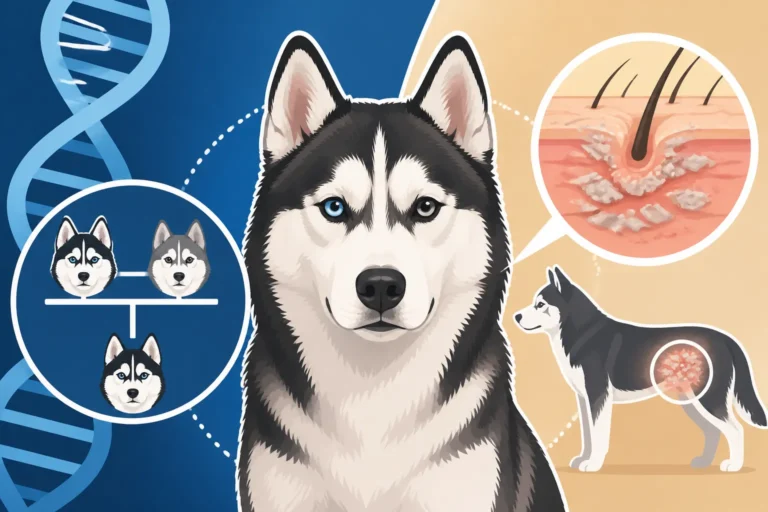
As mentioned, XLPRA1 is an X-linked recessive disorder. This means the gene responsible for the disease is located on the X chromosome. Females have two X chromosomes (XX), while males have one X and one Y chromosome (XY). For a male, if he inherits an X chromosome with the mutated PRA gene, he will develop the disease because he only has that one X chromosome. There's no "backup" X to compensate. This directly explains Why Husky PRA Runs Through the Male Line. For a female, the situation is different. If she inherits one X chromosome with the PRA mutation and one healthy X chromosome, she becomes a carrier. Her healthy X chromosome usually provides enough normal genetic material to prevent her from developing symptoms. She carries the potential to pass the gene on, but she herself remains healthy. If, however, a female were to inherit two X chromosomes with the PRA mutation (one from each parent), she would be affected. This is a much rarer scenario in X-linked recessive diseases but is still genetically possible.
How a Female Husky Becomes a Carrier
A female Siberian Husky becomes a carrier when she inherits one X chromosome with the PRA gene mutation and one X chromosome with the normal, healthy gene. This typically happens in one of two ways:
- From an Affected Father: If a carrier female breeds with a clear male, half of her male offspring will be affected, and half of her female offspring will be carriers. This is why careful planning is so important in breeding.
- From a Carrier Mother and Clear/Affected Father: If her mother was a carrier and her father was clear, she had a 50% chance of inheriting the mutated X from her mother and a normal X from her father, thus becoming a carrier. If her father was affected, he would pass his single, mutated X to all his daughters, making them all carriers (unless the mother was also affected, which is very rare).
The key takeaway is that these carrier females are outwardly indistinguishable from clear females. They run, play, and see perfectly well, leading normal, happy lives. This lack of visible symptoms is precisely why genetic testing is so critical in breeding programs, otherwise, the disease can silently spread.
Identifying a Carrier Through DNA Testing
Thankfully, modern science provides us with the tools to identify these silent carriers. A specific DNA test is available for the XLPRA1 variant in Siberian Huskies. This test is a simple cheek swab or blood sample that laboratories analyze to determine if a husky carries one or two copies of the normal gene, or if they have one copy of the mutated gene (making them a carrier) or two copies (making them affected, which, as discussed, is primarily for males or very rare for females). This DNA test can be performed at any age, even on young puppies, making it an invaluable tool for breeders and owners alike. Getting The DNA Test for Siberian Husky PRA is a proactive step that every responsible breeder should take. It eliminates the guesswork and allows for informed breeding decisions, helping to reduce the incidence of PRA in future generations. Without this testing, carrier dogs could unknowingly pass the gene on, perpetuating the disease in the breed.
Implications of Being a PRA Carrier for Your Husky and Its Offspring
When you learn your Siberian Husky is a PRA carrier but shows no symptoms, it can be a mix of relief and concern. Relief because your beloved companion isn't suffering from vision loss, but concern about what this means for their future and, potentially, for any puppies they might produce. It's crucial to understand these distinctions to make the best decisions for your husky and the breed as a whole.
Health for the Carrier Husky Itself
The most reassuring aspect of owning a PRA carrier Siberian Husky is that they will not develop PRA themselves. This is a common misconception and a significant source of anxiety for owners. A carrier female husky has one healthy X chromosome that compensates for the mutated one, meaning her retina will develop and function normally throughout her life. She will not go blind due to this specific PRA variant. You don't need to worry about special diets, medications, or surgical interventions for the PRA itself, as there are no symptoms to treat in a carrier. Your focus should remain on their overall well-being, including regular veterinary check-ups, a balanced diet, and plenty of exercise appropriate for the breed. Just like any other husky, they still need their yearly eye exams to check for other common issues, which you can learn more about by understanding Siberian Husky Eye Disease and the Annual Exam.
Breeding Considerations for Carriers
This is where the "carrier" status becomes paramount. While a carrier husky is healthy, they can pass the mutated gene on to their offspring. This presents a significant ethical dilemma for breeders. The goal of responsible breeding is to produce healthy puppies, free from preventable genetic diseases.
Here’s a breakdown of potential outcomes when breeding a female PRA carrier:
| Male Partner Status | Female Offspring Outcomes | Male Offspring Outcomes |
|---|---|---|
| Clear | 50% Clear, 50% Carrier | 50% Clear, 50% Affected |
| Carrier | Not applicable (males are not carriers in XLPRA1) | Not applicable |
| Affected | 100% Carrier | 50% Affected, 50% Clear |
As you can see from the table, breeding a carrier female with a clear male still results in a 50% chance of producing affected male puppies. This is why many reputable breeders choose to remove carrier dogs from their breeding programs entirely or, at the very least, implement extremely strict selective breeding practices. They might opt to breed a carrier female only once, to a carefully selected, DNA-clear male, and then spay her, ensuring all puppies from that litter are DNA tested before going to new homes. Any carrier puppies would then be sold on spay/neuter contracts to prevent further spread of the gene. However, the most conservative and often recommended approach is to avoid breeding carriers altogether to eventually eradicate the disease from the breed. This aligns with the principles of Breeding Around PRA in Siberian Huskies to improve the health of the breed.
Preventing the Spread of PRA
The responsibility to prevent the spread of PRA ultimately falls on breeders and owners. Genetic testing is the cornerstone of this effort. By testing all breeding stock for XLPRA1, breeders can make informed decisions.
- Test all breeding dogs: Both males and females should be tested. While males are primarily affected, knowing a male's status ensures they are not bred if affected, and it also informs potential risks if an affected male was accidentally bred (all daughters would be carriers).
- Avoid breeding affected dogs: This is a non-negotiable. Affected dogs should never be bred.
- Thoughtful breeding of carriers: If a carrier female has exceptional qualities that would otherwise benefit the breed (temperament, structure, working ability), some breeders might consider a very controlled breeding to a proven clear male. However, this decision should be made with extreme caution, and all offspring must be DNA tested. All carrier offspring should be placed in pet homes with spay/neuter contracts. This strategy aims to retain valuable genetics while slowly phasing out the PRA gene.
- Spay/neuter pet carriers: If your Siberian Husky is a carrier and not intended for a responsible breeding program, spaying or neutering them ensures they cannot accidentally contribute to the gene pool, preventing the disease from spreading further. This is a simple, effective step any pet owner can take.
Living With and Managing a PRA Carrier Husky
Discovering your Siberian Husky is a PRA carrier doesn't mean a life of constant worry or special medical needs for your dog. In fact, it often means quite the opposite. Your carrier husky will likely live a full, healthy life with perfect vision, just like any other well-cared-for Siberian. The real difference lies in your awareness and your commitment to responsible ownership and, if applicable, breeding.
Routine Care for a Healthy Carrier
Since a PRA carrier husky doesn't develop the disease themselves, their routine care should be identical to that of any other healthy Siberian Husky. Focus on the fundamentals:
- Regular Veterinary Check-ups: Annual visits are crucial for overall health, vaccinations, parasite prevention, and monitoring for any age-related issues. Even though PRA isn't a concern for carriers, other health conditions can arise, making these check-ups vital.
- Balanced Nutrition: A high-quality diet appropriate for their age, activity level, and size is paramount. Siberian Huskies have a unique metabolism and can often thrive on less food than other breeds of similar size, so carefully monitor their weight to prevent obesity, which can lead to other health problems.
- Plenty of Exercise: Huskies are high-energy dogs that need a substantial amount of physical and mental stimulation. Daily long walks, runs, hikes, or even canine sports like canicross or bikejoring are essential for their physical and mental well-being. A bored husky is a destructive husky, regardless of genetic carrier status.
- Mental Stimulation: Don't forget their intelligent minds! Puzzle toys, training sessions, and interactive games are just as important as physical exercise.
- Grooming: Regular grooming, especially during their twice-yearly "coat blow," is important to keep their double coat healthy and free of mats.
- Yearly Eye Exams: Even though your carrier won't develop XLPRA1, it’s still wise to maintain regular eye check-ups with your general vet, and consult with a veterinary ophthalmologist if any concerns arise. Siberian Huskies can be prone to other eye issues, such as Juvenile Cataracts in the Siberian Husky or corneal dystrophy, so proactive eye care is always a good idea.
Essentially, treat your PRA carrier husky as the healthy, vibrant dog they are. Enjoy their unique personality, their boundless energy, and their loving companionship without the shadow of the disease clouding your bond.
Advocating for Health Testing in the Breed
As an owner of a PRA carrier husky, you're in a unique position to advocate for responsible breeding practices within the Siberian Husky community. Your experience highlights the importance of genetic testing, even for dogs that appear perfectly healthy. By sharing your story (responsibly and without judgment), you can help educate other owners and prospective buyers about the importance of health testing.
- Ask Breeders About Testing: If you know someone looking for a Siberian Husky puppy, encourage them to ask breeders about DNA testing for PRA and other genetic conditions. Reputable breeders will be transparent and eager to share their health clearances. You can advise them on Health Testing Before You Buy a Siberian Husky and how to understand Reading a Siberian Husky Puppy's Health Paperwork.
- Support Responsible Rescues: Many breed-specific rescues are diligent about testing the dogs they take in, especially if they suspect they might be used for breeding. Supporting these organizations helps ensure fewer affected puppies are born.
- Spread Awareness: Talk about genetic testing in online forums, at dog parks, or with fellow husky owners. Emphasize that genetic testing is a tool for prevention, not a judgment of a dog's worth. The more people who understand these concepts, the better for the breed's future health.
Financial Planning and Insurance for Genetic Conditions
While your PRA carrier husky won't develop XLPRA1, being aware of genetic predispositions in any breed underscores the importance of financial preparedness for potential health issues down the line. Pet insurance can be a valuable tool in managing unexpected veterinary costs, especially for breeds that may have higher rates of certain conditions.
When considering pet insurance, it's vital to:
- Enroll Early: The earlier you enroll your husky, ideally as a puppy, the less likely any conditions will be considered pre-existing. Most policies will not cover conditions that were known or suspected before enrollment or during a waiting period.
- Understand Policy Coverage: Read the fine print carefully. Some policies might have exclusions for certain genetic or hereditary conditions, or specific breed-related ailments. While a carrier status for PRA won't usually incur claims, understanding how a policy handles affected dogs or other genetic conditions is important. Providers like Healthy Paws are often lauded for their comprehensive coverage, but it's always wise to compare different plans.
- Consider a Wellness Plan: Some insurers or veterinary clinics offer wellness plans that cover routine care like annual exams, vaccinations, and parasite prevention. While these won't help with genetic disease treatment, they can spread out the costs of preventative care.
Even with pet insurance, it's always a good idea to have an emergency fund specifically for your pet's health. Unexpected accidents or illnesses can still arise, and having a financial cushion provides peace of mind that you can always provide the best care for your beloved husky.
Disclaimer
Please note that the information provided in this article is for educational and informational purposes only and does not constitute veterinary medical advice. Always consult with a qualified veterinarian or veterinary specialist for any health concerns or before making any decisions about your pet's medical care or breeding program. Genetic testing results and their interpretation should always be discussed with a professional.