Whether a Blind Siberian Husky Can Still Run
It’s a truly frightening moment when you realize your vibrant, active Siberian Husky is losing their sight. The thought that your independent, running companion might no longer be able to enjoy their favorite activity can bring a wave of worry and sadness. You picture their boundless energy, their joy in exploring, and then wonder how a blind dog could ever safely experience that again. The good news, though, is that with understanding, adaptation, and a bit of creativity, many blind Siberian Huskies can absolutely continue to run, play, and live incredibly fulfilling lives. This guide will help you navigate the journey of supporting your visually impaired husky in staying active and happy.
Understanding Blindness in Siberian Huskies and Its Impact
When we talk about a blind Siberian Husky, it’s not always a sudden, lights-out scenario. Vision loss can be a gradual process, and understanding its nature is the first step to helping your dog adapt and thrive, especially when it comes to their beloved runs.
Different Types of Vision Loss and Adaptation
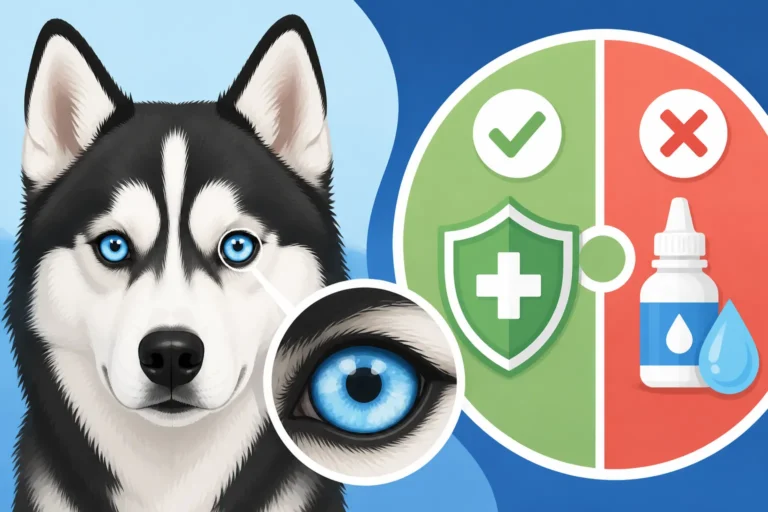
Siberian Huskies are unfortunately susceptible to several eye conditions that can lead to blindness. Conditions like Progressive Retinal Atrophy (PRA), where the retina slowly degenerates, or severe cases of cataracts, which cloud the lens, are common culprits. Sometimes, conditions like glaucoma can cause sudden, painful blindness, requiring immediate veterinary attention.
If the blindness develops slowly, your husky often has an incredible ability to compensate and adapt. They might start relying more on their phenomenal sense of smell, their acute hearing, and their "memory map" of familiar environments. For instance, a dog with A Siberian Husky That Hesitates in Dim Rooms might initially struggle in low light but learn to navigate by scent or sound over time. It's truly remarkable how resilient they are. This gradual onset allows them and you, their human, more time to adjust. You might notice them bumping into furniture only occasionally at first, then more frequently as their sight diminishes. In cases of sudden blindness, the initial shock and disorientation can be more profound, and they might need a more intensive period of re-learning their environment.
How Blindness Affects Their Natural Instincts
Siberian Huskies are born to run. It's hardwired into their DNA from generations of sled dog work. This instinct doesn't disappear just because their eyes no longer work. However, their primary mode of navigation – sight – is compromised. Their natural inclination to bolt, to explore, and to chase might initially lead to more bumps and scrapes if not managed carefully. The thrill of a scent trail or the sound of another dog might still ignite their chase drive, but without sight, they can easily become disoriented or run into hazards.
This is where your role becomes crucial. You become their eyes, their guide, and their safety net. Their desire to run needs to be channeled into safe, controlled environments. Instead of allowing them to roam freely off-leash in an unfamiliar open field, which is risky for any husky but especially a blind one, you'll need to create a structured way for them to express that fundamental need for speed and movement. It's a shift from independent exploration to guided adventure, but the joy they get from moving their body remains undiminished.
Adapting Your Siberian Husky's Environment for Safe Running
Creating a safe space and developing clear communication are paramount to allowing your blind Siberian Husky to run confidently. It's about building trust and predictability so they can truly let loose without fear.
Creating a Safe, Predictable Running Space
The best place for a blind husky to run initially is in a familiar, securely fenced yard or an enclosed, dog-friendly park where you know every inch of the terrain. Consistency is key. Avoid rearranging furniture or large outdoor items once your husky starts losing their sight. Their internal map of their home and yard is built on memory, and sudden changes can be very disorienting and dangerous.
Before letting them run, do a thorough sweep of the area yourself. Look for any new obstacles, holes, or potential hazards that your husky might not detect. Consider these modifications:
- Secure Fencing: Ensure your fence is truly escape-proof. A blind husky might still try to dig under or jump over, especially if disoriented. For deeper insights, you might want to read about Stopping a Siberian Husky From Escaping the Yard.
- Clear Paths: Keep pathways clear of clutter, garden tools, or anything they could trip over.
- Tactile Cues: Some owners use different textures or scents to mark boundaries or important areas. For example, a strip of astroturf leading to their water bowl, or a particular scent marker near the gate.
- Bells/Sounds: Attach a bell to your clothing so your husky can always locate you. If you have other pets, a bell on their collar can also help your husky know where they are.
- Indoor Safety: Indoors, keep furniture consistent. You might even consider baby gates to section off areas, especially at night or when you can't directly supervise. For further tips, consider Keeping a Blind Siberian Husky Safely Contained.
For outdoor excursions beyond the home, finding a truly safe, enclosed space like a rented Sniffspot field can be a game-changer. These private, fenced areas allow you to scout the terrain beforehand and ensure it's free of unexpected obstacles, giving your husky the freedom to run in a novel, yet controlled, environment.
Training and Communication for Blind Huskies
Your voice becomes your husky's most important guide. Consistent verbal cues are essential for a blind dog to navigate and understand their surroundings.
- Directional Cues: Teach clear verbal commands for "stop," "slow," "left," "right," "wait," and "step up" or "step down." Practice these extensively on leash in a safe, quiet environment.
- Environmental Cues: Describe their surroundings as you go. "Tree ahead," "step down curb," "doorway," "stairs." This constant narrative helps them build a mental picture.
- Positive Reinforcement: Always reward them heavily for responding to commands and for confidently navigating their space. High-value treats and enthusiastic praise will encourage them.
- Harness vs. Collar: A well-fitting harness is usually preferred for guiding a blind husky, as it puts less pressure on their neck if they bump into something and gives you better control for gentle guidance.
- "Follow Me" Game: Play a game where you lead them, making encouraging sounds, and they follow your voice. This strengthens their reliance on your guidance.
When you're out running or walking, maintain constant communication. Talk to them continuously, offering reassurance and descriptive cues. If you're running with them on a long line, for example, you can call out turns or obstacles. They will quickly learn to trust your voice as their navigation system, allowing them to focus on the joy of movement.
| Environment Type | Pros for a Blind Husky | Cons for a Blind Husky | Key Adaptations/Considerations |
|---|---|---|---|
| Familiar Fenced Yard | Highly predictable, known layout, low risk of unexpected obstacles, easy to control. | Can become boring over time, limited space for long runs, potential for digging out. | Keep layout consistent, check for new holes/hazards daily, clear paths. |
| Enclosed Dog Park | Larger space for longer runs, potential for social interaction (with supervision). | Unpredictable obstacles (other dogs, toys, people), varying terrain, can be crowded. | Visit during off-peak hours, scout the area thoroughly, strong verbal control, maybe a bell for other dogs. |
| Long Line in Open Field | Allows for more expansive movement and speed, mimics freedom. | Requires a truly open, hazard-free field; you must be constantly vigilant and verbally guide. | Field must be free of holes, sharp objects, or sudden drops. Use long lines and a strong harness. |
| Canicross/Bikejoring | Structured, guided running, strong bond with handler, fulfills breed instinct. | Requires specific gear, significant training for both dog and handler, only suitable for confident runners. | "Gee" (right) and "Haw" (left) cues are vital, ensure the path is known and safe, use a lead dog if available. |
Encouraging Activity and Maintaining Quality of Life
Blindness doesn't mean the end of an active life for a Siberian Husky. It simply means finding new ways to engage their other powerful senses and adapting their favorite activities.
Harnessing Other Senses for Movement
Huskies possess an incredible sense of smell, often overlooked by humans who rely so heavily on sight. Their nose can be their most powerful tool for navigation and exploration. When running with a blind husky, allow them time to "read" their environment through scent. They can detect changes in ground cover, nearby bushes, or even the subtle odors of a well-worn path.
Their hearing is also incredibly acute. Soft sounds, like the rustle of leaves or the echo of your voice, can provide crucial information about their surroundings. When guiding them, use consistent vocalizations and sounds. For instance, a quick whistle might indicate a clear path ahead, while a deeper "whoa" might mean an obstacle. This ability to use multiple senses means that even without sight, they can still experience the world in rich detail and find immense joy in physical activity.
Specific Running Activities for Blind Huskies
Even a blind Siberian Husky can enjoy structured running activities, often finding immense satisfaction in the familiar rhythm and the close bond with their handler.
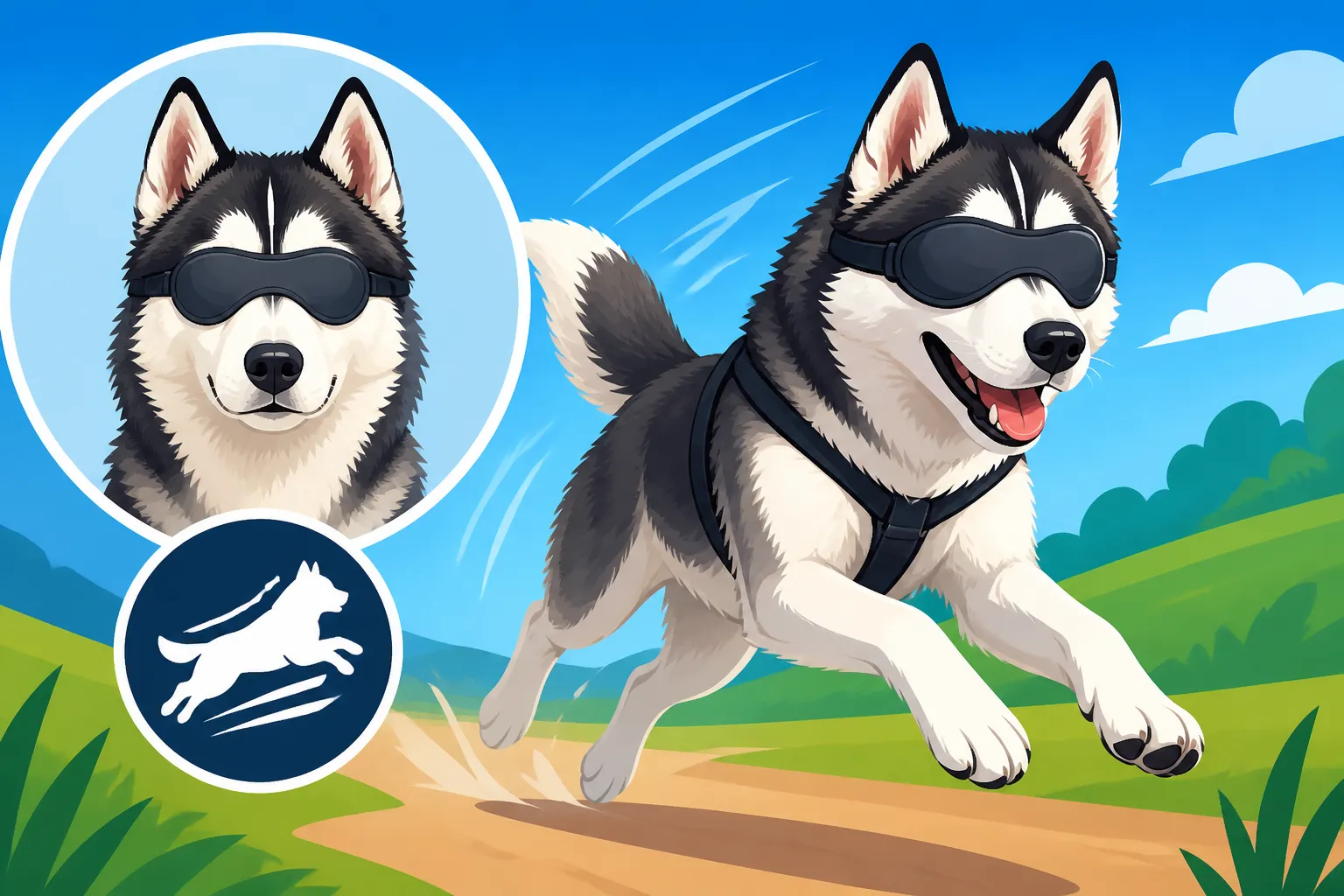
- Long Line Work: This is often the most accessible way to allow a blind husky to run with some freedom. Using a 30 to 50-foot long line in a safe, open field allows them to stretch their legs at speed while you maintain control and offer verbal guidance. You can practice "come" and "stop" commands, rewarding them with enthusiasm.
- Canicross or Bikejoring: For huskies who already enjoy pulling in harness, or those who quickly take to it, these sports can be wonderfully adaptable. In canicross, you wear a belt connected to your husky, who runs ahead of you. In bikejoring, they pull you on a bicycle. In both, you become their eyes, guiding them with verbal commands like "gee" (right), "haw" (left), "on by" (pass an obstacle), and "whoa" (stop). This structured pulling fulfills their innate drive and builds incredible trust. Many owners find their blind huskies absolutely thrive in these roles, as the predictable rhythm and the constant communication make them feel secure. Remember, proper gear and a slow introduction are essential. You can find more information on Canicross and Bikejoring With a Siberian Husky.
- Familiar Trail Walks/Runs: If your husky was accustomed to a specific trail before losing their sight, they might still enjoy walking or even jogging it on leash. Their scent memory can be surprisingly strong. Start slowly, offering constant verbal cues, and be prepared to take breaks. Stick to very familiar, flat, and clear paths.
Remember, the goal is not to push them beyond their comfort zone, but to empower them to move safely and joyfully. Always start with short sessions and gradually increase the duration as their confidence grows.
Supporting Your Blind Husky's Health and Well-being
Beyond the practicalities of running, a holistic approach to your blind husky’s health is crucial. This includes regular veterinary care and acknowledging the emotional journey for both you and your dog.
Regular Vet Care and Proactive Management
Even though their vision may be gone, it's vital to continue regular veterinary check-ups for your blind husky. Eye health, even in a blind dog, should not be ignored. Some conditions, like glaucoma, can be very painful, and ongoing management (even if sight cannot be restored) is necessary to ensure comfort. Regular eye exams, possibly with a veterinary ophthalmologist, will help monitor for any secondary issues or pain. You might be surprised to learn that Siberian Husky Eye Disease and the Annual Exam remains important for overall comfort and health, even without sight.
Discuss appropriate pain management with your vet, especially as your husky ages, as they might experience more bumps or become more prone to arthritis from altered gait or collisions. Nutrition and weight management also become critical. An overweight blind husky will have a much harder time navigating, increasing their risk of injury. Keep their nails trimmed short to prevent discomfort and improve traction, as Siberian Husky Paw Care Through Snow and Salt is important for comfortable movement.
Financial planning for ongoing care, including potential specialist visits or medications, is also a consideration. Having pet insurance, like a policy from Healthy Paws, can certainly help cushion the financial impact of diagnostics and treatments related to eye conditions or any other health issues that may arise, allowing you to focus on giving your husky the best care possible.
The Emotional Toll on Owners and How to Cope
Watching your once-sighted husky lose their vision can be incredibly tough. You might feel a range of emotions: sadness, frustration, worry, and even guilt. It's completely normal to grieve the loss of your dog's sight and the way things "used to be." Give yourself permission to feel these emotions.
The key is to remember that your husky is still the same loving, joyful companion underneath. They are incredibly adaptable, and often, it's the human who struggles more with the changes than the dog. Focus on celebrating their resilience and finding joy in their continued ability to thrive. Lean on support groups, online communities, or even your vet for advice and emotional support.
Your patience and reassurance are the greatest gifts you can give your blind husky. They will mirror your emotions, so staying calm and positive will help them feel secure. Embrace the new ways of bonding and interacting. A blind husky often forms an even deeper bond with their human, relying on you completely and offering unparalleled loyalty in return. With time, love, and the right adaptations, your blind Siberian Husky can continue to live a full, happy, and yes, even running, life.
Disclaimer
The information provided in this article is for general informational purposes only and is not a substitute for professional veterinary advice. Always consult with a qualified veterinarian or veterinary ophthalmologist for any health concerns or before making any decisions about your Siberian Husky's medical care or training.