Steroid Treatment for Husky Uveodermatologic Syndrome
Finding out your beloved Siberian Husky has Uveodermatologic Syndrome (UDS) can be a terrifying moment. It’s a condition that can come on suddenly, affecting their beautiful eyes and their skin, and the fear of vision loss or chronic discomfort is a heavy burden for any Husky parent. This guide is here to walk you through what steroid treatment entails for UDS, helping you understand the process, manage expectations, and support your furry friend through their journey.
Understanding Uveodermatologic Syndrome in Siberian Huskies
UDS is one of those frustrating, complex conditions that really hits you hard because it targets such fundamental parts of your Husky's well-being. It's an autoimmune disease, which essentially means your dog's own immune system mistakenly attacks certain cells in their body, specifically those that contain pigment. This isn't just a minor cosmetic issue; it can lead to severe inflammation and, if left untreated, irreversible damage.
What UDS Looks Like in Your Husky
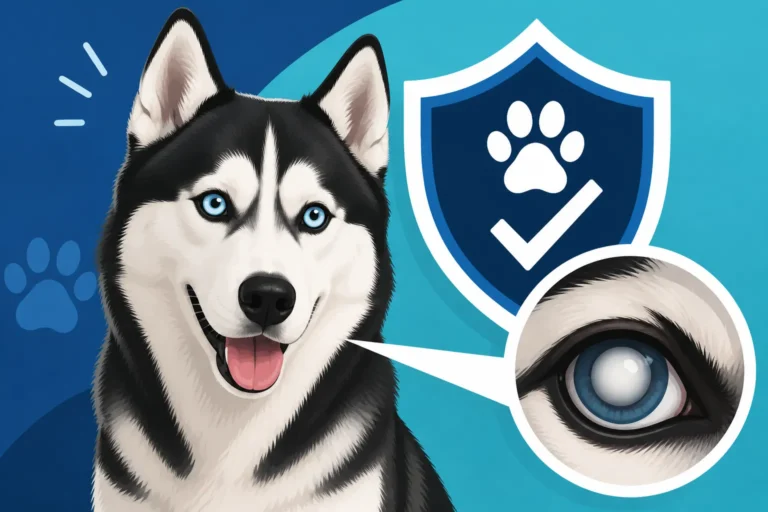
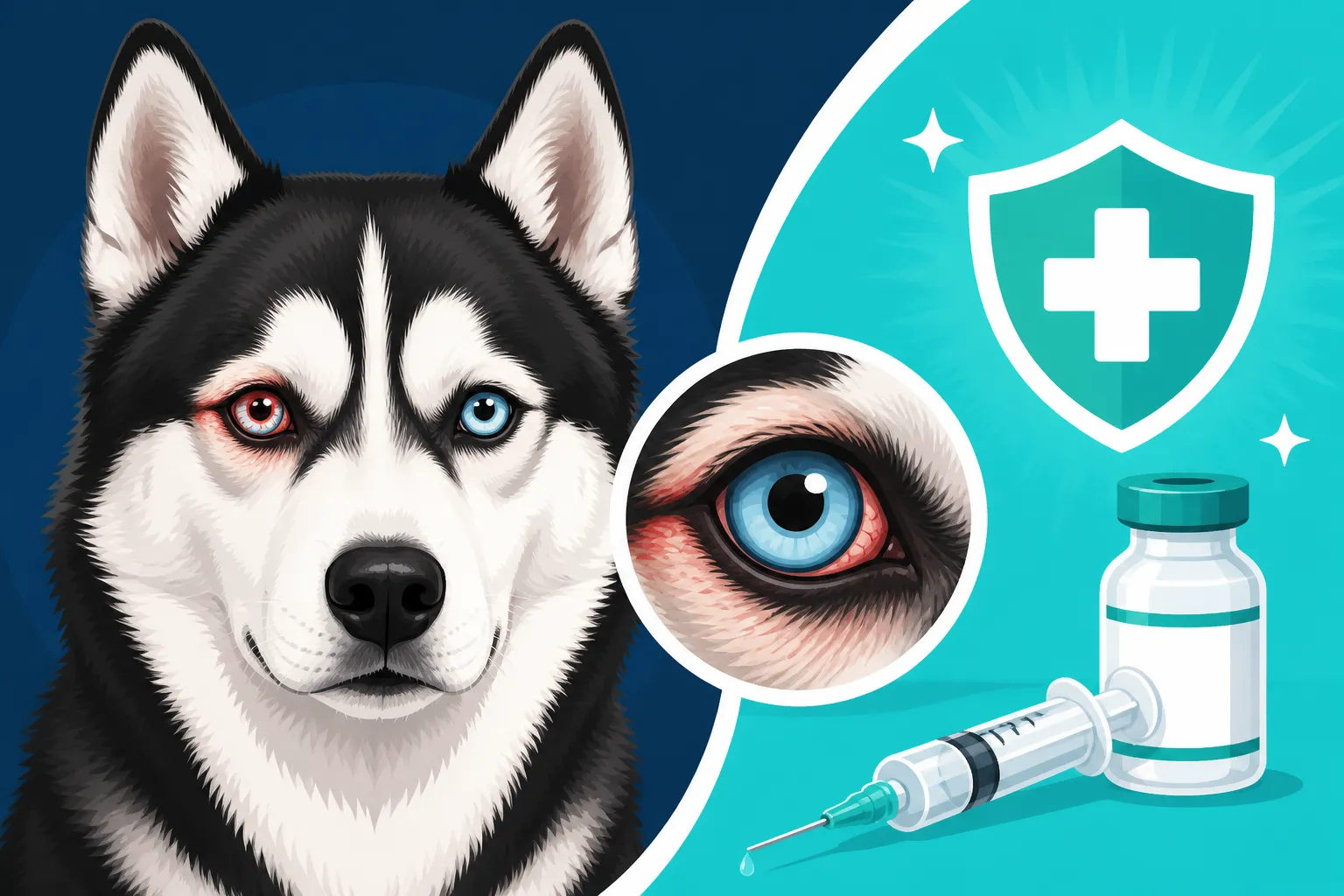
The signs of UDS are often startling and can appear quite rapidly. The most obvious symptoms typically show up in your Husky's eyes, causing what's known as uveitis – inflammation of the uvea, the middle layer of the eye. You might notice their eyes looking red, cloudy, painful, or they might be squinting excessively. Sometimes, the whites of their eyes can appear injected with blood vessels, or their pupils might look constricted or irregular. They might become sensitive to light, bumping into things, or generally acting disoriented, especially in dim light. The pain can be significant, and it’s heart-wrenching to see your active Husky struggling.
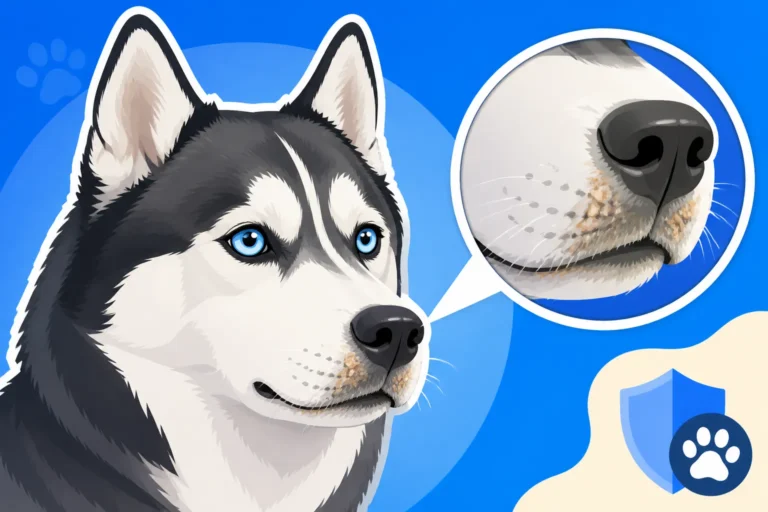
Beyond the eyes, UDS also manifests on the skin. Because the immune system targets pigment-producing cells (melanocytes), you'll often see depigmentation. This can show up as a gradual whitening around the nose, lips, eyelids, and even the paw pads. Sometimes, the skin can become crusty, develop sores, or start losing hair in these areas. It's not uncommon for owners to first notice a change in their Husky's nose color, confusing it with something less serious like "snow nose" before the more severe eye symptoms begin. This combination of eye and skin issues is a hallmark of the syndrome.
The Autoimmune Attack Explained
At its core, UDS is a deep-seated immune system malfunction. For reasons not fully understood, a Husky's immune system launches an attack against its own melanin-producing cells. These cells are found in the uvea of the eye, which is crucial for vision, and in the skin and hair follicles, giving your Husky their distinctive markings. The inflammation in the eyes is particularly dangerous because it can quickly lead to complications like glaucoma, retinal detachment, or cataracts, all of which can cause permanent blindness.
The skin depigmentation, while often less immediately threatening to life, is a clear indicator of the underlying autoimmune process. It’s a systemic problem, affecting the whole body, even if the symptoms are most visible in specific areas. Understanding this autoimmune component is key to grasping why the treatment is focused on modulating the immune response, rather than just treating the symptoms topically. This is a battle against the body's own defense mechanisms gone awry.
Early Detection and Why It Matters
Catching UDS early can make all the difference in preserving your Husky's vision and comfort. If you notice any changes in your Husky’s eyes – even subtle redness, increased squinting, or a cloudy appearance – or if their nose or lip pigment starts to fade, don't wait. These seemingly small changes can escalate quickly. A prompt visit to your veterinarian, ideally followed by a referral to a veterinary ophthalmologist, is crucial. Early diagnosis means starting treatment before irreversible damage occurs.
An ophthalmologist will perform a thorough eye exam, often including tests like tonometry (to measure eye pressure), which is vital for detecting conditions like glaucoma that can arise from UDS. They may also take skin biopsies to confirm the diagnosis, especially if depigmentation is present. The sooner you get a definitive diagnosis, the sooner you can begin the aggressive treatment needed to halt the autoimmune attack and prevent your Husky from losing their precious sight. It truly is a race against time. If you notice these symptoms, it’s critical to understand How Fast Husky Uveitis Must Be Treated.
Why Steroids Are the Cornerstone of UDS Treatment
When your Husky is diagnosed with UDS, the primary line of defense, almost universally, involves steroids. It's a heavy-hitter medication, but for an aggressive autoimmune condition like UDS, it’s often the only option powerful enough to bring the runaway immune system back under control. The goal isn't just to manage symptoms, but to halt the destructive process that can lead to blindness and severe skin issues.
How Steroids Combat Autoimmune Inflammation
Steroids, particularly corticosteroids, are potent anti-inflammatory and immunosuppressive agents. Think of your Husky’s immune system as an army, and in UDS, this army has gone rogue, attacking healthy cells in the eyes and skin. Steroids essentially tell that army to stand down. They work by suppressing the various components of the immune system that are responsible for inflammation and tissue damage. In the context of UDS, this means reducing the swelling and pain in the eyes (uveitis) and preventing further destruction of the pigment-producing cells.
The rapid action of steroids is vital because eye inflammation can cause damage very quickly. While steroids don't cure UDS – it's a chronic condition – they manage it by controlling the immune response. Without this aggressive immunosuppression, the inflammation would continue unchecked, leading to irreversible blindness and chronic skin issues. This is why when discussing Immunosuppressant Costs in a Husky Uveitis Case, steroids are often the first thing that comes to mind, as they are a non-negotiable part of the treatment plan.
Different Types of Steroids Used for UDS
There are several types of steroids, and your vet or ophthalmologist will choose the best course of action based on the severity of your Husky’s condition and which areas are most affected.
- Oral Corticosteroids: Medications like Prednisone or Prednisolone are commonly prescribed. These are systemic, meaning they affect the entire body, providing broad immunosuppression. They are usually started at a high dose to quickly get the inflammation under control, then gradually tapered down to the lowest effective dose for long-term management.
- Topical Eye Drops: For the eye component (uveitis), steroid eye drops such as prednisolone acetate or dexamethasone are critical. These deliver the medication directly to the eyes, reducing inflammation locally and preserving vision. They are often used in conjunction with oral steroids, especially during the initial acute phase.
- Other Immunosuppressants: In some cases, especially if a Husky doesn't respond well to steroids alone, or if steroid side effects are too severe, other immunosuppressive drugs like Azathioprine or Cyclosporine might be added to the regimen. These work differently but aim to achieve the same goal: suppress the overactive immune system. The specific combination will be tailored to your Husky’s unique needs, and it might even involve specialized Lifetime Eye Drops for a Siberian Husky.
The Critical Role of Immunosuppression
For a disease like UDS, aggressive immunosuppression isn't just a treatment option; it's a necessity. The immune system is hyperactive and causing damage, so toning it down is the only way to stop the progression. Without strong immunosuppressive therapy, the inflammation in the eyes will continue, potentially leading to devastating consequences like retinal detachment, glaucoma, and irreversible blindness. The skin lesions, while not vision-threatening, can also become chronic and debilitating without this intervention.
This means committing to long-term management. UDS isn’t a condition that typically goes away; it requires ongoing vigilance and treatment to keep the immune system from flaring up again. It’s a bit like managing a chronic human autoimmune disease, where medication is crucial to maintaining quality of life. The goal is to find the minimum effective dose of medication that keeps your Husky stable and comfortable, minimizing both disease progression and medication side effects.
Administering Steroids and Managing Side Effects
Starting your Husky on steroids can feel overwhelming, especially with the high initial doses often required. But understanding the administration schedule and knowing what side effects to watch for will empower you to manage their care effectively. It's a balancing act between controlling the disease and minimizing the impact of the medication itself.
Oral Steroid Dosages and Tapering Schedules
Oral steroids, like Prednisone, are typically given at an initial high dose to rapidly suppress the immune response and bring the inflammation under control. This phase is crucial for stabilizing your Husky's condition, particularly their eyes. Your vet will determine the precise dose based on your Husky's weight and the severity of their symptoms.
Once the initial crisis is averted and the inflammation subsides, the dose will be gradually tapered down. This tapering process is absolutely vital. You cannot suddenly stop steroids, as it can lead to severe complications, including a potentially life-threatening Addisonian crisis or a rebound flare-up of UDS symptoms. The tapering schedule might involve reducing the dose every few weeks, eventually aiming for an alternate-day or lowest effective daily dose for long-term maintenance. This long-term dose is critical for managing the chronic nature of UDS and will be determined through careful monitoring by your vet. For conditions like UDS, you'll find yourself needing to visit the ophthalmologist regularly. Understanding the Annual Ophthalmologist Fees for a Siberian Husky is a good idea.
Topical Eye Treatments and Their Importance
Alongside oral steroids, topical steroid eye drops are almost always prescribed, especially if the uveitis is active. These drops deliver medication directly to the eye, providing localized anti-inflammatory power right where it's needed most. This helps reduce redness, pain, and swelling within the eye, working synergistically with the oral medication to protect your Husky's vision.
Administering eye drops can be a challenge with some Huskies, but consistency is key. Your vet or ophthalmologist will show you the correct technique, which usually involves gently holding your Husky's head, pulling down the lower eyelid, and administering the prescribed number of drops. It's often easier with two people initially – one to hold, one to drop. These drops might be needed multiple times a day during a flare-up and then reduced to once or twice daily for maintenance. Don't skip doses, as this can lead to a resurgence of inflammation and further damage. Remember, Siberian Husky Eye Disease and the Annual Exam is important even when there isn't a known issue like UDS.
Navigating Common Steroid Side Effects
While steroids are life-saving for UDS, they do come with a range of potential side effects. Being aware of these can help you manage your Husky's comfort and alert your vet if anything concerning arises.
Here's a quick overview of common steroid side effects:
| Side Effect | Description | Management Tips |
|---|---|---|
| Increased Thirst (Polydipsia) | Your Husky will drink a lot more water than usual, leading to more frequent urination. | Ensure constant access to fresh water. Expect more potty breaks, especially overnight. |
| Increased Hunger (Polyphagia) | Steroids can make your Husky feel perpetually hungry. | Stick strictly to their prescribed food portions. Avoid free-feeding. Use low-calorie treats for training or enrichment. Be mindful of weight gain. |
| Panting | Even when at rest, your Husky might pant more due to the effects of steroids on their metabolism and internal temperature regulation. | Keep your Husky in a cool environment. Provide plenty of fresh water. Monitor for signs of overheating, especially in warmer weather. |
| Muscle Weakness/Lethargy | Some Huskies might seem less energetic or experience mild muscle weakness, particularly in the hind limbs, due to long-term steroid use. | Encourage gentle, regular exercise appropriate for their energy levels. Discuss with your vet if weakness is pronounced. |
| Pot-bellied Appearance | Steroids can cause a redistribution of fat and weakening of abdominal muscles, leading to a distended abdomen. | This is typically cosmetic. Monitor weight to differentiate from actual fat gain. |
| Thinning Skin/Hair Loss | Over time, skin can become fragile, and hair might thin, especially on the flanks. | Handle your Husky gently. Keep skin clean and protected. Avoid excessive sun exposure on thinned areas. |
| Behavioral Changes | Some Huskies might become restless, anxious, or even irritable on steroids. They might also have increased accidents in the house due to frequent urination. | Provide a calm, consistent routine. Increase potty breaks. Consult your vet if behavioral changes are severe or distressing. |
| Increased Infection Risk | Steroids suppress the immune system, making your Husky more susceptible to infections, including urinary tract infections or skin infections. | Be vigilant for any signs of illness (fever, lethargy, discharge, unusual odors). Promptly report concerns to your vet. Ensure all vaccinations are up to date. |
While many of these side effects are manageable, it's crucial to have open communication with your vet. They can help adjust dosages or recommend strategies to mitigate discomfort. Remember, your vet and the veterinary ophthalmologist are your partners in this journey. Given the potentially high costs of managing a chronic condition like UDS, it’s worth considering pet insurance, with companies like Healthy Paws offering various plans to help cover ongoing treatment expenses.
Long-Term Management and Prognosis for Husky UDS
A diagnosis of UDS means you're embarking on a lifelong journey with your Husky, requiring unwavering dedication to their treatment plan. It’s not a sprint; it’s a marathon of careful monitoring, consistent medication, and regular veterinary check-ups to give your furry family member the best possible quality of life.
Maintaining Treatment for Lifelong Control
UDS is a chronic autoimmune condition, meaning there's no "cure" in the traditional sense. The goal of treatment is permanent remission – keeping the disease dormant and preventing flare-ups. This almost always requires lifelong medication, typically oral steroids at the lowest effective dose, sometimes combined with other immunosuppressants. You'll work closely with your veterinary ophthalmologist to find that "sweet spot" dosage that controls the disease without causing undue side effects.
Don't be surprised if your Husky needs frequent medication adjustments, especially in the first year or during times of stress. Consistency is paramount. Missing doses or prematurely stopping medication can lead to a severe relapse, often worse than the initial presentation, and could lead to irreversible blindness. It’s a commitment, but the reward is seeing your Husky comfortable and, hopefully, with their vision preserved. When budgeting for your Husky's care, consider that Immunosuppressant Costs in a Husky Uveitis Case will be a recurring expense, highlighting the value of a comprehensive pet insurance plan like those offered by Healthy Paws.
Monitoring Your Husky's Health During Steroid Therapy
Living with a Husky on long-term steroids means becoming an attentive observer of their health. You'll need to watch for signs of both disease flare-ups and medication side effects.
- Eye Changes: Any return of redness, squinting, cloudiness, or changes in pupil size should be reported immediately. This could indicate a flare-up of uveitis.
- Skin Changes: Keep an eye on depigmentation around the nose, lips, and eyelids. While some pigment loss might be permanent, sudden increases or new lesions could signal active disease. Also, watch for any signs of skin thinning, dryness, or secondary infections. Owners should be mindful of how A Siberian Husky Nose That Loses Its Color could be more than just "snow nose" and warrant investigation.
- Behavioral/Physical Changes: Monitor for excessive thirst, urination, hunger, panting, or any changes in energy levels. While some of these are normal steroid side effects, drastic or sudden changes might require a vet visit. Also, watch for signs of infection (e.g., lethargy, fever, unusual discharge), as immunosuppressed dogs are more vulnerable. Regular blood tests will be part of the routine to monitor organ function, especially the liver and kidneys, which can be affected by long-term medication. These tests will also check for secondary issues like diabetes, which can be induced by steroids. Ensuring good hydration by always having access to water is vital, particularly for Caring for a Siberian Husky Past Ten when multiple health issues may arise.
The Importance of Regular Veterinary Check-ups
Regular veterinary check-ups are non-negotiable for a Husky with UDS. Expect to see the veterinary ophthalmologist frequently, especially in the initial stages and during any dose adjustments. These specialized exams are crucial for assessing eye health, measuring intraocular pressure (to catch glaucoma early), and detecting subtle signs of inflammation.
Your general veterinarian will also play a vital role in managing your Husky's overall health. They will conduct routine physical exams, bloodwork, and urine tests to monitor for steroid side effects and general well-being. These appointments are your opportunity to discuss any concerns you have, from diet adjustments for increased hunger to strategies for managing restlessness or urinary accidents. Think of your vet team as your essential support system, helping you navigate the complexities of this condition. The cost of these regular visits and ongoing medications is a significant part of the What a Siberian Husky's Eye Care Costs Over a Lifetime equation, and an aspect where pet insurance, such as Healthy Paws, can be incredibly beneficial in alleviating financial stress. Keeping up with these appointments is part of the rigorous What Siberian Husky CHIC Certification Requires for breeders, highlighting the importance of thorough health screening for the breed.
Disclaimer
This article is intended for informational purposes only and does not constitute veterinary advice. Always consult with a qualified veterinarian or veterinary ophthalmologist for diagnosis, treatment, and personalized recommendations for your Siberian Husky's specific health needs.