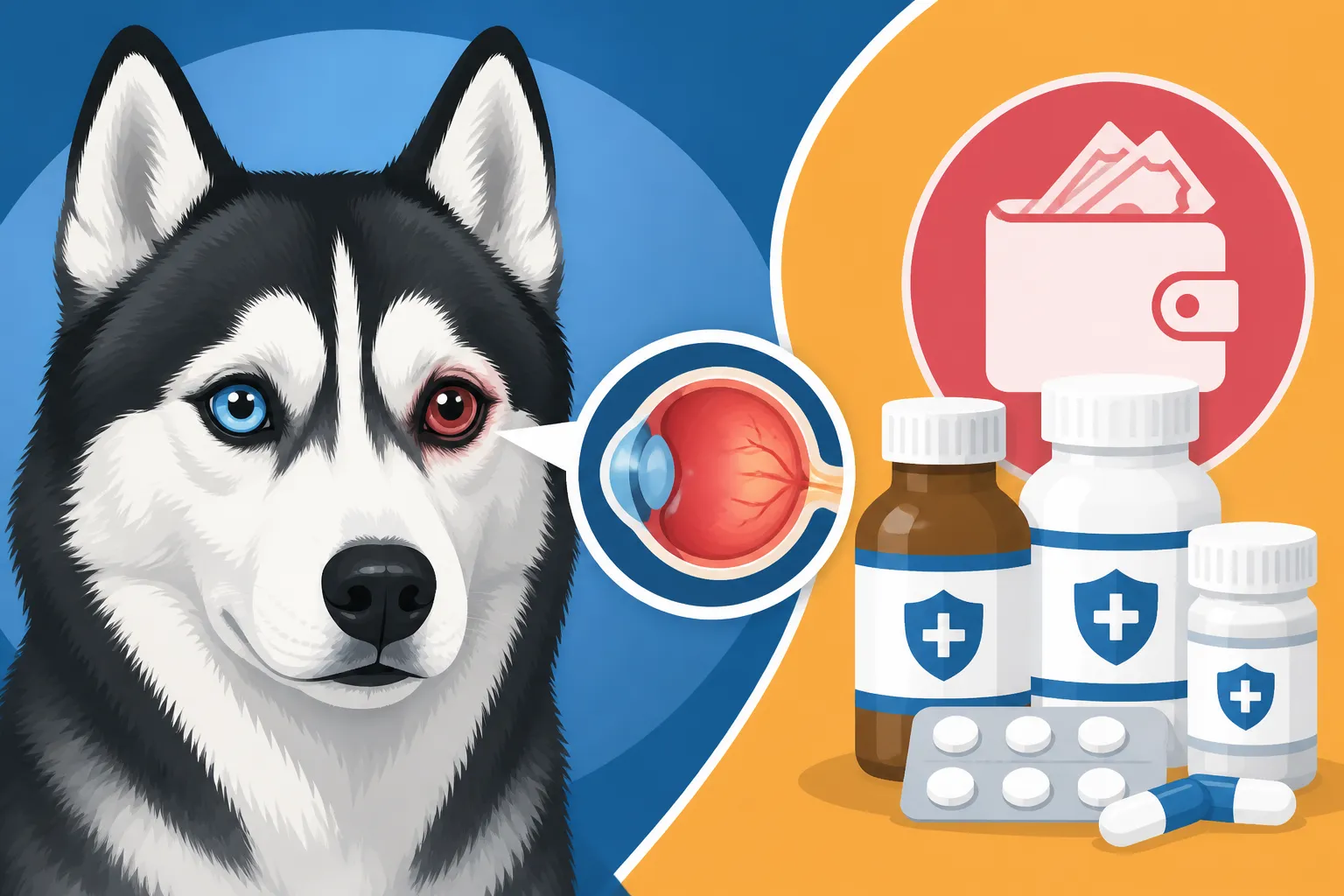
Immunosuppressant Costs in a Husky Uveitis Case
Discovering your beloved Siberian Husky has uveitis can be incredibly unsettling. This eye condition not only causes significant discomfort and pain for your dog, but the prospect of managing a chronic, potentially sight-threatening disease often brings immediate worries about treatment, especially the financial commitment of long-term care involving immunosuppressants. This guide aims to thoroughly explain the costs associated with managing uveitis in Huskies, particularly focusing on the role and expense of immunosuppressive therapies.
Understanding Uveitis in Siberian Huskies
Uveitis is essentially inflammation of the uvea, which is the middle layer of your Husky's eye, containing the iris, ciliary body, and choroid. When this part becomes inflamed, it can cause severe pain, sensitivity to light, redness, and cloudiness, ultimately threatening your dog's vision. For Siberian Huskies, uveitis isn't just a random occurrence; there's a specific, often immune-mediated form known as Uveodermatologic Syndrome (UDS) that many Husky owners unfortunately become familiar with. This condition is particularly concerning because it's not just about the eyes; it's an autoimmune disease where the body's immune system mistakenly attacks pigment cells, not only in the eyes but often in the skin and hair as well.
Recognizing the signs early is crucial. You might notice your Husky squinting, pawing at their face, or their usually bright eyes appearing dull or red. Sometimes, a bluish haze might develop over the cornea. Left untreated, chronic inflammation can lead to secondary problems like glaucoma, cataracts, and even retinal detachment, making treatment more complex and costly down the line. That's why prompt veterinary attention is non-negotiable, and why discussions about the financial aspect become so immediate.
Diagnosing Uveitis: The Initial Financial Hurdle
Before discussing immunosuppressants, it's important to understand that diagnosis itself carries costs. When you first bring your Husky to the vet with eye concerns, they'll likely perform a general eye exam. If uveitis is suspected, they'll often recommend a referral to a veterinary ophthalmologist, a specialist who has the advanced equipment and expertise to properly diagnose and stage the condition.
These initial diagnostic steps can include a comprehensive ophthalmic exam, which involves specialized instruments to look inside the eye, measure intraocular pressure (to check for glaucoma), and perform a fluorescein stain test to rule out corneal ulcers. If UDS is suspected, the ophthalmologist might recommend additional tests, such as blood work to rule out infectious causes, or even biopsies of affected skin if dermal lesions are present. The fees for a specialist consultation and these initial tests can range significantly, forming the first tier of expenses before any long-term treatment even begins. Being prepared for these upfront costs can help ease some of the immediate stress. It's not uncommon for these specialized visits and initial tests to run into hundreds of dollars just to get a clear picture of what's going on. For more general information about maintaining your Husky's eye health, you might find Siberian Husky Eye Disease and the Annual Exam a helpful read.
Why Immunosuppressants for Husky Uveitis?
For conditions like Uveodermatologic Syndrome, which are autoimmune in nature, the goal isn't just to reduce inflammation; it's to calm the overactive immune system that's causing the inflammation in the first place. This is where immunosuppressants come into play. These medications work by suppressing the immune response, preventing it from attacking the pigment cells in the eyes and skin. Without them, the inflammation often recurs or worsens, leading to irreversible damage and potential blindness.
Topical steroids (eye drops) are often the first line of defense for immediate inflammation. However, for a systemic autoimmune disease like UDS, systemic (oral) immunosuppressants are frequently necessary for long-term control. This is a critical distinction, as the cost and commitment associated with oral medications differ greatly from a short course of eye drops. The choice of medication, dosage, and duration of treatment will depend entirely on the severity of your Husky's condition and how they respond to therapy.
The Costs of Immunosuppressant Therapy
When your Siberian Husky needs immunosuppressants for uveitis, you're not just looking at the price of pills; it's a whole package of expenses that includes the medication itself, regular veterinary follow-ups, and ongoing monitoring to ensure the drugs are working effectively and not causing harmful side effects. This can feel like a moving target, especially when dealing with a chronic condition.
Medication Costs: A Monthly Budget Item
The primary medication costs for uveitis often center around oral corticosteroids (like prednisone) and stronger immunosuppressants (like cyclosporine or azathioprine).
- Corticosteroids: Prednisone is usually less expensive and is often used to get the inflammation under control quickly. However, long-term use can have significant side effects, so vets try to taper the dose to the lowest effective amount or switch to other drugs. The cost per month for prednisone can be relatively low, but this can vary based on dosage and the pharmacy.
- Cyclosporine: This is a very common and effective immunosuppressant used for canine uveitis, particularly UDS. It works by specifically inhibiting T-lymphocyte activity, which helps to calm the autoimmune response. Cyclosporine can be significantly more expensive than prednisone. The exact cost will depend on the brand (e.g., brand-name Optimmune or generic equivalents), the dosage required for your Husky's weight, and where you purchase it. Many pet owners find that ordering medications through reputable online pharmacies or large retailers can offer savings compared to purchasing directly from the veterinary clinic. Services like Chewy often have pharmacy options that can fulfill prescriptions, and it's worth comparing prices to see if you can reduce your monthly outlay.
- Other Immunosuppressants: Less commonly, other drugs like azathioprine or mycophenolate might be prescribed, often in conjunction with cyclosporine or if cyclosporine isn't tolerated or effective. These also come with their own price points, which can be considerable.
It's vital to remember that these medications are often prescribed for the long haul, potentially for the remainder of your Husky's life. This means that a seemingly small monthly cost can add up significantly over years. It's a continuous budget line item you'll need to account for.
Veterinary Visits and Monitoring
Immunosuppressant therapy isn't a "set it and forget it" kind of treatment. Regular follow-up appointments with the veterinary ophthalmologist are crucial.
- Initial Monitoring: When starting immunosuppressants, especially at higher doses, your Husky will need frequent check-ups. This might mean weekly or bi-weekly visits initially to gauge their response to the medication and monitor for side effects. Each specialist visit carries a consultation fee, which is typically higher than a general vet visit.
- Ongoing Monitoring: Once the condition is stable, follow-up visits might stretch to every few months. During these visits, the ophthalmologist will perform detailed eye exams, measure intraocular pressure, and discuss any changes you've observed at home. These regular check-ins are absolutely vital to adjust medication dosages, catch potential relapses early, and prevent secondary complications. Think of it as a quality control process for your Husky's sight.
- Blood Work: Many systemic immunosuppressants, especially at higher doses, require regular blood tests. For example, cyclosporine levels might need to be checked to ensure therapeutic levels are maintained without reaching toxic levels. Prednisone can affect liver enzymes and blood sugar, necessitating periodic blood panels. These blood tests are an additional cost that contributes to the overall expense of long-term therapy, but they are non-negotiable for your Husky's safety and the effectiveness of the treatment.
These ongoing professional fees and lab costs can sometimes rival or even exceed the monthly medication costs, especially in the initial phases of treatment.
Dealing with Side Effects and Complications
While life-saving, immunosuppressants aren't without potential side effects. These can range from mild (increased thirst, urination, appetite, panting, weight gain with steroids; GI upset with cyclosporine) to severe (liver or kidney issues, increased susceptibility to infections, bone marrow suppression).
- Managing Side Effects: If your Husky develops a noticeable side effect, it will require further veterinary consultation, and potentially additional medications to manage that specific side effect. For instance, if your Husky develops a urinary tract infection due to a suppressed immune system, you'll incur the cost of diagnosing and treating that infection.
- Emergency Care: In rare but serious cases, a severe reaction or complication could necessitate emergency veterinary care. An emergency visit to a specialist or an emergency vet hospital can easily run into thousands, depending on the intervention needed. While this isn't a direct "immunosuppressant cost," it's a potential indirect cost that owners need to be aware of when embarking on such treatments. It underscores why careful monitoring and regular communication with your vet are so important. This kind of sudden expense is exactly what makes many owners consider pet insurance early on.
Financial Planning for Chronic Uveitis Care
Managing the costs of chronic conditions like uveitis requires proactive financial planning. It’s not just about one-time payments; it’s about understanding a long-term financial commitment.
Pet Insurance: A Lifeline for Chronic Illness
This is often one of the first things pet owners consider when facing significant ongoing veterinary costs. Pet insurance policies are designed to help offset the financial burden of accidents and illnesses.
- Coverage for Chronic Conditions: Many pet insurance plans, like those offered by Healthy Paws, will cover chronic conditions like uveitis, as long as the condition isn't pre-existing when you enroll your Husky. This "pre-existing" clause is critical. If your Husky has already been diagnosed with uveitis before you get insurance, it's highly unlikely that the insurance company will cover treatment for it. This emphasizes the importance of enrolling your Husky in pet insurance when they are young and healthy.
- Deductibles and Reimbursement: Policies typically have a deductible (an amount you pay out-of-pocket before coverage kicks in) and a reimbursement percentage (the portion of covered costs the insurance company pays back to you). For a chronic condition like uveitis, once your annual deductible is met, you could see a significant portion of your ongoing medication, vet visits, and monitoring costs reimbursed, which can make a huge difference to your budget.
- Comparing Plans: It's essential to compare different plans, their deductibles, annual limits, and what they consider a "covered expense" for chronic conditions. Some plans might have specific clauses or limits for certain conditions or medications. Don't hesitate to ask detailed questions about coverage for long-term conditions and immunosuppressants specifically. You might find our article on Siberian Husky Pet Insurance and the Eye Clause helpful for more insights.
Budgeting and Savings
Even with pet insurance, you'll still have out-of-pocket expenses (deductibles, co-pays, uncovered treatments). Establishing a dedicated savings fund for your Husky's medical needs can provide a crucial safety net.
- Emergency Fund: Aim to have at least a few months' worth of medication and vet visit costs saved up. This can prevent financial stress during unexpected flares or changes in treatment protocol.
- Regular Contributions: Consider setting up a small, automatic transfer each month into this fund. Over time, these small contributions can build into a substantial resource, ready for when you need it most. This proactive approach can make the ongoing costs of Lifetime Eye Drops for a Siberian Husky much more manageable.
Pharmacy Shopping and Discounts
Don't be afraid to shop around for your Husky's medications.
- Online Pharmacies: Reputable online pet pharmacies often have lower prices than veterinary clinics. Make sure they are certified and require a prescription from your vet. As mentioned, services like Chewy's pharmacy can be a good option.
- Human Pharmacies: Some veterinary medications are identical to human medications and might be cheaper at a local human pharmacy, especially with discount cards. Always ask your vet if this is an option for your Husky's specific medication.
- Manufacturer Rebates: Occasionally, pharmaceutical companies offer rebates on certain medications. Ask your vet if any such programs are available for the drugs your Husky is prescribed.
Here's a quick overview of potential cost components in managing Siberian Husky uveitis:
| Cost Component | Description | Frequency | Potential Financial Impact (Shape) |
|---|---|---|---|
| Initial Diagnosis | Ophthalmic exam, specialist consultation, specific eye tests, possible blood work | One-time / Initial | Significant upfront |
| Medication (Oral) | Cyclosporine, prednisone, azathioprine, etc. | Monthly | Moderate to High ongoing |
| Medication (Topical) | Steroid eye drops, other anti-inflammatories | Monthly | Low to Moderate ongoing |
| Follow-up Vet Visits | Ophthalmic re-checks, dose adjustments | Monthly / Quarterly | Moderate ongoing |
| Blood Work / Monitoring | Organ function, drug levels, general health | Quarterly / Bi-annually | Moderate ongoing |
| Side Effect Management | Vet visits, additional medications for complications | As needed | Variable, potentially high |
| Emergency Care | Sudden worsening, severe complications (e.g., acute glaucoma) | Rare, unpredictable | Extremely high, immediate |
| Pet Insurance Premiums | Monthly or annual payments for coverage | Monthly / Annually | Regular, predictable |
| Specialty Foods/Supplements | If diet changes are recommended for overall health/drug absorption | Monthly (if applicable) | Low to Moderate ongoing |
The Long-Term Commitment
Living with a Siberian Husky diagnosed with uveitis, especially the autoimmune form, means embracing a journey of continuous care. It's a testament to the deep bond you share with your companion. The initial shock of diagnosis and the subsequent financial questions can be overwhelming, but understanding the nature of the costs involved is the first step toward managing them effectively.
Beyond the financial aspects, there's also the emotional and time commitment. Administering daily medications, observing your Husky for subtle changes, and ensuring they attend all their follow-up appointments becomes part of your routine. It’s a marathon, not a sprint, and there will be good days and challenging days. For further reading on urgent treatment, consider How Fast Husky Uveitis Must Be Treated.
Quality of Life and Prognosis
The good news is that with dedicated treatment and consistent use of immunosuppressants, many Huskies with uveitis can maintain a good quality of life and preserve their vision for years. Regular monitoring and medication adjustments are key. Your veterinary ophthalmologist will work closely with you to find the most effective and tolerable treatment regimen for your individual Husky, always with their well-being at the forefront.
It's natural to feel daunted by the prospect of lifelong medication and its associated costs. However, seeing your Husky comfortable, pain-free, and enjoying their life is an invaluable reward. By proactively planning, exploring pet insurance options, and shopping smart for medications, you can alleviate some of the financial strain and focus on providing the best possible care for your furry family member.
Disclaimer
This article is for general informational purposes only and does not constitute professional advice. Laws, prices and regulations vary by location and change over time. Consult a qualified professional for guidance on your specific situation.