Finding a Sitter Who Can Hold a Siberian Husky
One of the biggest anxieties for any Siberian Husky owner is finding someone capable and trustworthy to care for their energetic, often mischievous, and highly intelligent companion when they need to be away. Huskies aren't just any dog; their unique blend of escape artistry, high exercise needs, and independent spirit means that a standard pet sitter simply won't cut it. This guide will walk you through exactly what to look for and how to prepare, ensuring you can find a sitter who truly understands and can safely manage your beloved Husky.
Understanding the Unique Challenges of Sitting a Siberian Husky
Let's be real: explaining your Husky to a new sitter can feel like trying to describe a mythical creature. They're not "bad" dogs, not at all, but they come with a distinct set of characteristics that make them different from your average Golden Retriever or Poodle. Ignoring these traits is a recipe for disaster, and any good sitter will appreciate you being upfront about them.
The Husky's Escape Artist Tendencies
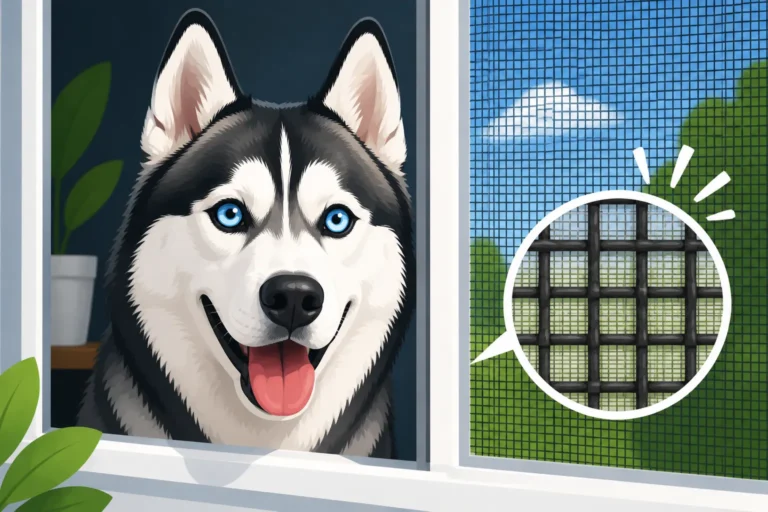
If you've ever owned a Husky, you know this one in your bones. They are masters of escape. A loose latch, an open gate, a slight gap in the fence, or even just a moment of inattention – that's all it takes. They don't run away because they don't love you; they run because it's in their DNA. Their ancestors roamed vast distances, and that drive is still very much alive.
This means a sitter can't just open the back door and let them out, even in a fenced yard, without constant, vigilant supervision. Many a Husky owner has learned the hard way that a six-foot fence is merely a suggestion for these agile jumpers and dedicated diggers. I've heard stories of Huskies scaling chain-link fences like a furry Spider-Man, or tunneling under them with the efficiency of a small backhoe. A sitter needs to be aware of these tendencies and be prepared to treat every outdoor moment as a supervised activity. They need to understand that the concept of "staying in the yard" is purely optional for a bored or curious Husky. Why a Siberian Husky Cannot Be Trusted Off Leash delves deeper into this instinct.
High Energy and Exercise Demands
A tired Husky is a good Husky. An under-exercised Husky is a force of nature, often manifesting as destructive chewing, excessive howling, or, you guessed it, escape attempts. These dogs were bred to pull sleds for miles across frozen tundras. That genetic imperative for movement doesn doesn't just vanish because they're now a beloved family pet in a suburban home.
A sitter needs to commit to providing substantial physical and mental exercise. This isn't just a leisurely stroll around the block; it might mean long, brisk walks, runs, bikejoring, or vigorous play sessions. If your Husky is used to two hours of off-leash park time (in a secure, Husky-proof park, of course, or on a long line!), a sitter who only takes them out for three potty breaks a day will quickly find themselves with a very restless and potentially destructive dog. They need to understand the difference between a walk and a true workout for a Husky. How Much Exercise a Siberian Husky Really Needs is a great resource for understanding their activity levels.
Specific Handling and Training Needs
Huskies are intelligent, but they are also notoriously independent. They often operate on a "what's in it for me?" basis, and their recall, if it exists at all, might vanish the moment a squirrel or an interesting smell appears. This means a sitter needs to be patient, consistent, and understand that force-based training methods simply don't work with this breed. They'll shut down or become more resistant.
Beyond training, some Huskies have specific dietary needs, like those requiring zinc supplementation due to poor absorption, or older dogs needing specialized care. If your Husky is on a specific diet or medication, or perhaps uses a slow feeder from Chewy because they tend to scarf their food too quickly, your sitter needs to be diligent about following these instructions. They should also be familiar with reading canine body language, especially given the Husky's vocal nature, which can sometimes be misunderstood as aggression when it's just "talking back."
Types of Sitters and What to Look For
When you're trying to find someone who can truly "hold" a Siberian Husky, you're looking for more than just a warm body. You're looking for a partner in your Husky's care.
In-Home Pet Sitters vs. Boarding Facilities
Both options have their pros and cons, especially for a Husky.
In-Home Pet Sitters (or House Sitters):
- Pros: Your Husky stays in their familiar environment, which can reduce stress. They maintain their routine, and a good sitter provides one-on-one attention. This is often the preferred choice for Huskies, as their escape risk is mitigated by staying home, and many thrive on maintaining their routine. An in-home sitter can also help you manage that notorious Siberian Husky Coat Blow and the Six Weeks It Lasts without your home becoming completely blanketed in fur.
- Cons: It can be harder to find someone experienced specifically with Huskies. You're giving someone access to your home. Costs can be higher for extended stays.
Boarding Facilities:
- Pros: Many facilities have staff present 24/7 (though not always actively supervising each dog). Reputable places have secure runs and trained personnel. Some facilities offer "enrichment" activities, though these may not be sufficient for a true Husky workout.
- Cons: This is where the Husky's escape tendencies become a huge concern. A typical kennel run might not be Husky-proof. The stress of a new environment, unfamiliar dogs, and altered routines can lead to anxiety, howling, or even attempts to chew through walls or fences. Many facilities simply don't understand the breed's needs, leading to under-exercised, stressed dogs. Finding Boarding a Siberian Husky That Climbs is a specific challenge. Group play may also be an issue if your Husky isn't consistently good with all dogs.
Key Qualities and Experience to Prioritize
When vetting potential sitters, especially for an in-home role, you need to go beyond the basics.
- Direct Husky Experience: This is non-negotiable. Ask if they have personally owned a Husky or regularly cared for them. Someone who has only sat for Beagles might be completely unprepared for the sheer determination and cleverness of a Husky. They should be able to rattle off common Husky traits without you prompting them.
- Understanding of High-Energy Breeds: Even if they haven't specifically sat a Husky, experience with other high-drive, independent working breeds (like Malamutes, German Shepherds, or Collies) is a good sign. They should understand the need for physical and mental stimulation beyond a casual walk.
- Physical Capability: A sitter needs to be strong enough to manage your Husky on a leash, especially if your dog is a puller or prone to lunging at squirrels. A lightweight college student might struggle with a 60-pound Husky determined to chase a deer.
- Vigilance and Attention to Detail: Given the escape risk, they must be hyper-aware of gates, doors, and fences. They need to be the kind of person who double-checks locks and doesn't get easily distracted.
- Patience and Positive Reinforcement: Huskies respond best to positive reinforcement. A sitter who understands this and isn't prone to frustration will have much more success. They should be willing to use the treats and verbal cues your Husky is familiar with, perhaps even those yummy salmon treats from Chewy that your Husky adores.
- Reliability and Communication: You need someone dependable. They should communicate regularly, sending updates, photos, and immediately alerting you to any issues.
Essential Questions to Ask Potential Sitters
Don't be shy about your interrogation. This is your furry family member we're talking about!
Here's a table of questions to get you started:
| Category | Question | Why It's Important for a Husky |
|---|---|---|
| Experience | "What is your specific experience with Siberian Huskies or similar high-energy, independent breeds?" | Directly assesses their understanding of the breed's unique challenges (escape, prey drive, stubbornness). |
| "Can you give an example of a challenging situation you've encountered with a dog and how you handled it?" | Reveals problem-solving skills and composure under pressure, crucial for unexpected Husky antics. | |
| Safety & Escapes | "What are your protocols for preventing escapes, both in the yard and during walks?" | Ensures they understand Husky escape artistry. Look for answers like "double-checking gates," "using a martingale collar," "never letting off leash," and "constant supervision." Martingale Collars for a Siberian Husky are often recommended. |
| "What would you do if my Husky slipped their leash or got out of the yard?" | Tests their emergency response. A good answer involves immediate, calm action, not chasing. Getting a Loose Siberian Husky to Come to You is a key skill. | |
| Exercise | "Describe a typical daily exercise routine you'd provide for a dog like mine." | Confirms they appreciate the Husky's intense exercise needs. "A quick walk" is a red flag. Look for mentions of long walks, runs, or active play. |
| Training & Behavior | "How do you handle a dog that might ignore commands or be particularly stubborn?" | Checks for patience and positive reinforcement methods. Avoid sitters who suggest harsh corrections. |
| "Are you comfortable with specific training cues/words I use?" | Ensures consistency, which is vital for an independent breed like the Husky. | |
| Logistics | "Are you insured and bonded?" | Protects you and the sitter in case of accidents, though many pet insurance policies like Healthy Paws focus on pet health, not sitter liability. |
| "What is your communication plan while I'm away (updates, photos, emergencies)?" | Sets expectations for staying informed and ensures you'll know quickly if an issue arises. | |
| "Can you provide references from other clients, especially those with high-energy dogs?" | Allows you to verify their claims and get feedback from other owners. |
Preparing Your Husky and Sitter for Success
Finding the right sitter is only half the battle. The other half is setting everyone up for a smooth, stress-free experience. This means clear communication and proactive preparation.
Creating a Detailed Care Plan
Never assume a sitter will intuitively know your Husky's routine or quirks. Write everything down, and be as detailed as possible. This isn't just a list of "feed the dog and walk him."
Your care plan should include:
- Feeding Schedule & Portions: Exact times, amount of food (measured precisely, as Huskies can be efficient eaters and don't need as much food as you'd think for their size), any supplements (like zinc), and specific bowls (e.g., "use the slow-feeder bowl"). If your Husky is on a specific diet, perhaps a fresh food option like Ollie, spell out exactly how to store and serve it.
- Exercise Routine: Specific times for walks, duration, routes to avoid (e.g., areas with known loose dogs or high squirrel traffic), and gear (harness, leash type, perhaps a GPS collar if your Husky is known to be clever with gates). Detail how much running or active play is needed.
- Medications: Name of medication, dosage, frequency, and method of administration (e.g., "hide in a piece of cheese").
- Behavioral Quirks: Does your Husky "talk" incessantly? Do they get overly excited when visitors arrive? Are they prone to counter-surfing? Do they try to escape through specific doors or jump on specific furniture? The more information, the better. Be honest about their naughtiness.
- House Rules: Where are they allowed to sleep? Are they allowed on furniture? Which rooms are off-limits?
- Emergency Info: Your vet's name and number, emergency vet clinic's name and number, and contact info for a local friend or family member who can act as an alternate contact.
- Home Information: Where are cleaning supplies? How do you operate the thermostat? Wi-Fi password if they're staying at your home.
The Importance of a Trial Run
For a Husky, a trial run with a new sitter is practically mandatory. Huskies can be wary of new people, and their independent nature means they won't automatically warm up to just anyone.
- Meet and Greet: Start with a casual meeting at your home while you're present. Let your Husky sniff them out on their terms. This helps your dog associate the sitter with positive experiences and your presence.
- Supervised Walk: Have the sitter accompany you on a walk with your Husky. Observe how they handle the leash, how they react to your dog's pulling or distractions, and how your dog responds to them.
- Short Solo Visit: For an in-home sitter, arrange for them to spend an hour or two with your Husky while you run errands. This allows both the sitter and your dog to get a feel for the situation without the pressure of an overnight stay. Did they manage the Husky effectively? Were there any issues?
- Overnight Stay (if applicable): If you're planning a longer trip, especially with an in-home sitter, consider a single overnight trial. This helps iron out any kinks in the routine, from bedtime behavior to morning energy bursts. It’s far better to discover a problem during a trial than when you’re hundreds of miles away.
Emergency Protocols and Contact Information
No one wants to think about emergencies, but with a Husky, being prepared is just smart. They are prone to ingesting things they shouldn't, escaping and getting injured, or developing sudden health issues.
Your emergency plan should explicitly state:
- Veterinary Care: Instructions on when to contact the vet, who pays for emergency care, and clear authorization for the sitter to seek treatment. Provide all vet contact information, including the nearest 24/7 emergency clinic.
- Escape Plan: What should the sitter do if your Husky escapes? Where are the emergency contacts? Is there a microchip registration number they should know? Siberian Husky Deaths From Trauma and Escape are unfortunately common, so this is paramount.
- Communication Escalation: When should the sitter call you immediately? When should they call your emergency contact? When is a text message sufficient?
- First Aid Kit: Point out where your dog's first aid kit is located and ensure the sitter knows basic canine first aid.
Costs and Considerations for Husky-Specific Care
The unique needs of a Siberian Husky often translate into unique costs and considerations when it comes to pet sitting. It's not just about paying for time; it's about paying for expertise and peace of mind.
Pricing for Specialized Husky Sitting
You should expect to pay more for a sitter with specific Husky experience or one willing to cater to their higher needs. General pet sitters might charge a standard rate per visit or per day, but someone who understands the effort involved in managing a Husky may (and should) charge a premium.
- Daily Rates: For in-home pet sitting, expect a range that reflects the sitter's experience, the number of visits per day, and the time spent per visit. Some might charge extra for long walks or specific training reinforcement.
- Overnight Stays: If a sitter is staying in your home, their rates will generally be higher than just drop-in visits.
- Additional Services: Administering medication, grooming tasks (like brushing out a shedding coat), or extra-long exercise sessions might incur additional fees. Don't balk at these; they ensure your Husky gets the care they need.
- Booking in Advance: Good Husky sitters are in high demand. Book well in advance, especially for holidays, to secure someone you trust.
Insurance and Liability for Pet Sitters
This is a critical, yet often overlooked, aspect of hiring a pet sitter. What happens if your Husky bites someone on a walk while under the sitter's care? Or if they destroy property at a boarding facility?
- Sitter's Insurance: Ask if your potential sitter has their own professional liability insurance. This protects them (and indirectly you) in case of accidents, injuries, or property damage that occurs while your dog is in their care. It's a sign of a professional and responsible business.
- Your Homeowner's/Renter's Insurance: Review your own insurance policy. Some policies have breed restrictions or specific clauses regarding dog-related incidents, especially for breeds perceived as "high risk," even if this perception is often unfair for a well-socialized Husky. It’s worth understanding your coverage. Homeowners Carriers and the Siberian Husky is a good article to review.
- Pet Insurance: While not directly for sitter liability, having comprehensive pet insurance like Healthy Paws for your Husky can alleviate financial stress if your dog gets injured or sick while you're away and requires veterinary care. This means you can authorize treatment without worrying about a massive unexpected bill.
Beyond the Basics: Extra Perks and Services
A truly exceptional Husky sitter might offer services that go above and beyond, making your time away even more stress-free.
- GPS Tracking on Walks: Some sitters use GPS trackers during walks, providing an extra layer of security and peace of mind, especially given your Husky's love for exploration.
- "Adventure" Outings: A sitter who takes your Husky on a hike, a bikejoring session, or to a secure dog park for a real run can be invaluable. This ensures your Husky gets the intense exercise they thrive on.
- Training Reinforcement: If your Husky is working on specific behaviors, a sitter willing to maintain that training can be a huge benefit. This means your dog doesn't regress while you're gone.
- Daily Photo/Video Updates: While simple, seeing your happy Husky enjoying their time with the sitter can do wonders for your peace of mind. Who doesn't love a cute video of their Husky "talking" to their temporary caregiver?
- Post-Vacation Grooming: Imagine coming home to a freshly brushed Husky instead of one shedding their winter coat all over your return luggage! Some sitters (or their associated services) might offer a basic de-shedding for an extra fee, which can be a godsend during Siberian Husky Coat Blow and the Six Weeks It Lasts.
Finding a sitter who can not only manage but genuinely enjoy your Siberian Husky is a quest, but a worthwhile one. By understanding their unique needs, asking the right questions, and thoroughly preparing both your dog and your chosen caregiver, you can finally enjoy your time away, knowing your spirited companion is in capable, loving hands.
Disclaimer
This article is for general informational purposes only and does not constitute professional advice. Laws, prices and regulations vary by location and change over time. Consult a qualified professional for guidance on your specific situation.