Boarding Kennels That Take Siberian Huskies
Leaving your Siberian Husky when you travel can feel like a monumental task, often riddled with anxiety about their well-being, their renowned escape artist tendencies, and whether any facility truly understands their unique needs. It’s a common frustration for Husky parents, knowing their adventurous, intelligent, and often vocal companions require a special kind of temporary home. This guide is here to help you navigate the often-tricky world of boarding kennels, offering insights into finding a safe, stimulating, and stress-free environment for your beloved Husky while you're away.
Why Finding a "Regular" Kennel for a Husky Can Be a Headache
Let's be honest, finding a good boarding kennel for any dog can be tough, but for Siberian Huskies, it often feels like an entirely different ballgame. These aren't your average couch potatoes; they're bred for endurance, independence, and a keen sense of adventure. Many standard kennels simply aren't equipped to handle the specific quirks and demands of the breed, leading to potential issues that can be stressful for both you and your dog.
Imagine a traditional kennel with small, indoor-only runs, limited access to outdoor space, and minimal human interaction beyond feeding and quick potty breaks. For a less energetic breed, this might be fine for a few days. For a Husky, it's a recipe for disaster. Their boundless energy and sharp minds quickly become bored, and boredom for a Husky often translates into destructive behavior, vocal complaints, or, most concerningly, an attempt to escape. Owners frequently report a sense of despair when their otherwise well-behaved Husky comes home from an unsuitable boarding experience exhibiting new anxieties or even physical injuries from trying to break out.
The Husky Escape Artist Reputation
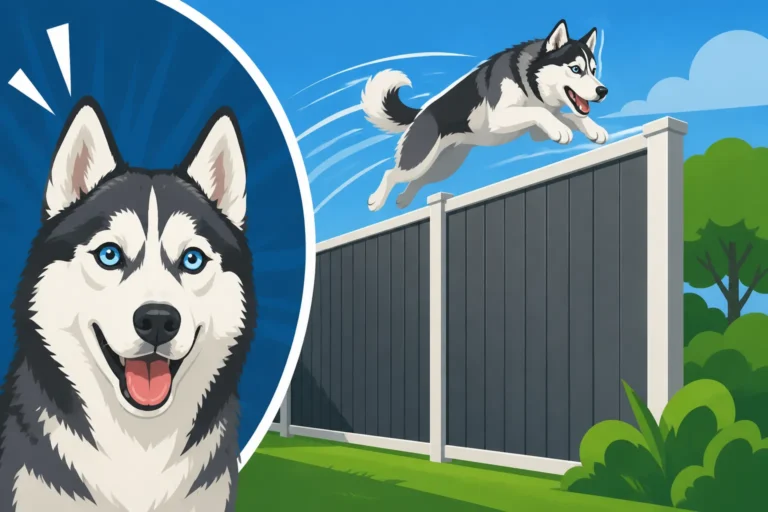
The Siberian Husky's reputation as an escape artist isn't just a stereotype; it's deeply ingrained in their genetics. They were bred to range, to travel vast distances, and to problem-solve. This means they often possess an uncanny ability to find weaknesses in fences, learn how to open latches, or simply climb and dig their way out of what seems like an impenetrable enclosure. A kennel that doesn't fully grasp this inherent drive might underestimate the security measures needed.
We've all heard the stories, or perhaps even lived them: the Husky that scales a six-foot fence like it's a step stool, or digs a tunnel faster than a construction crew. When evaluating a boarding facility, you have to think like a Husky. Look at the gates – are they secure, with latches that require a human hand to operate, not just a paw bump? Are the fences tall enough, ideally solid, or at least constructed in a way that prevents climbing? Some Huskies can even learn how to unlatch spring-loaded hooks with enough patience and curiosity. It's not malice; it's pure, unadulterated Husky ingenuity and the strong desire to explore. This constant drive to roam is something that no amount of training can truly erase, only manage. When left in an unfamiliar environment, this instinct kicks into high gear, making strong containment paramount. Stopping a Siberian Husky From Escaping the Yard is often a full-time job at home, let alone in a kennel.
Vocalizations and Boredom
Another common challenge with boarding Siberian Huskies is their penchant for "talking." They howl, they yodel, they grumble, and they have an impressive array of other vocalizations that are often endearing at home but can be disruptive in a kennel setting. This vocal tendency is particularly pronounced when they are bored, lonely, or feeling anxious. A kennel that is not accustomed to this might find the noise level challenging or even penalize your dog for being "too loud."
A Husky left alone in a run with nothing to do will often resort to expressing themselves vocally. It’s their way of communicating their frustration or boredom. If other dogs are barking, a Husky might join in, creating a cacophony that can be stressful for everyone involved. Some facilities, especially those with many dogs, might try to quiet a howling Husky with methods that aren't ideal, or they might simply keep them isolated, which exacerbates the loneliness. Understanding Why Your Siberian Husky Howls and Talks is key to recognizing why they might be extra vocal in a new, unfamiliar setting. The lack of mental stimulation can be just as detrimental as a lack of physical exercise. A Husky's mind needs to be engaged; otherwise, they’ll create their own "entertainment," which often isn't conducive to a calm kennel environment.
Essential Features of a Husky-Friendly Boarding Facility
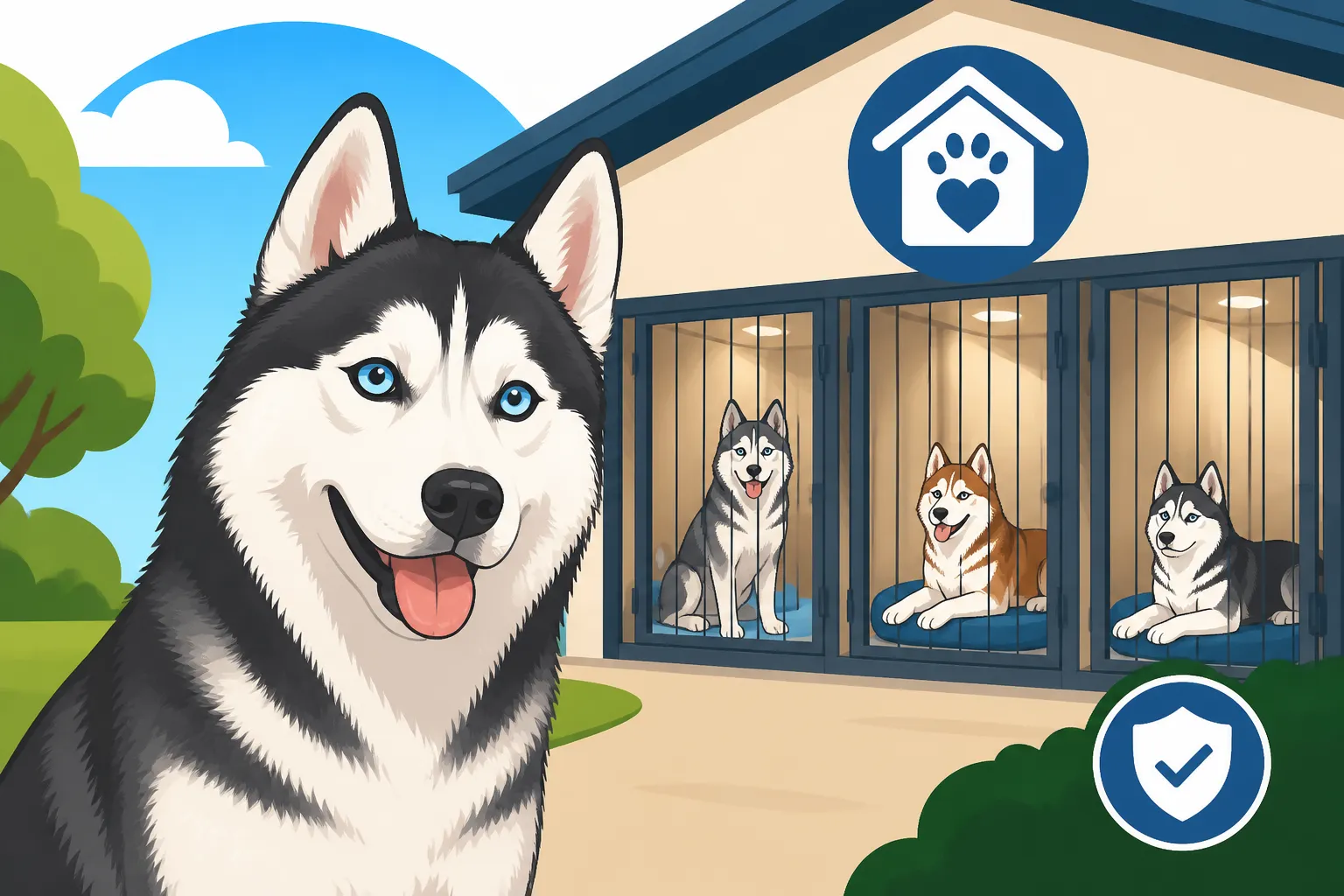
So, what does a truly Husky-friendly boarding facility look like? It's more than just a place with kennels; it's an environment designed with their specific breed traits in mind, providing both physical security and mental enrichment. When you're searching, you need to be an advocate for your Husky, asking detailed questions and inspecting the premises with a critical eye.
Don't be shy about touring facilities and asking for references. A good kennel will be transparent and proud of its operations. Think about the layout, the staff-to-dog ratio, and the daily schedule. Does it sound like a place where your Husky wouldn't just survive, but actually thrive? Look for places that specialize in active breeds or have specific protocols for high-energy dogs. This often indicates a deeper understanding of what makes a Husky tick.
Secure and Spacious Exercise Areas
This is non-negotiable for a Siberian Husky. Any outdoor exercise area must have tall, secure fencing – and we're talking serious fencing. A The Six-Foot Fence a Siberian Husky Needs is often just the starting point; some facilities go even higher or incorporate "coyote rollers" or similar anti-climb devices. Crucially, look for fences that extend underground or have an "L-footer" system to prevent digging escapes. Huskies are notorious diggers, and a simple fence sunk a few inches into the ground is no match for their determined paws.
Beyond security, the space itself matters. Huskies need room to run, play, and burn off energy. Small concrete runs simply won't cut it for extended stays. Look for large, supervised play yards, ideally with varied terrain or some form of enrichment like sturdy climbing structures or large toys. Ask about the frequency and duration of outdoor playtime. Is it individual or group play? If it's group play, how are dogs screened for temperament, especially given a Husky's strong Siberian Huskies With Other Dogs tendencies? Knowing they have ample, safe space to stretch their legs and get some proper exercise is perhaps the biggest peace of mind a Husky owner can get when boarding.
Staff Experienced with Northern Breeds
This is perhaps the single most important factor. A staff member who understands the unique temperament of a Northern breed like a Siberian Husky is invaluable. They know that a Husky's independence isn't stubbornness, and their vocalizations aren't always a sign of distress, but often just "talking." They'll also be acutely aware of the Husky's prey drive and escape tendencies, ensuring extra vigilance.
Ask the kennel director about their staff's experience. Have they personally owned Huskies or other Northern breeds? Do they regularly board them? What are their protocols for managing high-energy dogs or those with a strong prey drive? An experienced staff will know how to engage a Husky, providing mental stimulation through games or training exercises, rather than just letting them sit. They'll also be better equipped to spot signs of stress or impending escape attempts. You want staff who appreciate the quirks of the breed, rather than being frustrated by them. A knowledgeable staff member can make all the difference, providing the specific attention and understanding your Training an Independent Siberian Husky might require.
Mental and Physical Enrichment Programs
For a breed as intelligent and active as the Siberian Husky, physical exercise alone isn't enough; they need mental stimulation to truly be content. A top-notch boarding facility will offer various enrichment activities beyond just letting dogs out into a yard. This could include structured playtimes, puzzle toys, sniff walks, or even basic obedience refreshers.
Some kennels offer add-on services like "adventure walks," one-on-one play sessions, or even basic training refreshers. These can be particularly beneficial for a Husky, keeping their minds engaged and preventing boredom-induced behaviors like excessive howling or destructive chewing. Imagine your Husky enjoying a good brain game with a staff member, or getting to explore new scents on a supervised trail walk. This kind of thoughtful engagement is a world away from simply being confined. Consider sending your Husky with a favorite puzzle toy or a durable chew from Chewy to keep them occupied during downtime. Facilities that understand the importance of enrichment often see fewer behavioral issues and happier dogs.
Exploring Alternative Boarding Options for Your Siberian Husky
While traditional kennels might be the first thing that comes to mind, they're certainly not the only option for your Siberian Husky. Given their unique needs, exploring alternatives can often lead to a more comfortable and less stressful experience for your dog. These options might require a bit more legwork to find the right fit, but the peace of mind they offer can be priceless.
Many Husky owners, having faced frustrating experiences with conventional boarding, gravitate towards more personalized care. This is especially true if your Husky has specific dietary needs, perhaps eating a fresh food diet like Ollie, or requires regular medication. The more individualized the care, the easier it is to maintain their routine and address any special requirements.
In-Home Pet Sitters and Their Benefits
An in-home pet sitter is often the gold standard for many Husky owners. This option allows your dog to stay in their familiar environment, maintaining their routine, and minimizing stress. A professional pet sitter comes to your home, caring for your Husky (and any other pets) in their own territory. This means no new smells, no strange dogs, and no changes to their sleeping arrangements.
The benefits are numerous: your Husky gets one-on-one attention, their feeding and exercise schedule remains consistent, and they avoid the potential stress of a new place. Plus, your home gets looked after! When hiring an in-home sitter, ensure they have experience with high-energy breeds and understand the specific needs of a Husky, particularly their escape tendencies. Ask for references, check reviews, and conduct a thorough interview. A good sitter will ask about your Husky's routine, personality, and any specific behaviors like their strong Siberian Husky Prey Drive Around Small Animals. They should be prepared for their significant energy levels and ideally, have a good grasp of positive reinforcement training techniques.
Boarding with a Professional Trainer or Enthusiast
Another excellent alternative is seeking out professional dog trainers, behaviorists, or even experienced Husky enthusiasts who offer in-home boarding services. These individuals often run smaller, more intimate operations from their own homes, taking in only a few dogs at a time. The significant advantage here is that they often have a deep understanding of dog behavior, especially for working breeds.
A trainer or enthusiast who genuinely understands Northern breeds will be much better equipped to manage a Husky's energy, independence, and vocal nature. They'll likely have secure yards, know how to provide appropriate exercise, and understand the importance of mental stimulation. They might even be able to reinforce some of your training cues or provide specialized care for specific needs, such as ensuring your dog receives their zinc supplements if they suffer from Zinc-Responsive Dermatosis in the Siberian Husky. This type of setting offers a more structured and informed environment than a typical large-scale kennel. It's like having a knowledgeable relative care for your dog, someone who truly "gets" Huskies.
Preparing Your Siberian Husky for a Smooth Boarding Stay
Even with the perfect boarding facility or pet sitter, preparing your Siberian Husky for their stay is crucial for a smooth transition. Huskies, like many dogs, thrive on routine and can be sensitive to changes. A little preparation can go a long way in reducing stress and ensuring they settle in quickly.
Think of it as setting your Husky up for success. Just like you'd prepare a child for a new school or a vacation, taking deliberate steps to ease your dog into the boarding experience can make a world of difference. This isn't just about their comfort; it's also about preventing behavioral issues that arise from anxiety or uncertainty.
The Importance of a Trial Stay
One of the best things you can do to prepare your Siberian Husky for an extended boarding stay is to arrange a shorter, trial stay. This could be a few hours of daycare or an overnight stay a week or two before your main trip. A trial run allows your Husky to become familiar with the new environment, the staff, and the routine without the added stress of a long separation.
For you, the owner, it's also a fantastic opportunity to observe how the facility handles your dog and to get feedback from the staff. Did your Husky eat well? Did they participate in playgroups? Were there any escape attempts or excessive vocalizations? This "test drive" helps build confidence in both you and your dog. If your Husky has struggled with Siberian Husky Separation Behavior in the past, a trial stay can be particularly valuable, helping them build positive associations with the boarding environment. It also lets the staff get to know your Husky's individual personality and needs, setting the stage for a much calmer and happier longer stay.
Packing the Essentials and Your Husky's Routine
When it's time for the actual boarding stay, send your Husky with a carefully packed bag of essentials. This includes their regular food – don't assume the kennel will have it, and sudden diet changes can cause stomach upset. If your Husky eats a specialized diet, like from Ollie, ensure the kennel is fully aware of the preparation instructions. Also, include any medications, clearly labeled with dosage and administration times.
Beyond food and meds, pack familiar comfort items. A favorite blanket, a worn t-shirt with your scent, or a beloved, indestructible toy (like something durable from Chewy) can provide immense comfort in a new place. Provide the kennel with a detailed schedule of your Husky's day, including feeding times, exercise routines, favorite games, and any quirks they might have. Do they prefer to play alone or with certain types of dogs? Do they get overly excited around specific toys? The more information you provide, the better equipped the staff will be to make your Husky feel at home. It’s also wise to ensure your pet insurance, such as Healthy Paws, is up to date, just in case any unforeseen health issues arise during their stay. This kind of preparation significantly reduces the guesswork for the boarding staff and ensures your Husky's routine is maintained as much as possible.
A Boarding Kennel Checklist for Your Siberian Husky
To help you evaluate potential boarding facilities, here's a handy checklist focusing on Husky-specific needs:
| Feature | Ideal for Huskies | Why It Matters |
|---|---|---|
| Fence Height & Security | Minimum 6-8 feet, solid construction, L-footers, no climbable elements. Secure latches. | Prevents escape attempts (climbing, digging, gate opening). |
| Exercise Space & Frequency | Large, secure yards; multiple daily play sessions (3-4x/day, 30+ min each). | Crucial for burning off high energy and preventing boredom. |
| Staff Experience | Demonstrated experience with Northern breeds (Huskies, Malamutes, etc.). | Understanding of independence, vocalizations, prey drive, and energy levels. |
| Mental Enrichment | Puzzle toys, individual play, sniff walks, basic training refreshers. | Keeps intelligent Husky minds engaged, prevents destructive behaviors. |
| Temperament Screening | Thorough process for group play; separate play areas for different temperaments. | Ensures safe interactions and prevents conflicts, especially with prey drive. |
| Noise Management | Understanding of Husky vocalizations; strategies to manage, not punish. | Huskies are vocal; facilities should tolerate and manage howling, not isolate for it. |
| Climate Control | Air conditioning in summer, heated areas in winter, ample shade. | Prevents overheating in warmer climates; comfort in colder temps. |
| Communication | Daily updates (photos/videos), prompt responses to inquiries. | Peace of mind for owners; allows you to see how your Husky is adapting. |
| Emergency Plan | Clear veterinary emergency protocol, nearby vet access. | Essential for any unforeseen health issues. |
| Food & Medication Handling | Ability to follow specific feeding instructions and administer meds. | Important for maintaining diet (e.g., Ollie) and health. |
| Trial Stay Option | Offered and encouraged for new dogs. | Helps Husky acclimatize and reduces stress for the main stay. |
This table should give you a clear framework for what to prioritize when seeking out the best temporary home for your unique and wonderful Siberian Husky.
Disclaimer
This article is for general informational purposes only and does not constitute professional advice. Laws, prices and regulations vary by location and change over time. Consult a qualified professional for guidance on your specific situation.