Why Your Siberian Husky Howls and Talks
One of the most common things Siberian Husky owners struggle with, and often find endearing at the same time, is just how much their dogs talk. It’s not just a bark here or there; it’s a full-on conversational exchange of howls, "woo-woos," grumbles, and even those dramatic screams that can make you wonder if your dog is part opera singer. This guide will delve deep into why your Husky is so vocal, what their different sounds mean, and how you can manage or even appreciate their unique brand of communication.
The Ancestral Echo: Why Huskies Are So Vocal
Siberian Huskies are not your average quiet companion. Their vocalizations are deeply rooted in their history and genetics, a direct link back to their ancestors and the environment in which they evolved. Understanding this background is key to appreciating (and sometimes tolerating) their talkative nature.
The Wolf-Like Howl: A Call to the Pack
When you hear your Husky let out a long, soulful howl, you're hearing an echo of the wild. Huskies are one of the breeds most genetically similar to wolves, and howling is a primary form of communication among canids in the wild. It’s not just a random noise; it's a sophisticated way to connect. In wolf packs, howling serves multiple purposes: rallying the pack, announcing their presence to other packs, or even expressing excitement or distress.
For your Siberian Husky, this instinct is still very much alive. They might howl to announce their presence to you when you come home, or to "check in" with other dogs in the neighborhood, even if those dogs are miles away. It's a fundamental part of their social structure, and while your living room isn't the vast Siberian tundra, their instincts haven't quite gotten the memo. It’s a deep-seated, genetic imperative that they use to maintain connection, even if their "pack" is just you and your family.
Communication in the Wild: More Than Just Barking
Unlike many other breeds developed for guarding or hunting close to humans, Siberian Huskies were bred by the Chukchi people for endurance sledding, working in teams, often semi-feral and with less direct human intervention in their communication styles. This means they rely less on barking, which is often a territorial or warning signal, and more on a diverse range of sounds to convey complex messages within their group. Barking, for a Husky, is often a secondary form of communication, used perhaps when startled or genuinely alarmed, rather than for everyday chatter.
Their ancestral environment required clear, long-distance communication without necessarily drawing attention to a fixed location. A howl carries much further than a bark in an open, snowy landscape. This historical context explains why they possess such a wide vocal repertoire beyond just a simple "woof." They communicate states of mind, desires, and warnings with an impressive array of tones and volumes, creating a dynamic soundscape in any home they inhabit. They truly have a unique way of expressing themselves, which is fascinating to observe once you start paying attention.
Howling as a Form of Expression
Beyond ancestral calls, howling is a deeply personal form of expression for individual Huskies. It can be a direct response to emotional states or external stimuli. A sudden siren wailing down the street might trigger a chorus of howls from your Husky, not because they are in distress, but because the sound frequency resonates with their natural vocal range, essentially inviting them to join in. It's like a doggy sing-along.
They might howl out of excitement, such as when you’re preparing for a walk or a game of fetch. This isn't usually a frantic, distressed howl, but a joyous, anticipatory one, often accompanied by happy body language. Conversely, a Husky left alone for too long might howl out of loneliness or boredom, a common symptom of Siberian Husky Separation Behavior. This type of vocalization often comes with other signs of distress, such as destructive chewing or pacing. Understanding the context – when and why they howl – can help you decipher what they're trying to tell you, turning what might seem like random noise into meaningful communication.
Decoding the Husky's "Talking": Beyond the Howl
While the howl is iconic, Siberian Huskies offer a symphony of sounds that can be both bewildering and charming. They don't just howl; they actively talk to you, using a remarkable range of vocalizations that express their feelings and desires.
The Husky "Woo-Woo": A Greeting or a Demand?
Perhaps the most endearing of all Husky sounds is the "woo-woo" or "arooo." It’s a soft, drawn-out sound that usually signals a friendly greeting or an attempt to engage. When you walk through the door after a long day, your Husky might greet you with a happy "woo-woo" while wiggling their whole body, a clear sign of joy and welcome. They're essentially saying, "I'm so glad you're home, human!"
However, the "woo-woo" can quickly turn into a demand if you're not careful. If your Husky learns that a gentle "woo-woo" gets them attention, a treat, or a walk, they'll use it to their advantage. It can evolve into a persistent, insistent request, sometimes escalating in volume until their demands are met. Imagine you’re trying to enjoy a quiet cup of coffee, and your Husky starts with a polite little "woo," then when ignored, transitions to a louder, more emphatic series of "woo-woos," looking you right in the eye. They are intelligent and quickly learn how to manipulate us with their charming vocalizations. This is where the line between cute communication and a budding behavioral issue can become blurry.
Grumbles, Groans, and Mumbles: Conversational Cues
Beyond the loud howls and "woo-woos," Huskies are masters of subtle, low-volume vocalizations that make it feel like they're having a full conversation with themselves, or indeed, with you. You'll hear grumbles when they're settling into a cozy spot, soft groans of contentment after a big meal, or quiet mumbles as they watch the world go by from a window. These are often signs of comfort and relaxation, their way of narrating their inner peace.
They also use these sounds as conversational cues. If you're talking to your Husky, you might notice them making soft "hmph" noises, little grunts, or even a soft whine in response to your tone or questions. It's as if they're actively participating in the conversation, offering their own commentary. This "talking back" is a classic Husky trait, showcasing their independent yet communicative nature. Siberian Husky Talking Back During Training is a common scenario, where they might offer a grumble in lieu of an immediate response, especially if they're not fully convinced your command is worth their effort! They're highly intelligent and opinionated, and their array of grumbles certainly communicates that.
The Infamous Husky Scream: What It Means
Then there's the Siberian Husky scream. If you've never heard it, consider yourself lucky. It's a high-pitched, often ear-splitting shriek that can sound like a cat being tortured or a child throwing a tantrum. It’s usually deployed for maximum dramatic effect, often when they are extremely frustrated, displeased, or demanding immediate attention. This isn't a howl of longing; it's a direct, urgent, and often piercing protest.
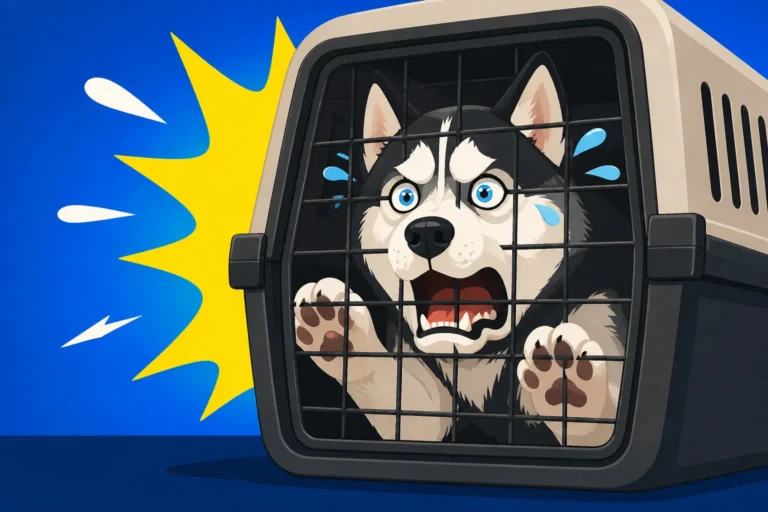
A Husky might scream at the vet's office when getting a nail trim they despise, or in the car if they feel trapped and aren't getting what they want. It’s their ultimate "I am not happy about this!" declaration. The key to understanding the scream is recognizing the context. Is your Husky throwing a fit because you stopped petting them? Are they protesting being left alone in their crate? The Siberian Husky Scream and What Sets It Off is usually a sign of intense, momentary displeasure or an attempt to get a strong reaction from you. While it can be alarming and certainly annoying, it's rarely a sign of aggression. More often, it's pure, unadulterated drama from a breed that has a flair for the theatrical.
Environmental Triggers for Husky Vocalizations
It’s not just internal desires or ancestral instincts that set off a Husky’s vocal cords. Their environment plays a huge role, providing a constant stream of stimuli that can prompt anything from a mournful howl to a frantic "woo-woo."
Howling at Sirens and High-Pitched Sounds
Have you ever noticed that as soon as a police siren wails down the street, your Husky joins in with their own operatic rendition? Or maybe it's a fire truck, an ambulance, or even a distant ice cream truck jingle. This is a very common trigger for Huskies, and it's less about distress and more about natural resonance. The specific frequencies of sirens often mimic the pitches and tones of a wolf's howl.
For your Husky, it’s like hearing another member of the pack call out, and their instinct is to respond in kind. They’re not scared; they’re joining the choir! It’s an innate response, an involuntary connection to a sound that triggers their ancient vocal programming. This can be quite charming in small doses, but if you live in a busy urban area with frequent sirens, it can become a noisy reality you need to manage. This isn't something you can easily train out of them, as it's such a deep-seated, instinctual reaction to specific sound waves.
Reacting to Other Dogs' Barks and Howls
Just as they respond to sirens, Huskies are highly attuned to the vocalizations of other dogs. If a dog in a neighboring yard starts barking, or if you take your Husky to a dog park where there's a cacophony of canine chatter, your Husky is likely to chime in. This isn't always aggressive; it's often a form of social communication, a way of saying "I hear you!" or "I'm here too!" to other canines.
They might howl in response to another dog's howl, initiating a call-and-response session across the neighborhood. Or, if another dog is barking excitedly or agitatedly, your Husky might join with their own unique blend of vocalizations – a mix of "woo-woos," grumbles, and even barks if they're particularly stimulated. This can sometimes be challenging in multi-dog households or densely populated areas, as one dog’s vocalization can easily set off a chain reaction. Managing this often involves controlling exposure or redirecting their attention before they have a chance to engage in a full-blown conversation with the unseen canine chorus.
The Impact of Boredom and Loneliness
One of the most common and challenging triggers for excessive Husky vocalization is boredom and loneliness. Siberian Huskies are highly intelligent, energetic dogs that thrive on companionship and activity. If they are left alone for extended periods without adequate physical and mental stimulation, they can become incredibly destructive and vocal. A bored Husky will often resort to howling or "talking" as a way to express their frustration, anxiety, and unhappiness. This often manifests as Siberian Husky Destruction When Left Alone, where howling might be accompanied by chewing furniture, scratching doors, or otherwise creating chaos.
They're not doing it to be malicious; they’re simply trying to cope with an unbearable situation for a dog of their nature. This type of vocalization is distinct from a greeting howl or a siren response; it's often more mournful, persistent, and can escalate into full-blown separation anxiety. Addressing this requires a comprehensive approach, focusing on increasing exercise, providing mental enrichment (like puzzle toys from Amazon), and ensuring they don't feel isolated for too long. Leaving a Husky alone in a yard for hours is a recipe for disaster and can lead to relentless howling that will certainly bother your neighbors.
Howling and Talking as Attention-Seeking Behavior
While some vocalizations are instinctual or triggered by the environment, many Husky sounds are learned behaviors, specifically deployed to get a reaction from their human companions. Huskies are incredibly smart and quickly figure out what works to get your attention, whether positive or negative.
When Your Husky Demands Your Focus
Huskies, with their captivating eyes and dramatic flair, are often adept at demanding attention. If they learn that a particular sound – a whine, a grumble, a "woo-woo," or even a full-blown scream – results in you looking at them, talking to them, or giving them what they want, they will absolutely use it. This can start innocently enough: a small "arooo" when you're busy, and you respond with a pet or a treat. They quickly connect the sound with the reward.
Soon, that small sound escalates. They might "talk" to you while you're on the phone, trying to eat dinner, or simply relaxing. They might paw at you and then vocalize, or stand in front of you and let out an insistent series of "talking" noises. It’s their way of saying, "Hey! My needs are important, and you should be paying attention to me!" This isn't usually malicious, but rather a direct result of their intelligence and their desire for interaction. They crave your presence and engagement, and they're not shy about using their vocal talents to make sure they get it.
The Cycle of Reinforcement: Why It Continues
The biggest reason attention-seeking vocalizations persist and often escalate is accidental reinforcement. Every time you give in to the "talking" – even if it's just to tell them to be quiet, or to push them away – you are, in their minds, reinforcing the behavior. They got your attention, and that's the primary reward. The cycle looks something like this:
- Husky vocalizes: They make a sound to get your attention.
- Owner responds: You look, talk, or interact in some way (even negative attention is attention).
- Husky learns: "Aha! That sound works! I got what I wanted."
- Behavior repeats and escalates: The next time, they might vocalize louder or longer because it worked before.
Breaking this cycle requires consistency and a strong will. It means actively ignoring the attention-seeking vocalizations. This can be incredibly difficult, especially when the "talking" turns into a piercing scream or a relentless barrage of "woo-woos." However, any reaction, even a sigh or a glance, can inadvertently tell your Husky that their strategy is successful.
Managing Attention-Seeking Vocalizations
The most effective way to manage attention-seeking vocalizations is to stop reinforcing them. This means:
- Ignore the vocalization completely: Turn your back, walk away, or leave the room if necessary. Do not make eye contact, speak, or touch your dog while they are being vocal to get your attention. This period of extinction can be tough, as they might escalate their vocalizations at first (an "extinction burst") because they're trying harder to get the previously successful reaction.
- Reward quiet behavior: As soon as they are quiet for even a second, then you can offer praise, a treat, or attention. The goal is to teach them that quiet gets rewarded, not noise.
- Proactive attention: Don't wait for your Husky to demand attention. Schedule regular play sessions, training, and cuddles. If their needs for interaction are consistently met on your terms, they'll have less reason to demand it vocally.
- Provide appropriate outlets: Make sure your Husky is getting enough exercise and mental stimulation throughout the day. A tired Husky is often a quiet Husky. Remember, How Much Exercise a Siberian Husky Really Needs is significant; a short walk often isn't enough to satisfy their physical and mental demands.
This approach takes patience, but it's crucial for teaching your Husky more appropriate ways to communicate their needs.
Addressing Excessive Howling and Talking in Your Siberian Husky
While some Husky vocalizations are charming, excessive or inappropriate howling and talking can become a significant challenge for owners and neighbors alike. Thankfully, there are strategies you can employ to manage and reduce these behaviors.
Enriching Your Husky's Environment
A stimulated Husky is often a quieter Husky. Addressing boredom and unmet energy needs is foundational to reducing unwanted vocalizations.
- Physical Exercise: Huskies were bred to run for miles. Daily, vigorous exercise is non-negotiable. This isn't just a leisurely walk around the block. Think long runs, bikejoring, canicross, or even just intense fetch sessions in a secure area. Two good runs a day are often ideal, but adjust to your dog's age and fitness level. Remember to monitor your Husky for signs of overheating, especially in warmer climates.
- Mental Stimulation: Their minds are just as active as their bodies. Engage them with puzzle feeders, chew toys, and interactive games. Toys from Amazon like KONGs stuffed with peanut butter or other treats can keep them occupied for extended periods. Learning new tricks, even simple ones, provides mental exercise. Consider enrolling in an online puppy course like BAXTER & Bella which offers structured training programs and helps with engagement. This kind of mental workout is just as important as physical exertion.
- Social Interaction: Huskies thrive on companionship. If you work long hours, consider a dog walker, doggy daycare, or even a second, well-matched dog (though be prepared for Whether a Second Husky Settles the First One and the potential for double the vocalizations!). Loneliness is a huge trigger for a noisy Husky.
By ensuring your Husky is tired, both physically and mentally, you'll reduce the likelihood of boredom-induced vocalizations.
Training for Quieter Communication
Training plays a vital role in shaping your Husky’s vocal habits. It's about teaching them when it's appropriate to make noise and when it's time to be quiet.
- The "Quiet" Command: This is perhaps the most crucial command for a vocal Husky.
- Trigger the vocalization: Encourage a howl or bark (e.g., ring the doorbell, play a siren sound on your phone, or have a friend approach the door).
- Say "Quiet": As soon as they start making noise, clearly say "Quiet."
- Reward silence: The instant they stop, even for a split second, praise them enthusiastically and give a high-value treat.
- Increase duration: Gradually increase the amount of time they need to be quiet before they receive the reward.
- Practice in different scenarios: Once they grasp it, practice in various environments with different triggers.
- Doorbell Training: If your Husky barks or howls excessively at the doorbell, teach them a specific place to go (like a mat or crate) when the doorbell rings. Reward them for going to their spot and staying quiet while the door is opened.
- Managing Siren Response: While you can't stop the instinct, you can often interrupt it. When a siren starts, immediately distract your Husky with a high-value treat or a favorite toy. Engage them in a short training session (e.g., "sit," "stay," "paw") until the siren passes. This redirects their focus away from joining the siren chorus.
- Discouraging Attention-Seeking: As mentioned before, consistent ignoring of unwanted vocalizations, followed by rewarding quiet behavior, is key. Never punish howling or talking with scolding or physical means, as this can create fear, damage your bond, and make the problem worse. Instead, focus on positive reinforcement for the desired behavior. You can learn more about this by reading Whether a Husky Can Be Taught to Stop Howling.
Seeking Professional Help for Persistent Issues
If you've tried all the environmental enrichment and training techniques and your Husky's vocalizations are still excessive or causing significant distress (for you or your neighbors), it might be time to bring in a professional.
- Certified Professional Dog Trainer (CPDT-KA): A good trainer can observe your Husky in their home environment, identify specific triggers, and help you develop a tailored training plan. They can provide hands-on guidance for teaching the "quiet" command and managing attention-seeking behaviors. Look for trainers who have experience with Nordic breeds, as their unique temperament requires a specific approach.
- Veterinary Behaviorist (Dip ACVB): If the vocalizations are severe, accompanied by other anxiety behaviors (like excessive panting, pacing, destruction, or inappropriate elimination), it might indicate a more serious behavioral issue like separation anxiety. A veterinary behaviorist is a veterinarian with specialized training in animal behavior. They can diagnose underlying medical or behavioral conditions and, if necessary, prescribe medication in conjunction with a behavior modification plan. This is a crucial step if your Husky's howling is causing significant distress when you leave, as explored in A Siberian Husky That Howls When You Leave.
- Neighbor Relations: Sometimes, simply communicating with your neighbors can help. Let them know you are actively working on the issue and appreciate their patience. You might even consider options like Soundproofing an Apartment for a Siberian Husky if you live in close quarters and the noise is a constant concern.
The Joy and Challenge of Living With a Vocal Husky
Owning a Siberian Husky is a unique experience, and their vocal nature is undeniably a huge part of their charm. While it presents its challenges, there’s also immense joy in understanding and connecting with such a communicative animal.
Embracing the Husky Personality
Part of being a Husky owner is accepting their distinct personality, which includes their talkativeness. They are not quiet dogs; they are expressive, opinionated, and often dramatic. When you bring a Husky into your life, you're signing up for conversations, playful arguments, and a dog who will never let you forget they're there. Many Husky owners find their dog’s "talking" to be one of their most endearing qualities, fostering a deep, conversational bond.
Instead of fighting against their nature, learn to appreciate the nuances of their sounds. Can you tell the difference between their "I'm happy you're home" woo-woo and their "I need to go potty right now" whine? Can you recognize the protest of a forgotten treat versus the contented grumble of a full belly? Understanding their unique language deepens your connection and allows you to respond more effectively to their needs. This acceptance is key to truly enjoying life with a Siberian Husky.
Setting Realistic Expectations
Before you even bring a Husky home, it's vital to have realistic expectations about their vocal nature. If you're looking for a silent, demure companion, a Husky is probably not the right fit. They are not bred to be quiet guard dogs; they are active, social, and inherently vocal animals. Why Your Siberian Husky Howls and Talks is not a flaw; it's a feature of the breed.
Acknowledge that there will be noise. Your neighbors might hear them. You might have to explain their dramatic protests to visitors. While training can certainly reduce excessive and inappropriate vocalizations, it will likely never eliminate them entirely. Huskies are going to howl at sirens, they're going to "talk back" when they're excited, and they might even throw in an occasional scream for good measure. Being prepared for this reality will save you a lot of frustration and allow you to appreciate their unique form of communication rather than constantly trying to silence it.
Building a Stronger Bond Through Understanding
Ultimately, deciphering your Siberian Husky’s vocalizations is a journey of understanding and bonding. Each howl, each grumble, each "woo-woo" is a piece of information they are trying to share with you. By paying attention to the context, their body language, and your own responses, you can learn to speak their language and, in turn, teach them to communicate in ways that are more harmonious with your household.
Your Husky's vocalizations are an expression of their vibrant personality, their deep-seated instincts, and their desire to connect with you. Instead of seeing it as merely "noise," view it as a window into their world, an opportunity to engage with them on a deeper, more meaningful level. Acknowledging and working with their natural tendencies, rather than against them, will foster a happier, stronger relationship built on mutual respect and understanding, and perhaps, a lot of entertaining conversation.
| Vocalization Type | Common Meaning | Typical Triggers | Management/Response |
|---|---|---|---|
| Howl | Pack call, excitement, loneliness, response to other sounds | Sirens, other dogs, being left alone, anticipation (walks, food) | Redirect attention, consistent ignoring if attention-seeking, ensure exercise/enrichment |
| "Woo-Woo" | Greeting, playful invitation, demand for attention | Owner's return, desire for play/attention, curiosity | Reward quiet greeting, ignore demands, proactive attention |
| Grumble/Mumble | Contentment, mild protest, conversational response | Settling down, being petted, "talking back" during commands | Usually benign, enjoy the conversation; ensure needs are met if protesting |
| Scream/Shriek | Intense frustration, extreme displeasure, dramatic demand | Unwanted handling (vet, grooming), confinement, strong protest | Immediate ignore if attention-seeking; remove trigger if possible, distraction; professional help if severe |
| Bark | Alarm, warning, intense excitement (less common for everyday) | Doorbell, strangers, unexpected movements, high arousal | "Quiet" command training, desensitization to triggers, redirection |
Disclaimer
This article is for general informational purposes only and does not constitute professional advice. Laws, prices and regulations vary by location and change over time. Consult a qualified professional for guidance on your specific situation.