Why Siberian Husky Recall Fails at the Worst Moment
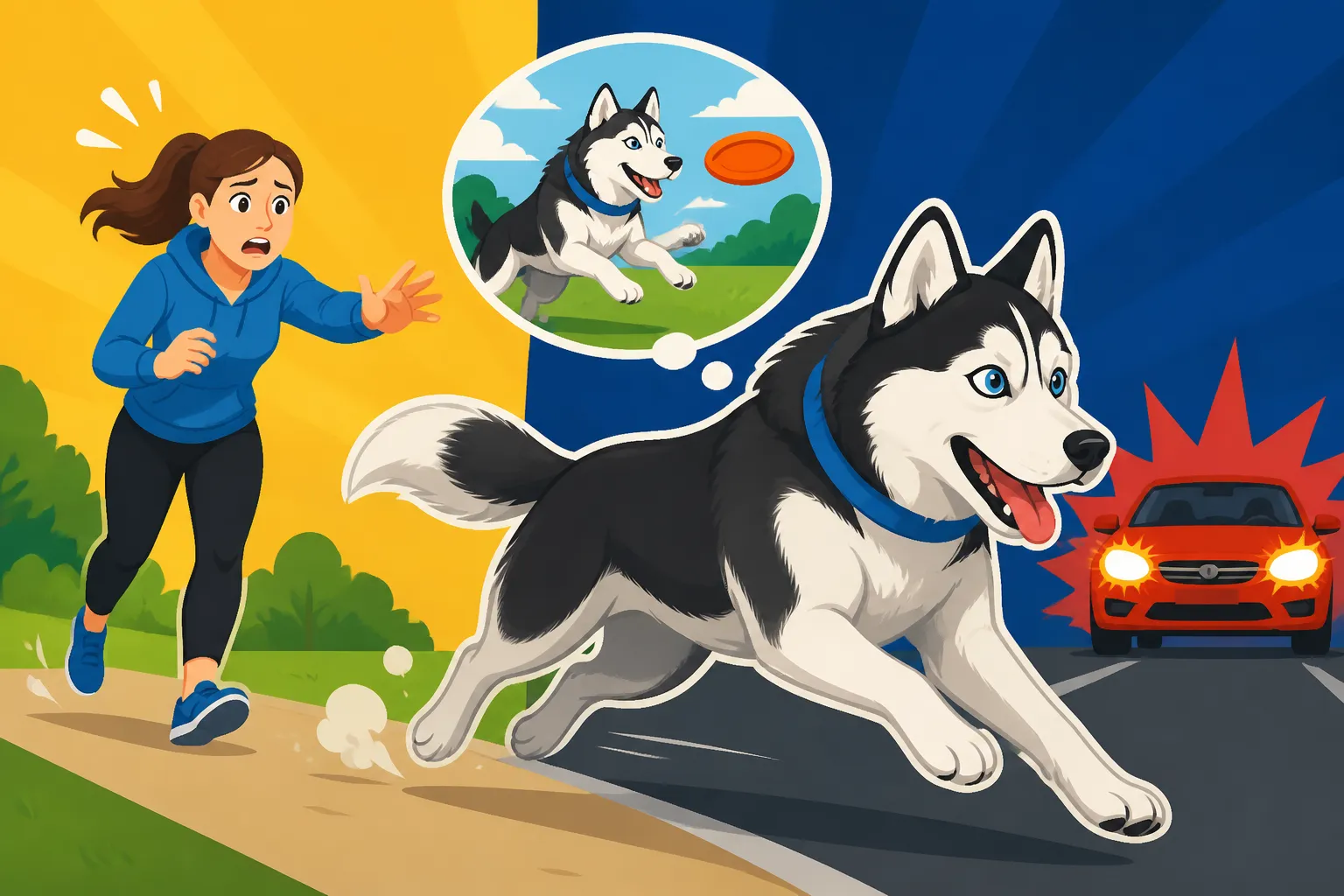
Oh, the infamous Siberian Husky recall! If you've ever watched your beautiful, independent husky gracefully ignore your frantic calls as they bolt across a field, chasing after a distant squirrel or, worse, another dog, you've experienced that heart-stopping moment of pure panic. It's a common frustration that many husky owners face, feeling utterly helpless when their dog decides that the allure of the wild is far more interesting than their human. This guide is here to unravel the mysteries behind why Siberian Husky recall often fails at the worst possible moment and, more importantly, what you can realistically do about it.
The Deep-Rooted Instincts Working Against You
Let's be real: your Siberian Husky isn't being stubborn just to spite you. While it certainly feels that way when they're giving you the cold shoulder mid-chase, their behavior is deeply ingrained in their genetic makeup. These dogs were literally bred for a job that required them to make independent decisions far from their human companions, often covering vast distances in harsh conditions. That inherent independence and drive to roam means they're not naturally inclined to stick close or return on command when something more exciting calls their name.
The Roaming Instinct and Prey Drive
Siberian Huskies have a powerful roaming instinct. Think about their ancestors, the sled dogs of the Chukchi people, pulling sleds over miles of tundra. They weren't tied to a leash; they were out there, moving, exploring. This means that a large, open space, a new smell, or a tantalizing glimpse of wildlife can easily override any command you've ever taught them. The world is a vast, exciting place, and their instincts scream "explore!" far louder than your voice. It’s not a sign of disobedience as much as it is a powerful genetic directive. You can read more about The Roaming Instinct Bred Into Every Siberian Husky to truly understand this urge.
Coupled with that roaming instinct is a very strong prey drive. That squirrel darting across the park, the rabbit hopping through the tall grass, or even a flock of birds taking flight—these aren't just passing distractions for a Husky; they're potential targets that trigger an ancient hunting response. Once that chase instinct kicks in, it's like a switch flips in their brain. The reward of catching or pursuing that prey item is incredibly self-reinforcing, making it exponentially more appealing than any treat you have in your pocket or any word you might utter. This is why Whether Siberian Husky Recall Holds Under Chase is such a critical consideration for owners.
Selective Hearing and Independent Thinking
Many Husky owners affectionately (or exasperatedly) refer to their dogs having "selective hearing." One moment they're right by your side, attentive and sweet, the next they're 100 yards away, utterly deaf to your pleas. This isn't necessarily a hearing problem; it's a manifestation of their independent nature. Unlike breeds that were developed to work with humans in close partnership (like herding dogs or retrievers), Huskies were bred to work for humans, but with a degree of autonomy. They are problem-solvers on the trail, making decisions about footing and direction, and this translates into their everyday behavior. They process your commands, weigh them against the immediate environmental stimuli, and then decide if your request is worth interrupting their current endeavor. Often, it's not, at least in their estimation.
Common Owner Mistakes That Undermine Recall Training
It's easy to blame the dog when recall goes awry, but often, our own approaches to training can inadvertently sabotage our efforts, especially with a breed as unique as the Siberian Husky. Understanding these common pitfalls is the first step toward building a more reliable recall.
Inconsistent Training and Low-Value Rewards
One of the biggest mistakes is inconsistency. If you only practice recall when your Husky is already distracted or if you let them get away with ignoring you sometimes, you're teaching them that "come" is optional. Recall needs to be practiced frequently, in varying environments, and under different levels of distraction. Start in a quiet, fenced area, then gradually increase the challenge.
Another common error is using low-value rewards. A simple "good boy" or a dry kibble might work for some dogs, but for a high-drive Siberian Husky, you need something truly irresistible. Think freeze-dried liver, cheese, hot dogs, or a favorite squeaky toy. The reward must be worth more than whatever distraction is competing for their attention. If your dog is ignoring you to chase a rabbit, your praise isn't going to cut it. Consider a variety of high-value treats available on platforms like Amazon to see what truly motivates your particular husky. Motivating a Siberian Husky That Ignores You requires a strong incentive.
Over-Reliance on Verbal Cues Alone
Many owners rely solely on a verbal "come!" or "here!" But in a busy park or during a high-speed chase, a single word can get lost in the shuffle. Huskies, like many dogs, respond well to body language and consistent cues. Using a hand signal along with your verbal cue can make a huge difference. Furthermore, the tone of your voice matters immensely. If your voice is angry, panicked, or frustrated, your Husky is more likely to associate coming back with something negative, or they might think you're simply excited about whatever they're chasing! Keep your voice upbeat, happy, and encouraging.
Punishing for a Delayed Return
This is perhaps the most damaging mistake of all. Imagine your Husky finally decides to return after a five-minute romp, and you, relieved but also annoyed, scold them or put them straight on the leash and end the fun. What have you just taught them? You've taught them that coming back, even if delayed, leads to punishment or the end of their enjoyable free time. Instead, when your Husky returns, even if it took a while, celebrate! Shower them with praise and high-value treats. You want them to associate coming back with the absolute best thing ever. The actual act of returning, regardless of the time it took, should always be reinforced positively.
Environmental Factors and Safety Considerations
The environment your Husky is in plays a massive role in whether their recall will be successful. Huskies are highly stimulated by their surroundings, and certain factors can make even the most diligently trained recall falter.
High-Distraction Environments
A quiet backyard is one thing; a bustling dog park, a trail with abundant wildlife, or a busy street is another entirely. Huskies are incredibly aware of their environment, and every new smell, sound, or moving object is a potential adventure waiting to happen. In a high-distraction setting, their inherent drive to explore and chase can easily overwhelm their training. This is why Why a Siberian Husky Cannot Be Trusted Off Leash is a mantra for many experienced husky owners. The stakes are simply too high.
Consider the layout of the space. Is it securely fenced? Are there potential escape routes? Is there visible wildlife? Being realistic about these environmental factors can help you make safer choices. A fenced field, perhaps rented through a service like Sniffspot, is an excellent intermediate step for practicing recall in a larger, yet controlled, environment before even thinking about off-leash in an unfenced area.
The Temptation of Freedom and Movement
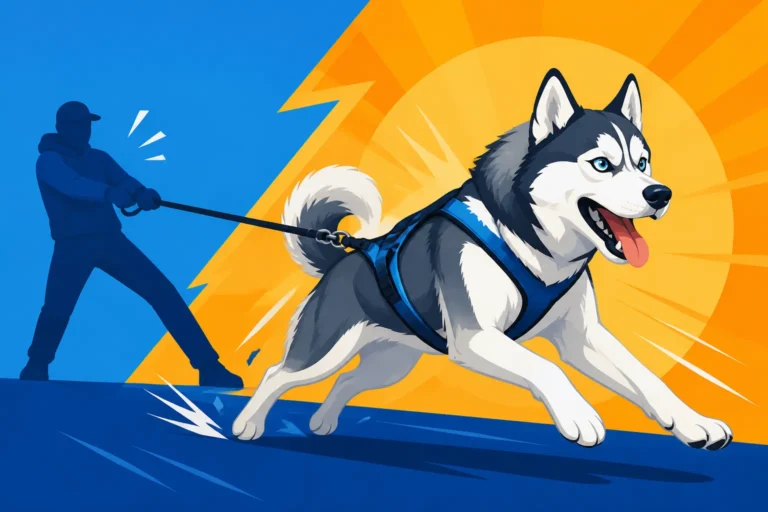
Huskies love to run. It's what they were born to do. When given the opportunity to stretch their legs and really move, that sheer joy of motion becomes an incredibly powerful motivator. Your recall command suddenly competes with the pure exhilaration of a full-speed sprint. They're not being malicious; they're simply following their instincts for what feels inherently good and right to them. This is why a simple walk around the block often isn't enough; they need outlets for that intense energy, often in harness sports where their pulling instinct can be channeled. If you're struggling to meet their exercise needs, it will make recall even harder, as they'll be more inclined to take advantage of any perceived freedom.
Preventing the Need for Recall in Emergencies
Ultimately, the best recall is often the one you never have to use in a crisis. Given the breed's strong instincts, it's crucial to implement preventative measures to ensure your Husky's safety. This means secure fencing (and by secure, we mean six feet tall, with L-footers to prevent digging, and secure latches that a clever husky can't manipulate), never trusting them off-leash in an unfenced or unsecured area, and using appropriate containment, such as a strong crate or a Martingale Collars for a Siberian Husky that prevents slipping, especially when out on walks. Think of recall as an important skill, but not your only safety net.
Strategies to Build a More Reliable Recall (Even for a Husky)
While a 100% bomb-proof recall in all situations might be an elusive dream for a Siberian Husky, you can absolutely build a much stronger, more reliable recall that significantly enhances their safety and your peace of mind. It takes patience, consistency, and a deep understanding of your dog.
Start Strong: Foundation and High-Value Rewards
Begin your recall training in a low-distraction environment, like your living room or a securely fenced yard. Use a unique, exciting recall word—something you don't use often, so it always means "come back to me for something amazing!" Think "Party!" or "Bingo!" instead of just "Come."
Key Steps:
- Enthusiasm is contagious: Get down on their level, use an excited, happy voice, and make yourself irresistible.
- High-value rewards: Every single time they come, reward them with the best treat you have. Think cooked chicken, cheese, or specialized training treats from a pet store.
- Practice frequently, keep it short: Do many short, positive recall sessions throughout the day. Don't wait until they're bored to call them. Call them, reward them, then release them to go play again. This teaches them that coming to you doesn't mean the fun ends.
- Proofing: Gradually introduce distractions. Start with a toy, then a family member, then move to a slightly busier environment, always ensuring you set them up for success. This process is crucial for Teaching a Siberian Husky to Come Back.
The Power of the Long Line
For a Siberian Husky, a long line (15-50 feet) is your best friend. This tool allows you to practice recall in a larger space, giving your Husky the illusion of freedom while you maintain a physical connection and control. It's a fantastic way to bridge the gap between a fenced yard and a fully off-leash situation. You can find excellent long lines on Amazon.
How to use a long line effectively:
- Safety first: Always attach the long line to a well-fitting harness, not their collar, to prevent neck injury if they hit the end of the line.
- Practice your recall word: Let your Husky explore, then call their recall word. If they ignore you, gently reel them in, praising and rewarding them as they approach.
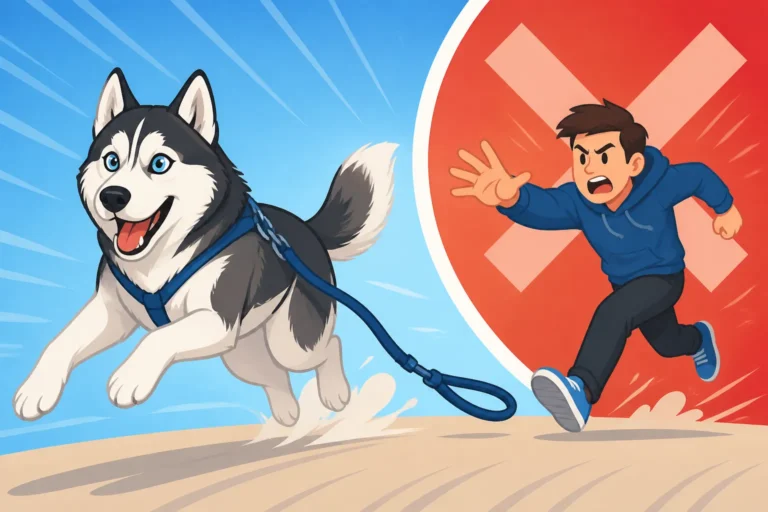
- No chasing: Never chase your Husky down the long line. That just becomes a game of "catch me if you can," and your Husky will win.
- Make it fun: Run away from them, crouch down, make exciting noises. You want them to want to come to you.
- Gradual progression: As they get better, practice around mild distractions, always ready to step on the line if they get too focused on something else. Starting Long Line Work With a Siberian Husky is a game-changer.
Emergency Stop Cues and Reinforcement
Beyond your primary recall, it's incredibly helpful to have an "emergency stop" cue. This is a cue that you only use in truly critical situations, and it should always be followed by the highest possible reward. This could be a unique whistle, a specific word, or a distinct sound.
| Cue Type | Purpose | Training Approach | Example Reward (Must Be High-Value) |
|---|---|---|---|
| Standard Recall | General "come back" for daily interaction. | Frequent, positive reinforcement in varied settings. Use a happy tone. | Cooked chicken, squeaky toy |
| Emergency Stop | Critical, immediate "stop everything and come NOW!" | Only used in real emergencies or very specific, planned high-distraction drills. Always followed by HUGE reward. | Steak bits, spoonful of peanut butter |
Train this emergency cue separately, making it an incredibly powerful, positive association. It should be so valuable that it overrides almost anything else. Never use it lightly, as it will lose its power if overused or associated with negative outcomes. This specific training focuses on getting An Emergency Stop Cue for a Siberian Husky to stick.
Professional Guidance and Online Resources
Sometimes, despite your best efforts, you hit a wall. That's perfectly normal, especially with a breed as intelligent and independent as a Siberian Husky. Don't be afraid to seek professional help. A certified professional dog trainer with experience in working breeds can offer tailored advice and techniques. They can help you identify subtle cues you might be missing and refine your timing and delivery.
Many excellent online training programs can also provide structured lessons. For instance, platforms like BAXTER & Bella offer comprehensive puppy and dog training programs that can be adapted to your Husky's unique needs, often providing step-by-step guidance and community support. These resources can be invaluable for understanding the nuances of Husky behavior and learning proven recall techniques. Remember, continuous learning and adaptation are key to successful training with any dog, but especially with a Siberian Husky.
Practical Tips for Daily Life
- Exercise, exercise, exercise: A tired Husky is a more biddable Husky. Ensure they get ample physical and mental stimulation every day. A quick walk isn't enough; they need to run, sniff, and explore. How Much Exercise a Siberian Husky Really Needs is probably more than you think.
- Mental engagement: Puzzle toys, sniff work, and short training sessions throughout the day can help burn off mental energy and strengthen your bond, making them more attentive to you.
- Consistency from everyone: Ensure every member of the household uses the same recall word and rewards consistently. Mixed signals will only confuse your Husky.
- Never rely on recall near roads: Even the best recall can fail. Keep your Husky leashed near traffic, no matter how tempting it is to let them off.
- Celebrate every return: Whether it's from across the room or across the park, make coming back to you the happiest, most rewarding thing your Husky does all day.
Building a solid recall with a Siberian Husky is a marathon, not a sprint. There will be setbacks, moments of pure frustration, and times when you wonder if they even know their name. But with understanding, patience, high-value rewards, and consistent effort, you can significantly improve your Husky's recall and enjoy a safer, more enriching life together.
Disclaimer
This article is for general informational purposes only and does not constitute professional advice. Laws, prices and regulations vary by location and change over time. Consult a qualified professional for guidance on your specific situation.