Whether Siberian Husky Recall Holds Under Chase
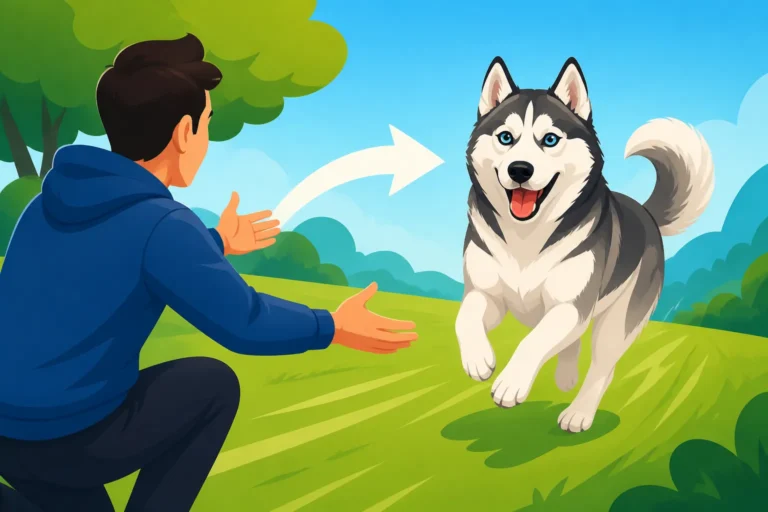
One of the most heart-stopping moments for any Siberian Husky owner is seeing their beloved dog bolt after a squirrel, a deer, or even just another dog, seemingly deaf to their panicked calls. You stand there, shouting their name, hoping against hope that the months of recall practice will kick in, only to watch them disappear over the horizon. It's a frustrating, terrifying reality that many of us face, wondering if a reliable recall, especially when prey drive takes over, is even possible with this breed. This guide is here to realistically explore why a Siberian Husky's recall is such a unique challenge and what practical steps you can take to make your recall as strong as humanly (or huskily) possible.
Understanding the Siberian Husky's Deep-Seated Instincts
Let's be honest, the Siberian Husky isn't like many other breeds when it comes to obedience. They were bred for a very specific job in a very specific environment, and those ancient instincts run deep. Understanding this isn't an excuse for poor training; it's the foundation for effective training that respects who they are.
The Roaming Instinct and Prey Drive
The Siberian Husky was developed by the Chukchi people in Siberia to pull light loads over vast distances in harsh conditions. Their survival depended on their ability to travel, often independently, and to forage for food when necessary. This inherent need to roam and explore, coupled with a strong prey drive, means that anything moving can become an irresistible lure. When you're out walking and a rabbit darts across the path, your Husky isn't thinking about your "come" command; they're hearing the ancestral call to hunt. This isn't naughtiness; it's thousands of years of selective breeding kicking in.
It's a common misconception that if a Husky is well-fed, their prey drive will diminish. The truth is, the drive to chase is often less about hunger and more about the thrill of the pursuit itself. That flash of white tail, the rustle in the bushes, or even the movement of a distant jogger can trigger an immediate, almost automatic response. This makes building a recall that holds under chase incredibly challenging, as you're not just competing with a distraction; you're competing with a deeply ingrained survival mechanism. This is why you'll often hear that Why a Siberian Husky Cannot Be Trusted Off Leash in an unfenced area.
Independence Versus Biddability
Unlike many herding or working breeds designed to work with humans and crave constant direction, Siberians were bred to make decisions independently, sometimes miles ahead of their musher. They needed to navigate terrain and conserve energy, not constantly check in for approval. This independent spirit is part of their charm, but it's also why they can appear "stubborn" or "selective" in their hearing. When you call your Husky, they're not necessarily ignoring you; they're weighing the perceived value of returning against the excitement of whatever has captured their attention.
This isn't to say they can't be trained – far from it! They are intelligent, but their intelligence often manifests in problem-solving how to get what they want, rather than readily offering deference. Building a strong recall with a Husky means creating a positive association so powerful that you become the most exciting, rewarding thing in their environment, even when a prime chase opportunity presents itself. It's an ongoing negotiation, not a simple command-and-obey relationship, and requires a profound understanding of Why a Siberian Husky Never Comes Off the Line in many scenarios.
Why "Under Chase" is a Game Changer for Recall
There's "recall" in the backyard when nothing much is happening, and then there's "recall under chase," which is an entirely different beast for a Siberian Husky. The presence of high-value moving targets transforms the environment and your dog's mental state.
The Thrill of the Hunt
For a Siberian Husky, the act of chasing is incredibly self-reinforcing. Every muscle in their body is screaming "go!" Their senses are hyper-focused on the fleeing object, and the rush of adrenaline is its own reward. This intense internal motivation often outweighs any external reward you might offer, especially if your external rewards aren't compelling enough or delivered consistently enough in less distracting environments. Imagine trying to call a child away from their favorite video game when they're on the verge of winning the final boss battle – it's a similar level of immersion and high-stakes excitement for your Husky.
This "thrill of the hunt" is precisely what makes Siberian Husky Prey Drive Around Small Animals such a critical consideration. It means that simply teaching a "come" in a quiet park isn't sufficient. You need to progressively introduce distractions and make your recall so incredibly rewarding that it consistently overrides this powerful instinct. It requires patience, creativity, and an endless supply of something truly spectacular to offer them when they choose you over the chase.
Auditory Exclusion and Selective Hearing
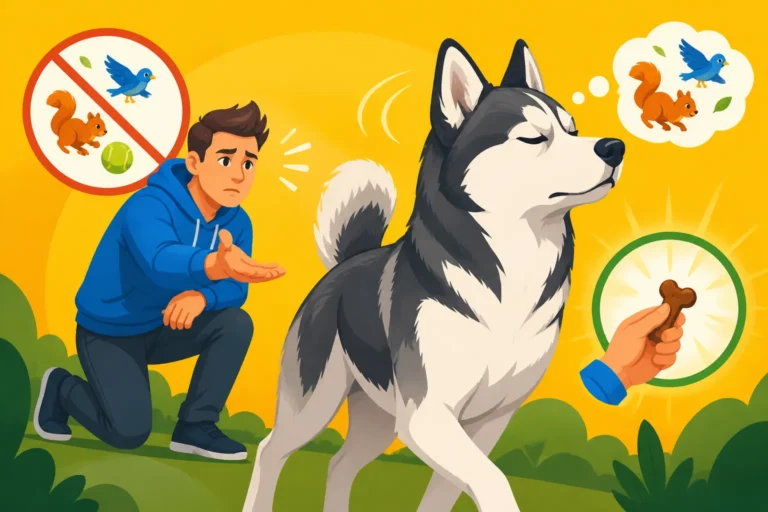
When a Husky is fully engaged in a chase, their brain prioritizes sensory input related to that chase. This often results in what trainers call "auditory exclusion," where they literally don't hear your voice over the internal din of excitement and the external sounds of their pursuit. It's not that they're being deliberately disobedient; it's that their hearing is temporarily shut down to anything not directly related to the prey. This isn't selective hearing in the mischievous sense, but rather a profound focus.
Understanding this phenomenon highlights why calm, repetitive commands might be utterly useless in a high-intensity situation. Your voice simply isn't registering. It's also why volume often doesn't help – you might be yelling, but they're not processing it. Instead, you need to have a recall so ingrained, so practiced, and so deeply associated with massive rewards that it can cut through this tunnel vision, or you need to employ an emergency stop cue that is distinct and startling enough to break their focus.
Realistic Expectations for Siberian Husky Recall
Given these deeply rooted instincts, it's vital for Siberian Husky owners to set realistic expectations for recall, especially in unpredictable outdoor environments. Chasing the dream of a "bulletproof" off-leash recall might lead to frustration and potentially dangerous situations.
The "Bulletproof" Myth
Let's be blunt: a truly "bulletproof" off-leash recall for a Siberian Husky, under any and all circumstances, especially when something triggers their chase instinct, is largely a myth for the vast majority of these dogs. While some individuals may achieve an incredibly high level of reliability through years of dedicated, consistent, high-intensity training, it's rarely a given. It's far more responsible to assume that your Husky will eventually choose an exciting chase over your command, even if they've been fantastic 99 times before. The consequences of that one failure can be dire, from a lost dog to an injured wild animal or even a car accident.
This is a hard truth, but it’s one that countless Husky owners have learned firsthand. Whether a Siberian Husky Comes Back on Its Own is generally a resounding "no" when something exciting presents itself. This isn't a flaw in your dog's character or your training, but a testament to the power of their genetic programming. Instead of striving for mythical perfection, focus on maximizing safety and responsible management.
What a Good Husky Recall Actually Looks Like
So, if "bulletproof" is out, what does a good Husky recall look like? It means a recall that is highly reliable in familiar, low-distraction environments, and increasingly reliable as distractions are slowly and systematically introduced. It means a recall that works when you're hiking on a well-known trail with no visible wildlife, or in a securely fenced dog park with other friendly dogs. It also means having an understanding of your dog's limits and knowing when to use a long line or keep them on a standard leash.
A truly good Husky recall also incorporates proactive management. It means being constantly aware of your surroundings, scanning for potential triggers, and intervening before your dog has the chance to engage in a full-blown chase. It means having multiple layers of safety, such as a well-fitted harness that prevents slipping, a securely leashed long line, and a consistent emergency recall word that is only used for life-or-death situations and always rewarded with the absolute best possible treats. Your goal should be to achieve The Recall a Siberian Husky Will Actually Give You, which is a highly functional, reliable recall that prioritizes safety and careful management.
Strategies to Improve Recall (Even Against Distraction)
Improving your Siberian Husky's recall, especially when distractions are high, isn't about magical commands; it's about building immense value into your presence and systematically practicing in progressively challenging environments.
Building a Foundation of Value
Before you can even think about recall during a chase, you need to make yourself the most valuable thing in your Husky's world. This starts with positive reinforcement from day one, using incredibly high-value rewards for every successful recall. Forget dry kibble; think roasted chicken, cheese, or hot dogs. When your puppy comes to you, it should be like hitting the jackpot. Practice recall frequently throughout the day, in every room of the house, in the yard, always making it a fun, rewarding game. Never punish your Husky when they finally come back, no matter how long it took or how frustrated you are. That will only teach them that coming back equals a negative experience.
Think of it as building a "bank account" of positive experiences around coming to you. Every time they respond and get a fantastic reward, you're making a deposit. The bigger the deposit, the more likely they are to withdraw that positive experience when a huge distraction comes along. BAXTER & Bella, an online puppy school and training resource, often emphasizes this kind of positive, relationship-based training, focusing on making you the center of your dog's universe through fun and rewards. Consistent, daily practice, even just for a few minutes, reinforces this foundational value.
Proofing Recall in High-Distraction Environments
Once your Husky has a reliable recall in low-distraction environments, you need to systematically "proof" it by gradually increasing the challenge. Start in a securely fenced area with mild distractions, like another person walking by. Use a long line so you can always safely reel them in if they don't respond. Over time, introduce more challenging scenarios: a dog walking far away, a person throwing a ball, then perhaps a controlled encounter with a leashed, calm dog. The key is gradual progression and success. Don't set your Husky up to fail. If they ignore you, the distraction is too high, and you need to dial it back.
Remember, every time your Husky chooses to ignore your recall and successfully chases something, that chase becomes a self-rewarding behavior that strengthens the undesired outcome. Using a long line, which you can find easily on Amazon, for these proofing sessions allows them to feel some freedom while ensuring you maintain control and can enforce the recall command physically if needed. Practicing Siberian Husky Recall in a Fenced Field is an excellent way to safely advance this stage of training.
Emergency Stop Cues and Management
Beyond a standard "come" command, every Siberian Husky owner should have an emergency stop cue – a unique word or sound used only for urgent situations, never for general recall. This word should be so highly conditioned and associated with such incredible rewards that it snaps them out of even the most intense focus. This isn't a substitute for recall; it's a last resort. This cue should be practiced rarely, and always followed by the most valuable treat imaginable.
Equally important is management. This means understanding that even with the best training, there will be times and places where your Husky simply cannot be off-leash. This might include busy urban areas, trails known for abundant wildlife, or unfenced public spaces. Responsible ownership means using appropriate tools like a secure leash and harness, a long line, or ensuring access only to truly secure, escape-proof environments. Having An Emergency Stop Cue for a Siberian Husky can literally be a lifesaver, but it should be seen as part of a comprehensive management strategy, not a standalone solution.
Tools and Resources for Recall Training
Effective recall training for a Siberian Husky often relies on the right tools and leveraging available resources to your advantage. These aren't shortcuts, but aids to consistent and safe practice.
Long Lines and Secure Spaces
Long lines are arguably the most crucial tool for teaching a Siberian Husky recall. A 30-foot or 50-foot lightweight line allows your Husky to experience the joy of "freedom" while giving you the ability to gently guide them back if they ignore your command, or prevent them from getting into trouble. It's essential to practice regularly on the long line in various environments, gradually working up to more distracting settings. This allows you to practice the recall without the high-stakes risk of losing your dog. You can find a variety of durable long lines on Amazon, suitable for different terrains and weather.
Beyond long lines, identifying securely fenced areas is paramount. This could be a private field rental (like those found on Sniffspot), a friend's yard, or a very well-maintained, double-gated dog park. These spaces provide a safe environment to practice off-leash recall where the consequences of a failed recall are minimal. Always inspect fences for weak spots or potential escape routes before letting your Husky off-leash, as they are notorious for testing boundaries. Thirty Feet or Fifty on a Siberian Husky Line is a good starting point, but always ensure the line is appropriate for your dog's strength and the environment.
High-Value Rewards and Motivation
As mentioned earlier, generic kibble or a pat on the head usually won't cut it for a Siberian Husky when a chase is on the line. You need to identify what truly motivates your individual Husky. For most, this means incredibly tasty, smelly, and novel food treats. Experiment with different types: cooked meat, cheese, peanut butter, even specific commercial high-value training treats. The reward should be so good that it makes returning to you more appealing than whatever distraction they're currently interested in. Always carry a variety of treats, and don't be afraid to use the best ones only for successful recalls.
Sometimes, motivation can also come from play. A favorite squeaky toy or a quick game of tug can be a powerful reward for some Huskies, especially those who aren't always food-motivated. The key is to make returning to you an overwhelmingly positive and exciting experience, far surpassing the fleeting thrill of a chase. This constant reinforcement of coming back to you for amazing things builds the habit that will eventually override those strong instincts. This taps into the core idea of Rewards That Beat the Siberian Husky Chase Instinct.
When Professional Help Is Essential
Despite your best efforts, some Siberian Huskies present unique challenges that are best addressed with professional guidance. Don't view seeking help as a failure; it's a commitment to your dog's safety and your peace of mind.
Finding a Trainer Experienced with Northern Breeds
Not all dog trainers are created equal, especially when it comes to breeds like the Siberian Husky. A trainer who primarily works with highly biddable breeds like Golden Retrievers or Border Collies might struggle with the Husky's independent nature and strong prey drive. It's crucial to find a trainer who has extensive experience with northern breeds, understands their specific motivations, and employs positive reinforcement methods. Avoid trainers who advocate for harsh corrections or punitive tools like shock collars, as these can easily shut down a sensitive Husky and damage your bond, making recall even worse. Many trainers now offer virtual consultations, which can be a fantastic way to access expertise even if there isn't a specialist nearby.
A good trainer will help you tailor strategies to your individual Husky's personality, rather than applying a one-size-fits-all approach. They can guide you through progressive distraction training, help you troubleshoot specific behavioral issues, and show you how to build a stronger connection with your dog that makes you more appealing than any squirrel. They'll also provide realistic expectations, confirming that while improvement is always possible, absolute certainty under chase conditions is often elusive. Seeking out a trainer who understands Finding a Trainer Who Has Worked With Huskies is critical for success.
The Role of Consistent Management
Ultimately, even with professional training, consistent management remains the bedrock of a safe and happy life with a Siberian Husky. This means accepting that there will be times and places where off-leash freedom simply isn't an option. It means investing in secure fencing, being vigilant about doors and gates, and always using a leash and harness in unfenced or uncontrolled public spaces. It also means educating yourself and your community about the breed's characteristics.
Think of management as your Husky's safety net. It protects them from their instincts and keeps them safe in a world that isn't always built for their unique needs. Whether it's a six-foot fence with an L-footer to prevent digging, a sturdy crate for containment, or a well-fitted harness for walks, these tools are essential. Your recall training empowers your Husky to make better choices, but good management ensures that when those choices falter, you still have control. It's a lifelong commitment, but the bond you build with your intelligent, independent Husky is worth every bit of effort.
| Recall Scenario | Husky's Natural Inclination | Realistic Recall Expectation (with training) | Management Strategies |
|---|---|---|---|
| Quiet Backyard | Might come, might explore, eventually checks in | Highly reliable with consistent positive reinforcement | Practice daily, high-value rewards, praise |
| Fenced Dog Park (low dogs) | Engaged with sniffing, other dogs, but aware of you | Good, but requires strong motivation and occasional re-engagement | High-value treats, regular check-ins, know your dog's limits |
| Hiking Trail (no visible wildlife) | Explores independently, follows scent trails | Fair to good, requires prior conditioning, use of long line | Long line (30-50ft), constant scanning for triggers, emergency recall cue |
| Active Urban Environment | Overstimulated, pulls towards sights/sounds, seeks escape | Extremely low, high risk of bolting | NEVER off-leash, secure harness & leash, focus on heel work |
| Prey Chase (deer, rabbit) | Overwhelming instinct, auditory exclusion | Extremely low to non-existent | ALWAYS on leash or secure long line, immediate management to prevent chase |
Disclaimer
This article is for general informational purposes only and does not constitute professional advice. Laws, prices and regulations vary by location and change over time. Consult a qualified professional for guidance on your specific situation.