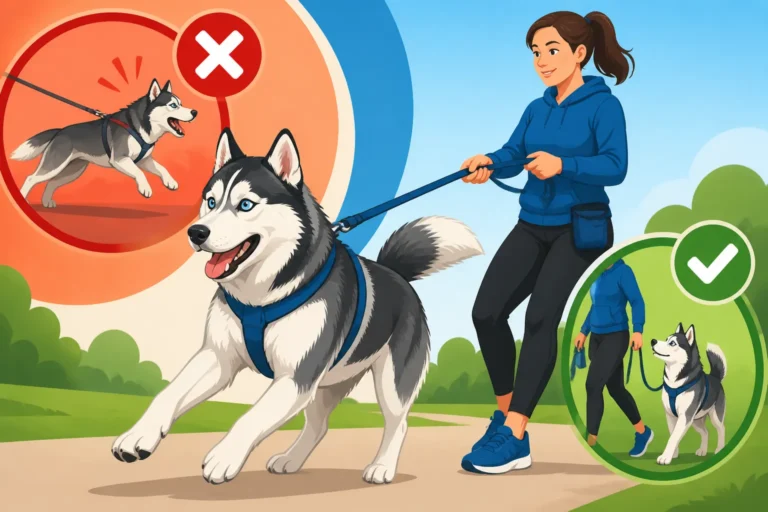
The Recall a Siberian Husky Will Actually Give You
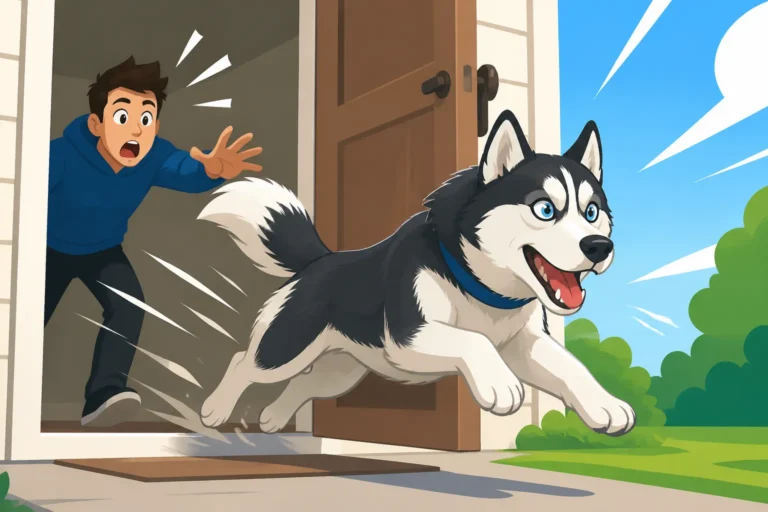
Oh, the Siberian Husky recall! It's one of those topics that can bring even the most seasoned Husky owner to their knees, right? You dream of those idyllic moments where your majestic companion gallops through a field, turns on a dime, and bounds back to you with tail wagging. But the reality for many of us is a quick glimpse of a fluffy white tail disappearing over the horizon, followed by a frantic chase scene that rivals a Hollywood blockbuster. This guide is here to shed some light on why Siberian Huskies are wired this way, set some realistic expectations, and equip you with practical, compassionate strategies to build the most reliable recall your Husky is capable of, focusing on safety and effective training.
Understanding the Husky Mindset: Why Recall is a Challenge
Let's be real: when it comes to recall, Siberian Huskies aren't your typical golden retriever. They weren't bred to stick by your side or to perform intricate obedience routines. Understanding their history and innate drives is the first, crucial step toward managing your expectations and training effectively. It’s not about them being stubborn or unintelligent; it’s about deep-seated instincts.
The Deep-Seated Roaming Instinct
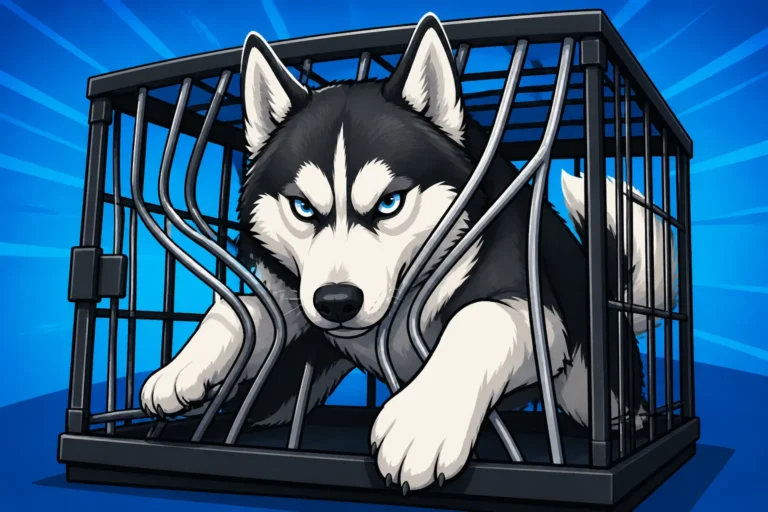
Imagine the vast, open expanses of Siberia. The Chukchi people, who developed this incredible breed, needed dogs that could cover immense distances, often without direct human supervision, to hunt and pull sleds. Their survival depended on their ability to travel, make independent decisions, and navigate treacherous terrain. This is where the Siberian Husky's infamous roaming instinct comes from. It's hardwired into their DNA. They are athletes, explorers, and independent thinkers who view a boundary not as a deterrent, but as an interesting challenge to overcome.
This isn't naughtiness; it's thousands of years of selective breeding for a specific purpose. When your Husky spots something interesting in the distance and bolts, they're not intentionally ignoring you. They're simply responding to that powerful, ancient urge to investigate, to run, to cover ground. Their mental map extends far beyond your property line, and the allure of what lies just over that hill, or around that corner, is incredibly strong. Trying to fight this inherent drive with harsh corrections or unrealistic expectations often leads to frustration for both you and your dog. It's like asking a bird not to fly; it goes against their very nature. This is why you'll often hear experienced owners say that The Roaming Instinct Bred Into Every Siberian Husky is something you manage, not eliminate.
Prey Drive: The Ultimate Distraction
If the roaming instinct is a powerful magnet, then prey drive is the super-strong, irresistible force pulling them in a specific direction. Siberian Huskies have a very high prey drive, which means they are instinctively driven to chase and capture small, fast-moving animals. Think about it: a quick dart of a squirrel across the park, a rabbit hopping through the tall grass, or even a leaf blowing erratically in the wind can instantly switch your Husky from "attentive companion" to "apex predator."
Once that prey drive kicks in, the world narrows. Your voice, your treats, your years of training – they often become irrelevant in the face of such a primal urge. Their focus becomes laser-sharp on the object of their chase, and their hearing for anything else effectively shuts down. This isn't just a casual interest; it's an evolutionary survival mechanism that demands their full attention. It’s important to understand that this isn’t a flaw in your dog's character or a sign of poor training; it’s a natural, incredibly strong instinct that is almost impossible to truly "train out." Instead, our goal as owners is to mitigate the risks and provide safe outlets for this drive, while building a recall strong enough to interrupt it before it takes over completely, or at least in controlled settings. This profound instinct is why Siberian Husky Prey Drive Around Small Animals can be such a challenge for owners.
Setting Realistic Expectations for Your Siberian Husky's Recall
Let's be honest about what a "reliable" recall means for a Siberian Husky. It's probably not going to look like the effortless, always-comes-no-matter-what recall you might see from other breeds in open, unfenced areas. Accepting this reality early on will save you a lot of heartache and keep your Husky safe.
The Myth of the "Bomb-Proof" Off-Leash Husky
The image of a Siberian Husky gracefully running off-leash through a vast natural landscape, always returning when called, is largely a myth for the vast majority of owners. While there are certainly anecdotes of rare, highly trained, or uniquely temperamented Huskies who can manage this, it's not the norm, and it's certainly not something to aim for in an uncontrolled environment. The combination of their roaming instinct and high prey drive makes true "bomb-proof" off-leash reliability an incredibly risky proposition outside of secure, fenced areas.
Even the most dedicated, experienced Husky owners will tell you that the risk is simply too high. One fleeting distraction – a deer, a rabbit, another dog, or even just an interesting smell – can trigger that deeply ingrained desire to run and explore, overriding all training. Many Huskies have been lost, injured, or worse, due to owners believing their dog was the exception to the rule. It's a heartbreaking scenario that is entirely preventable with proper management. For most of us, embracing the reality that Why a Siberian Husky Cannot Be Trusted Off Leash in an unsecured area is crucial for their safety and our peace of mind. It’s not a failure on your part, but an acknowledgment of their breed-specific traits.
Defining a "Reliable" Recall for Your Husky
So, if "bomb-proof" isn't the goal, what is a reliable recall for a Siberian Husky? For us, a reliable Husky recall means your dog consistently comes when called within a safe, controlled environment. This includes:
- Securely fenced yards or dog parks: Places where escape is physically impossible or highly unlikely.
- Long-line training in open spaces: Utilizing a long line (20-50 feet) to allow freedom of movement while maintaining physical control.
- Emergency situations in highly familiar, low-distraction settings: Your dog might come back quickly if you call them indoors or in a very quiet, familiar park when a car approaches slowly.
A truly reliable recall for a Husky is about management as much as it is about training. It's about knowing your dog, understanding their limits, and choosing environments that set them up for success and safety. It's about accepting that while they might not be the dog you can let loose on a hiking trail in an unfenced wilderness, they can still enjoy tremendous freedom and enrichment through responsible supervision and the right tools. Your success isn't measured by how much you defy their breed traits, but by how well you work with them.
Building a Foundation: Essential Tools and Techniques
Training a Siberian Husky for recall isn't about breaking their spirit; it's about making coming back to you the most rewarding choice they could possibly make. This requires consistency, patience, and the right tools.
The Indispensable Long Line
If you own a Siberian Husky and dream of giving them more freedom to run and explore safely, a long line is your absolute best friend. It's a game-changer. A long line is essentially a very long leash, typically ranging from 15 to 50 feet (though some can be even longer), made of durable nylon or biothane. It allows your Husky to roam and investigate smells without the risk of them bolting completely, while you maintain a crucial physical connection.
Think of it as a safety net and a training tool all in one. It teaches them the concept of distance and return in a way that an invisible fence simply cannot (and which, let's be honest, often fails spectacularly with Huskies). When your Husky hits the end of the line, they learn that there's a boundary, and you can gently guide them back to you, rewarding their return. It’s a fantastic way to practice your recall cue in progressively more distracting environments. You can find excellent quality long lines on platforms like Amazon, choosing materials like biothane for easy cleaning and durability, or nylon for a lighter feel. Always ensure the clasp is sturdy and the line is free of knots or damage before use. Starting Long Line Work With a Siberian Husky is truly where the magic begins for many owners.
High-Value Rewards: What Truly Motivates a Husky
Your Husky's recall has to compete with everything exciting in the world: squirrels, smells, other dogs, and the sheer joy of running. Therefore, your rewards need to be incredibly high-value. Dry kibble, or even a polite "good dog," simply won't cut it when there's a rabbit streaking across the field.
What makes a reward high-value? It's something your Husky absolutely adores. For many Huskies, this means soft, stinky, meaty treats like small pieces of cooked chicken, cheese, hot dogs, liverwurst, or commercial soft training treats. Some Huskies might be highly motivated by a specific squeaky toy or a quick game of tug. Experiment to find your dog's absolute favorite currency. The key is to make their return to you so incredibly delightful and rewarding that it outweighs the pull of any distraction. The moment they come back, it should be a party! Pile on the praise, shower them with treats, and make physical affection a bonus. This makes you, the owner, the source of all good things, creating a powerful positive association with coming when called. Food Rewards a Siberian Husky Will Work For are often the secret weapon in effective recall training.
Creating a Consistent Recall Cue
Your recall cue needs to be crystal clear, consistent, and always associated with positive outcomes. Avoid using your recall word ("Come!") when you're angry, frustrated, or about to do something your dog dislikes (like end a fun play session, give them a bath, or clip their nails if they hate it). If you do, your dog will quickly learn to associate the word with something negative and become hesitant to respond.
Choose a single, distinct word or phrase that you'll only use for recall. "Come," "Here," "Front," or even a whistle work well. Introduce this cue in a low-distraction environment, like your home or a securely fenced yard. Get down on their level, use an excited, happy tone of voice, and when they even start to move towards you, mark the behavior (with a verbal "yes!" or a clicker) and immediately reward them with a jackpot of high-value treats and praise. Practice this many, many times, always making it a fun, rewarding game. The goal is for your Husky to hear that word and instantly think, "Oh joy! A party and delicious treats are waiting for me!" Consistency is paramount here; every family member should use the same word and the same rewarding approach. This intentional effort in Building a Siberian Husky Recall Word From Scratch lays the groundwork for any future success.
Step-by-Step Recall Training Drills
Building a reliable recall is a gradual process that involves breaking it down into manageable steps and slowly increasing the challenge. Start easy, build confidence, and then add distractions.
The "Ping-Pong" Game in a Fenced Area
This is a fantastic foundational game, especially for puppies or new adult Huskies, that teaches them the joy of coming to you in a safe, enclosed space. It's a low-pressure, high-reward exercise that builds a strong positive association with being called. You'll need at least two people, a secure fenced area (like your yard or a private rental field via a service like Sniffspot), and plenty of high-value treats.
Here's how it works: Two people stand about 10-20 feet apart with the Husky in the middle. One person calls the dog's name, then their recall cue ("Husky, Come!"), and makes themselves exciting – clapping, getting low, showing a treat. When the Husky runs to them, they get a huge jackpot of treats and praise. After a few seconds of affection, the other person calls the dog's name and cue, repeating the process. It's like a game of fetch, but with people! This game builds drive for coming when called, reinforces the cue, and makes returning to people incredibly fun and rewarding. Keep sessions short, positive, and end on a high note. As they get better, you can gradually increase the distance between the callers. Recall Games for a Siberian Husky Puppy are a wonderful way to instill this behavior early on.
Progressive Long Line Recall Training
Once your Husky understands the basic concept of coming when called in a low-distraction, fenced environment, it's time to graduate to the long line. This is where you bridge the gap between a fully enclosed space and the desire for more freedom. Find a safe, open area with minimal distractions initially – perhaps a large, quiet field, a local park during off-peak hours, or a secure rental field.
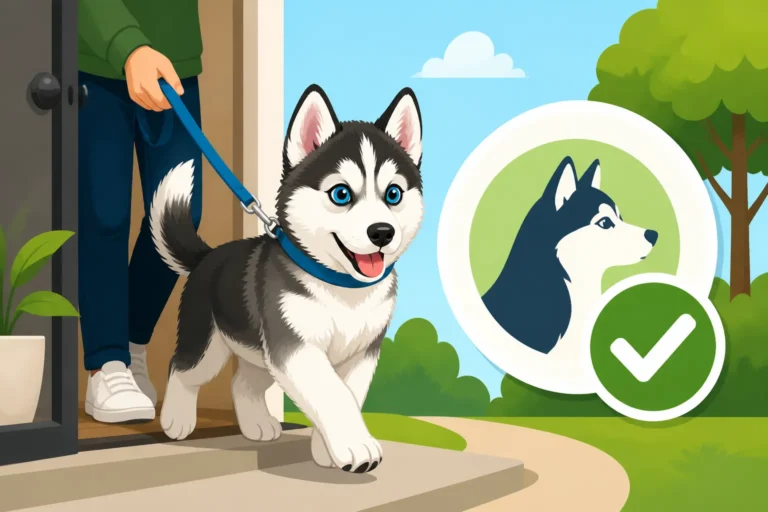
Attach a long line (20-30 feet is a good starting point, but you can go up to 50 feet as confidence grows) to a well-fitting harness (never a flat collar, which can injure their neck if they hit the end of the line). Let your Husky explore. When they're slightly distracted but not completely fixated on something, call their recall cue with an excited voice. If they hesitate, gently reel them in with the long line, continuing to sound happy and encouraging. The moment they turn and start moving towards you, offer praise. When they reach you, jackpot them with treats and attention. Repeat this process, gradually increasing the distractions and the time between calls. The key is to never let them ignore the cue on the long line. If they do, gently guide them in, so they learn that "Come!" always means they eventually return to you, even if they need a little help. This systematic approach of Practicing Siberian Husky Recall in a Fenced Field (or other safe open areas) on a long line is critical.
Introducing an Emergency Stop or "Look At Me" Cue
Beyond the standard recall, it's incredibly valuable to teach your Husky an "emergency stop" or "look at me" cue. This isn't meant to replace your recall, but to be an immediate, attention-grabbing command for those moments when your Husky might be on the verge of tuning you out or fixating on something potentially dangerous. This cue should be separate from your regular recall word and even higher-value.
Choose a unique word ("Freeze!" "Stop!" or even a specific sound like a sharp whistle) or a hand signal. Start by teaching this indoors, where there are no distractions. Say the cue, and immediately shove a pea-sized piece of cooked chicken or liver right up to their nose. The instant they look at you and take the treat, praise them. Repeat this dozens of times a day in very short bursts (5-10 repetitions) until they instantly snap their head to you when they hear the cue. The goal is a conditioned emotional response: cue means immediate, amazing reward, and all attention on you. Once they're consistent indoors, gradually introduce it in slightly more distracting environments, always starting easy and ensuring success. This cue can be a lifesaver, giving you that split-second attention you need to prevent them from darting into traffic or chasing a rabbit across a busy road.
Maintaining and Adapting Your Husky's Recall
Training isn't a one-and-done deal, especially with a breed as independent as the Siberian Husky. It's an ongoing conversation and a commitment to their safety.
Continual Practice and Proofing
Think of recall training as a muscle: if you don't use it, it atrophies. Siberian Huskies, with their intelligent and independent nature, need constant reminders that coming to you is still the best game in town. This means incorporating recall practice into your daily routine, even after you think your dog "knows" it. Every walk, every trip to the dog park, every visit to a friend's house is an opportunity to reinforce that valuable behavior.
"Proofing" your recall means practicing it in various environments, with different distractions, and with different people. Don't just practice in your quiet backyard. Take your Husky to a securely fenced dog park and practice their recall when other dogs are around, when children are playing, or when new smells are present. Start with low distractions and gradually increase the challenge. Always set them up for success by choosing situations where you're reasonably confident they'll respond, and always have those high-value treats ready. A dog that comes when called in your backyard might not respond at all if there's a bunny in a new park. Consistent, varied practice ensures that your Husky generalizes the behavior to many different real-world scenarios, making it truly reliable. This commitment to Keeping a Siberian Husky Recall Alive Into Adulthood is essential.
Dealing With Setbacks and "Selective Hearing"
Let's be honest, there will be days when your Siberian Husky develops a sudden case of "selective hearing." You call, and they give you that infamous "Husky side-eye" before trotting off in the opposite direction, nose to the ground. It's frustrating, but it's part of owning this breed. The most important thing is how you react to these setbacks.
First, avoid getting angry or punishing them for not coming. This will only teach them that coming to you is a bad thing, making them even less likely to respond next time. Instead, take a deep breath and assess the situation. Was the distraction too high? Was your reward not valuable enough? Did you call them when you knew they were already too fixated? If they're on a long line, gently reel them in, still making their return a positive experience. If they're in a fenced area and just ignoring you, walk over calmly and retrieve them, then immediately go back to a less distracting environment for some easy, successful recall practice. You might need to go back to basics, practice in a quieter setting, or increase the value of your rewards. This is also a good time to remember that A Siberian Husky That Comes Only When It Suits is a common reality, and it's our job to continuously remind them why coming is always the better choice.
Professional Guidance and Advanced Training
Sometimes, despite your best efforts, you might feel stuck. Or perhaps you're seeking to take your Husky's obedience to the next level in specific dog sports or activities. This is where professional guidance can be invaluable. A certified professional dog trainer, especially one with experience with northern breeds, can offer tailored advice, help troubleshoot specific issues, and introduce you to advanced techniques.
A good trainer can observe your interactions, identify communication breakdowns, and suggest new strategies or tools you might not have considered. They can also help you understand your Husky's body language better and teach you how to read their cues before they get into trouble. Online platforms, like those offered by BAXTER & Bella, provide structured programs and resources that can be a fantastic supplement or starting point for owners who want to learn at their own pace. Alternatively, look for local trainers who offer group classes or private sessions. Don't hesitate to seek help; it's an investment in your relationship with your Husky and their safety. Learning from an expert can make all the difference in achieving your training goals. Finding a Trainer Who Has Worked With Huskies is crucial, as their unique characteristics require a specific approach.
Recall Training Stages and Key Elements
Here's a quick overview of the typical progression for recall training with a Siberian Husky, highlighting the tools and focus at each stage.
| Stage | Environment | Key Tools | Focus | Outcome |
|---|---|---|---|---|
| Foundation (Puppy/New Dog) | Indoors, Quiet Yard | High-value treats, Clicker | Positive association, Consistent cue, Fun | Husky learns recall cue means good things, comes eagerly |
| Building Distance/Drive | Secure Fenced Area | Long line, High-value treats | "Ping-Pong" game, Increasing distance | Husky enjoys coming back over short distances with minimal distraction |
| Introducing Distractions | Low-Distraction Park/Field | Long line (20-50ft), Super high-value treats, Harness | Gentle guidance, Interrupting fixation, Proofing | Husky responds to recall with moderate distractions while on long line |
| Emergency Prep | Varied, Controlled | Distinct cue/sound, Jackpot rewards | Immediate attention, Quick redirection | Husky stops/looks at you instantly for critical moments |
| Maintenance | All Safe Environments | Varied rewards, Praise, Play | Continual practice, Proofing across scenarios, Adjusting to age/distractions | Husky maintains consistent recall in appropriate safe environments |
Disclaimer
This article is for general informational purposes only and does not constitute professional advice. Laws, prices and regulations vary by location and change over time. Consult a qualified professional for guidance on your specific situation.