Finding a Trainer Who Has Worked With Huskies
Many Siberian Husky owners find themselves at a crossroads with training, feeling like their independent, intelligent, and often mischievous companions simply aren't responding to traditional methods. It's incredibly frustrating when you've tried everything you know, and your Husky still seems to be marching to the beat of their own drum, whether it's perfecting their escape artistry or choosing to "selectively hear" your recall cues. This guide is all about helping you navigate the sometimes overwhelming journey of finding a dog trainer who truly understands the unique quirks and magnificent challenges of the Siberian Husky breed, ensuring you find someone who can help you build a stronger, more harmonious relationship with your furry family member.
Understanding the Unique Husky Training Challenge
Let's be real, a Siberian Husky isn't your average Golden Retriever or Border Collie when it comes to training. Their history as free-running sled dogs with specific jobs and a strong sense of self-preservation has molded them into companions with a distinct personality. Many owners feel a deep love for these traits but also experience immense frustration when they clash with modern household expectations.
Why Generic Training Often Fails with Huskies
It's not uncommon for new Husky owners to enroll their energetic puppy in a basic obedience class, only to find themselves scratching their heads while their Husky gazes out the window, completely uninterested in the "sit" command. The core issue often lies in the breed's intrinsic independence. Huskies were bred to make decisions for themselves, sometimes miles away from their musher, determining the safest path across treacherous terrain. This translates into a dog who often weighs the reward of listening to you against the reward of whatever exciting thing just caught their eye.
Unlike many other breeds eager to please their human, a Husky's primary motivation isn't necessarily your approval. They are smart, yes, but their intelligence is often geared towards problem-solving for their benefit, not yours. This can manifest as "stubbornness," but it's really a deep-seated independence. Force-based training methods, which rely heavily on physical correction or intimidation, tend to backfire spectacularly with Huskies. They might shut down, become anxious, or simply dig in their heels even harder. A trainer who doesn't grasp this fundamental difference will likely struggle to connect with your Husky and, by extension, you. Why Siberian Huskies Look Stubborn Rather Than Slow delves into this further.
The Specific Behaviors Huskies Are Known For
Beyond their independence, Huskies come with a delightful (and sometimes maddening) set of behaviors that are hardwired into their DNA. If you own a Husky, you're likely intimately familiar with at least a few of these:
- The Escape Artist: This isn't just a quirky trait; it's a survival instinct. Huskies are masters of finding (or creating) vulnerabilities in fences, gates, and even doors. A trainer needs to understand this innate drive to roam and help you implement management strategies beyond simply teaching "stay." Stopping a Siberian Husky From Escaping the Yard is a critical read for any Husky owner.
- The Howler and Talker: Forget silent companionship; Huskies are vocal communicators. They howl, "woo-woo," whine, and grumble in a way that's utterly unique. While charming to some, it can be a source of conflict with neighbors or a sign of boredom or anxiety. A trainer experienced with Huskies won't try to "silence" your dog but rather help you understand the communication and redirect it appropriately. Why Your Siberian Husky Howls and Talks explains this characteristic in detail.
- The Selective Recall: Ah, the phantom recall! Your Husky knows "come," they just choose not to. Their prey drive is incredibly strong, meaning a squirrel, a leaf, or even a dust bunny blowing across the park can override any command you issue. This is why Why a Siberian Husky Cannot Be Trusted Off Leash is a truth many Husky owners live by. A good trainer will never promise a 100% reliable off-leash recall with a Husky but will focus on building high-value motivation and management.
- High Prey Drive: Many Huskies view small, fast-moving objects (squirrels, rabbits, cats, sometimes even small dogs) as potential game. This is not aggression; it's instinct. A trainer must acknowledge this and help you manage encounters safely, especially if you have other pets. Siberian Husky Prey Drive Around Small Animals explores this challenge.
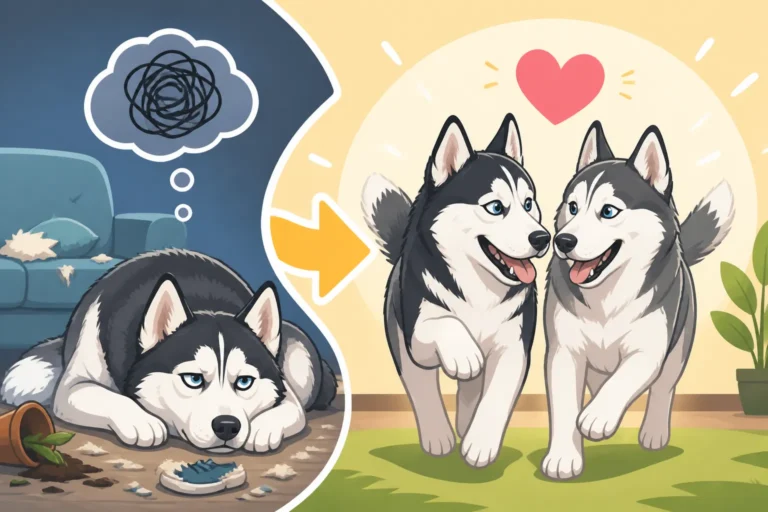
- Destructive Chewing/Digging: A bored Husky is a destructive Husky. They need outlets for their immense energy and intelligence. If not given appropriate tasks or exercise, they will invent their own, often to the detriment of your furniture, landscaping, or drywall. Siberian Husky Destruction When Left Alone offers insights into this.
A trainer who understands these breed-specific traits is not just a "dog trainer"; they are a "Husky trainer."
What to Look for in a Siberian Husky Trainer
Finding the right trainer can feel like searching for a needle in a haystack, especially when you're dealing with a breed as unique as the Siberian Husky. It's not just about finding someone certified, but someone who "gets" Huskies.
Experience with Sled Dog Breeds
This is perhaps the most crucial factor. A trainer who has spent significant time working with Siberian Huskies, Alaskan Malamutes, or other northern breeds will already understand the inherent differences. They won't try to fit your Husky into a mold designed for a Labrador. They'll appreciate the intelligence coupled with independence, the high prey drive, and the boundless energy.
Ask potential trainers directly about their experience:
- "Have you worked with many Huskies before? What kinds of challenges did you face, and how did you address them?"
- "Do you understand the pack dynamics and independence inherent in sled dog breeds?"
- "What's your approach to a Husky's recall, knowing their strong prey drive?"
A trainer with this specific experience will also likely recommend activities that tap into your Husky's natural instincts, like Giving a Siberian Husky a Job in Harness through urban mushing or other dog sports, rather than solely focusing on traditional obedience.
Positive Reinforcement and Lure-Reward Methods
For a Siberian Husky, positive reinforcement isn't just a preferred method; it's often the only effective method. Huskies respond best to clear, consistent communication and high-value rewards. They need to understand what's in it for them. A good trainer will use methods that build trust and make training a fun, rewarding game for your Husky.
This means:
- Food Rewards: Huskies are often highly food-motivated, especially for high-value treats like cheese, cooked chicken, or hot dogs. A trainer should guide you on how to effectively use these. Food Rewards a Siberian Husky Will Work For offers excellent suggestions.
- Praise and Play: While not always enough on its own, enthusiastic verbal praise and engaging play can also be powerful motivators.
- Clicker Training: Many Huskies thrive with clicker training because it provides precise, immediate feedback, which they appreciate. It also keeps training sessions engaging and prevents them from becoming monotonous. Clicker Training a Siberian Husky can be a game-changer.
Avoid any trainer who suggests or uses aversive tools like prong collars, choke chains, or electronic shock collars. These tools can damage your relationship with your Husky, suppress natural behaviors without addressing the underlying cause, and can even lead to fear and aggression. Remember, Whether a Shock Collar Belongs on a Siberian Husky is a serious question with a resounding "no" from those who understand the breed. Your Husky needs guidance, not punishment.
A Focus on Management and Enrichment
Beyond teaching basic cues, a truly effective Husky trainer will emphasize management strategies and enrichment. They understand that some Husky behaviors are so deeply ingrained that management is key to peaceful co-existence.
This includes:
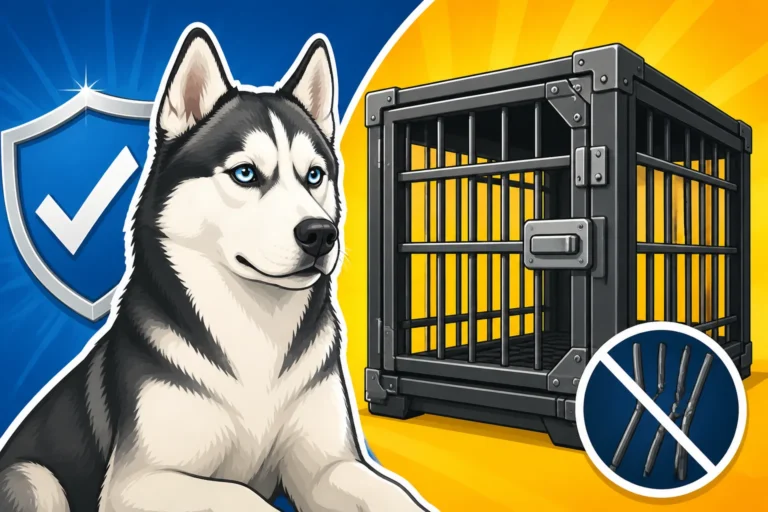
- Containment Strategies: Recommendations for secure fencing, specialized crates (Huskies can be escape artists even from crates), and routines to prevent door dashing.
- Mental Stimulation: Suggestions for puzzle toys, scent work, and brain games to tire out a Husky's intelligent mind when physical exercise isn't enough.
- Physical Outlets: Guidance on appropriate exercise, whether it's long walks, running, or dog sports, understanding that a bored Husky is often a destructive one.
- Environment Modification: Advice on setting up your home and yard to minimize opportunities for unwanted behaviors and maximize safe, acceptable outlets.
A good trainer helps you understand that training a Husky is an ongoing process of collaboration and understanding their motivations, not simply forcing compliance. Training an Independent Siberian Husky requires patience, creativity, and consistency.
Where to Find Qualified Husky Trainers
Finding a trainer can feel like a daunting task, but with a clear idea of what you're looking for, you can narrow down your search significantly. Don't be afraid to ask questions and take your time to ensure the right fit for both you and your Husky.
Online Resources and Professional Organizations
Several resources can help you locate reputable trainers. Start by looking for trainers affiliated with professional organizations, as these often have ethical codes and certification requirements.
- Certification Councils: Look for certifications like CPDT-KA (Certified Professional Dog Trainer – Knowledge Assessed) or KPA-CTP (Karen Pryor Academy Certified Training Partner). These certifications indicate a commitment to positive reinforcement and ongoing education.
- Professional Associations: Organizations like the Association of Professional Dog Trainers (APDT) or the Pet Professional Guild (PPG) offer directories of trainers who adhere to humane training principles.
- Local Sled Dog Clubs: This is a goldmine! Local Siberian Husky clubs, Alaskan Malamute clubs, or even general sled dog organizations often have members who are experienced trainers or can recommend someone who truly understands the breed. These are the people who live and breathe northern breeds.
- Social Media Groups: Join local Siberian Husky owner groups on platforms like Facebook. Ask for recommendations, but always vet trainers independently. Many communities have specific "Husky-friendly" trainers who are well-known and respected.
Remember to check reviews and testimonials, but also understand that a glowing review from an owner of a different breed might not translate to success with your Husky.
Asking for Referrals and Conducting Interviews
Word-of-mouth is powerful. Talk to other Siberian Husky owners in your area, especially those whose dogs you admire for their manners and training. Your veterinarian might also have recommendations, but ensure they understand the type of trainer you're seeking (positive reinforcement, Husky-savvy).
Once you have a few names, don't just sign up. Schedule an initial consultation or interview. Most reputable trainers offer a free phone consultation to discuss your needs. Here are some key questions to ask:
- "What is your training philosophy, specifically for breeds like Siberian Huskies?"
- "Can you provide references from other Husky owners you've worked with?"
- "How do you handle specific Husky behaviors like extreme prey drive or escape attempts?"
- "What kind of tools do you use and recommend (e.g., harnesses, long lines, crates)? What tools do you not use?"
- "Do you offer group classes, private sessions, or both? Which do you recommend for my Husky's specific issues?"
- "What is your success rate with improving [specific problem like leash pulling or poor recall] in Huskies?" (Be wary of anyone who promises a "cure" for innate breed traits).
- "What are your qualifications and certifications?"
Pay attention to how they respond. Do they sound empathetic to your struggles? Do they speak with confidence and knowledge about the breed? A good trainer will be happy to answer all your questions and make you feel comfortable.
Utilizing Online Training Platforms
Sometimes, finding a truly specialized Husky trainer in your immediate area can be tough. In such cases, online training platforms can be an excellent alternative, offering flexibility and access to a wider network of trainers. Many platforms provide virtual one-on-one sessions or comprehensive programs.
For example, platforms like BAXTER & Bella offer online puppy and dog training programs that focus on positive reinforcement and provide extensive resources. While not specifically geared only towards Huskies, their approach can be highly effective because it emphasizes building a strong foundation, clear communication, and positive motivation, which are all crucial for Huskies. You can often find trainers within these platforms who have specific breed experience, or at least a philosophy that aligns well with Husky training.
Additionally, online marketplaces like Amazon offer a plethora of training aids, books, and even specific training collars (like martingale collars, which are excellent for Huskies prone to slipping out of flat collars) that a trainer might recommend. You can easily find items like long lines, which are indispensable for Teaching a Siberian Husky to Come Back in a safe, controlled environment. These resources, combined with personalized guidance, can be incredibly helpful for Husky owners.
Red Flags to Watch Out For
Just as important as knowing what to look for, it's crucial to recognize what to avoid. Unfortunately, the dog training world isn't always regulated, and some methods can be detrimental, especially to a sensitive and independent breed like the Husky.
Promises of "Curing" Husky Traits
Be incredibly wary of any trainer who guarantees they can "fix" or "cure" your Husky's innate breed traits. No legitimate trainer will promise 100% off-leash recall in an unfenced area if your Husky has a high prey drive, or guarantee that your Husky will never escape again. These are powerful instincts that can be managed and mitigated, but rarely eradicated entirely.
For example, if a trainer says they can eliminate your Husky's urge to dig or howl, they are likely either misinformed or using methods that suppress behavior rather than addressing the root cause and providing appropriate outlets. A realistic trainer will emphasize management, consistent positive reinforcement, and understanding your Husky's motivations, helping you live harmoniously with their natural tendencies.
Aversive Training Methods
As mentioned before, steer clear of trainers who advocate for or use aversive tools or methods. This includes:
- Shock collars (e-collars): While some trainers claim "e-collars" are modern and humane, they deliver an electrical stimulation designed to create discomfort or pain. Huskies are highly intelligent and often sensitive; these devices can cause fear, anxiety, and aggression, and can break the trust bond you have with your dog. Why a shock collar belongs on a Siberian Husky is often discussed, but responsible trainers understand the risks.
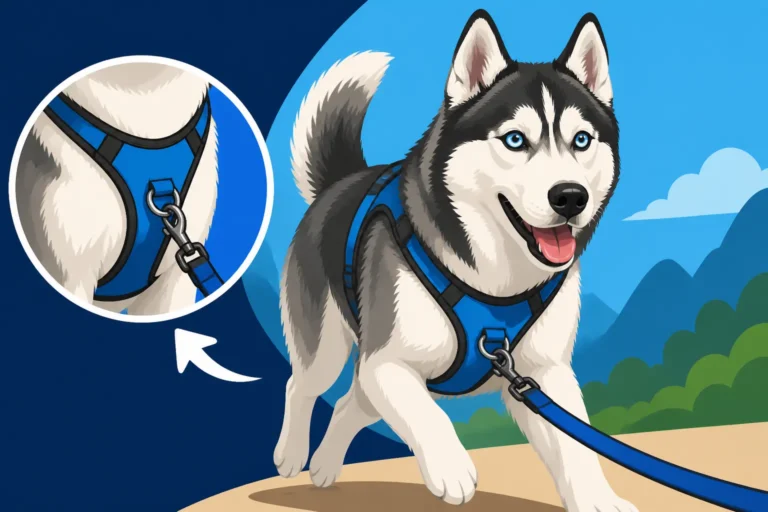
- Prong collars or choke chains: These collars are designed to apply pressure to the dog's neck, causing pain or discomfort. Again, they may suppress pulling temporarily but do not teach the dog what to do instead. Instead, a trainer should guide you to use a front-clip harness for Siberian Husky Leash Work Against a Pulling Instinct.
- Alpha rolls or dominance theory: This outdated and debunked theory suggests you need to physically dominate your dog to show them "who's boss." This can be incredibly dangerous and damaging to your Husky, leading to fear and aggression. Huskies do not operate on a rigid dominance hierarchy with humans.
A trainer's primary goal should be to build confidence and a strong, positive relationship between you and your dog, not to instill fear or submission.
Lack of Transparency or Specialization
A good trainer should be transparent about their methods, qualifications, and even their limitations. If a trainer is vague about their approach, unwilling to answer your questions thoroughly, or insists on a "secret" method, consider it a major red flag. Similarly, if they claim to be a "master" of all breeds and all behaviors without any specific focus or advanced knowledge, they might not have the depth of experience needed for a specialized breed like the Husky.
Look for someone who is honest about the challenges and rewards of Husky ownership, and who is dedicated to continuing their education in humane, science-based training.
Here’s a quick overview of what to look for and what to avoid:
| Feature | Look For | Avoid |
|---|---|---|
| Experience | Proven track record with Siberian Huskies or other northern breeds; understands breed-specific traits. | Limited or no experience with Huskies; treats all breeds the same; unfamiliar with sled dog instincts. |
| Training Philosophy | Positive reinforcement, lure-reward, clicker training; focuses on building trust and motivation. | Aversive methods (shock collars, prong collars, choke chains); dominance theory; punitive corrections. |
| Goals & Expectations | Realistic goals; emphasizes management, enrichment, and consistent positive training; helps you understand breed. | Promises to "cure" innate Husky traits; guarantees 100% recall off-leash in any situation; quick fixes. |
| Tools Recommended | Front-clip harnesses, long lines (easily found on Amazon), puzzle toys, high-value treats. | Electronic shock collars, prong collars, choke chains, physical force. |
| Communication | Transparent about methods; open to questions; clear explanations; empathetic and patient. | Vague about methods; dismissive of concerns; uses jargon without explanation; critical or intimidating. |
| Approach | Focuses on teaching desired behaviors; addresses underlying motivations; offers solutions for specific Husky challenges. | Focuses on suppressing unwanted behaviors; uses fear or pain to stop actions; one-size-fits-all approach. |
| Resources | Recommends reputable online platforms like BAXTER & Bella for supplementary learning and support. | Discredits other reputable resources or professionals; claims to have the only "right" way. |
Ultimately, finding the right trainer is about finding a partner who empowers you to understand and communicate effectively with your Siberian Husky. It's about nurturing their unique spirit while guiding them to be well-adjusted companions in your home. It takes time and effort, but the bond you'll build with your Husky through understanding and positive training is truly priceless.
Disclaimer
This article is for general informational purposes only and does not constitute professional advice. Laws, prices and regulations vary by location and change over time. Consult a qualified professional for guidance on your specific situation.