Clicker Training a Siberian Husky
One of the biggest frustrations for Siberian Husky owners is feeling like their intelligent, independent dog just chooses to ignore them, especially when it comes to training. It’s not that they’re dumb; it’s that their brains are wired differently than, say, a Golden Retriever, and traditional methods often fall flat. This guide will dive deep into how clicker training, a positive reinforcement method, can truly unlock your Husky’s potential and build a stronger, more communicative relationship with your often-misunderstood companion.
Why Clicker Training Clicks with the Siberian Husky Brain
Siberian Huskies are legendary for their independence, their problem-solving skills, and, let’s be honest, their selective hearing. When you try to force a Husky to do something, or if you repeat a cue without a clear, immediate reward, they often shut down or decide there's a more interesting squirrel nearby. This isn't stubbornness, as many perceive it, but rather a strong sense of self-preservation and efficiency. They simply don't see the point in performing an action if there's no clear benefit to them.
Clicker training offers a perfect counterpoint to this traditional resistance because it leverages exactly what makes Huskies unique. It's about clear, concise communication and empowering them to make choices that lead to positive outcomes. Instead of being told what to do, they learn to offer behaviors, which appeals to their intelligent and independent nature. They become active participants in the learning process, rather than passive recipients of commands. This method creates a language that makes sense to a Husky, fostering enthusiasm instead of boredom. For more on this, you might find our article Why Siberian Huskies Look Stubborn Rather Than Slow helpful.
Decoding the Husky's Independent Streak
Many conventional training methods rely on a dog's inherent desire to please its handler. While some breeds live for human approval, the Siberian Husky was bred to make decisions far from human intervention, navigating vast, frozen landscapes with little guidance beyond basic directional cues. This history means they are less inclined to blindly follow and more inclined to assess situations for their own advantage. A clicker provides an instantaneous, unambiguous signal that they've done something right, which is incredibly powerful for a dog that needs clear feedback. It cuts through the noise and ambiguity, making the "what's in it for me?" equation crystal clear.
Imagine you're trying to teach your Husky, Luna, to sit. If you just say "sit" and push her rear down, she might eventually learn the motion, but she won't necessarily understand why that specific action is desired, or what she gains from it. With a clicker, the moment her rear touches the ground, you click and offer a treat. The click marks the exact moment of success, telling her, "That's it! That's the thing I want you to do!" This precision is something a verbal "good girl" often lacks, as it can be delivered a second too late, after she's already stood back up.
Building Trust and Understanding Through Positive Reinforcement
Clicker training isn't just about teaching commands; it's about building a solid foundation of trust and understanding. When a dog consistently receives positive, clear reinforcement for their actions, they learn that engaging with you is a rewarding experience. This positive association strengthens your bond and encourages them to experiment and offer new behaviors without fear of punishment or confusion. For a Husky, who might be wary of perceived unfairness or force, this method is gentle and empowering.
Think about it from your Husky’s perspective: every training session becomes a fun game where they figure out how to earn rewards, rather than a chore where they're constantly corrected. This shifts their motivation from avoiding correction to actively seeking out opportunities to earn a click and a treat. It's a fundamental change that turns a potentially resistant learner into an eager participant. This positive cycle helps Keeping a Siberian Husky Interested in Training, which is crucial for such an intelligent and easily bored breed.
Getting Started: Essential Clicker Training Gear and Concepts
Embarking on your clicker training journey with your Siberian Husky doesn't require a lot of fancy equipment. The beauty of it lies in its simplicity and effectiveness. You'll need a few key items, but more importantly, you'll need to understand the basic principles behind how the clicker works and how to use it most effectively with your smart, albeit sometimes opinionated, companion.
The Tools of the Trade: Clicker, Treats, and a Pouch
First things first, you'll need a clicker. These are inexpensive little devices that make a distinct, consistent sound. You can find many options on Amazon, from box clickers to target stick clickers, but any clicker that makes a sharp, consistent sound will do. Some people even use a ballpoint pen click or a verbal marker like "yes!" but the distinct, non-emotional sound of a clicker is generally preferred for its precision.
Next, and arguably most important for a food-motivated Husky, are high-value treats. These aren’t your everyday kibble! We’re talking tiny pieces of cooked chicken, cheese, hot dogs, or whatever your Husky absolutely adores. The treats need to be small enough to be swallowed quickly, so you can deliver many repetitions without filling up your dog. Your Husky needs to feel like these treats are worth working for, especially when competing with the allure of a tempting scent or the urge to explore. Check out Food Rewards a Siberian Husky Will Work For for more ideas.
Finally, a treat pouch or fanny pack is incredibly handy. This allows you to keep your hands free, deliver treats quickly, and keeps your pockets free from crumbs. The speed of delivery is critical in clicker training; the treat needs to arrive almost immediately after the click to reinforce the correct behavior.
The "Load the Clicker" Phase: Teaching the Click's Meaning
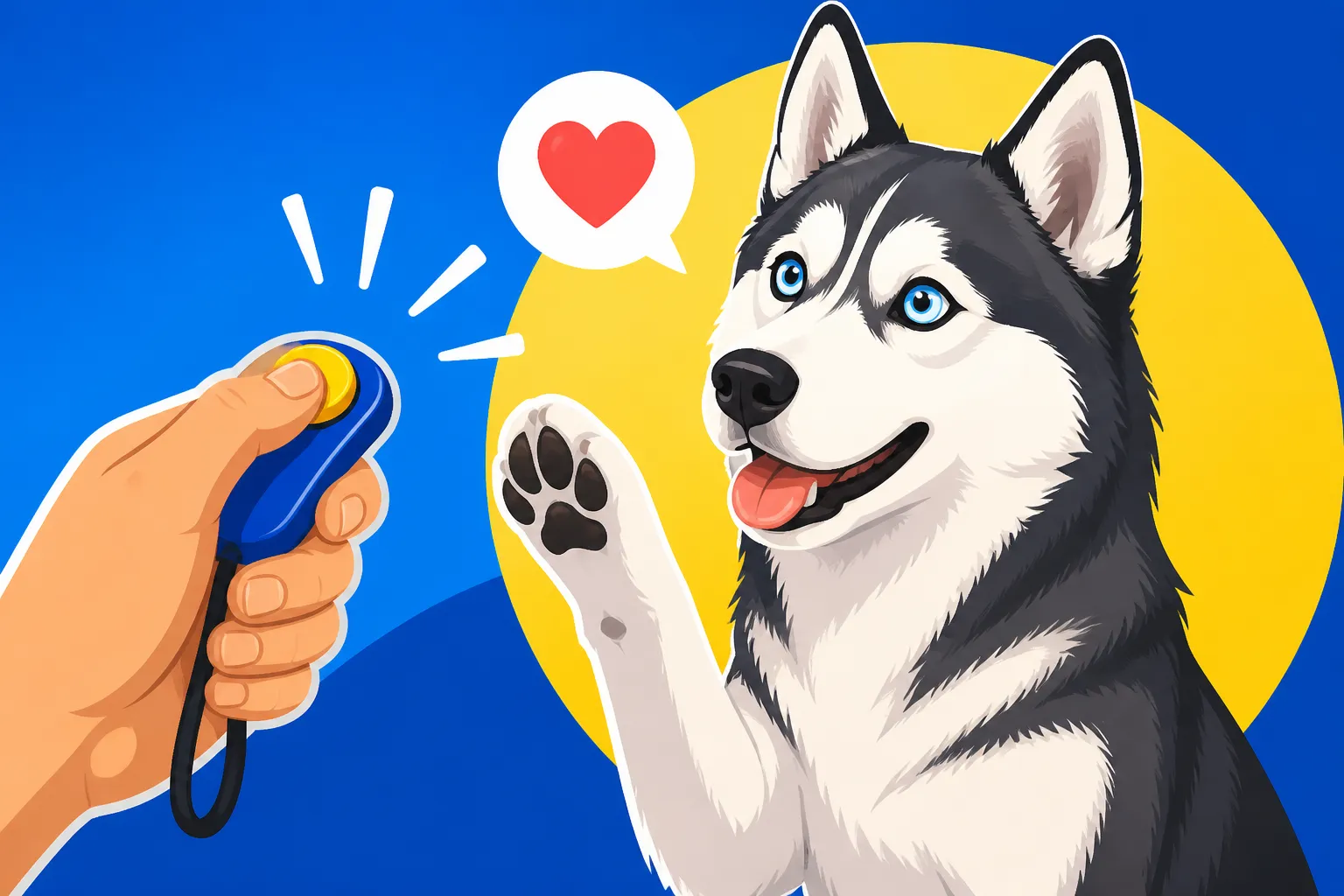
Before you even start teaching commands, you need to "load the clicker." This means teaching your Husky that the sound of the click always means a treat is coming. This creates a powerful positive association, making the clicker a predictor of good things.
Here’s how you do it:
- Preparation: Have your clicker in one hand and a few high-value treats in the other, ready to go.
- Click and Treat: Click the clicker, then immediately (within one second!) give your Husky a treat. Do this about 10-20 times in a short session. Don't ask for any behavior yet; just click, then treat.
- Repeat: Do a few short sessions like this throughout the day. Your Husky will quickly start to associate the click with the treat. You'll know it's working when you click, and your Husky's head snaps to you, looking for the treat, even if they weren’t looking at you initially. This is the foundation of all future training.
This phase is critical. Without a strong positive association with the click, it won't be an effective marker. It’s like teaching a child that a bell ringing always means ice cream – eventually, they'll get pretty excited when they hear that bell!
| Action | Purpose | Key Outcome for Husky |
|---|---|---|
| Click | Marks the exact desired behavior | "That's it! I did something right!" |
| Treat | Reinforces the clicked behavior | "This good thing happened because of me!" |
| Repetition | Solidifies the association | "Click means reward, always!" |
| High Value | Increases motivation for the Husky | "This reward is worth my effort!" |
Timing is Everything: The Golden Rule of the Clicker
The most crucial aspect of clicker training, once the clicker is loaded, is timing. The click must happen at the precise moment your Husky performs the desired action. Not a second before, not a second after. If your Husky's rear touches the ground for a "sit," the click happens then. If they make eye contact when you call their name, the click happens as they make eye contact.
This precision is what makes the clicker so powerful for Huskies. It eliminates ambiguity. They don't have to guess what they did right; the click tells them definitively. This allows them to quickly understand complex behaviors by breaking them down into small, achievable steps. It's how you can shape behaviors that would be impossible to lure or physically manipulate, especially with a strong and agile Husky. Consistency in timing is key, so practice your click-and-treat delivery until it feels smooth and natural.
Applying Clicker Training to Common Husky Challenges
Now that you understand the mechanics, let's talk about how clicker training can tackle some of the most common, and often frustrating, Siberian Husky behaviors. From the infamous "Husky recall" to pulling on the leash, the clicker offers a fresh perspective and a powerful tool.
Mastering the Elusive Husky Recall
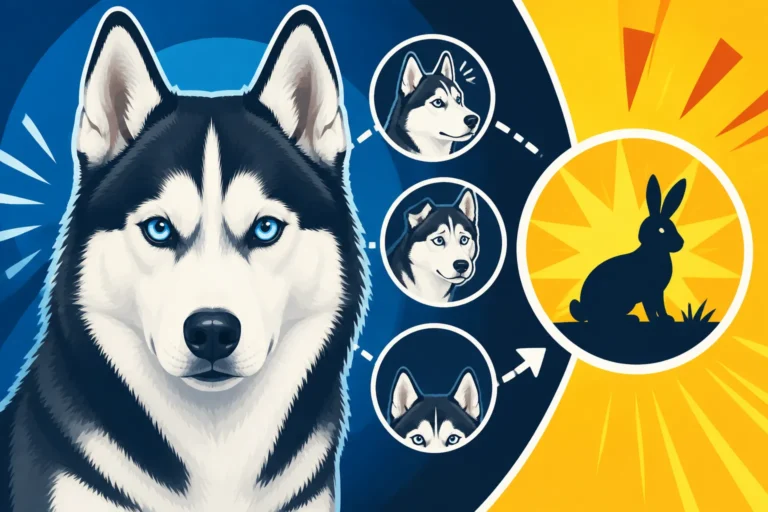
The Siberian Husky’s recall is often the bane of an owner's existence. Their strong prey drive and desire to roam mean they're often more interested in exploring than returning to you. Clicker training can be revolutionary here, but it requires patience and a systematic approach. The goal is to make coming back to you the most rewarding thing your Husky can possibly do, consistently.
Start in a low-distraction environment, like your living room. With your Husky a short distance away, say their name or your chosen recall word (like "come!"), and the moment they turn their head towards you or take a step in your direction, click and then immediately reward them with that high-value treat. Don't wait for them to reach you initially; reward the intent to respond. Gradually, you’ll increase the distance and require more steps towards you before the click and treat. You can read more about this in Building a Siberian Husky Recall Word From Scratch.
As they get better, introduce mild distractions, always setting them up for success. Use a long line in a securely fenced area to practice outdoors, ensuring they can't actually bolt. If they get distracted, don't yell or punish. Simply wait for them to re-engage, or move closer to them and try again. The key is to make returning to you a consistently positive experience, especially when there are exciting smells or squirrels around. You need Rewards That Beat the Siberian Husky Chase Instinct, and this is where those special treats come into play.
Tackling Leash Pulling and Loose-Leash Walking
Walking a Siberian Husky can often feel like you're being taken for a ride. Their natural instinct to pull in harness is powerful, but clicker training can help them understand the difference between "pulling" (when in harness for sport) and "loose-leash walking" (for everyday strolls).
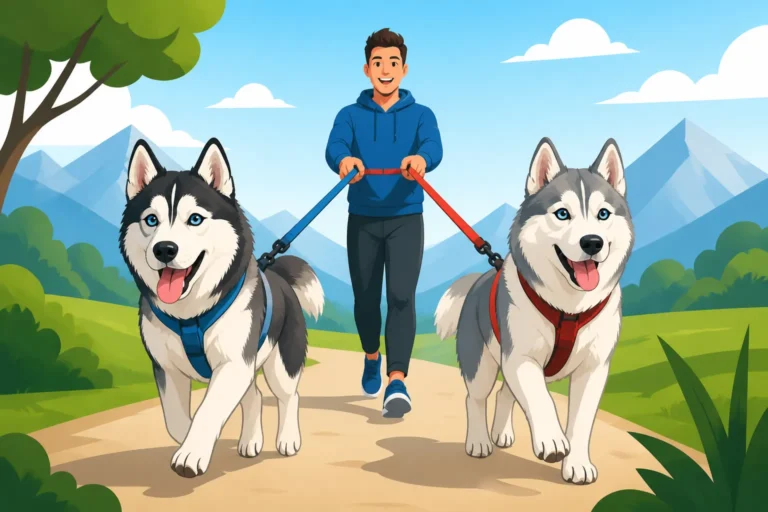
To teach loose-leash walking, use your clicker to mark any moment your Husky is walking beside you with a loose leash. Start simple: take one step, if the leash is loose, click and treat. Take another step, if it's still loose, click and treat. If they pull, simply stop moving. Wait for the leash to slacken, even for a second, then click, treat, and continue. This teaches them that pulling gets them nowhere, but a loose leash keeps the walk going and earns rewards.
It’s a slow process that requires consistency, but it works because it teaches them what to do rather than just punishing them for pulling. When they are learning, keep walks short and focused. As they improve, gradually increase the duration and introduce more distractions. You might want to get a comfortable harness that doesn't encourage pulling for everyday walks, such as those found on Amazon, alongside your clicker and treat pouch.
Managing That Husky Mouth: Chewing and Nipping
Siberian Husky puppies, and even some adults, can be quite mouthy. They use their mouths to explore, play, and sometimes to get attention. Clicker training is excellent for teaching appropriate mouth behaviors and channeling their chewing instincts onto approved items.
For nipping, the moment your Husky's teeth touch human skin, immediately withdraw attention by turning away or walking out of the room. This teaches them that nipping makes the fun stop. Then, when they offer an appropriate interaction (like licking or gentle nuzzling), click and reward. For chewing, proactively click and treat when you see them chewing on an appropriate toy or chew bone. If you catch them chewing something they shouldn't, redirect them to an appropriate item, and then click and treat when they start chewing that.
The goal is to reinforce the good choices so they become the default. This is where a structured program, like the one offered by BAXTER & Bella online puppy school, can provide detailed guidance and support for integrating clicker training into all aspects of puppy rearing and behavior modification, including managing mouthing and redirecting destructive chewing.
Troubleshooting and Advancing Your Clicker Training
Even with the best intentions, clicker training a Siberian Husky can present its own unique set of challenges. Their independent spirit means you might hit a few bumps in the road, but understanding how to troubleshoot and how to continue building on your success will keep you and your Husky progressing.
When Your Husky Seems "Stubborn" or Uninterested
It's easy to fall back on the idea that your Husky is just "stubborn" when they don't perform a behavior you know they know. However, in clicker training, if your Husky isn't performing, it's usually one of a few things:
- Distractions are too high: Huskies are easily distracted. If you're trying to train in a busy park, scale back to your quiet living room. Gradually introduce distractions as they succeed.
- Rewards aren't valuable enough: Is that piece of dry kibble really competing with the smell of a rabbit that just ran by? Probably not. You need Food Rewards a Siberian Husky Will Work For – the absolute best stuff you have. Rotate treats to keep them novel and exciting.
- Your cues aren't clear: Are you being consistent with your verbal cues and hand signals? Huskies thrive on clarity.
- The steps are too big: Break down the behavior into smaller, easier-to-achieve steps. If they can’t lie down, maybe click for a head turn towards the floor, then for a nose touch, then for one elbow hitting the ground, and so on.
Remember, the clicker is a communication tool. If the communication isn't working, examine your technique, the environment, and the motivation. Huskies respond to what's logical and beneficial to them.
Phasing Out the Clicker and Lures
One common question is, "Do I have to carry a clicker and treats forever?" The answer is no! The clicker is a teaching tool, meant to be phased out once the behavior is solid. Once your Husky reliably performs a behavior on cue, you'll start to introduce variable reinforcement. This means you won't click and treat every single time. Instead, you'll sometimes click and treat, sometimes just praise, sometimes offer a quick play session. This keeps your Husky motivated because they never know when that big jackpot reward is coming, much like a slot machine.
Lures (using a treat to guide your Husky into position) are also phased out. Once your Husky understands the motion, you stop luring and just give the verbal cue and/or hand signal. The goal is for the behavior to be performed solely on your cue, without any external prompts.
Advancing to Complex Behaviors and Chain Training
Once your Husky has a solid foundation of basic behaviors, you can use clicker training to teach more complex tasks or chains of behaviors. This is where the Husky's intelligence really shines. Think about agility courses, scent work, or even tasks around the house. You simply click and reward each individual step in the chain until they can perform the whole sequence.
For example, to teach "fetch," you might first click for looking at the toy, then for mouthing it, then for picking it up, then for bringing it towards you, then for dropping it. Each step is built upon the last, all precisely marked by the clicker. This systematic approach allows your Husky to learn complicated sequences without getting confused or frustrated. You might find a structured approach to building complex behaviors helpful, and online platforms like BAXTER & Bella often have comprehensive guides and videos for more advanced training techniques using clickers.
Maintaining Your Husky's Engagement and Enthusiasm
Siberian Huskies are easily bored if training becomes repetitive. To keep them engaged, vary your training sessions:
- Keep them short: 5-10 minute sessions, several times a day, are far more effective than one long, tedious session.
- Make it fun: End on a high note, with a behavior they love, or with a game.
- Work in different locations: Once a behavior is solid at home, practice in new environments with increasing distractions.
- Introduce new challenges: Teach them new tricks, or explore dog sports like canicross or bikejoring (after a proper warm-up, of course).
- Mix up rewards: Don't just rely on food. Sometimes the reward can be a quick game of tug, a chase in the yard, or even just getting to sniff an interesting bush.
Clicker training provides a clear, positive framework that aligns perfectly with the Siberian Husky's intelligent and independent nature. By understanding its principles and applying them consistently, you'll not only teach your Husky essential life skills but also forge an even deeper, more joyful connection with your amazing dog.
Disclaimer
This article is for general informational purposes only and does not constitute professional advice. Laws, prices and regulations vary by location and change over time. Consult a qualified professional for guidance on your specific situation.