Reading a Siberian Husky Before It Fixates
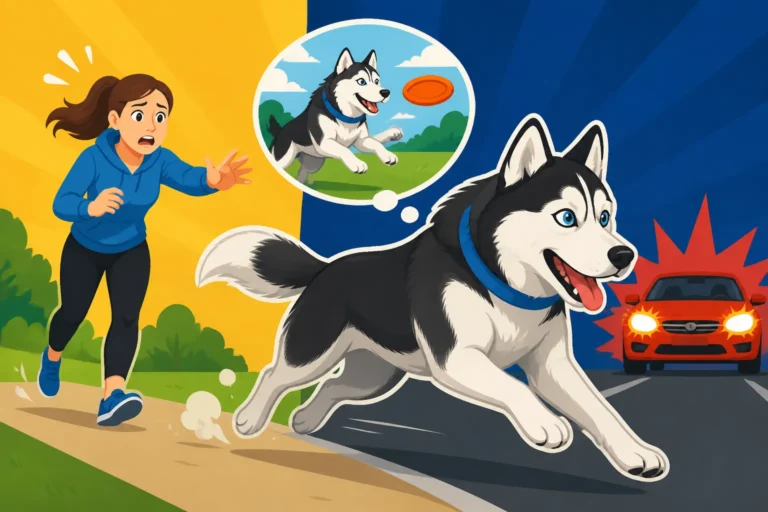
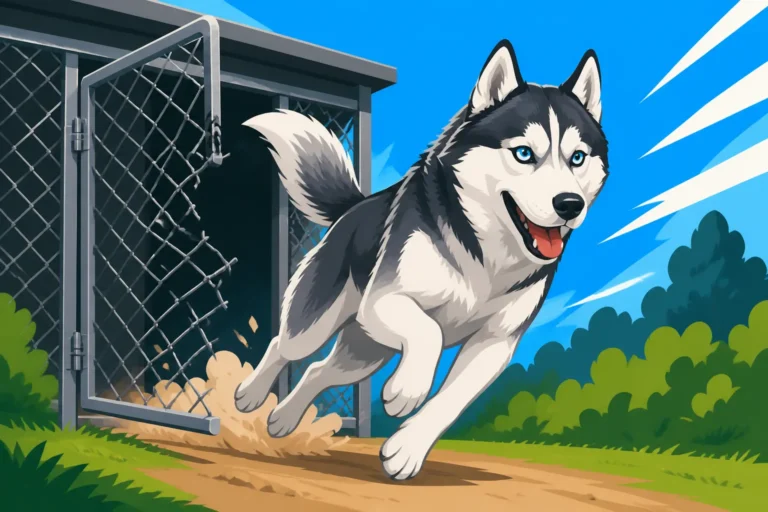
One of the most heart-stopping moments for any Siberian Husky owner is when your seemingly attentive dog suddenly locks onto something in the distance – a squirrel, another dog, a blowing leaf – and becomes completely deaf to your voice. That intense, unwavering focus, what we call fixation, is a direct portal to a bolted dog, a missed recall, or even a dangerous encounter. Understanding these early warning signs and what to do before your Husky is completely gone in their own world is absolutely critical for their safety and your peace of mind. This guide will help you decode those subtle signals and arm you with strategies to keep your adventurous companion grounded.
Understanding the Husky's Instincts
Before we can even begin to read a Siberian Husky for signs of fixation, we have to grasp the fundamental drives that make them tick. These aren't just quirks; they are ingrained instincts honed over centuries of working alongside humans in demanding environments.
The Hunter Within: Prey Drive
Let's be real, Huskies were bred to go. They're sled dogs, and their ancestors often had to forage or hunt small game when resources were scarce. This history has left many modern Siberians with a strong, undeniable prey drive. It's not about being "bad" or "disobedient"; it's deeply wired into their genetic makeup.
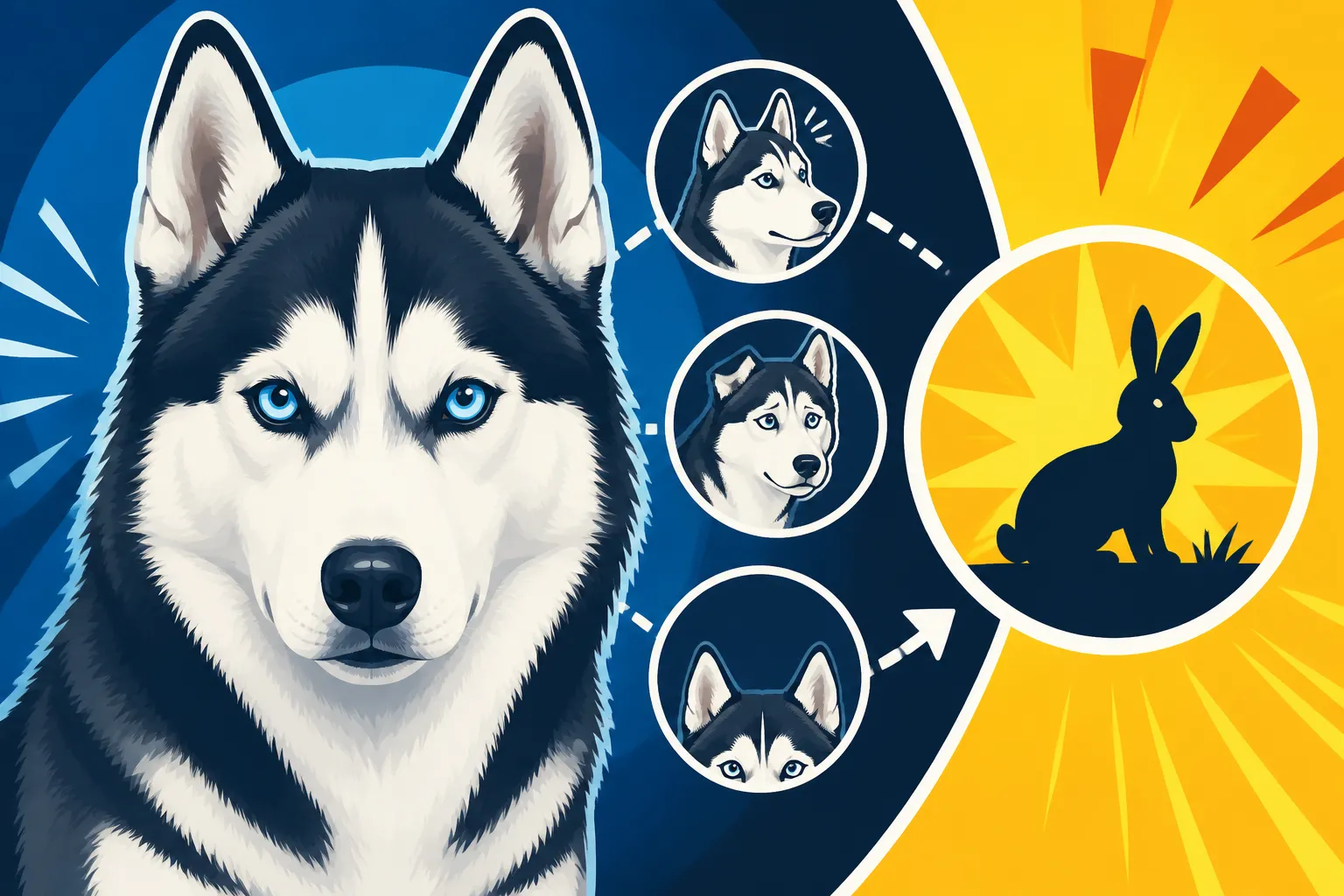
When a Husky fixates, often it's on something that triggers this prey drive. That could be a rabbit darting across a field, a cat strolling leisurely down the street, or even a leaf blowing erratically in the wind. Their eyes narrow, their body tenses, and their entire being becomes singularly focused on that moving target. In their minds, they're no longer your beloved pet; they're a predator on the hunt. This instinct is so powerful that it can override any training you've given them, any bond you share, and any logical thought about staying safe. You might call their name a hundred times, but to them, your voice is just background noise to the compelling call of the chase. This is why it's often said that Why a Siberian Husky Cannot Be Trusted Off Leash.
Independent Thinkers, Not People-Pleasers
Unlike some breeds that live to please their human companions, Siberian Huskies are often described as independent and strong-willed. This isn't to say they don't love you fiercely – they do! But their primary motivation isn't always human approval. They were bred to make decisions on the fly during long treks, sometimes miles ahead of their musher, meaning they learned to trust their own judgment.
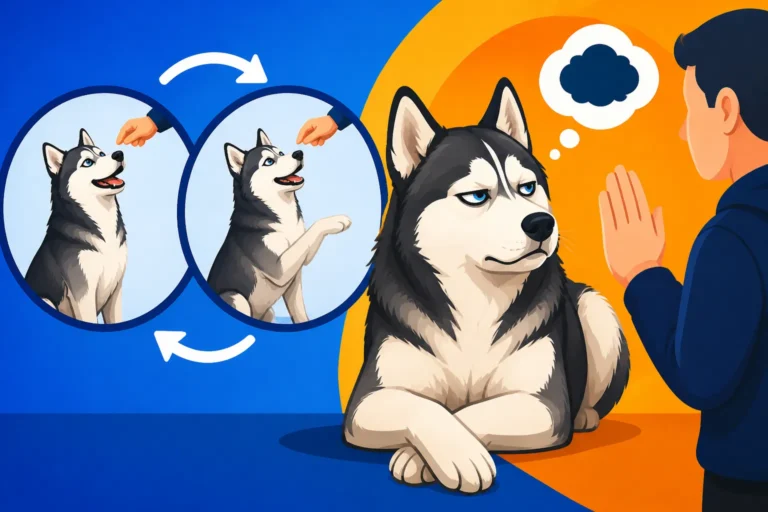
When a Husky fixates, this independence plays a huge role. They're not looking to you for permission or guidance; they're operating on their own internal compass. They've decided that whatever has caught their attention is more important than your command, at least in that moment. Understanding this helps us approach their training and management from a realistic perspective. You're not battling a stubborn dog; you're working with a highly intelligent, self-sufficient animal whose instincts are incredibly strong. Their independent nature also means that building a reliable Teaching a Siberian Husky to Come Back is a lifelong commitment, not a one-time achievement.
Environmental Triggers: What Sets Them Off?
What exactly can trigger this intense fixation? It's often more than just seeing a rabbit. Huskies are incredibly observant and their senses are finely tuned.
- Movement: This is the big one. Anything that moves quickly and erratically – a squirrel, a bird, a blowing plastic bag, even a distant jogger – can immediately grab their attention. Their eyes are designed to track movement, and their brains are programmed to respond to it.
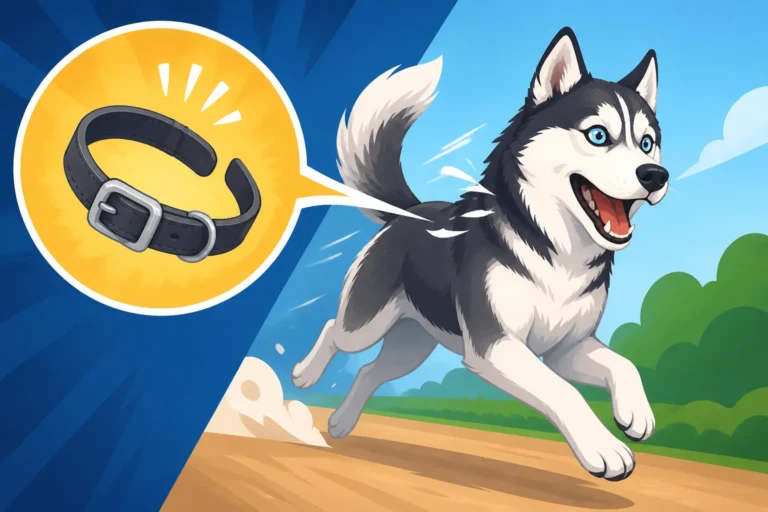
- Sounds: A high-pitched squeal, the rustle of leaves that might indicate hidden prey, or even the distinct jingle of another dog's collar can all trigger their heightened awareness. Their ears will often swivel and prick forward, trying to pinpoint the source.
- Smells: Oh, the smells! A fresh animal scent, the lingering odor of another dog, or even a particularly interesting patch of grass can become an irresistible draw. Their nose is a powerful tool, and they will follow a scent trail with incredible determination, often leading them far astray.
- Novelty: Sometimes, it's just something new. A strange person walking by with an unusual gait, a new construction site with unfamiliar sounds, or even a different type of car than they usually see. Huskies thrive on exploration, and anything novel can ignite that curiosity and lead to intense focus.
Recognizing these common triggers in your environment is the first step in being proactive. If you know a particular park is rife with squirrels, you can anticipate your Husky's potential for fixation and adjust your approach accordingly.
Subtle Signs Before the Bolt
The good news is that Huskies rarely go from zero to 100 in a nanosecond without some precursor. They usually give off subtle signals before they fully commit to the chase or the escape. Learning to read these often fleeting cues is like gaining a superpower as a Husky owner.
Body Language Cues: The Silent Language
Your Husky's body is a billboard of information, if you know how to read it. Before they bolt, you'll often see a sequence of distinct body language changes.
- Ears Pricked and Forward: This is one of the clearest initial signs. Their ears will snap up, often rotating slightly to focus on the sound or sight that has captured their attention. They're no longer relaxed or swiveling back to listen to you; they're locked onto something else.
- Intense Stare (Hard Eye): The eyes are critical. Their gaze will become fixed, unblinking, and incredibly intense. You might notice their pupils dilate slightly. They won't glance back at you, even if you call their name gently. This is their "hunting" stare.
- Stiffening Body and Tail: Their body posture will change from relaxed and flowing to rigid and coiled, like a spring ready to launch. Their tail, which might have been wagging loosely a moment ago, will often stiffen, perhaps holding high and still, or even tucked slightly if they're particularly intense or unsure. A stiff, high tail isn't always happy; it can mean high arousal.
- Low, Slow Tail Wag: Sometimes, rather than a stiff tail, you might see a very low, slow, almost imperceptible wag. This isn't a happy wag; it's often a sign of intense focus and internal conflict, or even a predatory "creep."
- Forward Lean/Creep: You might notice a subtle shift in their weight, a slight lean forward, or even a slow, deliberate "creep" in the direction of the object of their attention. Their muscles will be tense, ready for action.
- Closed Mouth: A Husky that is highly focused will often have a closed mouth. They're not panting from exertion or a happy smile; they're concentrating, conserving energy, and minimizing distraction.
These cues often happen in rapid succession, so you need to be observant and ready to react. This critical skill is part of truly understanding Reading a Siberian Husky Puppy's Health Paperwork – not just vet records, but their own inner workings.
Auditory and Olfactory Indicators: Beyond Sight
While visual cues are paramount, Huskies also rely heavily on their hearing and sense of smell.
- Ear Swiveling and Pinpointing: Even before they visibly fixate, you might see their ears twitch or swivel as they pick up a distant sound. They might pause mid-stride, head cocked, processing the auditory input. If they then lock their gaze, you know the sound was a trigger.
- Nose to the Ground/Air: If a new scent trail is the culprit, their nose will drop to the ground, or they'll lift their head, sniffing the air with rapid, deep inhalations. Their attention will be completely consumed by unraveling the olfactory mystery. They'll often pull strongly in the direction of the scent, oblivious to anything else. This strong scent drive is a key reason Why an Escaped Siberian Husky Is a Health Risk, as they'll follow a captivating smell over any obstacle.
- Ignoring Your Cues: This isn't a body language cue, but it's an important indicator. If you call their name or give a familiar command, and they show no flicker of recognition, their attention has already been hijacked. It's a clear sign that they're on the verge of fixation, if not already there.
Changes in Movement: Subtle Shifts
Pay attention to how your Husky moves.
- Hesitation/Pause: A sudden halt in their stride, especially if they were previously moving briskly, can signal they've detected something. They stop, process, and then decide whether to engage.
- Tension on the Leash: This is often the most obvious sign for many owners. The leash, which might have been slack, suddenly tightens as your Husky exerts pressure, trying to move towards the perceived interest. This tension isn't just physical; it's a reflection of their mental state.
By tuning into these subtle cues, you gain precious seconds – sometimes just milliseconds – to intervene before your Husky's focus becomes irreversible.
Proactive Strategies to Prevent Fixation
Knowing the signs is only half the battle. The real work comes in implementing strategies to either prevent fixation altogether or redirect it swiftly. This requires consistent training, smart management, and a willingness to be hyper-aware of your surroundings.
Foundation Training and Focus: Building a Connection
The stronger your foundation of training, the better your chances are of cutting through the noise of distraction.
- The "Watch Me" Command: This is gold for Huskies. Teach your Husky to make eye contact with you on cue, even for a brief second. Start in a quiet environment with high-value treats and gradually introduce distractions. When you see those early signs of fixation, a sharp "Watch me!" can sometimes break their focus long enough for you to regain control. Practice this constantly, in various locations.
- Name Recognition: Your Husky should respond to their name with immediate attention, regardless of what's happening around them. Practice calling their name and rewarding them when they orient towards you. Make their name a positive trigger, not just a precursor to a command.
- "Leave It" and "Drop It": These commands are invaluable. "Leave It" teaches your Husky to ignore tempting items on the ground or approaching distractions. "Drop It" helps if they've already grabbed something inappropriate. Consistent practice, especially with a Rewards That Beat the Siberian Husky Chase Instinct, builds reliability. BAXTER & Bella, an online dog training program, emphasizes these foundational skills, providing structured lessons that can be incredibly helpful for Husky owners grappling with strong instincts.
- Positive Reinforcement: Huskies respond best to positive reinforcement. Forcing them or using punishment can easily backfire, making them shut down or become even more independent and less likely to engage with you. Keep training sessions short, fun, and highly rewarding.
Management and Environmental Control: Setting Them Up for Success
Sometimes, the best training is simply preventing the opportunity for bad habits to form.
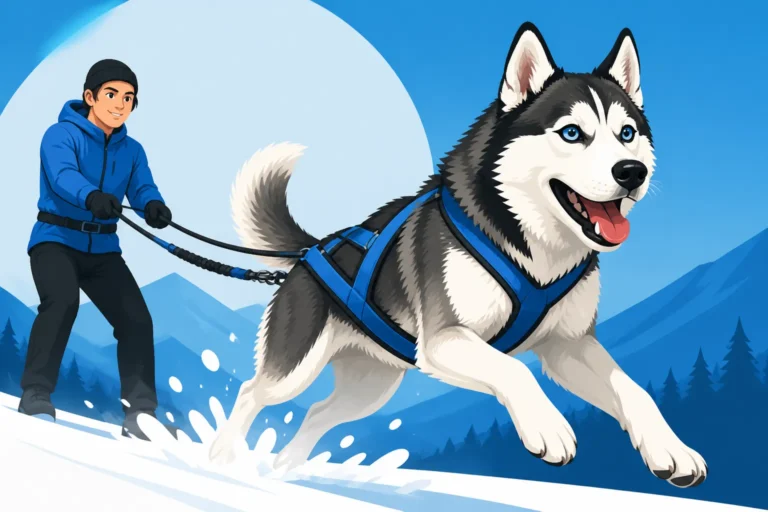
- Leash Management: Always use a secure leash and harness combo. For a strong puller or a dog with high prey drive, a front-clip harness can offer better control by redirecting their momentum. Never use an extendable leash in an unfenced area; it offers no control when a Husky bolts. Stick to a standard 6-foot leash for daily walks.
- Long Line Work: In safe, securely fenced areas (like a Sniffspot rental or a friend's large, double-fenced yard), practice recall and focus on a long line (30-50 feet). This allows you to simulate off-leash freedom while maintaining a safety net. Starting Long Line Work With a Siberian Husky is a game-changer for building reliable recall in a controlled environment. You can find quality long lines on Amazon, ensuring you have the right length and material for your Husky's strength.
- Secure Fencing: For your own yard, a 6-foot fence is generally considered the minimum for a Siberian Husky, and even then, some will climb or dig. Stopping a Siberian Husky From Escaping the Yard often means adding L-footers to prevent digging out and perhaps coyote rollers to prevent climbing over. Never underestimate a Husky's ingenuity when a rabbit hops by on the other side.
- Controlled Environments for Exposure: Don't throw your Husky into the deep end. Gradually introduce them to distracting environments. Start with quiet parks at off-peak hours, slowly increasing the level of activity as their focus improves. This careful exposure helps them learn to cope with triggers without becoming overwhelmed.
Redirection and Engagement Techniques: Interrupting the Spell
When you see those early signs of fixation, your goal is to interrupt their focus and redirect it towards you.
- The "Look at Me" Game: This is where your "watch me" command comes in handy. The moment you see their ears prick or their body stiffen, immediately use your cue, then reward heavily when they break their stare and look at you. Timing is crucial here.
- High-Value Treat Blitz: If a "watch me" isn't enough, literally shove a handful of their absolute favorite, super-stinky treats (like cooked chicken, cheese, or hot dogs) in front of their nose. The smell and the sudden taste explosion can often break their trance.
- Engage with a Toy: If your Husky has a favorite squeaky toy or tug toy, a sudden, exciting presentation of it can sometimes pull their attention away from the fixation object. Make it more enticing than the potential chase.
- Change Direction Abruptly: A quick, unexpected change of direction can sometimes surprise them out of their focus. The moment you see them start to fixate, give a cheerful "Let's go!" and pivot sharply, encouraging them to follow. Reward them for moving with you.
When Fixation Takes Hold: Interrupting the Drive
Despite your best efforts, there will be times when your Husky fixates so intensely that the subtle cues turn into a full-blown drive. These are the moments where you need an emergency plan.
Emergency Recall Practice: Your Last Resort
An emergency recall is different from a regular "come" command. It's a special, high-stakes command reserved only for critical situations.
- Unique Word: Choose a unique word or phrase that you never use otherwise (e.g., "COME HERE NOW!" or "HUSTLE!").
- Extreme Value: This command should always be associated with the absolute highest-value rewards possible – a handful of rotisserie chicken, a special squeaky toy, or a frantic game of tug.
- Practice in Controlled Chaos: Practice this command in increasingly distracting environments, but always with a long line on your Husky so you have a safety net. The moment you use it, the reward should be huge, even if they were already coming back. You want them to associate that word with an immediate, irresistible payday. An Emergency Stop Cue for a Siberian Husky is not just a command; it's a life insurance policy.
High-Value Rewards: What Truly Works
When a Husky is truly fixated, standard kibble or a gentle "good boy" isn't going to cut it. You need to pull out the big guns.
- Meat, Meat, Meat: Think cooked chicken, roast beef, hot dogs, cheese, or even liverwurst. Anything that smells strong and tastes amazing. Keep these in a treat pouch that you always have on you during walks.
- Favorite Toys: If your Husky has a specific toy they go absolutely wild for, use it. The key is to make you and the reward you offer more exciting and valuable than whatever has captured their attention.
- Verbal Excitement: Pair these high-value rewards with an equally high-energy, exciting voice. Make coming to you the most thrilling event of their day, every single time.
Safety First: What to Do If They've Already Fixated on Something Dangerous
Sometimes, despite all efforts, your Husky might fixate on something dangerous – a busy road, another dog that's not friendly, or even wildlife that could lead to injury.
- Tighten the Leash and Brace: If they're on a leash, tighten your grip, brace yourself, and prepare for a strong lunge. Do not let go.
- Physical Interruption (if safe): If they are physically close enough and it's safe to do so, step in front of them, block their line of sight, or gently but firmly guide them away from the trigger. This isn't about punishment; it's about breaking the visual connection to the stimulus.
- Calm but Firm Direction: Once you've interrupted the fixation, calmly but firmly guide them away from the area. Avoid yelling or panicking, as this can escalate their arousal.
- Prevent Future Situations: Analyze what led to the dangerous fixation. Was it a specific location? A time of day? A type of stimulus? Use this information to better manage future walks and avoid putting your Husky in similar high-risk situations. A Siberian Husky That Comes Only When It Suits is a dangerous animal; constant management is key.
Here's a quick summary table of common fixation signs and how to address them:
| Early Fixation Sign | Interpretation (What's happening?) | Proactive Action (What you should do) | Management Tools & Tips |
|---|---|---|---|
| Ears Pricked & Forward | Pinpointing a sound/sight, heightened alert | Use "Watch Me" or call name immediately; offer treat | Consistent "Watch Me" practice; high-value treats easily accessible |
| Intense Stare (Hard Eye) | Locking onto a target, predatory focus | Get between Husky and target if safe; use emergency recall word; treat blitz | Secure leash/harness; knowledge of Why a Siberian Husky Cannot Be Trusted Off Leash |
| Stiffening Body/Tail | Tensing up for action, preparing to move | Change direction sharply; engage with a favorite toy | Long line for controlled practice; avoid known high-distraction areas |
| Nose to Ground/Air (intense) | Following a strong scent trail | Offer a treat near their nose to redirect; verbal excitement | Work on "Leave It" consistently; understand Siberian Husky Prey Drive Around Small Animals |
| Ignoring Your Cues | Attention fully diverted, hearing selectively | Deploy emergency recall; high-value treat blitz | Consider online training support like BAXTER & Bella for foundational skills |
| Tight Leash/Forward Lean | Attempting to move towards trigger | Brace yourself; pivot away quickly; create distance from trigger | Quality front-clip harness (e.g., from Amazon); reinforced fencing for yard |
Understanding and responding to these subtle signals is an ongoing process with a Siberian Husky. It requires patience, consistency, and a deep appreciation for their unique instincts. By becoming a keen observer of your dog's body language and behavior, you can preemptively manage their powerful drives, keeping them safe and strengthening the incredible bond you share.
Disclaimer
This article is for general informational purposes only and does not constitute professional advice. Laws, prices and regulations vary by location and change over time. Consult a qualified professional for guidance on your specific situation.