Why an Escaped Siberian Husky Is a Health Risk
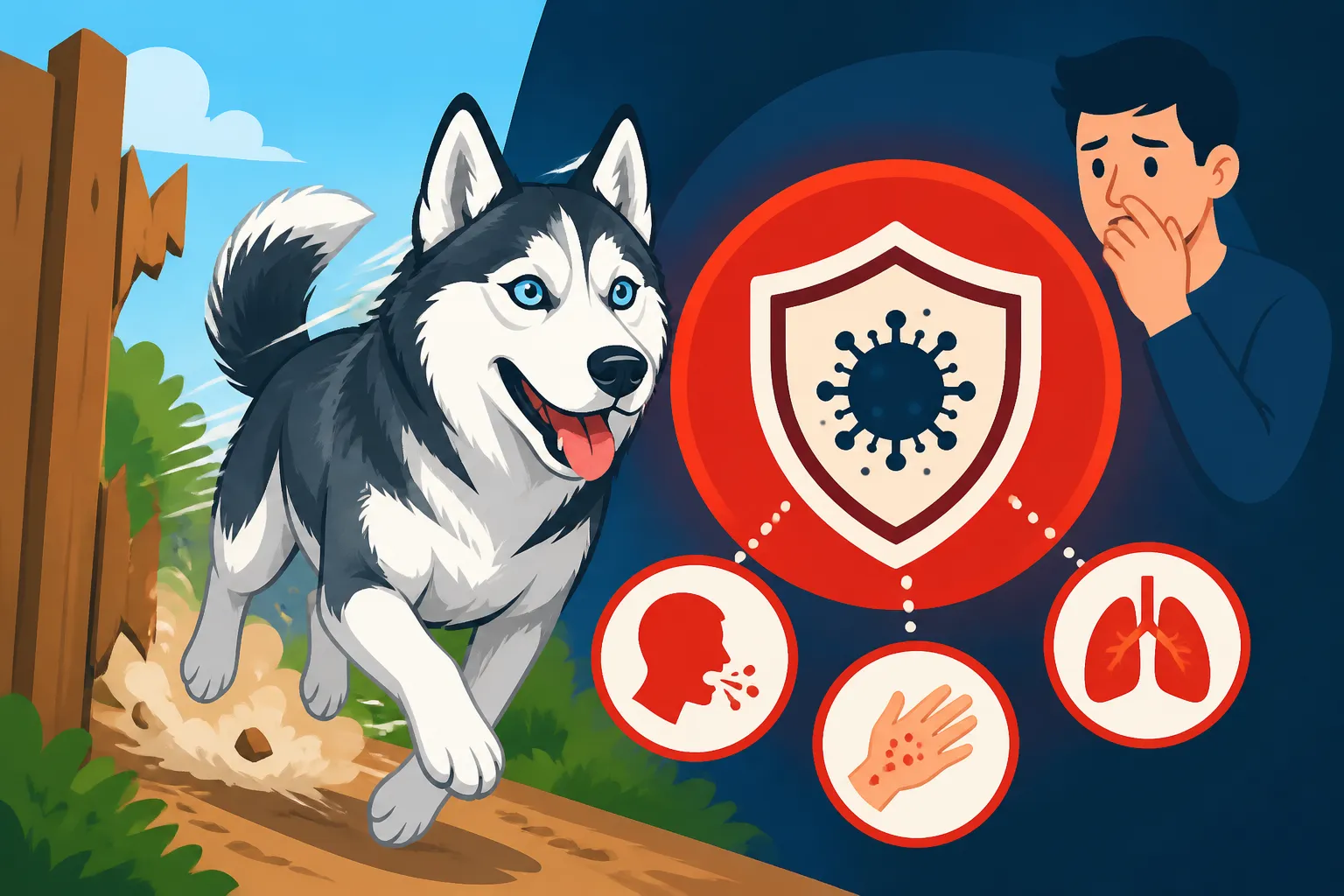
When your Siberian Husky manages to slip past you at the door or find that tiny, impossible gap in the fence, your heart doesn't just sink – it plummets. It's a terrifying moment that every Husky owner dreads because you know, deep down, that a loose Husky isn't just "on an adventure"; they're in immediate, grave danger. This guide isn't here to scare you, but to lay out the very real and significant health risks your beloved Siberian Husky faces the moment they become an escape artist.
Immediate Dangers on the Road and Beyond
The thrill of freedom can quickly turn into a nightmare for an escaped Siberian Husky. Their boundless energy and natural roaming instinct, while part of their charm, become huge liabilities once they're off-leash and out of your sight. The world outside your secure yard is full of hidden perils, each capable of causing severe injury or worse.
Traffic Accidents: The Most Obvious Threat
Let's face it, this is often the first, gut-wrenching thought that flashes through a Husky owner's mind. Siberian Huskies are built for speed and endurance, not for navigating busy streets. They don't understand traffic laws, the danger of fast-moving vehicles, or the concept of a "crosswalk." Their instinct is to run, to explore, and to follow scents, often completely oblivious to their surroundings. A car appearing seemingly out of nowhere can cause unimaginable trauma.
The injuries sustained in a collision can range from devastating to fatal. We're talking about broken bones – often multiple fractures that require complex surgeries and prolonged recovery. Internal injuries are also a huge concern; even if your Husky appears outwardly okay, a blunt force trauma could have caused damage to vital organs like the lungs, liver, or spleen, leading to internal bleeding that isn't immediately visible. Head trauma is another terrifying possibility. The financial and emotional toll of such an event is immense, and sadly, many incidents result in what veterinarians call "hit-by-car syndrome," where multiple system failures occur, sometimes leading to euthanasia despite best efforts. It's a stark reminder of why Siberian Husky Deaths From Trauma and Escape are unfortunately common.
Encounters with Other Animals and People
Your friendly, goofy Husky might be great with the family cat, but an escaped Husky encounters an entirely different social landscape. Once they're loose, their interactions with other dogs, wildlife, and even unfamiliar people can quickly escalate into dangerous situations, leading to severe health complications.
Firstly, other dogs. Not all dogs are as well-socialized or as friendly as yours, and off-leash encounters, especially when one dog is running free, can quickly turn into fights. Your Husky might be attacked by a territorial dog, or in their excitement, they might initiate a skirmish. Dog fights can result in deep puncture wounds, lacerations, and crushing injuries, which can get infected rapidly. Beyond visible trauma, there's the risk of disease transmission. If your Husky's vaccinations aren't up to date, they could be exposed to illnesses like kennel cough, distemper, or parvovirus from unknown dogs in the neighborhood or at a local park.
Then there's wildlife. Depending on where you live, an escaped Husky could encounter coyotes, foxes, raccoons, or even larger predators like bears or mountain lions. While Huskies might look wolf-like, they are domestic animals and are often ill-equipped to handle serious confrontations with wild animals. These encounters can lead to serious bites, scratches, and a high risk of contracting diseases like rabies. Even smaller animals, like skunks or porcupines, can inflict painful injuries that require veterinary intervention, often involving sedation for quill removal or treatment for nasty sprays.
Finally, people. While most people are kind to animals, a large, fast-moving dog running loose can be perceived as a threat. If your Husky, in their excitement, jumps on someone or even nips them accidentally, it can lead to legal issues, including mandatory quarantine, fines, or even the dog being deemed dangerous. More tragically, if a scared individual reacts defensively, your Husky could be injured. Even if your Husky is the sweetest dog, their appearance can be intimidating, and not everyone understands their playful nature or how to interpret their body language.
Ingestion of Harmful Substances
An escaped Siberian Husky is a curious creature with a powerful nose and an instinct to forage. Out in the world, they are exposed to a myriad of toxic substances that are rarely found within the confines of a safe home or yard. The risks are everywhere, from residential areas to industrial zones.
Think about common household and garden products. Antifreeze, with its sweet taste, is deadly even in small amounts. Rat and mouse poisons are designed to be palatable and can cause internal bleeding. Fertilizers, pesticides, and weed killers used on lawns can be ingested from puddles or contaminated grass. Even seemingly innocuous items like human medications dropped on the street, chocolate left in a discarded wrapper, or discarded chicken bones from someone's trash can cause severe gastric upset, obstructions, or poisoning. Many common houseplants are toxic if ingested, let alone unfamiliar plants found in parks or wild areas.
The signs of poisoning can vary wildly depending on the substance, but they often include vomiting, diarrhea, lethargy, tremors, seizures, or difficulty breathing. The onset can be rapid, and immediate veterinary attention is crucial. Emergency veterinary visits for poisoning can be incredibly expensive and stressful, highlighting the importance of prevention and keeping an eye on your Husky's whereabouts.
Environmental and Hidden Health Hazards
Beyond the immediate, visible dangers, the environment itself poses significant health risks to an escaped Siberian Husky. Their remarkable adaptability to cold doesn't make them invincible, and exposure to unfamiliar elements or unseen pathogens can have serious, lasting consequences.
Exposure to Extreme Weather and Elements
While Siberian Huskies are renowned for their ability to withstand frigid temperatures, they are not immune to the perils of the outdoors when lost and unprotected.
In warmer months, one of the biggest dangers is Heat Stroke Risk in a Siberian Husky. These dogs have a thick double coat that, while insulating, can become a liability during intense exertion in hot and humid conditions. A lost Husky, running miles in a panic or relentlessly searching for you, can quickly overheat. Signs of heatstroke include excessive panting, drooling, weakness, disorientation, and collapse. Without immediate cooling and veterinary care, heatstroke can lead to organ failure and death. Even in milder weather, prolonged exposure to direct sunlight without shade, especially if they are exhausted, can pose a risk.
Conversely, in severe winter conditions, while their coat provides excellent protection, sustained exposure without shelter can still lead to hypothermia and frostbite. If they fall into icy water, get soaked, or are unable to find adequate shelter during a blizzard, their body temperature can drop dangerously low. Their ears, tails, and paw pads are particularly vulnerable to frostbite. Beyond the immediate cold, a lost Husky also faces the challenge of dehydration. Finding clean, accessible water sources can be difficult, especially if ponds and streams are frozen or polluted, leading to dangerous electrolyte imbalances.
Parasites, Pests, and Disease Exposure
When your Husky is out roaming, they're essentially an open target for a whole host of unseen enemies that can severely compromise their health. The risks of parasites and diseases skyrocket without your watchful eye and preventative measures.
Fleas and ticks are an immediate concern. Walking through tall grass or wooded areas, an escaped Husky can quickly become infested. Fleas cause intense itching, skin irritation, and can transmit tapeworms. Ticks are even more concerning, carrying a plethora of serious diseases such as Lyme disease, anaplasmosis, and ehrlichiosis, which can lead to chronic pain, organ damage, and debilitating illnesses if not caught and treated early. These diseases often require expensive, long-term medication and can permanently impact your dog's quality of life. Owners might not even realize their Husky has picked up these pests until days or weeks after their return, when symptoms begin to manifest. It’s why Parasite Prevention for an Outdoor Siberian Husky is so critical, even for those who are typically contained.
Beyond external parasites, there's a significant risk of internal parasites. Ingesting contaminated water from puddles, eating discarded food, or scavenging from animal feces can expose your Husky to intestinal worms like roundworms, hookworms, and whipworms, as well as giardia and coccidia. These can cause severe gastrointestinal distress, malnutrition, and if left untreated, serious health complications.
Furthermore, a loose Husky is at a much higher risk of encountering animals carrying infectious diseases. We already touched on rabies from wildlife, but there are also airborne diseases like canine distemper and canine parvovirus, highly contagious and often fatal, especially to unvaccinated or partially vaccinated dogs. Contact with sick stray animals or areas frequented by them can put your Husky at grave risk, even if they've had some vaccinations.
Injuries from Terrain and Obstacles
A Husky's enthusiasm for running often overrides their caution, making them susceptible to various physical injuries when navigating unfamiliar and unpredictable environments. The natural landscape, as well as man-made obstacles, can cause significant trauma.
Running at top speed, your Husky might not see a hidden divot, a sharp rock, or a slippery patch of mud, leading to sprains, strains, or even fractures in their legs or paws. Their powerful nails can get snagged on roots or asphalt, resulting in painful torn nails or paw pad lacerations. Imagine them scrambling over rough terrain, through thorny bushes, or attempting to scale fences; deep cuts and abrasions are almost inevitable. These open wounds are then prime sites for infection, especially if they are left exposed to dirt and grime for an extended period.
Beyond falls and scrapes, there's the danger of getting tangled. Fishing lines, discarded ropes, or even loose fencing can become death traps, wrapping around limbs and causing severe circulation problems or deep cuts. They could also fall into ditches, old wells, or construction sites, trapping them or causing significant impact injuries. In their desperate attempts to free themselves, they can exacerbate existing injuries or create new ones. Such incidents often necessitate emergency medical attention, potentially including surgery, and can easily lead to a significant vet bill.
The Stress and Long-Term Impact on Your Husky's Health
An escaped Siberian Husky doesn't just face physical dangers; the emotional and psychological toll of being lost can be just as damaging, leading to a cascade of long-term health issues even after they are safely back home.
Psychological Trauma and Anxiety
The experience of being lost is incredibly frightening for a dog. Imagine being in an unfamiliar environment, unable to find your way home, and separated from the people you love. This can induce severe psychological trauma and anxiety in your Husky, with lasting effects.
Even after being reunited, many Huskies exhibit behavioral changes. They might become clingier, showing increased separation anxiety when you leave, even for short periods. Some may become more destructive, chewing on inappropriate items or having accidents in the house, as a way to cope with their newfound stress. Others might become withdrawn, lethargic, or hesitant to engage in activities they once enjoyed. This heightened state of anxiety can manifest physically, impacting their immune system and making them more susceptible to illness. Persistent stress can also exacerbate existing conditions or trigger new ones, from skin issues to gastrointestinal problems. Professional behavioral therapy or anxiety-reducing medications might be needed, adding another layer of care and cost to their recovery.
Physical Exhaustion and Malnutrition
The effort of being lost is physically demanding. A Siberian Husky, in its instinct to roam or find its way back home, can cover vast distances, expending an enormous amount of energy. This sustained exertion, especially without proper rest, leads to profound physical exhaustion.
During their escape, finding adequate and safe food and water sources is incredibly challenging. They might go days without proper nutrition, or resort to scavenging whatever they can find, which, as we discussed, often includes harmful or non-nutritious items. This lack of appropriate fuel, combined with constant movement, can lead to rapid weight loss, muscle wasting, and severe dehydration. Their weakened state makes them incredibly vulnerable to illness; a compromised immune system struggles to fight off infections or recover from injuries. They might return home looking gaunt, with dull coats and sunken eyes, a clear indication of the ordeal they've endured. Rebuilding their strength and health requires careful feeding, monitoring, and patience, and can be a slow process.
The Cost of Recovery and Prevention
Let's be realistic: a lost Husky often comes with a hefty price tag beyond the emotional distress. From the moment they go missing to their full recovery, the financial implications can be staggering.
Emergency veterinary bills are often the first and most significant expense. If your Husky is hit by a car, gets into a fight, or ingests something toxic, you're looking at diagnostics (X-rays, blood work), surgeries, medications, and overnight stays that can easily run into thousands of dollars. Even minor injuries like cuts or sprains still require examination, cleaning, and antibiotics. This is where pet insurance, like a policy from Healthy Paws, can be an absolute lifesaver. Having coverage for accidents and illnesses can mitigate the financial burden, allowing you to focus on your Husky's recovery rather than the looming debt. It’s a proactive step that many experienced owners swear by, recognizing that prevention isn't always foolproof and accidents happen.
Beyond the initial emergency, there might be follow-up appointments, rehabilitation therapy for severe injuries, specialized diets, or even behavioral consultations if the experience has left psychological scars. The costs can continue long after your Husky is back home, underscoring the importance of preventative measures. When you look at the potential costs, investing in secure fencing, robust training, and reliable identification methods suddenly seems like a minor expense in comparison.
Crucial Steps to Mitigate Risk and Ensure Safety
Understanding the dangers is the first step, but proactive measures are what truly protect your Siberian Husky. Preventing an escape, or ensuring a quick and safe return, is paramount to their health and well-being.
Proactive Prevention: Securing Your Home and Yard
The number one defense against an escaped Husky is a secure environment. These dogs are notorious escape artists, and they will exploit even the smallest weakness. It’s not just about having a fence; it's about having a Husky-proof fence.
Start with the fence itself. A minimum of a six-foot fence is essential, but even then, many Huskies are excellent climbers. Consider adding "coyote rollers" or lean-ins at the top of chain-link fences to prevent scaling. Don't forget about digging! Huskies love to dig, so burying hardware cloth or L-footers along the bottom of your fence can deter them from tunneling out. Regularly inspect your fence for loose boards, weakened posts, or new holes. Never underestimate their ability to squeeze through gaps that seem impossibly small. Remember, The Six-Foot Fence a Siberian Husky Needs is just the starting point; you need to make it impenetrable.
Beyond the fence, secure all gates with heavy-duty latches that your Husky can't easily manipulate. Double-latch systems or even padlocks are a good idea. Always supervise your Husky, especially when they are outside. Even a perfectly secure yard can become a point of egress if a delivery person leaves the gate ajar or a playful moment leads to a quick dash. Inside the home, be mindful of open doors and windows. Teaching strong door manners, where your Husky waits patiently rather than bolting, can be life-saving.
When walking, always use a secure harness – ideally a front-clip or a martingale harness – in addition to a collar with ID tags. Huskies are masters at slipping traditional collars, and What Happens When a Siberian Husky Slips a Collar can be disastrous.
Identification and Emergency Preparedness
Even with the most meticulous prevention, accidents can happen. If your Husky does get out, quick and accurate identification is your best friend for a safe return and minimizing health risks.
Every Siberian Husky should be microchipped. This tiny chip, implanted under the skin, contains a unique ID number that can be scanned by any vet, shelter, or animal control officer. Ensure your microchip registration information is always up-to-date with your current address and phone numbers. This is a non-negotiable step for any Husky owner.
In addition to a microchip, your Husky should always wear a collar with current ID tags. These tags should include your name, phone number, and perhaps a note about their temperament or any vital medical conditions. Make sure the tags are securely fastened and readable. Some owners also opt for GPS trackers on their Husky's collar, which can provide real-time location tracking – an invaluable tool for these long-distance runners.
Beyond identification, have an emergency plan. Keep a recent, clear photo of your Husky on your phone. Know the contact information for your local animal control, shelters, and veterinary emergency clinics. Having this information readily available saves precious time during a stressful search. Regular veterinary check-ups are also crucial; a healthy Husky is more resilient if they do get lost, and having a consistent vet history on file can be helpful if they are found injured. Consider a pet insurance plan like Healthy Paws; it can help cover unexpected vet bills if your Husky gets hurt while on the run.
Training for Recall and Containment
Training plays a critical role in minimizing the health risks associated with an escaped Siberian Husky, even if it feels like an uphill battle with their independent nature. While no Husky can ever be 100% trusted off-leash, a strong foundation of recall and containment cues can significantly improve their chances of a safe return.
For a Siberian Husky, traditional recall training often needs a unique approach. Their prey drive and desire to roam mean that the reward for coming back needs to be incredibly high – often higher than the thrill of the chase. High-value treats (like cooked chicken or cheese), enthusiastic praise, and exciting games are essential. Start training in a secure, distraction-free environment, gradually introducing more distractions as they improve. Remember, Teaching a Siberian Husky to Come Back is an ongoing process, not a one-time lesson. Practice it constantly, making it fun and rewarding.
It's equally important to train for containment. This means teaching them strong "wait" or "stay" cues at open doors and gates. Work on leash manners diligently, so they don't pull and slip their collar in a moment of excitement. Consider advanced obedience classes or working with a trainer experienced with northern breeds, as Training an Independent Siberian Husky requires a nuanced understanding of their specific motivations and challenges. While a "perfect" recall might be a lofty goal for a Husky, every improvement in their responsiveness dramatically increases their safety margin should they ever find themselves free.
Summary of Health Risks for an Escaped Siberian Husky
| Category of Risk | Specific Hazards | Potential Health Impacts |
|---|---|---|
| Immediate Trauma | Traffic accidents | Broken bones, internal injuries, head trauma, fatality |
| Dog fights, wildlife attacks | Puncture wounds, lacerations, crushing injuries, rabies/other disease transmission | |
| Ingestion of toxins (antifreeze, poisons, human meds) | Organ damage, seizures, internal bleeding, gastrointestinal distress, fatality | |
| Environmental | Extreme heat/cold, dehydration | Heatstroke, hypothermia, frostbite, organ damage, exhaustion |
| Parasite exposure (fleas, ticks, worms) | Skin irritation, tapeworms, Lyme disease, anaplasmosis, malnutrition, severe GI upset | |
| Terrain injuries (falls, cuts, tangles) | Sprains, fractures, lacerations, infections, entrapment, amputations | |
| Long-Term Impact | Psychological trauma, anxiety | Behavioral changes, increased stress, immune system suppression, new/exacerbated health issues |
| Physical exhaustion, malnutrition | Weight loss, muscle wasting, dehydration, weakened immune system, susceptibility to illness | |
| Financial burden of treatment | Significant vet bills for emergencies, ongoing care, potential behavioral therapy |
Disclaimer
This article is intended for informational purposes only and does not constitute veterinary advice. The health risks discussed are general in nature; always consult with a qualified veterinarian for specific concerns about your Siberian Husky's health or in the event of an emergency.