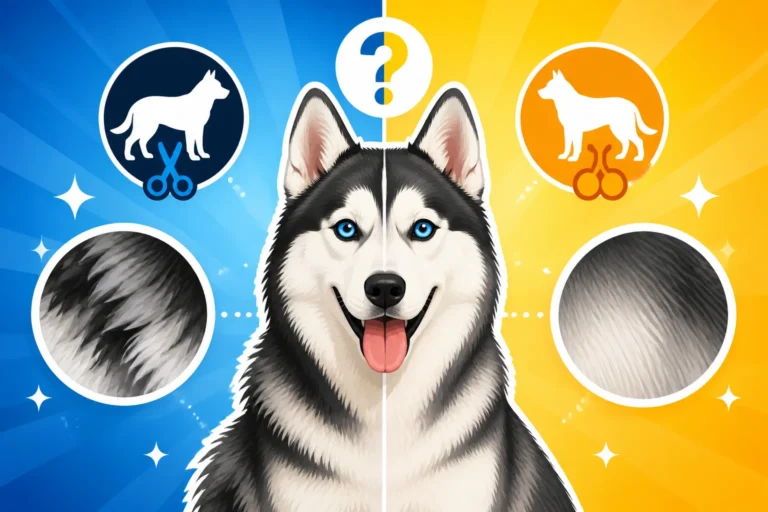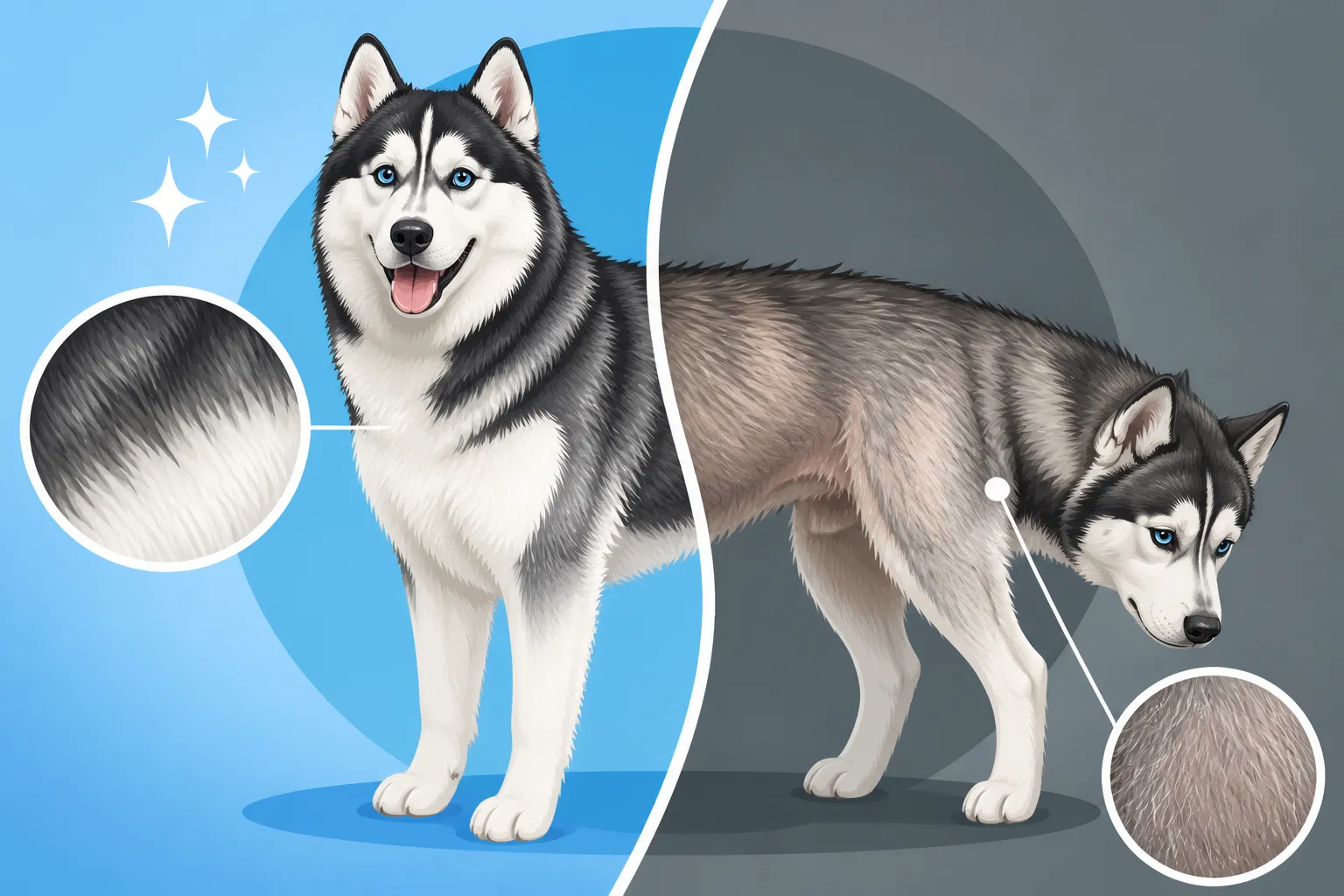
A Siberian Husky Coat That Turns Dull and Thin
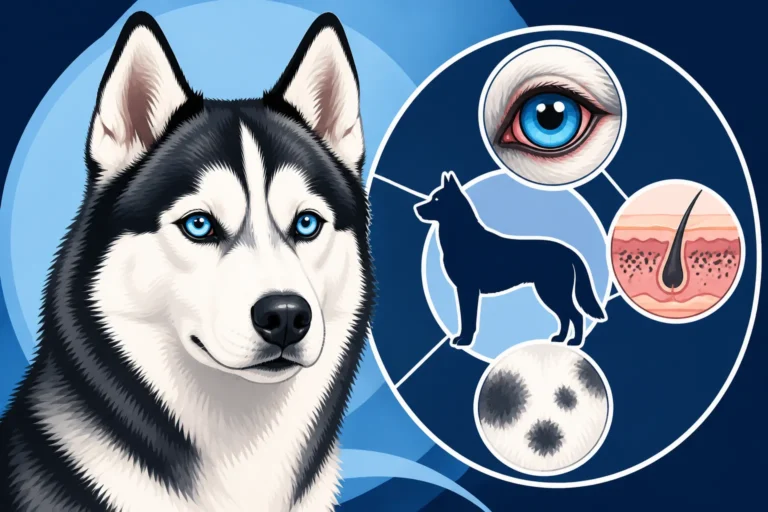
It can be incredibly disheartening, even alarming, to notice your Siberian Husky's once magnificent, thick coat starting to look dull, thin, or patchy. You might brush them endlessly, convinced it's just a shed, but the lush double coat you adore just isn't bouncing back. This guide is here to walk you through the common reasons why your Husky's coat might be losing its luster and offer practical steps to help restore their healthy, vibrant fur.
Understanding the Husky Coat: A Double-Edged Sword
Siberian Huskies are renowned for their incredible, weather-resistant double coats. This isn't just about looking beautiful; it's a testament to their arctic heritage, designed to protect them from extreme cold and even help regulate their body temperature in warmer climates. When this iconic coat starts to falter, it's a clear signal that something isn't quite right beneath the surface.
The Marvel of the Double Coat
A Husky's coat consists of two distinct layers: a soft, dense undercoat for insulation and warmth, and a longer, coarser outer coat (or guard hairs) that provides protection from elements like snow, ice, and even UV rays. These guard hairs are water-repellent and give the Husky its characteristic smooth, sleek appearance. This dual-layer system is incredibly efficient, which is why a healthy Husky rarely feels the cold.
This remarkable coat is also why they have intense seasonal "blows," where they shed massive amounts of undercoat to adapt to changing temperatures. It's a natural, albeit messy, process. However, a coat that consistently appears thin, lackluster, or shows signs of bald patches outside of these normal shedding cycles, is a cause for concern. It’s important to differentiate between a healthy, albeit heavy, shed and a coat that’s genuinely struggling.
When "Normal Shedding" Becomes Something More
Every Husky owner knows the ritual of the "coat blow" – those weeks twice a year when you could knit a new dog from the hair you collect. During these times, it's normal for the coat to look a bit thinner as the old undercoat makes way for new. But if your Husky’s coat is thinning year-round, or if the texture is rough, brittle, and lacks shine, that's not just a shed. This isn't the temporary patchiness from a massive release of fur; this is a more persistent issue where the new hair isn't growing in properly, or the existing hair is weak and breaking.
It's particularly frustrating because you might be doing all the right things – regular brushing, good food – and still see that dullness persist. This suggests a deeper problem than just a missed grooming session or a slow recovery from a shed. We need to look beyond the surface to understand what might be causing this noticeable decline in coat quality.
Common Reasons for a Dull, Thinning Coat in Huskies
Several factors, ranging from the easily fixable to more serious health concerns, can contribute to a Husky's coat losing its vibrancy and thickness. It’s often a process of elimination to figure out the root cause.
Nutritional Deficiencies and Poor Diet
Just like us, what your Husky eats profoundly impacts their skin and coat health. A diet lacking in essential fatty acids (like Omega-3s and Omega-6s), quality proteins, or crucial vitamins and minerals can quickly manifest as a dull, dry, and thinning coat. Many commercial dog foods, while seemingly adequate, might not provide the optimal balance for a Husky's unique metabolism and energetic needs. Remember, a Siberian Husky's metabolism is incredibly efficient, meaning they often require less food than similarly sized breeds, but that food must be nutrient-dense. You can explore topics like The Protein Level a Siberian Husky Needs or Fish-Based Food for a Siberian Husky Coat for more insights into optimizing their diet.
Even if you're feeding a "premium" brand, consider the specific ingredients. Fillers, artificial colors, and low-quality protein sources can hinder nutrient absorption, leading to a host of problems including poor coat health. Some Huskies might also have subtle food sensitivities that, while not causing overt allergies, can still irritate their skin and impact their coat over time. A common frustration is trying different foods and not seeing a change, making it feel like you're chasing an invisible problem.
Parasites and Skin Irritations
It sounds obvious, but external parasites like fleas, ticks, and mites can cause intense itching, leading your Husky to scratch, bite, and chew at their fur, resulting in patchy hair loss and a generally unhealthy-looking coat. The irritation itself can also cause inflammation that affects hair follicle health. Even if you don't see the critters, their presence can be subtle but damaging. Regular Parasite Prevention for an Outdoor Siberian Husky is critical, especially if your dog spends a lot of time outside.
Beyond parasites, environmental allergens (pollen, dust mites, mold) or contact irritants (certain shampoos, cleaning products) can also trigger skin inflammation, redness, and itching. This constant irritation disrupts the natural hair growth cycle and can lead to hair breakage or loss. The Husky's thick double coat can sometimes mask these issues initially, making it harder to spot until the thinning becomes more pronounced.
Environmental Stressors
Believe it or not, stress can literally make your Husky's hair fall out or become dull. Major life changes, separation anxiety, boredom, or even chronic fear can impact their overall health, including their coat. A stressed dog might excessively lick or chew certain areas, leading to localized hair loss. Additionally, harsh weather conditions, while Huskies are generally hardy, can take a toll if they're not properly managed. Exposure to excessive sun without shade or constant dampness can also degrade coat quality over time.
For example, Huskies living in very hot climates who don't have adequate cooling options might experience chronic stress on their coat. While they adapt well, they aren't impervious to overheating. A lack of proper grooming, especially during a Siberian Husky Coat Blow and the Six Weeks It Lasts, can also lead to matting and skin irritation, which in turn affects overall coat health. Ignoring the incredible amount of loose undercoat during these periods creates a breeding ground for skin problems, making the coat appear thin and unhealthy underneath the mats.
Underlying Health Conditions Affecting Coat Quality
Sometimes, a dull or thinning coat is a symptom of a deeper, systemic health issue. These are often harder to diagnose and require veterinary intervention. Pet insurance, like that offered by Healthy Paws, can be incredibly helpful when facing the diagnostic costs and treatments for these types of conditions.
Hypothyroidism: The Silent Coat Thief
One of the most common medical reasons for a dull, dry, and thinning coat in Siberian Huskies is hypothyroidism. This condition occurs when the thyroid gland doesn't produce enough thyroid hormones, which are crucial for regulating metabolism and maintaining healthy skin and hair. The changes often start subtly: a general dullness to the coat, perhaps some excessive shedding, and then progress to sparse, brittle hair, especially on the flanks, tail, and sometimes the bridge of the nose.
Affected Huskies might also show other signs, such as weight gain despite no change in diet, lethargy, intolerance to cold, and recurring skin infections. It's a frustrating diagnosis because the symptoms can be vague, and the coat changes often mimic severe shedding or other issues. If you notice a Siberian Husky coat that turns dull and thin alongside these other symptoms, it's definitely time for a vet visit. Your vet can perform a simple blood test to check thyroid levels. For a deeper dive into this condition, check out Siberian Husky Hypothyroidism and Coat Change.
Zinc-Responsive Dermatosis
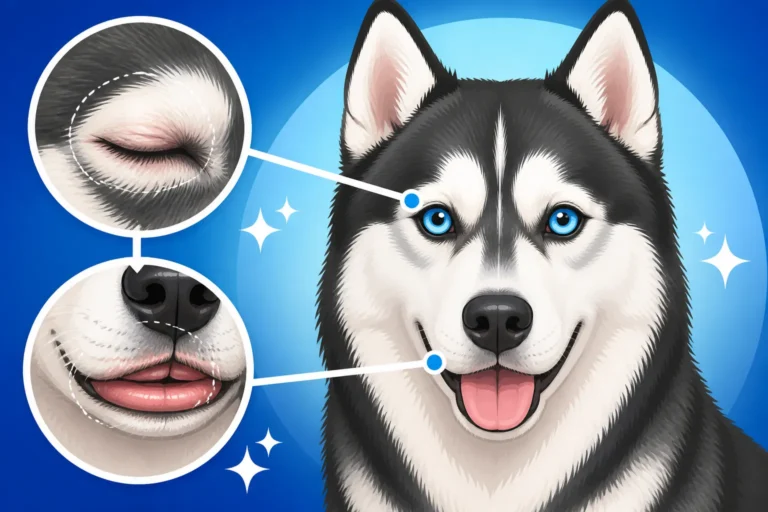
This condition is particularly prevalent in northern breeds like Siberian Huskies due to a genetic predisposition to poor zinc absorption, even if there's sufficient zinc in their diet. Zinc is vital for healthy skin and immune function. Without adequate zinc, the skin around the eyes, mouth, ears, and pressure points (like elbows) can become dry, crusted, and inflamed, leading to hair loss and a generally poor coat appearance. You might notice a Crusting Skin on a Siberian Husky's Face or other specific lesions.
It’s often misdiagnosed as allergies, but treatment involves zinc supplementation, not antihistamines or steroids. Understanding Why Siberian Huskies Absorb Zinc Poorly is key to managing this lifelong condition. The coat thinning can be localized to the affected areas, but the overall health of the skin is compromised, which reflects in the general quality of the fur. Ongoing care for conditions like this, including medication, can be part of what pet insurance providers like Healthy Paws help manage, depending on your specific policy terms and waiting periods.
Other Hormonal Imbalances and Autoimmune Issues
Beyond hypothyroidism, other hormonal imbalances, such as Cushing's disease (overproduction of cortisol) or imbalances related to sex hormones, can also lead to hair loss and a dull coat. These conditions are less common in Huskies but are still possibilities to consider if other causes have been ruled out. They often come with a wider array of systemic symptoms.
Autoimmune diseases, where the body's immune system attacks its own tissues, can also target the skin and hair follicles. Conditions like Pemphigus Foliaceus in the Siberian Husky can cause crusting, sores, and hair loss, severely impacting the coat's health and appearance. Diagnosing these conditions typically involves skin biopsies and specialized testing, which again highlights the benefit of having comprehensive pet insurance like Healthy Paws, which can alleviate some financial stress during these complex diagnostic journeys. It's truly a relief to have support when your beloved companion faces these unexpected health challenges.
Steps to Restore Your Husky's Lustrous Coat
Seeing your Husky's coat transform from dull and thin to vibrant and healthy again requires a multi-pronged approach, often starting with your veterinarian.
Optimizing Diet and Supplements
First and foremost, review your Husky's diet. Opt for a high-quality dog food with a named meat protein as the first ingredient, and ensure it's rich in Omega-3 and Omega-6 fatty acids. Many owners find success with salmon-based foods or adding fish oil supplements (like wild Alaskan salmon oil) directly to their dog's meals. These fatty acids are crucial for skin barrier function and coat luster. Remember that Feeding a Siberian Husky on an Efficient Metabolism means less volume but higher quality.
If zinc-responsive dermatosis is suspected or diagnosed, zinc supplementation will be necessary, under veterinary guidance, as too much zinc can also be harmful. Your vet can help determine the correct dosage. Don't just blindly add supplements; always consult with your vet to ensure you're providing what your individual Husky needs without creating new imbalances.
Regular Grooming and Skin Care
Consistent, thorough grooming is paramount. During shedding periods, daily brushing with an undercoat rake and a slicker brush will remove dead hair and stimulate circulation, promoting new growth. Consider using a high-velocity dryer to "blow out" the undercoat, which is far more effective than just brushing for deep deshedding. You can learn more about how to do this effectively in guides like A High-Velocity Dryer for a Siberian Husky Coat.
Bathing should be done sparingly with a gentle, moisturizing shampoo designed for dogs, followed by a good conditioner to prevent dryness. Over-bathing can strip natural oils. If skin irritation is present, your vet might recommend a medicated shampoo. Always ensure your Husky is completely dry after a bath to prevent skin issues.
Consulting Your Veterinarian
If you've addressed diet and grooming without significant improvement, or if you notice other symptoms like lethargy, weight changes, or persistent itching, a visit to your veterinarian is non-negotiable. They are your best resource for diagnosing underlying medical conditions. Be prepared to discuss your Husky's diet, lifestyle, recent changes, and any other symptoms you’ve observed.
Your vet might recommend blood tests, skin scrapings, or biopsies to pinpoint the exact cause of the coat issues. Early diagnosis and treatment are crucial for conditions like hypothyroidism or zinc-responsive dermatosis. Remember, proactive health management is always best, and understanding What a Siberian Husky Insurance Policy Excludes before issues arise can save a lot of worry and expense down the line.
| Potential Cause | Common Symptoms | Initial Action | Veterinary Intervention |
|---|---|---|---|
| Nutritional Deficiency | Dull, dry, brittle coat; excessive shedding; slow regrowth. | Review and upgrade diet; consider fatty acid supplements. | Dietary assessment; blood work to check nutrient levels. |
| Parasites | Itching, redness, visible fleas/mites, patchy hair loss, skin irritation. | Strict flea/tick prevention; topical treatments. | Skin scrapings; prescription antiparasitics. |
| Hypothyroidism | Dull, sparse, brittle coat (especially flanks/tail); lethargy; weight gain; cold intolerance. | Observe for other symptoms. | Thyroid blood panel; hormone replacement therapy. |
| Zinc-Responsive Dermatosis | Crusting, scaling, hair loss around eyes, mouth, ears, pressure points. | Avoid self-treating with zinc. | Skin biopsy; specific zinc supplementation regimen. |
| Allergies | Excessive itching, redness, inflammation, hair loss, recurrent ear/skin infections. | Identify and eliminate allergens (food/environmental). | Allergy testing; corticosteroids; antihistamines. |
| Other Hormonal/Autoimmune | Variable hair loss patterns; skin lesions; systemic illness signs. | Detailed observation of all symptoms. | Extensive diagnostics (blood work, biopsy); specialized treatment. |
Disclaimer
The information provided in this article is for general informational purposes only and is not a substitute for professional veterinary advice. Always consult with a qualified veterinarian for any health concerns or before making any decisions related to your Siberian Husky's health or treatment plan.