Fish-Based Food for a Siberian Husky Coat
Many Siberian Husky owners find themselves constantly battling dull coats, dry skin, or excessive shedding that just doesn't seem to quit, even outside of those notorious seasonal "blows." It's incredibly frustrating to want your beautiful husky to look and feel their best, only to see their glorious double coat looking a bit lackluster. If you've been wondering how to give your husky that show-stopping shine and support their skin health from the inside out, this guide will walk you through how fish-based foods can be a powerful ally for their unique coat needs.
Understanding Your Siberian Husky's Incredible Coat
Your Siberian Husky's coat isn't just pretty; it's a marvel of natural engineering, designed to protect them in extreme conditions. But precisely because it's so specialized, it also requires particular care and nutrition to stay at its best. It’s easy to assume all dog coats are the same, but a husky’s is a whole different ballgame.
The Double-Layered Marvel
A Siberian Husky's coat is a perfect example of a double coat, meaning it has two distinct layers. You've got the outer layer, known as the guard hairs. These are longer, coarser, and somewhat waterproof. Their job is to protect your husky from snow, rain, and UV rays, preventing moisture from reaching the skin and offering a first line of defense against the elements. They’re the reason your husky often shakes off water rather than getting soaked to the bone.
Underneath those guard hairs lies the true insulating wonder: the undercoat. This layer is thick, soft, and dense, made up of shorter, woolly hairs. It's what provides your husky with incredible insulation, trapping air close to their body to keep them warm in freezing temperatures and, perhaps surprisingly, helping to keep them cool in warmer weather by preventing heat absorption. When your husky "blows" their coat, which happens twice a year with impressive intensity, it's primarily this undercoat that comes out in magnificent, fluffy clumps. If you've ever dealt with a full Siberian Husky Coat Blow and the Six Weeks It Lasts, you know exactly what I mean! The sheer volume of hair can be astonishing.
So, when we talk about a healthy husky coat, we're talking about both these layers functioning optimally. The guard hairs should be smooth and intact, reflecting light, while the undercoat should be dense and soft. Any issues in either layer can lead to problems like skin irritation, matting, or a dull appearance.
Signs of a Healthy vs. Unhealthy Coat
Knowing what a healthy Siberian Husky coat looks and feels like is the first step in noticing when something might be amiss. A healthy husky coat should be vibrant and have a natural sheen. The fur should feel soft to the touch, especially the undercoat, and the skin beneath should be clear, supple, and free from flakes, redness, or bumps. When you run your hands through their fur, it should feel clean and not greasy, and there shouldn't be an overwhelming doggy odor. They’ll still shed, of course – it’s a husky, after all – but it won't be accompanied by excessive scratching or skin issues.
On the flip side, an unhealthy coat can manifest in several ways. You might notice the fur looking dull, brittle, or coarse, lacking that characteristic husky luster. Perhaps the texture has changed, becoming wiry or unusually greasy. Dry, flaky skin, often accompanied by dandruff or excessive scratching, is a common indicator of underlying issues. You might also spot redness, irritation, or even small bumps on the skin. Sometimes, the shedding can seem constant and heavy, even outside of the expected coat blows, or patches of hair might appear thin or absent. If your husky's usually pristine appearance has taken a turn for the worse, it's a clear signal that it's time to investigate their diet and overall care routine. Seeing a dull coat after a long winter, even with regular brushing, can be a sign that internal support is needed.
Why Fish-Based Foods Are a Game Changer for Husky Coats
When we talk about nourishing that magnificent husky coat, what goes into their bowl is paramount. Fish-based foods often stand out as an excellent choice, providing a powerful cocktail of nutrients specifically geared towards skin and coat health. It’s not just about adding a bit of fish oil – it’s about a comprehensive approach.
The Power of Omega-3 Fatty Acids
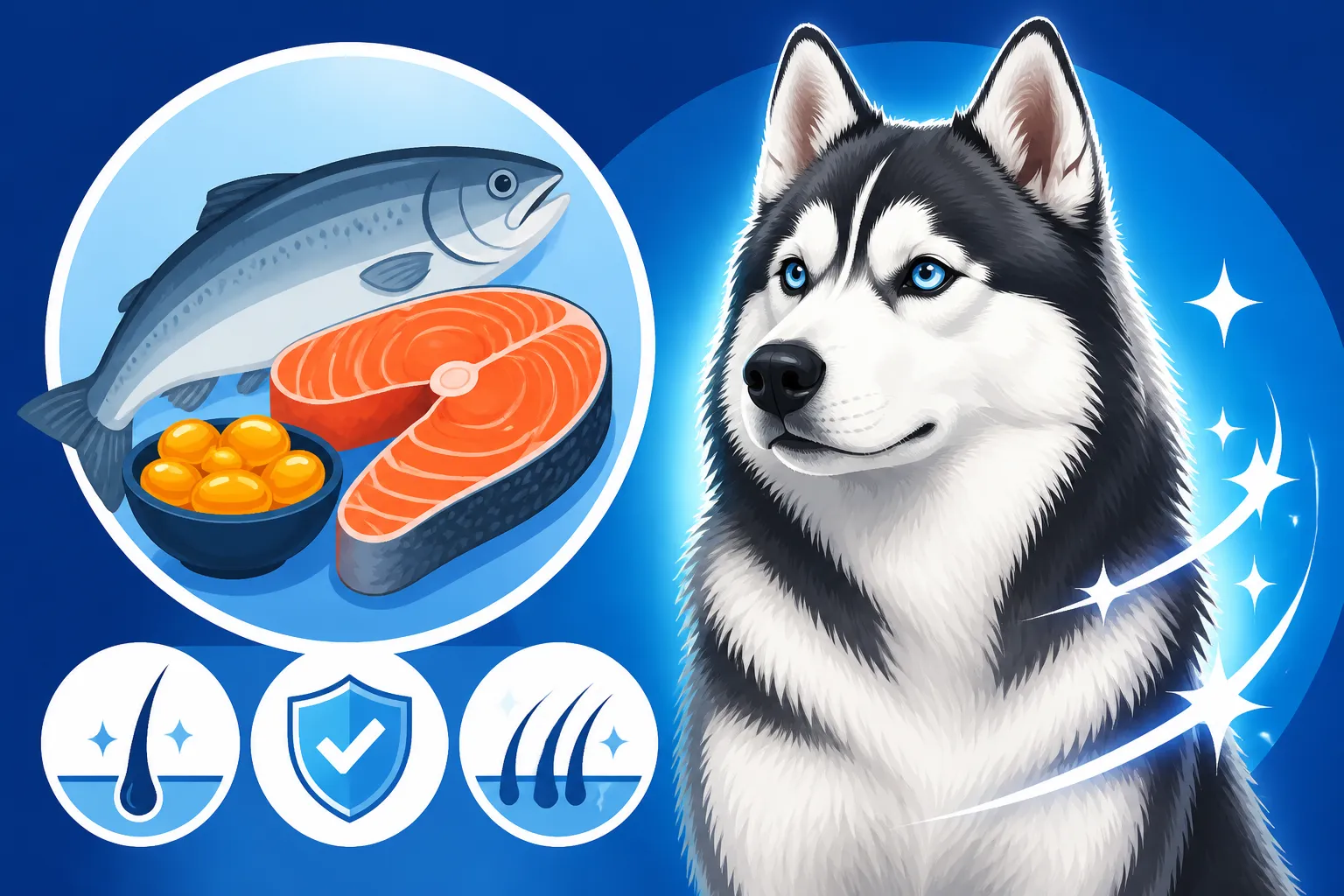
This is perhaps the biggest reason fish-based foods shine for skin and coat health. Fish, particularly fatty fish like salmon, mackerel, and sardines, are incredibly rich sources of omega-3 fatty acids, specifically Eicosapentaenoic Acid (EPA) and Docosahexaenoic Acid (DHA). These aren't just good for their brain or heart; they're absolute superstars for the integumentary system – that's skin and coat, to us!
Omega-3s are renowned for their powerful anti-inflammatory properties. For a husky that might be struggling with dry, itchy skin, these fatty acids can help reduce inflammation and soothe irritation, leading to less scratching and a healthier skin barrier. Think of it like a natural moisturizer and calming agent from the inside out. They also contribute directly to the production of healthy skin cells and natural oils, which are crucial for maintaining the coat's shine and softness. A well-hydrated skin barrier means less flaking and a more resilient coat. We've seen countless huskies transform from having perpetually flaky skin to a soft, radiant coat just by making this dietary switch. It’s truly a game-changer for those who experience persistent dryness or a lack of luster.
High-Quality Protein for Hair Follicle Health
Beyond the fantastic fatty acids, fish offers high-quality, easily digestible protein. Protein is the fundamental building block of hair. Each strand of your husky's glorious fur is primarily made of keratin, a protein. Without adequate, high-quality protein in their diet, hair growth can become stunted, the coat can appear thin, and individual hairs can become brittle and weak.
Fish provides a complete protein profile, meaning it contains all the essential amino acids your husky needs. For many dogs, fish protein is also less likely to trigger sensitivities compared to some more common protein sources like chicken or beef, which can manifest as skin issues or a dull coat. When hair follicles are nourished with the right protein, they produce strong, healthy hairs that are less prone to breakage and contribute to a thick, dense coat. This is especially important for maintaining the integrity of that crucial double coat. When considering Protein and Fat Ratios for a Siberian Husky, fish often offers an ideal balance, supporting both energy needs and structural health like hair and muscle.
Essential Vitamins and Minerals in Fish
Fish isn't just about omegas and protein; it's a treasure trove of other essential micronutrients vital for skin and coat health.
- Vitamin D: Often called the "sunshine vitamin," Vitamin D plays a role in immune function and skin health, helping to regulate cell growth and repair.
- B Vitamins: Many B vitamins, including biotin, niacin, and B6, are critical for healthy skin and hair. Biotin, in particular, is well-known for its role in strengthening hair and nails.
- Selenium: This trace mineral acts as an antioxidant, protecting skin cells from damage and supporting overall cellular health.
- Iodine: Essential for thyroid function, which in turn significantly impacts coat quality. An underperforming thyroid can often lead to a dull, dry, and thinning coat.
- Zinc: While Siberian Huskies have a unique challenge with zinc absorption (as seen in Zinc-Responsive Dermatosis in the Siberian Husky), fish can be a source of dietary zinc, contributing to overall health even if supplementation is still needed for some.
Together, these vitamins and minerals work synergistically with the omega-3s and protein to ensure comprehensive support for your husky’s skin and coat, promoting not just outward shine but genuine, deep-down health.
Choosing and Integrating Fish-Based Foods into Your Husky's Diet
Okay, so you’re convinced that fish-based food might be the answer to your husky's coat woes. But where do you start? The world of dog food can be overwhelming, and it’s important to make informed choices that truly benefit your unique Siberian Husky.
Types of Fish and Fish Ingredients to Look For
When you're scanning ingredient lists, look for specific fish sources known for their high omega-3 content.
- Salmon: A superstar, rich in both EPA and DHA. Wild-caught salmon is often preferred for higher omega-3 levels and fewer contaminants.
- Mackerel: Another excellent fatty fish, usually smaller and sustainably sourced.
- Herring: A small, oily fish packed with omegas.
- Sardines: Tiny but mighty, offering a concentrated dose of healthy fats.
You'll often see these listed as the primary protein source (e.g., "salmon meal," "deboned salmon") or as an added oil (e.g., "salmon oil," "fish oil"). "Fish meal" can be a good, concentrated source of protein and omegas, provided it's from a named fish source (like "salmon meal" rather than "fish meal" which can be less specific). Always aim for named fish sources in the first few ingredients.
Here’s a quick overview of some common fish ingredients:
| Fish Type | Omega-3 Content (EPA/DHA) | Protein Quality | Digestibility | Notes |
|---|---|---|---|---|
| Salmon | High | Excellent | High | Very common, great all-around choice |
| Mackerel | High | Excellent | High | Often sustainably sourced, strong flavor |
| Herring | High | Excellent | High | Rich in Vitamin D |
| Sardines | Very High | Excellent | High | Small fish, less mercury concern |
| Whitefish (Cod) | Moderate | Excellent | Very High | Lower fat, good for sensitive stomachs |
| Fish Meal | Variable | Excellent | High | Concentrate of fish, check named source |
| Fish Oil | Very High | N/A | High | Supplement, adds omegas without bulk food |
When choosing a food, read the label carefully. Some foods might say "with fish" but only contain a tiny amount, while others genuinely use fish as the main protein.
Dry Kibble, Wet Food, or Supplements?
You have a few avenues to explore when incorporating fish into your husky's diet:
- Dry Kibble: This is the most common and often most convenient option. Many premium dog food brands offer formulas with salmon, whitefish, or other fish as the primary protein. Look for brands that clearly state their omega-3 content and use high-quality, named fish ingredients. Sites like Chewy and Amazon offer a vast selection, allowing you to compare ingredients and reviews easily. This can be a great foundational change for consistent intake.
- Wet Food: Fish-based wet foods can be highly palatable for picky eaters and provide extra hydration. They often feature larger pieces of fish and might be a good option if your husky struggles with chewing kibble or needs a boost in moisture intake. You can use it as a topper or as a complete meal.
- Supplements (Fish Oil): If your husky is doing well on their current food but just needs an omega-3 boost, a fish oil supplement can be an excellent addition. Look for high-quality, third-party tested fish oils that specify EPA and DHA levels, often sourced from wild-caught small fish to minimize mercury concerns. You can easily find these supplements from reputable brands on Amazon or through pet specialty stores. This is a targeted approach that allows you to control the exact dosage of omega-3s. Remember, while some foods might contain enough for a baseline, a supplement can often provide the therapeutic levels needed for significant coat improvement.
Gradually Transitioning Your Husky's Diet
Switching your husky's food too quickly can lead to digestive upset – think vomiting, diarrhea, or a grumpy tummy. Their sensitive systems need time to adjust to new ingredients, especially a new protein source like fish.
Here’s a general guideline for a smooth transition:
- Day 1-3: Mix about 25% new food with 75% old food.
- Day 4-6: Increase to 50% new food and 50% old food.
- Day 7-9: Step up to 75% new food and 25% old food.
- Day 10 onwards: Your husky should be comfortably eating 100% new food.
Watch your husky closely during this period. Are their stools normal? Is their appetite good? Some huskies might be naturally more sensitive, or even picky, and you might need to extend each stage of the transition. If your husky has a history of A Siberian Husky With a Sensitive Stomach, you might want to take it even slower, adding just a tablespoon of new food at a time over several days. Patience is key here; a slow introduction is far better than a quick switch that ends in an upset stomach for your beloved companion.
Beyond the Bowl: Holistic Coat Care for Your Siberian Husky
While nutrition is arguably the most critical component for a healthy Siberian Husky coat, it's just one piece of the puzzle. A truly radiant coat and healthy skin are the result of a holistic approach that includes proper grooming, environmental considerations, and knowing when to call in the professionals.
Complementary Grooming Practices
Even with the best fish-based diet, regular grooming is non-negotiable for a husky. Their thick double coat needs attention to prevent matting, distribute natural oils, and remove dead undercoat.
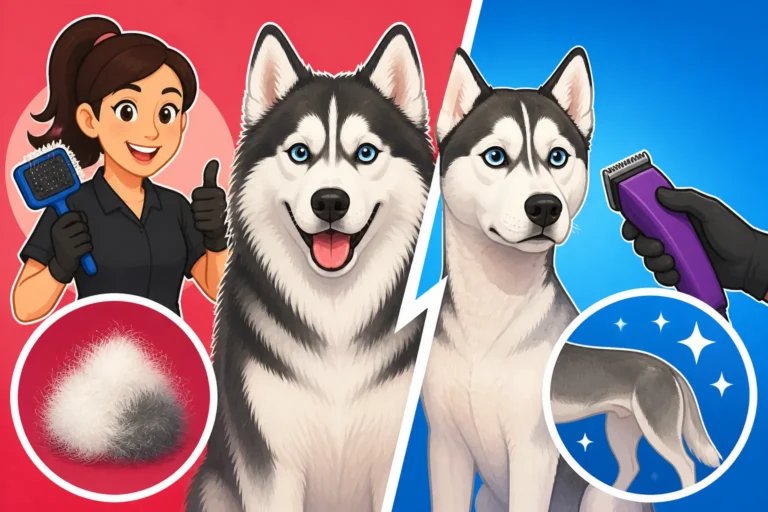
- Brushing, Brushing, Brushing: This is your primary weapon against coat issues. Aim for regular brushing, ideally a few times a week, and daily during their intense shedding seasons. Use an undercoat rake and a slicker brush to get deep into that thick fur and remove loose hair. This stimulates circulation in the skin and helps spread those healthy oils produced thanks to their good diet. It’s amazing How Much Undercoat Comes Off a Siberian Husky during one of these sessions! For more detailed guidance, check out Siberian Husky Weekly Grooming Between Blows.
- Bathing: Siberian Huskies are surprisingly clean dogs and don’t need frequent bathing. Over-bathing can strip their natural oils, leading to dry skin and a dull coat. When you do bathe them, use a dog-specific shampoo designed for sensitive skin or shedding. Ensure you rinse thoroughly to avoid residue that can irritate the skin.
- Avoid Shaving: This cannot be stressed enough: never shave your Siberian Husky. Their double coat is designed to protect them from both heat and cold. Shaving can permanently damage the coat's structure, causing it to grow back improperly, reducing its insulating properties, and making them more susceptible to sunburn and overheating. This is a huge no-no for their health and coat integrity; always remember Why You Must Never Shave a Siberian Husky.
Environmental Factors and Hydration
Your husky’s environment also plays a role in their coat health. Dry indoor air, especially during winter with heating systems, can zap moisture from their skin and coat, leading to dryness and flaking. Using a humidifier in your home can sometimes help, particularly if you notice your husky's skin getting extra dry in colder months.
Equally important is consistent hydration. Just like us, dogs need plenty of water for healthy skin and bodily functions. Always ensure your husky has access to fresh, clean water. If they aren’t a big drinker, consider adding a bit of bone broth or some water to their food. Proper hydration supports skin elasticity and helps nutrients travel effectively throughout their body, including to the hair follicles.
When to Consult Your Vet
While a fish-based diet can work wonders for many huskies, it's crucial to know when to seek professional veterinary advice. If your husky's coat issues persist despite dietary changes and consistent grooming, or if you notice any of the following, it’s time for a vet visit:
- Intense, incessant itching: This could indicate allergies, parasites, or a more serious skin condition.
- Bald patches or significant hair loss: Beyond normal shedding, this needs investigation.
- Sores, scabs, or pus: Signs of infection that require medical attention.
- Unusual odors: Strong, unpleasant smells emanating from the skin or coat.
- Changes in skin color or texture: Redness, darkening, or thickening of the skin.
Sometimes, a dull coat or skin problems can be symptoms of underlying health issues, such as a hormonal imbalance like Siberian Husky Thyroid and Autoimmune Disease. Your vet can perform diagnostics to rule out or identify these conditions and provide appropriate treatment plans. They might also suggest specific supplements or medications if dietary changes aren't quite enough. Always consider your vet as your primary partner in your husky's long-term health journey.
Disclaimer
This article is for general informational purposes only and does not constitute professional advice. Laws, prices and regulations vary by location and change over time. Consult a qualified professional for guidance on your specific situation.