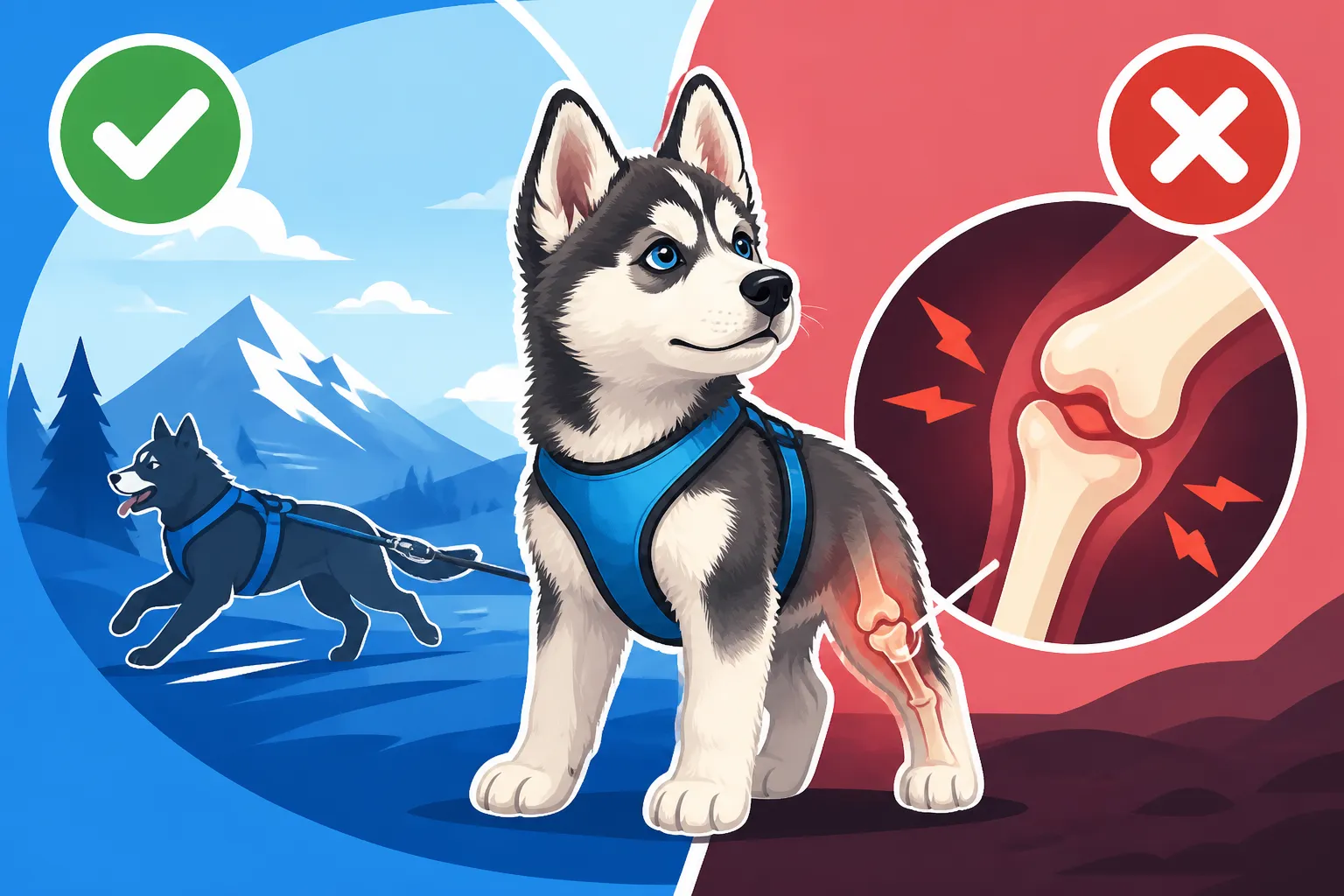
Whether Harness Work Damages a Young Husky’s Joints
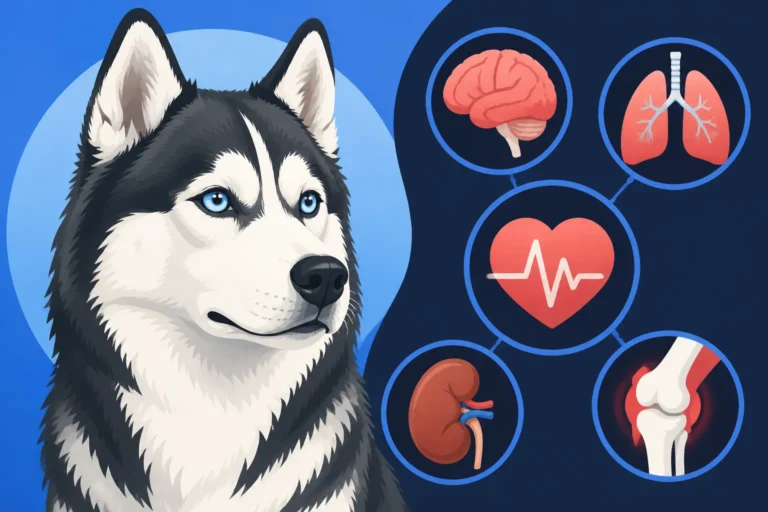
One of the most common worries new Siberian Husky owners have, especially if they're dreaming of harness sports, is whether starting those activities too early could permanently damage their beloved dog's joints. It’s a completely valid concern, as the thought of causing long-term pain to a puppy is truly heartbreaking. This guide is here to untangle the complexities of growth plate development, the inherent design of a Husky, and how to safely introduce them to the joys of pulling without jeopardizing their precious joint health.
Understanding the Developing Husky Skeleton
Before we even talk about harnesses, it's crucial to understand what's going on inside your young Husky's body. They might look like miniature adults, full of boundless energy, but their skeletons are far from fully formed. Rushing into strenuous activity before their bones are mature can have serious, irreversible consequences.
Growth Plates and Their Vulnerability
Think of growth plates, also known as epiphyseal plates, as the soft, cartilaginous areas near the ends of a puppy's long bones. These are the factories where new bone tissue is produced, allowing the bones to lengthen as your Husky grows from a tiny fluffball into a magnificent adult. The crucial thing to remember is that these plates are incredibly vulnerable to injury because they are softer than the surrounding bone, tendons, and ligaments. A growth plate injury, especially a severe one, can lead to abnormal bone growth, limb deformities, or even permanent lameness.
For most Siberian Huskies, these growth plates don't fully close and harden into solid bone until they are typically between 12 to 18 months of age, with larger breeds sometimes taking even longer. While this is a general guideline, individual dogs can vary. During this critical period, excessive impact, repetitive strain, or heavy weight-bearing activities can easily damage these delicate structures. This is why you'll often hear experienced Husky owners and veterinarians advise against high-impact activities like aggressive jumping, intense agility, or certainly, heavy pulling until your Husky is physically mature. Until then, gentle, controlled exercise is the name of the game, allowing their bodies to develop naturally without undue stress. If you're wondering When a Siberian Husky Stops Growing, keep this growth plate closure timeline in mind.
How Sled Dog Genetics Influence Joint Development
Siberian Huskies were bred for endurance, not for power-pulling colossal loads like some other draft breeds. Their ancestors were the lean, efficient, long-distance runners of the frozen north, pulling light loads across vast stretches of tundra. This genetic blueprint means they generally have strong, well-formed joints designed for continuous, moderate effort rather than explosive, heavy strain. Indeed, when you look at statistics, the Siberian Husky Hips and Why the Rate Is Low is often a point of pride among breed enthusiasts compared to many other medium to large breeds.
However, this inherent robustness doesn't make them invincible, especially when they're young. While their hips might be less prone to dysplasia, their developing joints, like any other breed, still need protection during their formative months. Their efficient metabolism and lean build are assets, helping them maintain a healthy weight which significantly reduces stress on their joints throughout their Siberian Husky Lifespan and What Shortens It. But even with these advantages, applying too much force, too much duration, or the wrong kind of pressure before their skeleton is fully ossified can counteract their natural strengths and predispose them to issues they might otherwise have avoided. It's about respecting their genetics while also acknowledging the vulnerabilities of youth.
The Impact of Early Harness Work on Joints
This is where the rubber meets the road, or perhaps more accurately, where the harness meets the puppy. Many people envision harness work as a powerful sled dog pulling a heavy load, but it encompasses a range of activities. Understanding these distinctions is key to preventing harm.
Distinguishing Between Light Exercise and Heavy Pulling
Let's clarify what we mean by "harness work." For a young Husky, simply wearing a regular walking harness (especially a front-clip one designed to discourage pulling) for a leisurely stroll around the neighborhood is vastly different from being hitched to a sled, bicycle, or even a person for a rigorous pulling session.
- Casual Walking in a Harness: This kind of "harness work" is perfectly fine for puppies once they are comfortable wearing one. In fact, a well-fitting harness can be better for their developing necks and tracheas than a collar, especially if they tend to pull a bit. Front-clip harnesses like those from Balance Harness or Easy Walk can even help teach polite leash manners without putting strain on delicate areas. This is low-impact, controlled exercise that contributes to socialization and basic obedience, all while protecting their neck.
- Weighted Pulling or Sustained Sprinting: This is the category that demands caution. True "harness work" for pulling sports, such as canicross, bikejoring, skijoring, or actual sled pulling, involves a dog actively engaging their muscles to move a load (even if it's just your body weight). These activities put significant, often repetitive, stress on the shoulders, elbows, hips, and spine. For a growing Husky, this can be incredibly detrimental. The sustained muscular effort and the impact of running while pulling can cause micro-traumas to those vulnerable growth plates, leading to inflammation, pain, and potentially permanent structural changes. It’s a marathon, not a sprint, when it comes to preparing a young Husky for these demanding sports.
Risks of Overexertion and Repetitive Strain
Imagine if you tried to train for a marathon when your bones were still growing. You'd likely end up with stress fractures, tendonitis, or worse. The same principle applies to your young Siberian Husky. Their enthusiasm might be boundless, but their physical development is still catching up.
Overexertion, especially in repetitive activities like sustained pulling or running, can lead to several problems for a growing Husky:
- Growth Plate Damage: As mentioned, repeated stress can injure these vulnerable areas, leading to pain and abnormal bone growth. This could manifest as limping, reluctance to move, or an uneven gait.
- Soft Tissue Injuries: Tendons, ligaments, and muscles surrounding the joints can be strained or torn if pushed too hard before they're fully developed and strengthened. These types of injuries can be incredibly painful and often require lengthy recovery periods, sometimes even surgery.
- Early Onset Arthritis: While Siberian Huskies are generally robust, excessive stress on immature joints can accelerate wear and tear, potentially leading to degenerative joint disease or arthritis much earlier in life. This is something we want to avoid at all costs, as it impacts their quality of life for years to come, and Early Arthritis Signs in a Siberian Husky can be subtle and easily missed until the problem is advanced.
- Psychological Burnout: Beyond the physical, pushing a young dog too hard can also create a negative association with the activity. What should be fun and engaging can become a chore, or worse, a source of pain and anxiety. This can hinder their willingness to participate in harness sports later on, even when they are physically ready.
The Role of Proper Equipment and Technique
Even when your Husky is old enough to start proper harness work, using the wrong equipment or poor technique can still cause damage. It's not just about when you start, but how you do it.
- Ill-fitting Harnesses: A harness that's too tight can chafe and restrict movement, while one that's too loose can shift and rub, causing discomfort and uneven pressure. Harnesses for pulling sports are specifically designed to distribute weight evenly across the chest and shoulders, allowing for full range of motion without impinging on the neck or shoulders. A poorly designed or ill-fitting harness can concentrate pressure on sensitive areas, leading to muscle strain or even nerve damage over time. Investing in a quality, sport-specific harness that fits your Husky perfectly is non-negotiable for their comfort and safety. Brands like Non-Stop Dogwear or Manmat are popular among mushers and canicross enthusiasts for their ergonomic designs.
- Untrained Pulling Techniques: A young Husky, and even an adult, needs to learn how to pull correctly. This means pulling in a straight line, engaging the entire body, and responding to directional cues (like "gee" for right and "haw" for left). Allowing a dog to pull erratically, lunge, or twist their body unnaturally while under tension can put immense strain on their spine and joints. Training them with short, controlled sessions, focusing on proper form and gradual progression, is vital. This foundational training builds not just physical strength but also good habits, preventing injuries that stem from improper mechanics. Getting a good trainer for Teaching a Siberian Husky to Pull in Harness can make all the difference.
Safe Introduction to Harness Work for Young Huskies
So, how do you introduce your energetic Husky to harness work without risking their delicate development? It's a careful balance of patience, observation, and gradual progression.
Age-Appropriate Milestones for Starting Harness Activities
This is perhaps the most critical piece of information for any aspiring Husky sport enthusiast. The general consensus among veterinarians, experienced mushers, and canine sports professionals is to wait until a Siberian Husky's growth plates have fully closed before engaging in any serious or sustained pulling activities.
- 0-6 Months (Puppy Stage): Focus on socialization, basic obedience, short, gentle walks on a regular harness, and free play on soft surfaces. No pulling, no forced running. Think mental stimulation and short bursts of activity. You can introduce them to wearing a harness and even a gangline (the main line connecting dogs in a team) for very short, non-pulling walks to get them accustomed to the equipment.
- 6-12 Months (Adolescence): Continue with moderate exercise. Structured walks, light hiking, and controlled play. You can start introducing the concept of a pulling harness (without actually pulling weight) and practice basic forward commands in short sessions. They can also do very light, short sessions of "dryland" training with an empty harness, getting used to the feel without any load. Think of it as practice for The Age a Siberian Husky Can Start in Harness.
- 12-18 Months (Approaching Maturity): This is the window where growth plates are typically closing. Some dogs might be ready for very light, short pulling sessions by 15-18 months, but only with a veterinary check-up confirming joint health and growth plate closure. Start with extremely short distances and minimal resistance.
- 18-24+ Months (Full Maturity): Once your veterinarian confirms that all growth plates are closed and your Husky is physically mature, you can gradually begin to increase the intensity, duration, and resistance of harness work. Even then, slow progression is key.
Remember, every dog is an individual. A thorough veterinary examination, including potential X-rays, can provide definitive answers regarding growth plate closure.
Building Strength and Endurance Gradually
Once your Husky is physically mature enough for actual pulling work, the approach still needs to be slow and steady. You wouldn't expect an untrained human to run a marathon, and you shouldn't expect your Husky to pull a sled for miles on their first try.
- Start Small and Short: Begin with very short distances and light resistance. For example, if you're canicrossing, start with a walk-jog combination over a quarter-mile, not a full run. If sledding, begin with an empty sled or very minimal weight for a few hundred feet.
- Focus on Form: Pay close attention to your Husky's gait and posture. They should be pulling smoothly, with their body aligned, not twisting or crabbing. Use clear verbal cues and positive reinforcement to encourage good pulling habits.
- Gradual Increase: Slowly increase the duration and distance before increasing the speed or resistance. A good rule of thumb is to increase by no more than 10-15% per week. This allows their muscles, tendons, ligaments, and joints to adapt and strengthen progressively.
- Rest and Recovery: Just like human athletes, working dogs need adequate rest. Ensure your Husky gets plenty of downtime between training sessions to allow their bodies to recover and rebuild. This is crucial for preventing overuse injuries.
- Vary the Terrain: Training on varied, softer terrain (like dirt trails or grass) is generally better than hard pavement, as it provides more cushioning and reduces impact on their joints.
Importance of Veterinary Oversight and Regular Check-ups
This cannot be stressed enough. Before you even consider starting any serious harness activity with your Siberian Husky, a comprehensive veterinary check-up is absolutely essential.
- Pre-Activity Exam: Your vet can assess your Husky's overall health, body condition, and musculoskeletal system. They can check for any pre-existing conditions, subtle lameness, or structural abnormalities that might make certain activities risky. They can advise you on when it's safe to start, potentially even recommending X-rays to confirm growth plate closure.
- Regular Wellness Checks: Even after starting, regular Siberian Husky Vet Visits by Life Stage are vital. Your vet can monitor their joint health, muscle development, and overall well-being. They can catch subtle signs of strain or injury early, before they become major problems.
- Nutrition and Conditioning Advice: Your vet can also offer tailored advice on appropriate nutrition to support active joints and muscles, and discuss conditioning programs.
- Considering Pet Insurance: Having a good pet insurance policy can offer immense peace of mind. While most policies won't cover pre-existing conditions, enrolling your Husky before any joint issues arise means you're covered for unexpected injuries or illnesses down the line. A company like Healthy Paws, for instance, offers plans that can help with the costs of diagnostics, treatments, and even rehabilitation should an injury occur, ensuring you can always make the best decisions for your Husky's health without financial stress. It’s always a good idea to understand What a Siberian Husky Insurance Policy Excludes before committing.
Recognizing Signs of Joint Stress or Injury
Even with the best intentions and careful progression, injuries can happen. It's critical to be highly observant and know what signs to look for that might indicate your Husky is experiencing joint pain or stress. They are often stoic creatures, so sometimes the signs are subtle.
Behavioral Cues to Watch For
Huskies are masters at masking discomfort, a trait passed down from their ancestors who couldn't afford to show weakness in the wild. This means you need to be a detective when it comes to their well-being. Look for changes in behavior, no matter how small.
- Subtle Changes in Gait: Is your Husky taking shorter strides? Are they favoring a leg, even slightly? Do they seem stiffer after rest, or do they "warm up" out of a limp? A change in their usual enthusiastic running style, a slight head bob, or an altered weight distribution when standing can all be indicators.
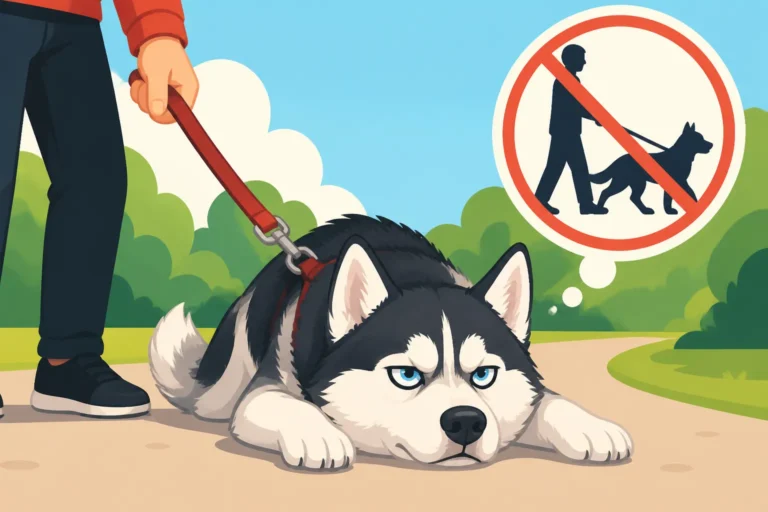
- Reluctance to Move or Engage: If your normally eager Husky hesitates to jump into the car, climb stairs, or even greet you with their usual bouncy enthusiasm, it could signal pain. A decreased desire to play, run, or go for walks, especially when they usually love these activities, is a major red flag.
- Licking, Chewing, or Guarding a Body Part: Dogs will often lick or chew excessively at an area that hurts. If you notice them repeatedly focusing on a specific joint – elbow, wrist, hip, knee – pay attention. They might also react defensively or guard the area if you try to touch it, even if they're normally very tolerant.
- Changes in Appetite or Energy Levels: While these aren't exclusive to joint pain, a decrease in appetite or a general lethargy could be a symptom of underlying discomfort. If they're in constant pain, their overall energy can plummet.
- Vocalizations: While Huskies are known for their "talking," any new or unusual yelp, whine, or groan when moving, getting up, or being touched should be investigated.
- Changes in Sleeping Posture: If your Husky usually stretches out but is now curling up tightly, or struggles to get comfortable, it could be a sign of stiffness or pain.
These signs, especially in combination, warrant immediate attention. Don't dismiss them as your Husky just being "lazy" or "stubborn."
When to Seek Professional Veterinary Care
If you notice any of the aforementioned signs, or if you simply have a gut feeling that something isn't right, don't delay in contacting your veterinarian. Early intervention can make a massive difference in prognosis and recovery.
- Immediate Consultation for Acute Lameness: If your Husky suddenly develops a noticeable limp, is unable to bear weight on a leg, or shows signs of severe pain, contact your vet immediately. This could indicate an acute injury requiring urgent care.
- Scheduled Visit for Chronic or Subtle Signs: For more subtle or chronic changes, schedule an appointment as soon as possible. Be prepared to provide your vet with a detailed history: when you first noticed the signs, what activities your Husky has been doing, any changes in diet or routine, and how the symptoms have progressed.
- Diagnostic Process: Your vet will likely perform a thorough physical examination, assessing your Husky's range of motion, palpating joints, and observing their gait. They may recommend diagnostic imaging such as X-rays to look for bone abnormalities, arthritis, or growth plate injuries. In some cases, blood tests or more advanced imaging like MRI might be necessary. This process is crucial for understanding the underlying issue, whether it’s a genetic predisposition which could be revealed by Reading a Siberian Husky's OFA Hip Result or an injury.
- Treatment Options: Treatment will depend on the diagnosis. It could range from rest and anti-inflammatory medications to physical therapy, joint supplements, or even surgery. In severe cases, particularly with older dogs, difficult decisions about Deciding About Surgery on an Old Siberian Husky might need to be made. Having pet insurance, potentially through Healthy Paws, can greatly assist with these unexpected costs, allowing you to focus on your Husky's recovery rather than the bill.
Long-Term Joint Health Strategies for Working Huskies
Even after your Husky is fully mature and safely engaged in harness sports, maintaining their joint health is an ongoing commitment. It’s about providing comprehensive care that supports their athletic lifestyle.
Nutrition and Supplementation for Joint Support
What goes into your Husky's bowl plays a huge role in supporting their hardworking joints. A balanced diet is foundational, but specific supplements can also offer an extra layer of protection.
- High-Quality Diet: Feed a premium dog food formulated for active, large breeds. Look for ingredients that support overall health, including protein for muscle maintenance and healthy fats for energy and anti-inflammatory properties. Avoid foods with excessive fillers or questionable ingredients.
- Omega-3 Fatty Acids: These are potent natural anti-inflammatories. Fish oil supplements, rich in EPA and DHA, can help reduce inflammation in the joints and support cartilage health. Look for high-quality, sustainably sourced fish oil specifically formulated for dogs.
- Glucosamine and Chondroitin: These are natural compounds found in healthy cartilage. Supplementing with glucosamine and chondroitin can help support cartilage repair and maintenance, potentially slowing down the progression of arthritis and providing some pain relief. Many veterinarians recommend these for active dogs, especially as they age.
- MSM (Methylsulfonylmethane): Often combined with glucosamine and chondroitin, MSM is another compound known for its anti-inflammatory and pain-relieving properties, which can further support joint comfort.
- Antioxidants: Vitamins C and E, and other antioxidants, can help combat oxidative stress in the joints, which contributes to inflammation and cartilage breakdown. Many quality dog foods include these, but additional supplementation might be considered with vet guidance.
- Zinc: Given the Siberian Husky's unique challenges with zinc absorption, ensuring adequate zinc intake is crucial for overall health, including skin and immune function, which indirectly supports their ability to recover and thrive. For more specific information, you can always refer to resources like those covering Zinc Supplementation for a Siberian Husky.
Always consult with your veterinarian before adding any supplements to your Husky's diet, as they can recommend the best products and dosages based on your individual dog's needs and health status.
Maintaining an Optimal Weight Throughout Life
This is arguably one of the most impactful things you can do for your Husky's joint health, regardless of their activity level. Every extra pound your dog carries puts additional stress on their joints, accelerating wear and tear and increasing the risk of arthritis and other musculoskeletal issues.
- Regular Body Condition Scoring: Don't just rely on the number on the scale. Learn how to assess your Husky's body condition by feeling their ribs, spine, and waist. You should be able to easily feel their ribs without pressing hard, and they should have a discernible waist when viewed from above. Their belly should tuck up slightly when viewed from the side.
- Appropriate Calorie Intake: Siberian Huskies are known for their efficient metabolisms, meaning they often require fewer calories than you might expect for their size and activity level. Overfeeding is a common pitfall. Follow feeding guidelines on dog food bags, but always adjust based on your dog's individual activity level and body condition. If they're gaining weight, cut back. If they're too thin, increase slightly.
- Consistent Exercise: Combine a proper diet with consistent, appropriate exercise to help maintain lean muscle mass and burn calories. For an active Husky engaged in harness sports, this is usually less of a problem, but it’s still important to tailor their food intake to their daily energy expenditure. For more on this, check out Siberian Husky Weight and Joint Health.
- Healthy Treats: Limit high-calorie treats and opt for healthier alternatives like small pieces of vegetables or fruits. Treats should never make up a significant portion of their daily caloric intake.
Ongoing Exercise and Conditioning in Adulthood
Even after growth plates are closed and your Husky is pulling like a pro, their exercise regimen needs careful thought to ensure long-term joint health. It's not just about doing the work; it's about doing it smartly.
- Cross-Training: Don't just stick to one activity. Incorporate different types of exercise to work various muscle groups and provide different kinds of joint movement. Swimming is fantastic for joint health as it provides a non-impact workout. Hiking, controlled running, and even mental stimulation games all contribute to overall fitness without constantly stressing the same joints in the same way.
- Warm-Up and Cool-Down: Just like human athletes, Huskies benefit from a warm-up before strenuous activity and a cool-down afterward. A 5-10 minute brisk walk before a pulling session prepares their muscles and joints, and a similar cool-down helps prevent stiffness.
- Listen to Your Dog: Always pay attention to your Husky's cues. If they seem tired, sore, or reluctant, don't push them. Some days they might be able to do more, other days less. Adjust your expectations accordingly.
- Regular Massage and Stretching: Gentle massage can help improve circulation and flexibility, reducing muscle soreness. Passive range of motion exercises (gently moving their limbs through their natural range of motion) can also be beneficial, especially for older or recovering dogs.
- Address Issues Promptly: If you suspect an injury or notice persistent lameness, don't ignore it. Seek veterinary attention immediately. Prompt diagnosis and treatment are crucial for preventing minor issues from escalating into chronic problems. Treatments for such issues can sometimes involve Pain Management for an Arthritic Siberian Husky, so being proactive is key. While Whether a Siberian Husky Needs Hip X-Rays is a common question, many active owners choose to do them to have a baseline of their dog’s joint health.
A Husky is a magnificent athlete, and with the right care and patience, they can enjoy a long and fulfilling life of activity. By understanding their physical development, implementing safe training practices, and prioritizing their overall health, you can ensure they remain happy, healthy, and ready for whatever trails lie ahead.
Disclaimer
The information provided in this guide is for general informational purposes only and does not constitute veterinary advice. Always consult with a qualified veterinarian for any health concerns or before making any decisions about your dog's diet, exercise, or medical care.