When a Siberian Husky Stops Wanting to Walk
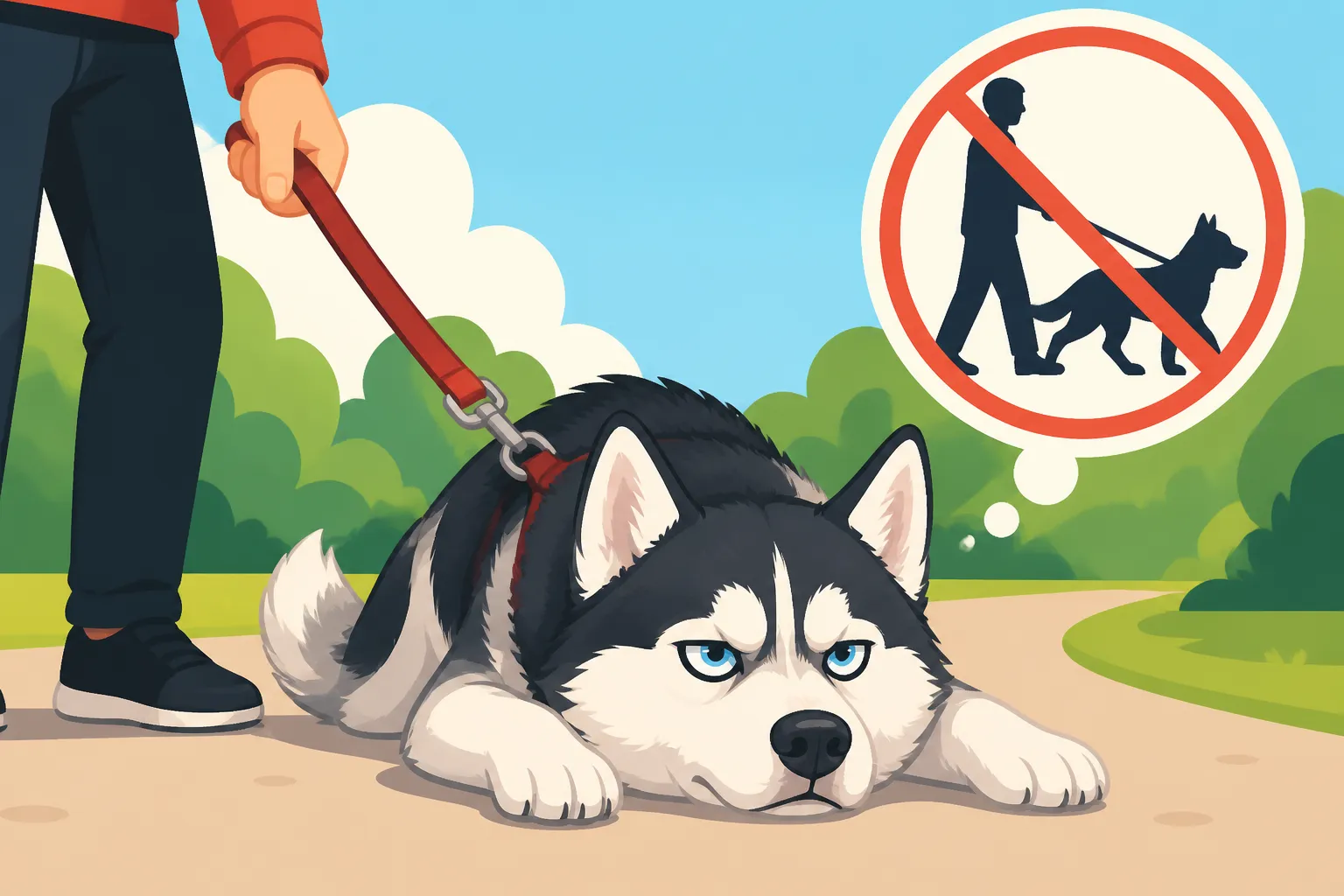
It’s a truly unsettling experience when your energetic Siberian Husky, a breed practically synonymous with boundless energy and a love for movement, suddenly digs in their heels and refuses to go for a walk. One minute they’re practically dragging you out the door, and the next they’re acting as if the leash is made of lead. This isn't just a moment of their famous stubbornness; it's a significant change in behavior that often signals something deeper is amiss, causing a wave of worry for any dedicated owner. This guide is here to help you understand the potential reasons behind your Husky's newfound reluctance, from subtle discomfort to serious health concerns, and provide actionable steps to get to the bottom of it.
Recognizing the Signs: It's More Than Just "Stubbornness"
Anyone who has lived with a Siberian Husky knows they have a mind of their own. They can be incredibly opinionated, and sometimes, yes, they might just decide they don't feel like doing something. However, a sudden and consistent refusal to engage in an activity they usually adore, like a walk, is often a red flag that goes beyond mere defiance. It’s crucial to observe other subtle cues that your Husky might be giving you, signals that indicate discomfort or distress rather than just a mood.
Distinguishing Reluctance from Pain
It's tempting to think, "Oh, he's just being a Husky," when your dog plops down halfway through a walk or resists leaving the house. But if this behavior is new, persistent, or accompanied by other changes, it’s rarely just attitude. A truly stubborn Husky might pull against the leash or try to lead you in a different direction, but one in pain might actively resist putting weight on a limb, move stiffly, or even whimper. They might try to hide their discomfort, which is a common dog instinct, but you might notice them lagging behind more than usual, walking slower, or even refusing to stand up once they've laid down.
Pay close attention to their body language. Are their ears pinned back? Is their tail tucked? Are they licking a specific area excessively? Do they flinch when you touch a certain part of their body? Sometimes, the change is incredibly subtle – a slight hesitation before jumping into the car, or a reluctance to navigate stairs they once bounded up. These are not signs of stubbornness; they are quiet calls for help, indicating that their body simply isn't cooperating as it used to, or that they anticipate pain if they move a certain way.
Beyond the Leash: Other Behavioral Clues
The refusal to walk is often just one piece of a larger puzzle. A Husky experiencing discomfort or illness will likely exhibit other behavioral shifts. Think about their overall routine and demeanor. Are they sleeping more than usual, even outside of typical nap times? Have they lost interest in toys or games they once loved? Perhaps they're not greeting you with the same enthusiasm, or they're withdrawing and seeking solitude more often.
Consider their appetite and thirst. While Huskies are known for their efficient metabolisms and sometimes skipping a meal, a complete loss of appetite or a significant increase/decrease in water intake can signal an underlying health issue. Are they avoiding interactions with other pets or family members? Do they seem generally listless or just "off"? If your Husky, who typically thrives on being the life of the party, is suddenly quiet and reserved, it’s time to investigate. These non-specific signs, when combined with a reluctance to walk, paint a more comprehensive picture that something is genuinely wrong and requires your attention.
Common Physical Ailments That Limit Mobility
When a Siberian Husky stops wanting to walk, one of the first places our minds often go (and rightly so) is to physical discomfort. These dogs are athletes, built for endurance, but like all living beings, they are susceptible to injuries, degenerative conditions, and everyday aches and pains that can make movement painful or even impossible.
Joint Pain and Arthritis
Perhaps the most common culprit, especially as your Husky enters their senior years, is joint pain. While Siberian Huskies are generally known for a lower incidence of hip dysplasia compared to some larger breeds, it's not entirely absent, and other forms of arthritis can certainly take hold. Conditions like elbow dysplasia, patellar luxation, or simply age-related osteoarthritis can make every step a painful ordeal. Imagine having a dull ache in your knee with every bend – that’s what your Husky might be feeling.
The cold weather can often exacerbate these conditions, making stiffness worse. You might notice your Husky struggling to get up after lying down, a tell-tale sign of joint pain. They might be slower to stand, or their gait might appear stiff and uneven. Sometimes, it’s not just the hips but other joints too. Regular veterinary check-ups are vital for monitoring joint health, and your vet can help you identify Early Arthritis Signs in a Siberian Husky that might be subtle initially. Early intervention with supplements, anti-inflammatory medications, or even physical therapy can make a world of difference in their comfort and willingness to move.
Paw and Leg Injuries
Sometimes, the cause is much simpler and more acute: an injury to their paws or legs. Given their adventurous nature, Huskies are prone to stepping on sharp objects, getting thorns embedded in their pads, or suffering minor cuts and abrasions. A broken nail, often overlooked, can be excruciatingly painful with every step. Imagine a tiny pebble stuck in your shoe, but instead, it's a sharp shard digging into their sensitive paw pad.
Beyond their paws, muscle strains, sprains, or even small fractures in their legs can occur from enthusiastic play, a misstep while running, or even jumping awkwardly. These injuries might not always be immediately visible, as their thick fur can hide swelling or bruising. It’s essential to thoroughly inspect their paws, including between the toes and the pads, and gently palpate their legs from shoulder to paw, feeling for any heat, swelling, or points of sensitivity. Using protective gear like Booties for Siberian Husky Paws during hikes or in harsh weather conditions can help prevent some of these painful paw injuries, especially if you live in areas with rough terrain or icy, salted pavements.
Spinal Issues and Nerve Problems
While perhaps less common than joint issues, problems affecting the spine and nervous system can also lead to a reluctance to walk. Disc disease, where the cushioning discs between the vertebrae become damaged and press on the spinal cord, can cause significant pain, weakness, and even paralysis in severe cases. A pinched nerve, which can happen anywhere along the spine, can also result in acute pain and difficulty moving.
These conditions might manifest as a reluctance to turn their head, a hunched posture, weakness in one or more limbs, or a wobbly, uncoordinated gait. Your Husky might stumble, drag their paws, or even refuse to use their hind legs altogether. The pain can be intermittent or constant, and it might make the idea of walking unbearable. Diagnosing these issues often requires advanced imaging like X-rays or MRI, and treatment can range from strict rest and medication to surgical intervention. It's a serious concern, and any sudden onset of weakness or loss of coordination demands immediate veterinary attention.
Internal Health Conditions Affecting Energy Levels
Sometimes, the reason your Siberian Husky doesn't want to walk isn't immediately visible on the outside. Internal health conditions, which can range from chronic illnesses to acute infections, can profoundly impact their overall energy levels, leading to a general malaise that makes even the thought of exercise unappealing.
Cardiovascular or Respiratory Problems
Imagine trying to go for a brisk walk when you're constantly out of breath or your heart is pounding erratically. That's what it can feel like for a Husky suffering from cardiovascular or respiratory issues. Conditions like heart murmurs, dilated cardiomyopathy, or even common issues like kennel cough or bronchitis can severely limit their stamina and willingness to exert themselves. Their efficient metabolism, usually a boon, won't help if their lungs can't process enough oxygen or their heart can't pump blood effectively.
A Husky with heart or lung problems might appear fine at rest but quickly tire during even a short stroll. You might notice excessive panting, coughing, or a bluish tint to their gums after minimal activity. They might stop frequently, look anxious, or even collapse. These are serious signs. Regular vet check-ups can often catch these issues early, but if you notice any of these symptoms, don't delay a visit to the veterinarian. Investigating the root cause can be costly, making a good pet insurance plan like those from Healthy Paws a wise investment that can cover diagnostic tests and ongoing treatment.
Thyroid Imbalance and Autoimmune Diseases
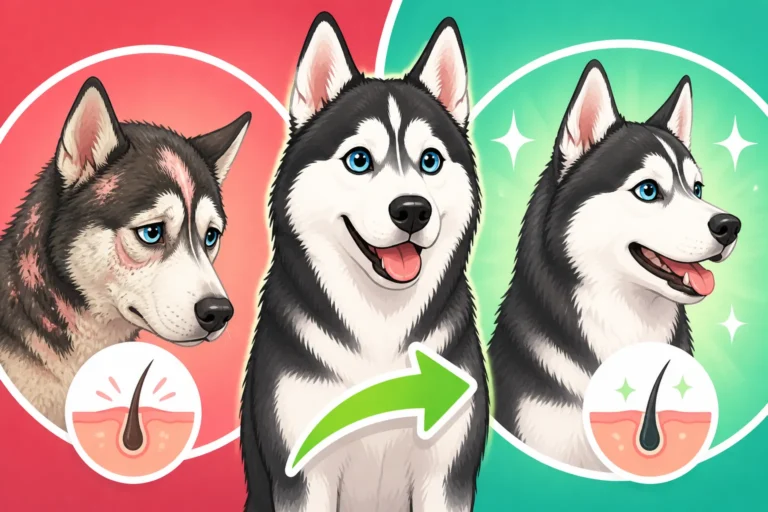
Siberian Huskies are known to be predisposed to certain autoimmune conditions, and hypothyroidism, a condition where the thyroid gland doesn't produce enough hormones, is a notable one. The thyroid hormones regulate metabolism, so an imbalance can cause a cascade of symptoms, including profound lethargy, weight gain, a dull or thinning coat, and a general lack of enthusiasm for life. If your once vibrant Husky now seems sluggish and unwilling to move, a thyroid issue could very well be at play.
This is a condition that requires careful diagnosis through specific blood tests, as it's sometimes overdiagnosed or mistaken for other issues. If diagnosed, it's typically managed with daily medication, which can dramatically improve your dog's energy levels and overall well-being. Understanding Siberian Husky Thyroid and Autoimmune Disease is important for owners, as early recognition of symptoms can lead to quicker and more effective treatment, helping your Husky regain their zest for walks and other activities.
Other Systemic Illnesses
Beyond heart and thyroid issues, a myriad of other systemic illnesses can manifest as a lack of desire to walk. Kidney disease, liver problems, diabetes, or even a persistent infection (like a urinary tract infection or a tick-borne illness) can drain a dog's energy and make them feel generally unwell. These conditions often cause a vague sense of malaise, where your Husky might just seem "off" – listless, refusing food, perhaps running a low-grade fever, and yes, uninterested in exercise.
Even something as seemingly minor as severe dental pain from an abscessed tooth could make them feel so unwell that they lose interest in activities. In some cases, a new or worsening cancer could also be the cause of reduced energy. Because the symptoms can be non-specific, a thorough veterinary examination, including blood work and urinalysis, is crucial to pinpoint the underlying problem. It highlights the importance of regular vet care, as prompt diagnosis and treatment are key to helping your Husky feel better and get back to their active self. If the issue turns out to be a chronic condition, a comprehensive policy from Healthy Paws could significantly alleviate the financial burden of long-term care, covering everything from regular medications to specialized diets.
Environmental and Behavioral Factors
While physical and internal health issues are often at the forefront of our minds when a Husky refuses a walk, sometimes the problem stems from their environment or their emotional state. These dogs are intelligent, sensitive, and profoundly affected by their surroundings and experiences.
Heat Exhaustion and Overexertion
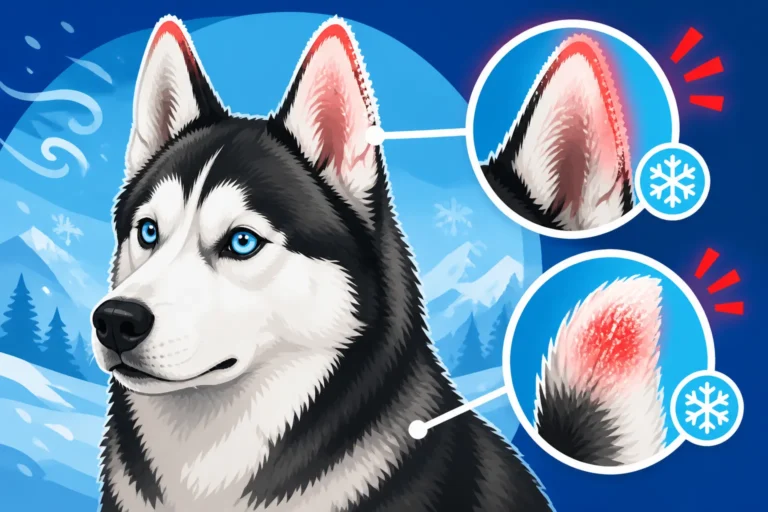
Siberian Huskies are built for cold climates. Their dense double coat, while excellent for insulation against frigid temperatures, makes them particularly susceptible to overheating in warmer weather. What might feel like a pleasant spring day to you could be dangerously hot for your Husky. If they stop wanting to walk during a warm spell, or after a particularly strenuous activity, heat exhaustion should be a primary concern.
Signs of overheating include excessive panting, drooling, weakness, a staggered gait, and a strong reluctance to move. In severe cases, it can quickly escalate to full-blown Heat Stroke Risk in a Siberian Husky, which is a life-threatening emergency. Always ensure your Husky has access to fresh water, avoid walking them during the hottest parts of the day, and be mindful of the temperature and humidity. Even if they usually love to run, pushing them too hard in warm conditions can quickly lead to distress. A kiddie pool in the yard or a cooling mat might be more appealing than a walk when the mercury rises.
Generalized Anxiety or Fear
Sometimes, a Husky's refusal to walk isn't about physical pain but emotional distress. A sudden onset of fear or anxiety can make them resistant to leaving the house or continuing a walk. This could be triggered by a specific event – a loud noise like fireworks or construction, an aggressive encounter with another dog, or a scary experience at a particular location. They might associate the leash or the walk itself with a negative memory.
Some Huskies can develop generalized anxiety, especially if they are prone to separation anxiety, which can manifest as reluctance to engage in normal activities. You might notice them trembling, excessively licking their lips, yawning, or trying to pull back towards the house. If your Husky suddenly develops an aversion to walking, try to identify any recent changes or traumatic events that might have occurred. Sometimes, positive reinforcement, gradual desensitization, or even working with a professional dog behaviorist can help them overcome their fears and regain their confidence.
Age-Related Decline and Cognitive Changes
As our beloved Siberian Huskies get older, it's natural for their bodies and minds to slow down. Just like humans, senior dogs experience physical wear and tear, and their mental faculties can also change. A decreased desire to walk can simply be a sign that they're not as spry as they once were, and longer, faster walks are becoming too much. Caring for a Siberian Husky Past Ten often involves adjusting expectations and routines.
They might have less stamina, tire more easily, or experience general aches and pains that make extended movement uncomfortable. Furthermore, cognitive dysfunction syndrome, often likened to canine Alzheimer's, can affect older Huskies. This can lead to disorientation, anxiety, changes in sleep patterns, and a general reluctance to engage in familiar activities. They might forget their usual routes or become confused, making walks feel overwhelming rather than enjoyable. It’s a sad but natural part of aging, and recognizing these changes allows us to provide comfort, gentle exercise, and adaptations to their routine to ensure their golden years are as comfortable as possible. This includes being mindful of their Siberian Husky Weight and Joint Health as they age, as excess weight can exacerbate any underlying joint issues.
What to Do When Your Husky Stops Walking
Finding your typically eager Siberian Husky suddenly refusing a walk is distressing. It's a clear signal that something isn't right, and it requires a thoughtful, systematic approach to understand and address the issue.
Immediate Assessment and Home Care
The moment your Husky refuses to walk, whether it's before leaving the house or mid-stroll, your immediate priority is to assess the situation. First, get them to a safe, comfortable spot. If you're on a walk, try to encourage them gently to move to a shady area or close to home. Avoid forcing them, as this could worsen an injury or increase their stress.
Once settled, perform a quick, head-to-tail check. Gently palpate their legs, feeling for any heat, swelling, or obvious points of pain. Look closely at their paws: check between the pads, for any embedded objects like thorns or glass, cuts, or torn nails. Sometimes, a quick, careful removal of a foreign object or cleaning a small wound can resolve the immediate issue. Observe their breathing – is it labored or shallow? Check their gums for a healthy pink color; pale or bluish gums are an emergency. Offer them fresh water. If they show any signs of acute pain, such as yelping, limping severely, or refusing to bear weight, avoid further manipulation and seek veterinary advice. Even if you're covered by pet insurance, many owners find that having coverage from providers like Healthy Paws gives them peace of mind in these unexpected situations.
When to See the Vet
While some minor issues might resolve with immediate home care, there are clear instances when a trip to the veterinarian is non-negotiable. Don't hesitate if you observe any of the following:
- Persistent Lameness or Pain: If your Husky continues to limp, favors a leg, or shows clear signs of pain for more than a few hours.
- Swelling or Deformity: Any noticeable swelling, bruising, or an unnatural angle to a limb.
- Lethargy, Vomiting, or Diarrhea: These general signs of illness, especially when combined with a refusal to walk, point to an internal problem.
- Fever: If your Husky feels unusually warm to the touch or has a measured temperature above 102.5°F (39.2°C).
- Difficulty Breathing: Excessive panting, wheezing, or labored breathing at rest.
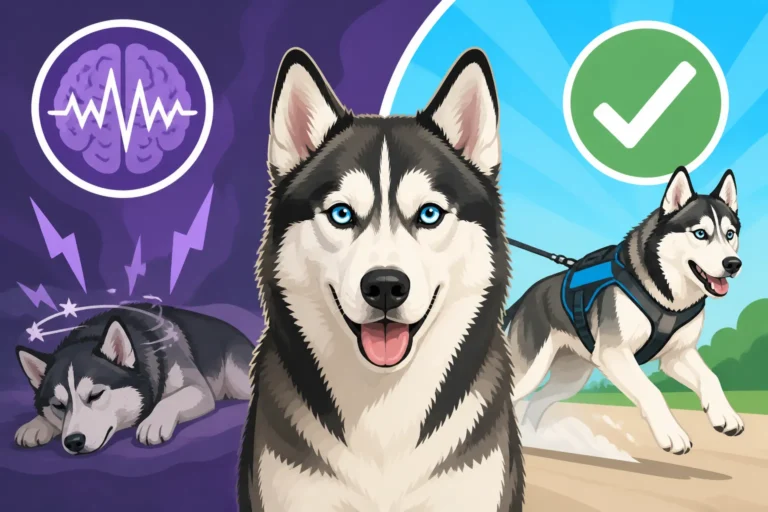
- Neurological Signs: Stumbling, loss of coordination, disorientation, or Siberian Husky Seizures and Idiopathic Epilepsy.
- Sudden Collapse: Any instance where your Husky suddenly cannot stand or loses consciousness.
- Lack of Improvement: If after 24 hours of observation, your Husky's reluctance to walk hasn't improved or has worsened.
Early diagnosis is critical for many conditions. Remember, you know your Husky best. If your gut tells you something is seriously wrong, trust that instinct and get professional help. Don't hesitate to seek veterinary care, and remember that pet insurance, such as Healthy Paws, is there to help with unexpected costs.
Adapting Your Routine
Once your veterinarian has diagnosed the issue and prescribed a course of treatment, adapting your Husky's routine will be essential for their recovery and long-term well-being. This might involve significant changes, especially if the cause is a chronic condition like arthritis or a heart problem.
For joint issues, your vet might recommend anti-inflammatory medications, joint supplements, or even physical therapy like hydrotherapy. Your walks might need to become shorter, more frequent, and less strenuous. Consider swapping long runs for gentle strolls, or even just backyard play if that's all they can manage comfortably. Focusing on Siberian Husky Weight and Joint Health is paramount, as maintaining a healthy weight reduces stress on aching joints.
If a respiratory or cardiac condition is the culprit, intense exercise might be off-limits altogether. Your vet will advise on the appropriate level of activity, which could be limited to short potty breaks. For an older Husky, understanding What Changes in a Siberian Husky After Nine is key to recognizing their evolving needs. This might mean investing in ramps for stairs or car access, providing extra soft bedding, and ensuring their environment is easy to navigate. The goal is always to maximize their comfort and quality of life within their physical limitations, even if that means their walking adventures look a little different than they used to. Consulting with your vet on Siberian Husky Vet Visits by Life Stage will help you stay proactive in managing their health as they age.
Common Reasons Your Husky Stops Walking at a Glance
| Symptom / Behavior | Potential Causes | Key Observations | Urgency to See Vet |
|---|---|---|---|
| Sudden Lameness/Limping | Paw injury (cut, thorn, broken nail), muscle strain, sprain, joint injury, fracture, tick bite (Lyme disease) | Checking paws, swelling, sensitivity to touch, visible wounds, reluctance to bear weight, pain on movement | High |
| Stiffness, Difficulty Standing | Arthritis, hip/elbow dysplasia, muscle soreness, spinal issues, cold weather exacerbation | Slower to rise, hesitant with stairs/jumps, stiffness after rest, less active in general, may whine with movement | Moderate to High |
| Excessive Panting, Lethargy | Heat exhaustion, heart condition, lung disease (Laryngeal Paralysis in an Older Siberian Husky), anemia, infection, fever | Heavy panting even at rest, slow to recover from minimal exertion, very tired, pale gums, coughing, reduced appetite | High |
| General Weakness, Disinterest | Hypothyroidism, systemic illness (kidney/liver disease, diabetes), severe infection, chronic pain, cognitive decline | Dull coat, weight changes, increased/decreased thirst, changes in appetite, disorientation, sleeping more, avoiding interaction, overall "off" demeanor | Moderate to High |
| Fear, Refusal to Leave House | Negative association with walks, loud noises, new environment, anxiety, poor socialization | Shaking, tail tucked, pulling back towards home, aggression towards unknown stimuli, avoiding leash, sudden onset after specific event | Low to Moderate |
| Plopping Down Mid-Walk | Fatigue, pain (joint, paw), heat exhaustion, protest, spinal discomfort, lack of conditioning | May recover after short rest, refusal to stand again, panting, seeking shade, looking at feet, stubborn stance | Moderate |
Disclaimer
The information provided in this article is for general informational purposes only and is not intended as a substitute for professional veterinary advice. Always consult with a qualified veterinarian for any health concerns or before making any decisions related to your pet's health and treatment.