Alopecia X in a Siberian Husky
It’s truly disheartening when your beautiful Siberian Husky, known for their glorious double coat, starts losing fur in patches, leaving behind dark, sometimes leathery skin. You stand there wondering what on earth is happening, trying to recall any changes in diet, environment, or routine, and often coming up with no clear answers. This frustrating condition, often called Alopecia X or "Black Skin Disease," isn't just a cosmetic issue; it's a perplexing puzzle for both owners and veterinarians, and this guide is here to unravel some of that mystery for you.
Understanding Alopecia X in Siberian Huskies
Alopecia X, despite its fancy name, is fundamentally a condition of hair loss (alopecia) for which the underlying cause remains unknown – hence the "X." It’s not just a general thinning, but rather a distinctive pattern of symmetrical hair loss that can be quite distressing to witness in your otherwise healthy Husky.
What Exactly is Alopecia X?
Think of Alopecia X as a glitch in your Husky's magnificent coat cycle. Normally, a dog's hair grows, rests, and then sheds, making way for new growth. For Huskies, this cycle is particularly robust, culminating in those famous seasonal "coat blows." With Alopecia X, this finely tuned process goes awry. The hair follicles essentially go dormant, failing to produce new hair, and the old hair falls out without replacement. This isn't an infection or an allergy, and typically, your Husky won't be itchy or bothered by the hair loss itself, which can make it even more confusing. It's largely considered a cosmetic condition, though the visible changes can impact your dog's thermoregulation and skin health. While not fully understood, it’s believed to have a genetic component, suggesting some breeds, including Siberian Huskies, Pomeranians, and Poodles, are more predisposed.
How Alopecia X Manifests in Your Husky
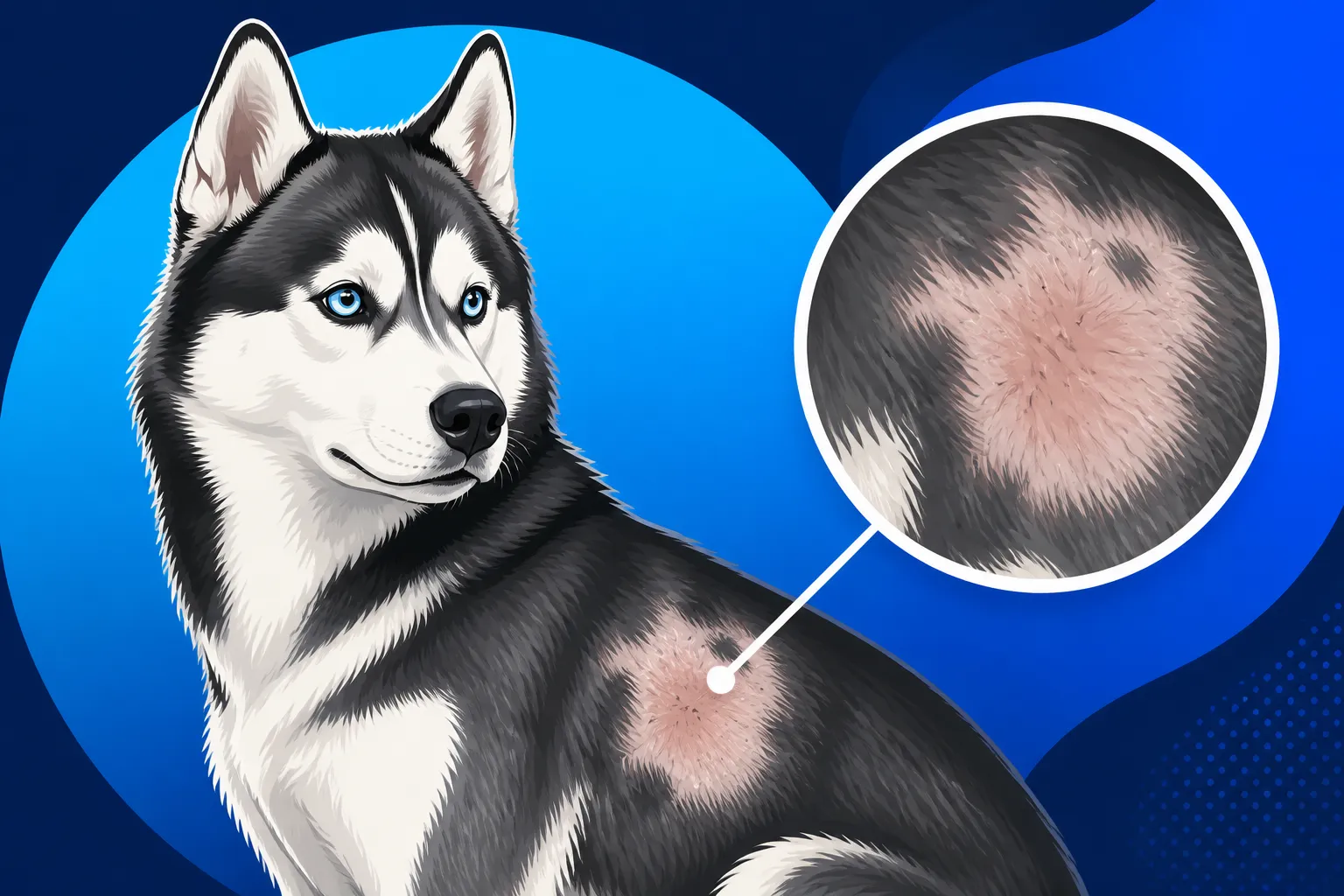
Typically, Alopecia X starts subtly, often when your Siberian Husky is still relatively young, sometimes between one and five years old. You might first notice a thinning or balding around the hindquarters, tail, or belly, and then it progresses symmetrically up the body. The head and legs are usually spared. The undercoat often goes first, leaving a dull, sparse appearance, before the guard hairs eventually follow. The skin underneath, once protected by that thick fur, starts to change. It often darkens, becoming hyperpigmented, and can feel dry, flaky, or almost leathery to the touch. It's quite different from the seasonal shedding that accompanies a Siberian Husky Coat Blow and the Six Weeks It Lasts, where the undercoat comes out in clumps but new fur is ready to grow in. With Alopecia X, that regrowth simply doesn't happen.
Imagine your beautiful, fluffy Husky, who once delighted in bounding through snowdrifts, now has a sleek, almost shaved appearance across their back and flanks, their once-proud plume of a tail looking rather sparse. It’s a stark contrast that many owners find upsetting, especially when their dog looks otherwise healthy and energetic.
Why it's Also Called Black Skin Disease
The term "Black Skin Disease" really captures one of the most visible and concerning aspects of Alopecia X: the darkening of the skin, known as hyperpigmentation. As the hair falls out, the exposed skin is no longer protected from UV light and environmental factors. For reasons that are not entirely clear, this skin often turns a grayish-blue or black hue. It can become thick, dry, and scaly, sometimes resembling elephant hide. This hyperpigmentation isn't necessarily painful for your dog, but it is a clear indicator of the underlying follicular dysfunction. It can also lead to secondary skin infections if the skin barrier becomes compromised, making proper skin care crucial. While the cosmetic changes are prominent, it’s important to remember that the dog themselves often doesn't feel sick or uncomfortable from the condition itself.
Diagnosing Alopecia X and Ruling Out Other Conditions
Getting a diagnosis of Alopecia X can be a long and frustrating journey. Because the "X" stands for unknown cause, veterinarians can't simply run one test to confirm it. Instead, they have to meticulously rule out every other possible cause of hair loss, a process known as a diagnosis of exclusion.
The Frustration of a "Diagnosis of Exclusion"
You bring your Husky to the vet, concerned about their balding patches and darkening skin, hoping for a quick answer. Instead, you embark on a series of tests to eliminate everything else. This can feel like a chase, trying to pinpoint a culprit that might not even exist. Common conditions like allergies, parasites (mange), fungal infections, and bacterial skin infections will be the first suspects. Your vet will likely perform skin scrapings, fungal cultures, and possibly bacterial cultures to rule these out. These initial steps are crucial because many of these conditions are easily treatable. If your furry friend has ever suffered from Zinc-Responsive Dermatosis in the Siberian Husky, you'll know how easily skin issues can be confused. The process can be costly and emotionally taxing, but it’s the only way to arrive at Alopecia X.
It’s completely normal to feel a bit disheartened as one test after another comes back negative. You're trying your best to help your dog, and the lack of a clear, definitive answer can be tough. This is where pet insurance, like a policy from Healthy Paws, can really make a difference, helping to cover the costs of these extensive diagnostic workups and taking some financial pressure off during this uncertain time.
Key Diagnostic Tests
Once common causes are ruled out, your vet will turn their attention to hormonal imbalances, which are often implicated in similar hair loss patterns. These tests typically include:
- Thyroid panels: To check for hypothyroidism, a condition where the thyroid gland doesn't produce enough hormones. This is a common cause of symmetrical hair loss and can be easily confused with Alopecia X, which is why your vet will want to perform Thyroid Blood Panels for a Siberian Husky.
- Adrenal hormone tests: Including low-dose dexamethasone suppression tests or ACTH stimulation tests to look for Cushing's disease (hyperadrenocorticism) or atypical Cushing's. While rare in Huskies, these are classic causes of symmetrical hair loss.
- Sex hormone tests: Especially in intact males or females, as imbalances in estrogen or testosterone can sometimes contribute.
- Skin Biopsy: This is often the most definitive step. A small tissue sample is taken from the affected skin and sent to a veterinary pathologist. The pathologist looks for characteristic changes in the hair follicles, such as miniaturization or "flame follicles," that are typical of Alopecia X, while also confirming the absence of inflammation or infection that would point to other diseases. It's important to remember that even a biopsy doesn't confirm an exact cause, but rather identifies the type of alopecia.
Differentiating from Other Common Husky Skin Issues
Because Huskies are prone to certain skin and coat conditions, it’s crucial to distinguish Alopecia X from them.
- Hypothyroidism: As mentioned, this is a big one. Dogs with Siberian Husky Hypothyroidism and Coat Change often have symmetrical hair loss, a dull coat, weight gain, and lethargy. A simple blood test for thyroid hormone levels usually confirms or rules this out. Unlike Alopecia X, hypothyroidism is easily treated with daily medication.
- Zinc-Responsive Dermatosis: This condition, where Huskies have trouble absorbing zinc, causes crusting, scaling, and hair loss, particularly around the eyes, mouth, and joints. While it causes hair loss, the primary lesions (crusts) and specific locations usually differentiate it from Alopecia X, where the skin changes come after the hair loss. Treating Zinc Supplementation for a Siberian Husky can resolve this issue.
- Follicular Dysplasia: This is another genetically linked condition that causes abnormal hair growth and loss, particularly in young dogs, leading to patchy or overall thinning. While similar to Alopecia X in its origin (follicular dysfunction), the specific microscopic changes on a skin biopsy can help differentiate it. Follicular Dysplasia in a Young Siberian Husky can sometimes be managed with supportive care, but like Alopecia X, a full regrowth is often elusive.
The table below summarizes some key differences between these conditions to help illustrate the diagnostic challenge:
| Feature | Alopecia X (Black Skin Disease) | Hypothyroidism | Zinc-Responsive Dermatosis | Follicular Dysplasia |
|---|---|---|---|---|
| Primary Symptoms | Symmetrical hair loss, hyperpigmentation | Symmetrical hair loss, lethargy, weight gain | Crusting, scaling, hair loss, skin lesions | Patchy hair loss, abnormal hair texture |
| Typical Onset | 1-5 years old | Middle age (often 4-8 years) | Young adulthood (6 months – 3 years) | Variable, often young |
| Affected Areas | Trunk, tail, hindquarters (head/legs spared) | Trunk, neck, tail | Face (eyes, mouth), pressure points | Variable, often breed-specific patterns |
| Itchiness | Usually none | None | Variable (can be itchy) | None |
| Skin Appearance | Darkened, thickened, dry, scaly | Thickened, sometimes oily | Crusting, redness, dry | Varies, sometimes normal or mildly scaly |
| Diagnostic Test | Biopsy (diagnosis of exclusion) | Thyroid blood panel | Biopsy, response to zinc supplementation | Biopsy |
| Treatment | Melatonin, Trilostane (variable success) | Thyroid hormone replacement (levothyroxine) | Zinc supplementation | Supportive, sometimes melatonin (variable) |
Navigating Treatment Options and Management
Once diagnosed, it's important to understand that there is no single "cure" for Alopecia X, as the underlying cause is unknown. Treatment aims to stimulate hair regrowth and manage the associated skin changes, with varying degrees of success.
Medical Approaches for Coat Regrowth
Over the years, various treatments have been tried, some with anecdotal success, others with more scientific backing. The key is finding what, if anything, works for your individual Husky, as responses can be highly unpredictable.
- Melatonin: This is often the first and safest option tried. Melatonin, a hormone that regulates sleep cycles, is thought to influence the hair follicle cycle. Administered orally (typically 3-6mg, 1-3 times daily, for 2-3 months), some dogs will experience partial or even full hair regrowth. It's relatively inexpensive and has minimal side effects, making it a good starting point. You might start seeing some peach fuzz appear within a couple of months.
- Trilostane: Used primarily for Cushing's disease, Trilostane can sometimes stimulate hair regrowth in Alopecia X, especially if there's an atypical adrenal hormone imbalance. However, it's a potent drug with potential side effects and requires careful monitoring with regular blood tests. This treatment needs to be managed by a vet experienced in endocrinology. For complex treatments like this, having pet insurance like Healthy Paws can be a real asset, helping to cover the cost of medications and frequent vet visits for monitoring.
- Deslorelin Implants: This is a GnRH (Gonadotropin-Releasing Hormone) agonist, typically used for chemical castration in males. In some cases of Alopecia X, especially in intact males, it has been shown to stimulate hair regrowth. The implant lasts for several months, and some owners report excellent results, though the hair regrowth may not be permanent and subsequent implants might be less effective.
- Microneedling: This is a newer, more experimental approach. It involves using a device with tiny needles to create micro-injuries in the skin, which is believed to stimulate hair follicle activity and blood flow. It's often combined with topical applications of growth factors or other compounds. While showing promise, it's not a widely established treatment for Alopecia X in veterinary medicine yet.
- Castration/Spaying: Interestingly, in some intact dogs, neutering or spaying has resulted in full or partial hair regrowth. The hormonal shifts can sometimes kickstart dormant follicles. If your Husky is intact and experiencing Alopecia X, this is certainly a discussion to have with your vet, especially considering the long-term health benefits of neutering generally. However, it's not a guaranteed fix for hair loss.
Holistic and Supportive Care
Beyond specific medications, managing Alopecia X involves comprehensive supportive care to keep your Husky's skin healthy and prevent secondary issues.
- Skin Hydration and Protection: The exposed, often dry and flaky skin needs moisture and protection. Regular bathing with a gentle, moisturizing shampoo, followed by a leave-in conditioner or topical humectant spray, can help keep the skin supple. You can also use emollients like coconut oil or specialized veterinary balms. Protecting the skin from sunburn is also critical, especially if your Husky has dark, exposed patches. A light dog shirt or even pet-safe sunscreen can be beneficial during sunny hours.
- Diet and Supplements: While diet alone won't cure Alopecia X, a high-quality, balanced diet rich in essential fatty acids (Omega-3 and Omega-6) can support overall skin and coat health. Supplements like fish oil or evening primrose oil might help improve skin barrier function and reduce inflammation. Zinc supplementation is usually only effective if the dog truly has Why a Balanced Diet Does Not Fix Husky Zinc Loss and not Alopecia X, but a comprehensive blood panel can check for general deficiencies.
- Preventing Secondary Infections: The compromised skin barrier can make your Husky more susceptible to bacterial or yeast infections. Keep an eye out for excessive licking, redness, pustules, or a foul odor. If these signs appear, a vet visit is warranted for diagnosis and appropriate treatment with antibiotics or antifungals.
Managing Expectations and Living with Alopecia X
The most important thing to remember when dealing with Alopecia X is patience and realistic expectations. Not all dogs respond to treatment, and even if they do, the regrowth might be partial or temporary.
- Cosmetic vs. Health Impact: For most Huskies, Alopecia X is primarily a cosmetic concern. It doesn't typically cause pain or discomfort and doesn't affect their general health or lifespan. Your Husky will still be the same loving, energetic companion, even if their coat isn't as luxurious as it once was. It’s important for us, as owners, not to project our own feelings about their appearance onto them.
- Quality of Life: Focus on maintaining your Husky's quality of life. Ensure they are comfortable, well-exercised, mentally stimulated, and loved. If the hair loss becomes severe, consider sweaters in colder weather or protective gear in summer to help with thermoregulation. Never shave your Husky, as this can actually worsen the condition by damaging the hair follicles further and exposing their sensitive skin to the elements. Remember, Why You Must Never Shave a Siberian Husky applies even more strongly to dogs with existing coat issues.
- Long-Term Care: Alopecia X can be a lifelong condition, requiring ongoing management. Regular vet check-ups are essential to monitor for any secondary skin issues or to re-evaluate treatment options if the condition progresses. Keep a detailed record of any treatments, their dosages, and your Husky's response to help your vet fine-tune their care plan.
Living with a Siberian Husky with Alopecia X means accepting them, luscious coat or not, and focusing on their health and happiness. With careful management and a lot of love, your Husky can live a full and wonderful life, regardless of their unique appearance.
Disclaimer
The information provided in this article is for educational and informational purposes only and does not constitute veterinary advice. Always consult with a qualified veterinarian for any health concerns or before making any decisions related to your pet's care, diagnosis, or treatment.