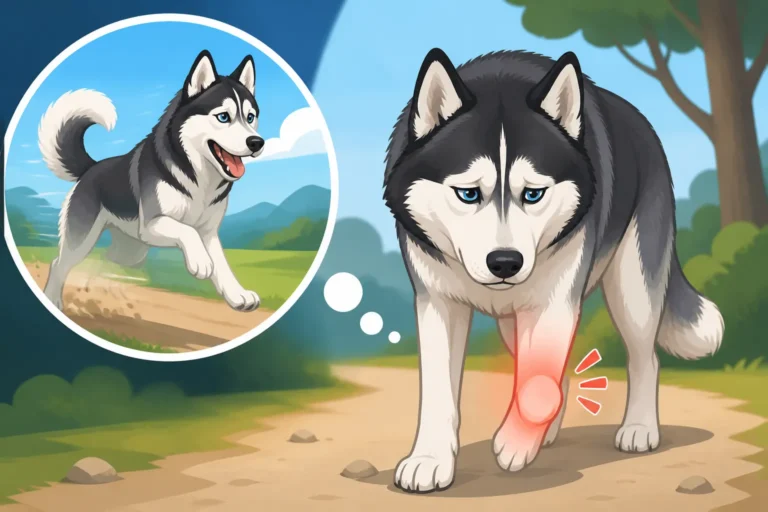
What Siberian Husky Owners Lose Their Dogs To
Losing a beloved Siberian Husky is an experience that no owner ever wants to face, yet it's an inevitable part of our journey with these incredible dogs. So many Husky owners grapple with the heartbreak, often due to sudden accidents or illnesses that catch us off guard. Understanding the most common causes of death in Siberian Huskies can empower us to take proactive steps, giving our spirited companions the longest, happiest lives possible. This guide delves into these critical factors, offering insight and support.
The Unavoidable Truth: Trauma and Escape Risks
It's a stark reality that for Siberian Huskies, one of the leading causes of death isn't a disease, but rather trauma directly related to their inherent instincts. These dogs are built to run, to explore, and to hunt, and these powerful drives often put them in perilous situations if not managed with utmost vigilance.
The Roaming Instinct's High Stakes
Every Siberian Husky carries generations of instinct within them, a powerful urge to roam, explore, and chase. It’s not a flaw in their training, but a deeply ingrained part of their genetic makeup from their sled dog ancestors. No matter how well-trained your Husky seems, that call of the wild can override even the most solid recall in a moment of distraction or perceived opportunity. They are known for their remarkable ability to escape, whether it's scaling fences that seem insurmountable, digging under perimeters with surprising speed, or even figuring out complex gate latches and door handles. One minute they're there, the next they're gone, a blur disappearing down the street.
The sheer speed a Siberian Husky can achieve means they can be out of sight and into danger incredibly quickly. This isn't just about a brief adventure; it's a high-stakes gamble with their life. The emotional toll on an owner during such an escape is immense, a mix of panic, fear, and desperate searching. Many owners can attest to the heart-wrenching worry that accompanies a loose Husky, knowing how vulnerable they become once they slip the leash. It's truly a nightmare scenario for any loving companion. This profound instinct is often why owners find themselves researching topics like Siberian Husky Deaths From Trauma and Escape or grappling with Why a Siberian Husky Cannot Be Trusted Off Leash.
Accidents and Dangerous Encounters
Once a Siberian Husky is loose, the world becomes a minefield of dangers they aren't equipped to navigate safely. Traffic accidents are tragically the most common and immediate threat. A Husky, driven by instinct and perhaps not understanding the concept of a speeding vehicle, will often bolt directly into traffic. Their focus is often on the scent they're following or the perceived freedom, not the dangers of a busy road. Even in quieter areas, an unexpected car can spell disaster for a fast-moving, unyielding Husky.
Beyond traffic, encounters with other animals pose significant risks. Their strong prey drive can lead them into conflicts with wildlife, such as deer, rabbits, or even larger predators like coyotes, depending on your location. While a Husky is a powerful dog, a fight with a wild animal can result in severe injuries, infections, or worse. Conversely, a loose Husky might encounter an aggressive dog, leading to fights that can inflict serious wounds or even prove fatal. Furthermore, being lost and exposed to the elements for extended periods can lead to dehydration, hypothermia, or heatstroke, especially if they wander far from water sources or shelter. This is why understanding Why an Escaped Siberian Husky Is a Health Risk is so crucial.
The Silent Battles: Major Health Conditions
While the roaming instinct poses immediate and acute risks, Siberian Huskies, like all breeds, are also susceptible to a range of health conditions that can shorten their lives. These are the silent battles, often manifesting slowly until they reach a critical point.
Cancer: A Leading Cause Across Breeds
Unfortunately, cancer is a significant factor in canine mortality across many breeds, and Siberian Huskies are not immune to this devastating disease. As dogs age, their risk of developing various forms of cancer increases, making it a heartbreaking reality for many owners. It’s a disease that doesn't discriminate, often appearing suddenly or progressing rapidly once symptoms become apparent.
Several types of cancer can affect Siberian Huskies. Lymphoma, a cancer of the lymphatic system, is one of the more common forms. While often aggressive, it can sometimes be managed with chemotherapy, offering a precious extension of quality life. However, other cancers like Hemangiosarcoma are far more insidious. This aggressive cancer, often found in the spleen, heart, or liver, can progress without noticeable symptoms until it causes internal bleeding, leading to a sudden and often fatal collapse. Another painful type is Osteosarcoma, or bone cancer, which can cause severe lameness and often requires amputation or palliative care. Regular vet check-ups are paramount for early detection, giving your dog the best chance, even if it's just for a period of improved comfort. When facing such unexpected and costly diagnoses, having pet insurance like Healthy Paws can truly alleviate the financial burden, allowing you to focus on your Husky's care rather than the bills. For a deeper dive into this topic, you can explore Cancer Types Seen in Siberian Huskies.
Organ Failure: Kidneys and Heart
As Huskies mature, particularly into their senior years, organ function can naturally decline, leading to conditions that can ultimately be life-limiting. Chronic Kidney Disease (CKD) is one such condition, often progressing slowly and silently. The kidneys play a vital role in filtering waste from the blood, and as their function deteriorates, toxins build up in the body. Symptoms can be subtle at first, often mistaken for general aging: increased thirst, more frequent urination, decreased appetite, and gradual weight loss. By the time noticeable symptoms appear, the disease is often advanced.
Heart disease, while perhaps not as prevalent or specific to Huskies as in some other large breeds (like certain Dobermans or Boxers), can still be a significant factor. They can develop acquired conditions such as Dilated Cardiomyopathy (DCM), where the heart muscle weakens and becomes enlarged, or suffer from congenital defects present from birth. Regular veterinary examinations, including listening for heart murmurs, are crucial for early detection. With timely diagnosis and appropriate medication, many dogs with heart or kidney conditions can maintain a good quality of life for an extended period. These are the kinds of long-term health concerns that highlight the importance of consistent care, as discussed in Siberian Husky Vet Visits by Life Stage.
Neurological and Endocrine Challenges
Beyond the more common causes, certain neurological and endocrine disorders can also impact a Siberian Husky's lifespan, sometimes drastically affecting their quality of life. Among these, Idiopathic Epilepsy is a notable concern for the breed. This condition causes recurrent seizures without an identifiable underlying cause. While many Huskies with epilepsy can live long, fulfilling lives with appropriate medication, severe or uncontrolled seizures can lead to complications, brain damage over time, or even be a direct cause of death in extreme cases. Witnessing a seizure is terrifying for any owner, and managing this condition requires careful monitoring and a strong partnership with your veterinarian. You can learn more about managing this condition by reading Siberian Husky Seizures and Idiopathic Epilepsy.
Another endocrine challenge is Hypothyroidism, a condition where the thyroid gland doesn't produce enough hormones. While often manageable with daily medication, undiagnosed or poorly managed hypothyroidism can lead to a range of issues, including a dull coat, weight gain, lethargy, and a weakened immune system. Over time, these effects can make a dog more susceptible to other illnesses, indirectly contributing to a shortened lifespan. It's a condition that sometimes mimics other issues, making proper diagnosis with specific blood panels essential. Understanding Siberian Husky Thyroid and Autoimmune Disease can help owners recognize the signs and seek timely treatment. While manageable, these conditions require ongoing care, which pet insurance like Healthy Paws can often help cover, providing peace of mind during chronic management.
The March of Time: Age-Related Decline and Quality of Life
Even with the best care and vigilance against accidents and illnesses, the passage of time eventually brings every Siberian Husky to a point of natural decline. This stage, while emotionally challenging, is a testament to the years of joy and companionship they've given us.
The Inevitable Slowdown
As our Huskies journey into their senior years, typically past the age of ten, we begin to notice the subtle, and sometimes not-so-subtle, signs of aging. Their boundless energy might wane, replaced by more naps and shorter bursts of activity. Stiffness in their joints becomes more apparent, especially after resting, making that graceful, effortless stride a bit more hesitant. Their senses might dull; hearing can diminish, and vision can become cloudy, making them less confident in dimly lit spaces or unfamiliar surroundings. While Siberian Huskies are generally known for good joint health, age eventually catches up, and arthritis becomes a common companion. Managing this pain with appropriate medications, supplements, or physical therapy can significantly improve their comfort. Understanding Caring for a Siberian Husky Past Ten helps prepare owners for these changes.
Beyond the physical, cognitive changes can also occur. Canine Cognitive Dysfunction Syndrome (CCDS), akin to dementia in humans, can manifest as confusion, altered sleep cycles, house-soiling accidents, and changes in interaction with family members. They might stare blankly, get stuck in corners, or simply seem "lost" in their own home. These changes, both physical and mental, affect their overall quality of life, which becomes the central focus for owners during these twilight years. Preparing for The Health Milestones of a Siberian Husky Year by Year can help anticipate these changes.
Euthanasia as a Compassionate Choice
The most difficult decision an owner can face is when to say goodbye. As much as we wish our Huskies could stay with us forever, there comes a point where medical interventions can no longer maintain an acceptable quality of life. This agonizing decision is born out of love, a last act of kindness to prevent prolonged suffering. It’s when chronic pain can no longer be managed, when a debilitating illness robs them of joy, or when cognitive decline makes their existence a state of perpetual confusion and distress.
This decision is deeply personal, often requiring honest and empathetic conversations with your veterinarian, who can help assess your Husky's pain levels and overall well-being. It's about weighing the good days against the bad days, and understanding that extending life at all costs isn't always the kindest path. Choosing euthanasia is never easy, but it allows us to relieve our beloved companions of their burdens, ensuring their final moments are peaceful and surrounded by love. During this sensitive time, knowing that support is available, and that pet insurance like Healthy Paws can often cover some of the palliative care expenses leading up to this point, can help owners focus entirely on their dog's comfort and dignity.
Understanding the Risks: A Summary Table
To help visualize the primary causes of death and the typical age ranges they impact, here's a brief summary.
| Cause of Death | Typical Age Range (General) | Key Contributing Factors | Prevention/Mitigation Strategies |
|---|---|---|---|
| Trauma/Escape | Any Age, especially young-adult | Strong prey drive, roaming instinct, high energy | Secure fencing (6ft+ with L-footers), double-gating, leash vigilance, proper training (but never fully trust off-leash), microchipping, GPS collars, constant supervision, strong management of exit points. |
| Cancer | Middle to Senior (6+ years) | Genetics, environmental factors, age | Regular veterinary check-ups (at least annually), routine bloodwork, prompt investigation of lumps/bumps or unexplained symptoms, maintain a healthy weight, balanced diet. |
| Organ Failure | Senior (8+ years) | Age-related decline, genetics, underlying conditions | Annual senior wellness exams, blood and urine tests, monitoring for changes in thirst/appetite/urination, appropriate diet, consistent hydration, managing any chronic conditions diligently. |
| Neurological/Endocrine | Variable (often young-adult to senior) | Genetics, autoimmune factors, age | Regular vet care, prompt investigation of seizures or unexplained behavioral/physical changes, adherence to medication for diagnosed conditions, proper thyroid screening (not just T4). |
| Age-Related Decline | Senior (10+ years) | Natural aging process, wear and tear | Quality senior food, joint supplements, regular low-impact exercise, pain management for arthritis, maintaining mental stimulation, addressing sensory deficits, consistent vet visits to monitor overall health. |
Disclaimer
The information provided in this guide is for general educational purposes only and should not be considered a substitute for professional veterinary advice. Always consult with a qualified veterinarian regarding your Siberian Husky's health, diagnosis, and treatment plan. Individual situations may vary, and only a veterinarian can provide personalized recommendations.