The Cues a Siberian Husky Needs in Harness
One of the biggest struggles Siberian Husky owners face is feeling like they're always being dragged down the street, especially when their dog is in a harness. It’s a frustrating dance, a constant tug-of-war that can make even a short walk feel like an epic battle. But what if that pulling instinct, so often seen as a problem, could be channeled into a productive, joyful activity? This guide is going to walk you through the specific cues and commands you need to teach your Siberian Husky to work with you in a harness, turning that inherent drive into a fun, engaging partnership for both of you.
Understanding the Siberian Husky's Instinct to Pull
Let's be real: your Siberian Husky was quite literally bred to pull. Their ancestors, the working dogs of the Chukchi people, spent generations hauling light loads swiftly across vast, snowy landscapes. This isn't just a quirk; it's a deep-seated instinct, a genetic imperative that makes them utterly delighted when they can lean into a harness and move forward with purpose. Understanding this fundamental aspect of their being is the first step in learning how to communicate with them effectively when they're geared up.
Most general dog training focuses on discouraging pulling, aiming for a loose-leash walk where the dog ambles politely by your side. While this is a valuable skill for everyday outings, it often goes against the very grain of a Husky's design. When you put a harness on a Husky, it's like activating a deeply ingrained program: "Okay, time to go!" Ignoring this instinct entirely leads to endless frustration for both human and dog. Instead, we can acknowledge it and provide a constructive outlet.
This is where the magic of specific harness cues comes in. You're not asking your Husky to suppress its nature; you're teaching it a specialized language that tells it when and how to engage that pulling drive. This distinction is crucial. It allows you to have a calm, loose-leash walk when you need one, and then switch gears into a dynamic, purposeful pull when you're ready for harness work, whether that's canicross, bikejoring, or just a spirited walk where they get to lead the charge.
The Difference Between a Walk and a Pull
It’s easy to get confused about the equipment, right? You put a harness on, and your dog starts pulling, so you think, "Okay, this harness just makes him pull more!" And in a way, you're not wrong – it often does encourage pulling because that's what many harnesses are designed for, and it feels natural to a Husky. However, the key distinction is between uncontrolled pulling during a regular walk and purposeful, cued pulling in a sport or activity.
For everyday walks, many owners opt for front-clip harnesses that redirect a dog's pull, or even head halters, to help teach loose-leash manners. This is about preventing them from dragging you down the street when you're just trying to get to the mailbox. But when you switch to a pulling harness – one designed to distribute weight across their chest and shoulders efficiently for actual work – you are signaling a different kind of activity. It’s like changing from running shoes to hiking boots; each has a different purpose.
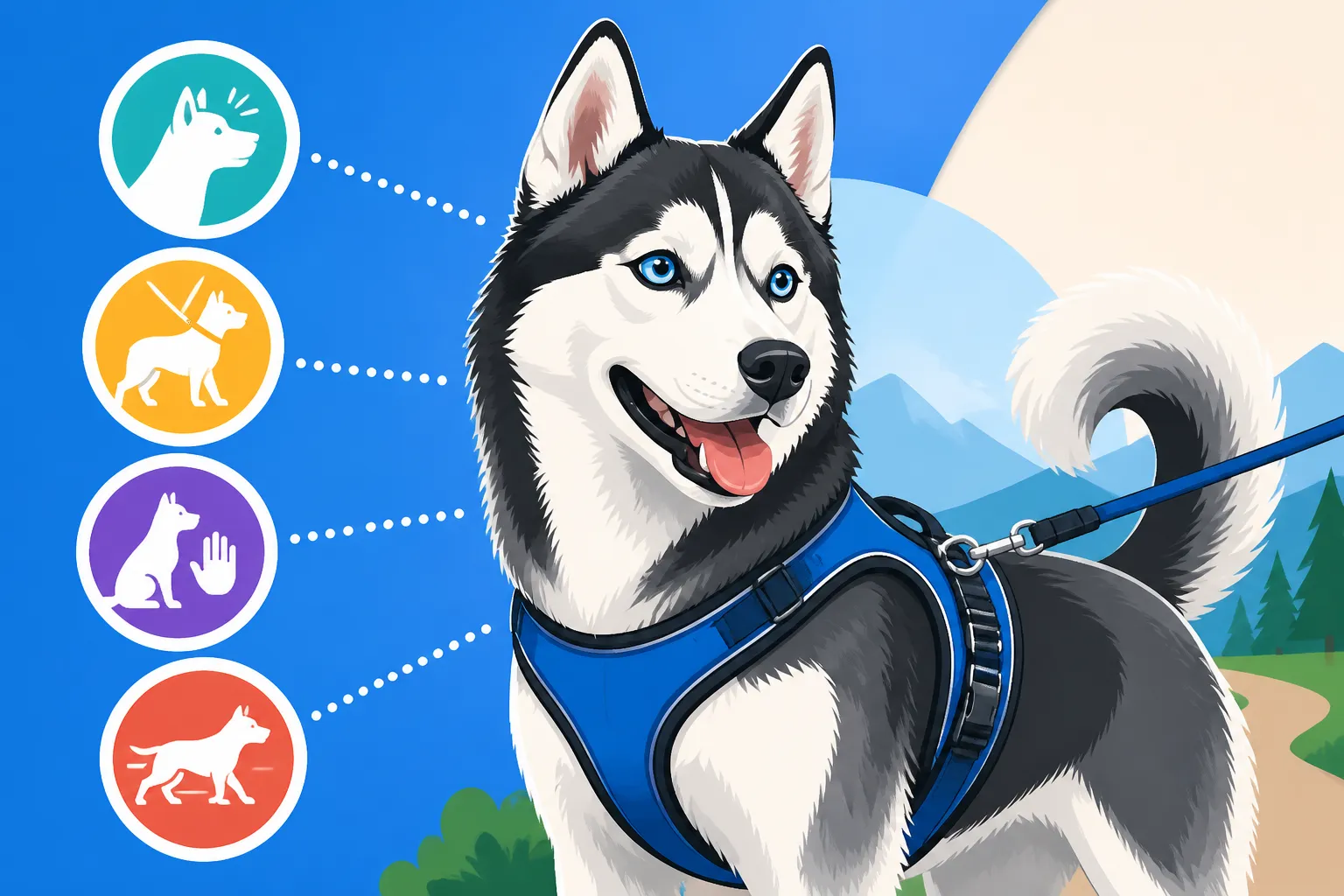
Your Husky needs to learn two distinct modes of operation, and these are often signaled by different gear and, crucially, different commands. On a regular collar or front-clip harness, they learn to walk nicely. In a dedicated pulling harness, they learn to respond to cues that tell them it's time to engage their strength. This mental separation helps them understand expectations in different contexts, reducing frustration and creating a clearer communication channel. Remember, a pulling harness is a tool for a specific job, not just a fancy walking accessory. You can find a wide range of pulling harnesses, from entry-level to professional-grade, on platforms like Amazon.
Why Traditional Leash Training Often Falls Short
When you try to apply typical loose-leash walking techniques to a Siberian Husky with a harness, you're often setting yourself up for disappointment. Many trainers advocate for stopping every time the dog pulls, changing direction, or using sharp leash corrections. While these methods can work for some breeds or for very mild pulling, they frequently backfire with a high-drive, independent breed like the Husky, especially when they're in a harness that's practically screaming "PULL!"
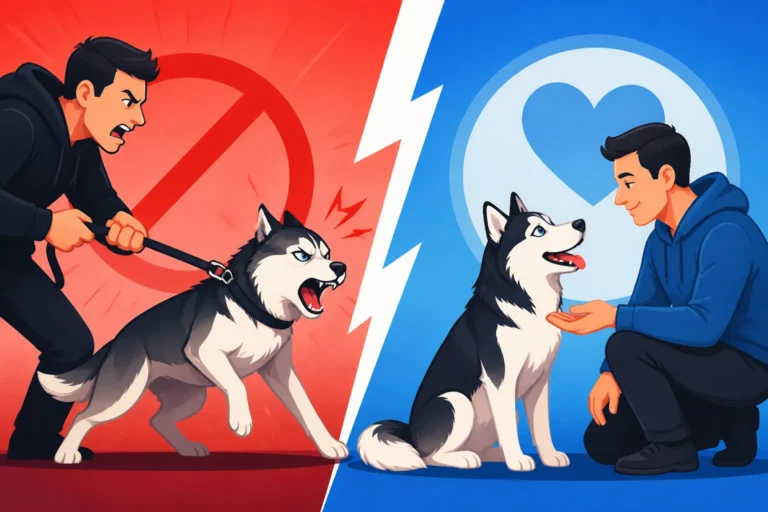
For a Husky, constant corrections or changes of direction can feel like arbitrary punishments, or worse, just part of a confusing game. Their innate drive to move forward, their forward momentum, is incredibly strong. Trying to suppress it entirely with negative reinforcement can lead to frustration, disengagement, or even a dog that starts to resent the leash and harness. It doesn't teach them what you want them to do; it only tells them what not to do, which is often counterintuitive to their natural instincts.
Instead of fighting their nature, effective harness training for a Siberian Husky leans into it, providing structure and direction. It’s about channeling that energy, not squashing it. This is why the specific vocal cues we're about to discuss are so powerful. They become a language that taps into the Husky's inherent desire to work and move, giving them a job and making them feel understood, rather than perpetually misunderstood and corrected. This approach fosters a more willing and enthusiastic partner.
Essential Cues for Harness Work
When you're asking your Siberian Husky to perform in a pulling harness, whether it's for canicross, bikejoring, or even just a brisk walk where they're allowed to pull, you need a specialized vocabulary. These aren't your typical "sit" and "stay" commands; these are directional and motivational cues that are deeply rooted in sled dog traditions. Mastering these will transform your outdoor adventures from a chaotic drag into a coordinated effort.
It's tempting to think your dog will just know what to do, but just like with any job, clear communication is paramount. Imagine being handed a steering wheel but never told "left" or "right"! That's what it's like for your Husky if you don't teach them the specific language of harness work. Building this foundation of verbal cues takes time and consistency, but it pays off immensely in safety, control, and enjoyment. This is about giving your Husky the tools to understand their job.
These cues are universal in sled dog sports for a reason: they are distinct, concise, and convey clear intentions, even over distance or in distracting environments. By using them consistently, you're creating a shared language that respects your Husky's intelligence and work ethic, allowing them to anticipate your desires and respond confidently. This structured communication builds trust and strengthens the bond you share as a working team.
"Gee" and "Haw": The Cornerstone of Directional Control
These two commands are arguably the most important cues in any pulling discipline, and they come straight from the world of dog sledding. "Gee" means "turn right," and "Haw" means "turn left." Simple, right? But the power is in their consistent application. Without these, your Husky is just pulling in a straight line, and you have no way to navigate turns or obstacles.
Imagine you're out on a trail with your Husky in a canicross belt, and you come to a fork in the path. If you just tug on the leash, your dog might get confused, pull harder, or simply continue straight. But if you give a clear "Gee!" and guide them, they learn to associate that sound with a specific directional change. The beauty of these commands is their brevity and clarity. They cut through distractions and give your dog an unmistakable instruction.
Teaching "Gee" and "Haw" requires patience and repetition, often starting in a low-distraction environment. You'll pair the verbal cue with a physical guide (a gentle tug on the line towards the desired direction, or even luring them with a treat in the early stages). Over time, your Husky will learn to anticipate the turns based solely on your voice, making your runs smoother and much safer. These cues empower your dog to be a true partner in navigation. For more details on safe pulling, read about The Cues a Siberian Husky Needs in Harness.
"Hike," "Lets Go," and "Mush": Getting Started
Once your Husky understands directions, you need cues to initiate movement and maintain pace. While "Mush!" is the classic sled dog command for "go," many pet owners also use "Hike!" or "Lets Go!" interchangeably. The key is to pick one or two and stick with them. This command tells your Husky, "Okay, engage your pull, let's move forward!"
This cue is what gets your Husky off the starting line, whether it's a casual jog or a full-speed bikejoring session. It's the "start engine" command. You want it to be delivered with enthusiasm and clarity, signaling the beginning of the work. For a breed that loves to run, this command is often met with immediate excitement and readiness to get moving.
You can also use this command to encourage them to maintain pace or increase speed during your activity. For instance, if your Husky starts to lag a bit, a cheerful "Hike!" can remind them to re-engage their forward momentum. It’s a positive reinforcement for their natural drive, reinforcing that their effort is what you're looking for. Make sure this cue is always associated with forward motion and pulling, never with stopping or slowing down.
"Whoa" and "Stop": Crucial for Safety
Just as important as getting started is knowing how to stop safely and effectively. "Whoa" or "Stop" are the critical commands here. These cues tell your Husky to halt all forward motion, whether that means coming to a complete standstill or just slowing down significantly. This is not just about convenience; it's about control and safety for both of you, especially when you're moving at speed or approaching hazards.
Imagine your Husky is pulling you on a bike, and a car unexpectedly pulls out. A quick, reliable "Whoa!" can prevent a dangerous situation. These commands need to be practiced until they are ingrained and reliable under various distractions. It's the emergency brake of your harness team. Without a solid "Whoa," you're quite literally at the mercy of your Husky's boundless energy, which can be thrilling but also incredibly risky.
Teaching "Whoa" involves stopping your forward motion while giving the command, often accompanied by physically halting the dog. Praise and reward heavily when they stop promptly. Start in quiet areas and gradually introduce more distractions. It’s a command that can literally save lives, so never skimp on practicing it thoroughly. A reliable "Whoa" is a non-negotiable part of any safe harness work. An Emergency Stop Cue for a Siberian Husky is paramount.
Teaching and Reinforcing Harness Cues
Okay, so you know the cues. Now comes the fun (and sometimes challenging) part: teaching them to your incredibly smart, often independent Siberian Husky. Consistency, patience, and positive reinforcement are going to be your best friends here. Remember, your Husky isn't being "stubborn" for the sake of it; they're often just trying to figure out what you want from them in a way that makes sense to their world.
Training a Siberian Husky in harness isn't a one-and-done deal. It's an ongoing conversation, a building of trust and understanding. You're not just teaching commands; you're developing a partnership. This process will deepen your bond and allow you to enjoy all sorts of activities together. Think of it as learning a new sport together, where clear communication makes all the difference in achieving your shared goals.
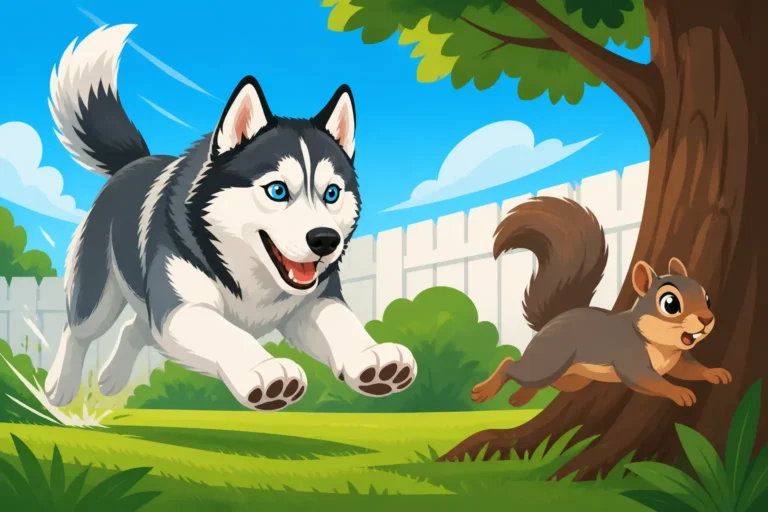
It's also important to manage your expectations. Huskies are intelligent, but they're also independent thinkers. There will be days when they seem to "forget" everything, or when a particularly interesting squirrel makes them temporarily deaf. That's normal. Approach each session with a fresh perspective and a willingness to reinforce what they already know.
Starting with Foundational Obedience on Leash
Before you even think about full-blown harness work, ensure your Siberian Husky has a solid grasp of basic obedience on a regular leash. I'm talking about a reliable "sit," "stay," and most importantly, a decent "come" or recall, even if you know Why Siberian Husky Recall Fails at the Worst Moment off-leash. While harness work involves pulling, your Husky still needs to understand control and listening to you in less stimulating environments.
A good "loose leash walk" foundation, even if imperfect, is helpful. This teaches them the distinction between "walk nicely beside me" and "pull in harness." If your Husky literally pulls you everywhere, all the time, regardless of the equipment, it's harder for them to differentiate when you want them to pull versus when you don't. Work on getting their attention when distractions are minimal.
One great way to build this is through engagement games and positive reinforcement in your backyard or a quiet park. Use high-value treats (think cooked chicken or cheese) to keep their focus on you. Building this basic level of respect and communication before introducing specialized harness cues will make the transition much smoother and less confusing for your Husky.
Progressive Introduction to Harness and Cues
Once your Husky has some basic obedience down, it's time to introduce the pulling harness itself. Start by letting them wear the harness during regular activities, making it a positive experience. Don't immediately expect them to understand the cues. Just let them get used to the feel of it.
Next, introduce the harness cues one at a time, in a low-distraction environment. For "Gee" and "Haw," you might walk them on a long line in a quiet field. When you want them to turn right, say "Gee!" and gently guide them with the line, rewarding them with praise and a treat when they make the turn. Repeat this many, many times in both directions.
For "Hike" or "Mush," put the harness on, get ready to move, and as you step forward, enthusiastically say your command. Reward their forward motion. For "Whoa" or "Stop," practice stopping yourself, saying the command clearly, and bringing them to a halt. Again, immense praise and a treat for compliance. Tools like a long line (often found on Amazon) are invaluable here for safe practice and for Starting Long Line Work With a Siberian Husky. Consider a positive reinforcement approach, perhaps using resources like BAXTER & Bella, which often provide structured online training programs for various dog behaviors.
Consistency, Patience, and Positive Reinforcement
This is where the rubber meets the road with a Siberian Husky. You need to be consistent with your commands, always using the same words for the same actions. If one day you say "Gee" for right and the next day "Right," you're just confusing your dog. Everyone in the household who interacts with the dog in harness needs to use the same cues.
Patience is paramount. Huskies are smart, but they learn at their own pace, and they have strong wills. There will be days when they seem to have forgotten everything, or when they decide a particular smell is far more interesting than your "Haw!" Don't get frustrated; just calmly guide them, repeat the cue, and reward the smallest step in the right direction. Remember, even a slight shift in weight towards the correct direction after your cue is a win worth praising in the early stages.
Positive reinforcement is key to keeping a Husky engaged. They thrive on praise, attention, and high-value treats. Make every training session fun and rewarding. Avoid harsh corrections or punishment, as this can shut down an independent breed like the Husky and make them less willing to participate. Keep sessions short, fun, and end on a high note. Keeping a Siberian Husky Interested in Training is all about making it a game.
Common Challenges and Troubleshooting
Even with the best intentions and consistent effort, training a Siberian Husky to respond to harness cues can present its unique set of challenges. Their independence, intelligence, and incredible drive mean they sometimes have their own ideas about how things should go. But don't despair; understanding these common hurdles can help you navigate them more effectively.
It's easy to feel defeated when your Husky seems to be ignoring you, especially when you've invested time and effort into their training. However, framing these moments not as failures, but as opportunities to refine your communication and adjust your approach, can make a huge difference in your mindset and, ultimately, your success. Every "mishap" is a data point, offering clues on where to focus next.
The good news is that most of these challenges are solvable with a combination of insight, adjustment, and sometimes, a little bit of outside help. The key is to remain observant, flexible, and always, always kind to your furry partner. Their unique personality is part of what makes them so special, even when it tests your patience!
When Your Husky Decides to Ignore You
Ah, the classic "selective hearing" that Husky owners know so well. You've given a crystal-clear "Gee!" but your Husky is plowing straight ahead, focused on some intriguing scent or distant movement. This isn't necessarily defiance; it could be a lack of generalization (they only understand the cue in one specific spot), high distraction, or simply that the reward for listening isn't outweighing the reward of doing what they want.
To troubleshoot this, first, go back to basics. Revisit the cue in a very low-distraction environment. Are they still solid there? If not, rebuild that foundation. If they are, then gradually increase distractions. Don't jump from your quiet backyard to a busy dog park. Try a slightly busier trail, then a bit more. Each step should be successful.
Also, evaluate your rewards. Is your treat truly high-value? For some Huskies, especially in high-drive situations, a piece of kibble won't cut it. Try boiled chicken, cheese, or hot dogs. Sometimes, the reward isn't food but a burst of enthusiastic praise and the opportunity to continue running faster. The freedom to engage their drive is their reward. Consider Motivating a Siberian Husky That Ignores You by finding what truly excites them.
Avoiding Overcorrection and Frustration
It's natural to feel frustrated when your Husky isn't listening, but resorting to harsh corrections or yelling will almost always be counterproductive with this breed. Siberian Huskies are sensitive, and they often shut down or become resistant when faced with heavy-handed training methods. Instead of learning, they learn to avoid interaction or simply become less enthusiastic about working with you. Why Force Training Fails on a Siberian Husky is a critical concept to understand.
If you find yourself getting frustrated, take a break. Seriously. Step away, gather your composure, and then try again later, or even the next day. A frustrated handler communicates tension to the dog, which can further impede learning. Remember, this should be a fun activity for both of you.
Instead of correcting a "wrong" turn, focus on guiding them to the "right" one and then rewarding them. If they fail to turn right on "Gee," gently steer them that way with the line and then immediately praise. This reinforces the correct action without punishing the mistake. It teaches them what to do, not just what not to do. Keep your voice upbeat and positive, even when repeating commands.
Recognizing When Professional Help Is Needed
Sometimes, despite your best efforts, you might feel stuck. Your Husky might be consistently ignoring cues, displaying strong leash reactivity during harness work, or you might just feel overwhelmed by the process. This is a perfectly normal and valid experience, and it's a great time to seek professional help.
Look for trainers who have experience with working breeds, specifically Siberian Huskies, and who use positive reinforcement methods. A good trainer can observe your interactions, identify subtle communication breakdowns, and offer tailored strategies that work for you and your dog. They can also help you troubleshoot specific behavioral issues that might be emerging during harness activities. You want someone who understands Finding a Trainer Who Has Worked With Huskies.
Don't view seeking professional help as a failure on your part. It's an investment in your relationship with your Husky and their continued success and enjoyment in harness work. A few sessions with an experienced trainer can make a world of difference, unlocking your Husky's full potential and making your adventures together even more rewarding.
| Command | Meaning | Purpose | Training Focus |
|---|---|---|---|
| Gee | Turn Right | Essential for directional control and navigating turns. | Paired with physical guidance, high-value rewards. |
| Haw | Turn Left | Essential for directional control and navigating turns. | Paired with physical guidance, high-value rewards. |
| Hike!/Mush! | Go / Move Forward / Maintain or Increase Pace | Initiates forward motion and encourages continued effort. | Enthusiastic delivery, rewarding forward movement. |
| Whoa/Stop | Halt / Stop All Forward Motion | Crucial safety command for sudden stops or emergencies. | Practiced extensively, rewarding immediate halts. |
| Easy | Slow Down / Maintain Steady Pace | Useful for controlling speed on descents or tricky terrain. | Gradual reduction of speed, rewarding slower pace. |
| On By | Pass Obstacles / Ignore Distractions | Tells the dog to continue past a person, dog, or object without stopping. | Highly useful for maintaining focus on the trail. |
Disclaimer
This article is for general informational purposes only and does not constitute professional advice. Laws, prices and regulations vary by location and change over time. Consult a qualified professional for guidance on your specific situation.