Why Force Training Fails on a Siberian Husky
Many husky owners find themselves utterly baffled and frustrated when traditional dog training methods, especially those relying on force or heavy-handed corrections, simply don't work with their clever, independent pups. It feels like you're speaking a different language, and your husky just looks at you, perhaps with that signature head tilt, and then trots off to do exactly what they please. This guide is here to shed light on why force training often backfires spectacularly with Siberian Huskies and to offer more effective, bond-building alternatives.
The Husky Mindset: Why They're Different
Let's face it, Siberian Huskies aren't your typical "please the master at all costs" kind of dog. They weren't bred to blindly obey commands from a human; they were bred to think for themselves, to work cooperatively but independently, and to survive in harsh conditions. This ingrained history is still very much alive in their DNA and influences every interaction you have with them. Understanding this fundamental difference is the first step toward effective training.
Their Instinct for Partnership, Not Obedience
Imagine a team of sled dogs out on a frozen trail. If the lead dog just waited for every single command from the musher, they'd never make any progress, especially in a blizzard where visibility is zero. Instead, huskies were bred to interpret subtle cues, to make decisions, and to often know better than the human about the terrain or upcoming dangers. They operate from a place of partnership, where their input matters, and they expect their efforts to be rewarded. This isn't stubbornness; it's self-preservation and intelligent problem-solving. When you try to impose your will without explanation or mutual benefit, you’re going against centuries of selective breeding that values thinking over rote obedience. They're asking, "Why should I do this?" and if the answer isn't compelling, they won't. This is why you'll often hear us veteran husky owners say that you don't command a husky; you negotiate with them.
The "What's In It For Me?" Philosophy
This isn't to say huskies are selfish, but they are incredibly pragmatic. Their decision-making process is heavily influenced by perceived benefit. If a behavior doesn't offer a tangible reward—be it a treat, a favorite toy, praise, or the opportunity to do something they want to do—they're simply not going to bother. Asking a husky to "sit" just because you said so, with no payoff, is often met with a blank stare or a shrug of their shoulders before they wander off. They aren't trying to be defiant; they're just not seeing the point. This trait, which often leads to them being labeled "stubborn," is actually a sign of their keen intelligence and independent spirit. They're constantly evaluating the cost-benefit analysis of every request. You really have to get into their heads and figure out what truly motivates them, because it's rarely just pleasing you. We talk a lot about Motivating a Siberian Husky That Ignores You because it's such a common struggle.
What "Force Training" Really Looks Like to a Husky
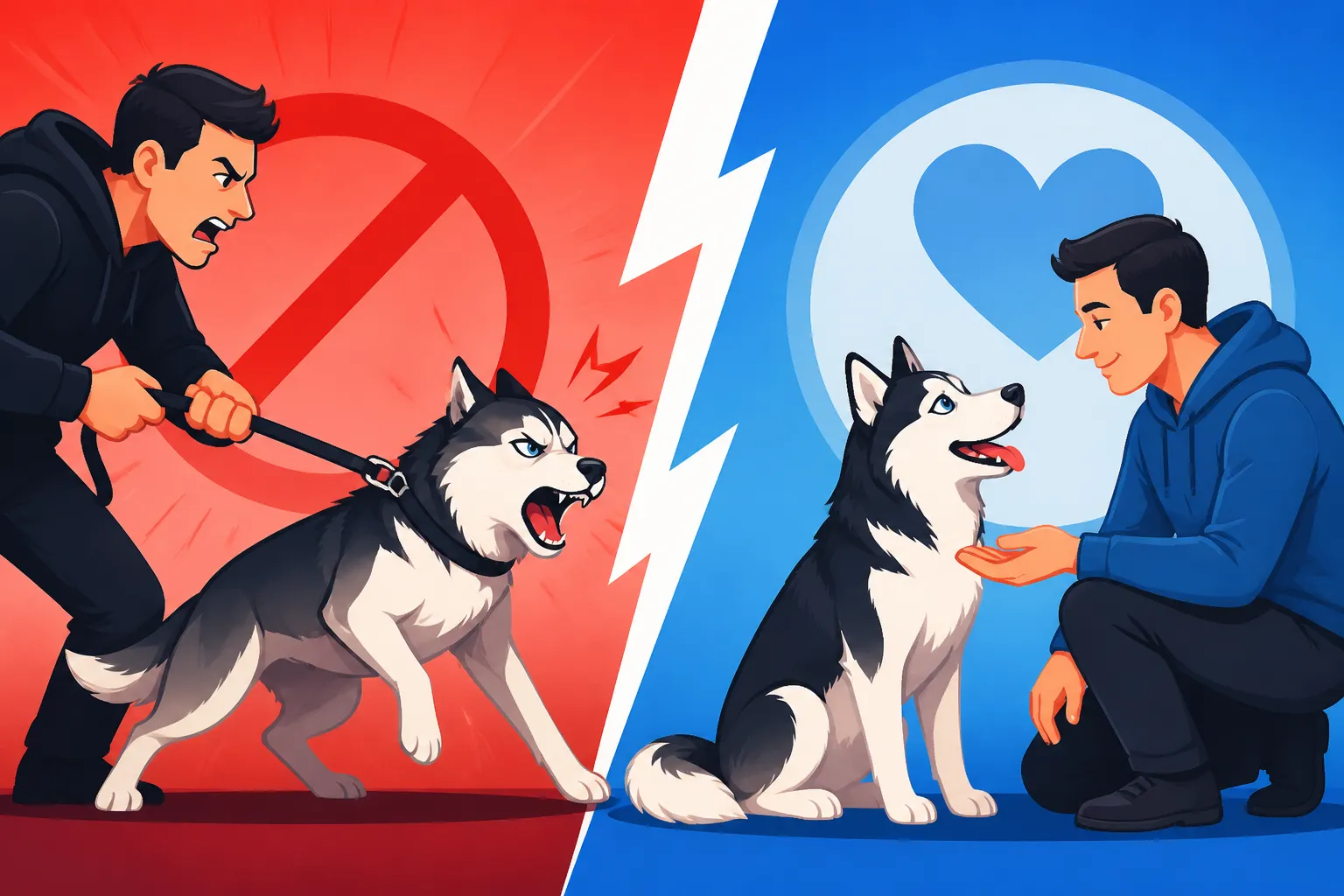
When we talk about "force training," we're generally referring to methods that rely on physical corrections, intimidation, or negative reinforcement to compel a dog to perform a desired action. This can include leash jerks, alpha rolls, scruff shakes, harsh verbal reprimands, or the use of tools like prong collars or shock collars as primary training devices. While these methods might "work" on some breeds by temporarily suppressing a behavior out of fear, they often have a profoundly different and damaging effect on a Siberian Husky.
Physical Corrections and Their Backfire
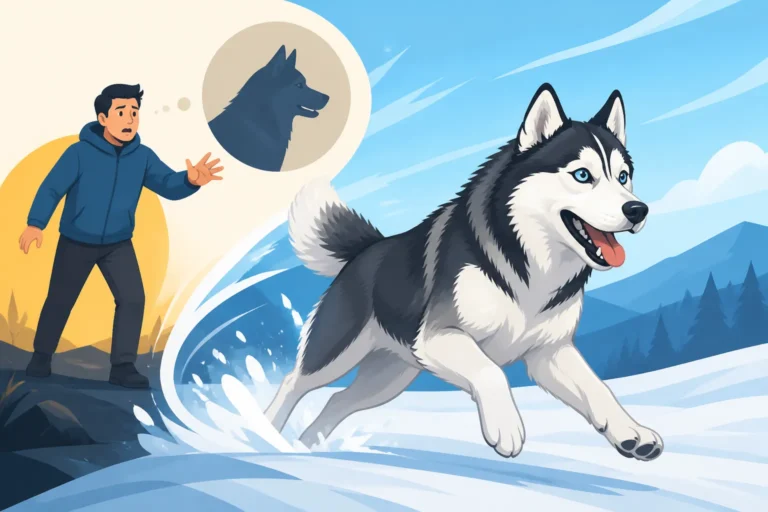
Picture this: your husky, bless its adventurous heart, spots a squirrel across the park and pulls with all its might on the leash. Your immediate, instinctual reaction might be a sharp yank back. For some dogs, this might cause them to hesitate next time. For a husky? Often, it just triggers their inherent drive to pull. Remember, these dogs were bred to lean into a harness and move forward against resistance. A sharp tug can feel like a "go" cue or simply an irritating obstacle they need to pull harder against. Instead of learning to not pull, they might learn that pulling is just part of the experience, or worse, they might become fearful or reactive to the leash itself. They don't associate the "correction" with their action in a meaningful way; they just feel discomfort or pain, leading to confusion and a breakdown of trust. This cycle can quickly escalate, turning a simple walk into a power struggle rather than an enjoyable outing. Why a Siberian Husky Pulls Harder in a Harness delves into this in more detail.
Intimidation Tactics and Lost Trust
Many traditional "dominance" based training methods involve trying to "be the alpha" by using intimidating stances, staring down the dog, or performing physical maneuvers like alpha rolls. With a husky, these tactics are rarely effective and are almost always detrimental. A husky doesn't interpret these actions as you being "in charge" in a benevolent, leadership sense. Instead, they see aggression, unpredictability, and a lack of respect. Their response might range from completely shutting down (which can be mistaken for obedience) to becoming defensive or even aggressive themselves if they feel threatened. This approach erodes the foundation of trust that is absolutely essential for a strong bond with an independent breed like the husky. Once that trust is broken, it's incredibly hard to rebuild. They are partners, remember, not subordinates to be dominated. When they perceive you as a threat or an unpredictable source of discomfort, they will either distance themselves emotionally or attempt to escape the situation.
The Fallout: Negative Consequences of Force Training
The problem with force training isn't just that it's ineffective; it actively harms your relationship with your Siberian Husky and can lead to serious behavioral issues. These consequences often manifest as a breakdown in communication, increased anxiety, and even aggression, none of which help you achieve the well-behaved companion you desire.
Shutting Down and Learned Helplessness
One of the most heartbreaking outcomes of force-based training with a sensitive, intelligent breed like the husky is what's known as "learned helplessness." When a husky is repeatedly subjected to corrections or intimidation for behaviors they don't understand, or when their attempts to communicate or offer alternative behaviors are punished, they eventually give up. They might appear "obedient" because they are doing nothing, sitting rigidly, or moving slowly. But this isn't true cooperation; it's a dog that has emotionally shut down. They've learned that trying to think, respond, or express themselves leads to pain or fear, so they simply stop trying. This is a common situation we address with A Siberian Husky That Shuts Down Under Pressure. You might get a momentary halt to an unwanted behavior, but you've also crushed their spirit and their willingness to engage with you, making genuine training and joyful interaction impossible. They lose their spark, their curiosity, and that vibrant husky personality we all adore.
Aggression Born of Fear and Frustration
Another dangerous side effect of force training is the potential for aggression. When a husky feels cornered, threatened, or constantly uncomfortable, their natural instinct for self-preservation can kick in. If they learn that their signals of discomfort (a lip lick, a yawn, turning away) are ignored or punished, they may escalate to growling, snapping, or even biting as their only remaining way to say "stop!" This isn't because they are inherently aggressive; it's a direct result of being pushed beyond their tolerance threshold without a safe outlet. This is particularly true for independent breeds who aren't inclined to passive submission. A husky, when faced with perceived aggression, is far more likely to respond with defiance or defense than capitulation. This creates a dangerous situation for both the dog and the owner, often leading to dogs being labeled "problematic" when the issue was, in fact, the training methodology.
Escalation of Undesirable Behaviors
Ironically, attempting to suppress unwanted behaviors through force often leads to their escalation or the emergence of new, equally frustrating habits. For example, if you harshly correct a husky for pulling, they might simply start pulling harder or become reactive to other dogs or people on leash because they associate walks with stress and discomfort. If you punish a husky for howling when left alone, they might learn to chew furniture out of anxiety instead, or develop destructive habits that are even harder to manage. Force doesn't teach a dog what to do; it only teaches them what not to do (or, more often, what to fear). Without providing clear, positive alternatives, their natural drives and anxieties will find other, often less desirable, outlets. You'll often find yourself in a constant battle, rather than developing a cooperative working relationship, leaving both you and your husky perpetually frustrated.
Building a Better Bond: Positive Reinforcement with a Husky
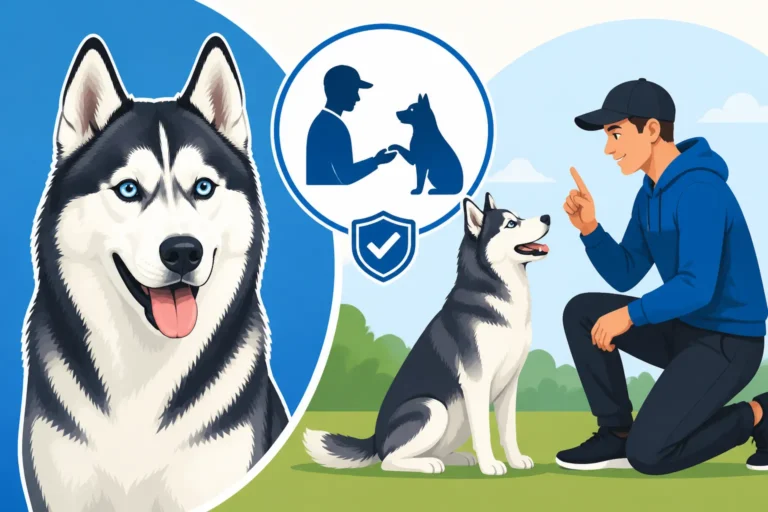
So, if force training doesn't work, what does? The answer lies in understanding and embracing positive reinforcement. This approach focuses on rewarding desirable behaviors, making training an enjoyable experience for both you and your husky. It builds trust, strengthens your bond, and encourages your husky to want to work with you.
Making Training a Game, Not a Chore
Huskies are playful, intelligent, and love to engage, especially if it feels like a challenge or a hunt. By framing training sessions as games, you tap into their natural instincts and make learning fun. Instead of repetitive, drill-like commands, think hide-and-seek with treats, or "find it" games that incorporate a "stay" cue. Use short, frequent sessions (5-10 minutes) to keep their attention, as their independent minds can wander quickly. When training is a game, your husky becomes an active participant, eager to figure out what you want and how to earn that reward. This not only makes them more receptive to learning but also helps you understand their individual preferences and problem-solving styles. Many husky owners find immense success when they embrace this playful spirit, often finding their dog more attentive and engaged. This is a key part of Keeping a Siberian Husky Interested in Training.
High-Value Rewards and Motivation
Remember the husky's "What's in it for me?" philosophy? Positive reinforcement caters directly to this by using rewards that your husky truly values. For some, it might be a small piece of cooked chicken or cheese. For others, it could be a favorite squeaky toy, a quick game of fetch, or even highly enthusiastic praise and a belly rub. The key is to experiment and find what motivates your individual husky. What might be a high-value reward for one dog could be ignored by another. Make sure your rewards are easily digestible and quickly consumed to maintain momentum during training. You can also use a "jackpot" reward—a sudden shower of extra-tasty treats—for particularly excellent responses. This method makes you, the owner, the source of all good things, strengthening your bond and making your husky eager to interact and learn. We delve into specific Food Rewards a Siberian Husky Will Work For in another post.
Consistency and Patience: The Husky Way
Training a husky, especially with positive reinforcement, requires immense consistency and patience. Huskies are smart, and they'll quickly learn if they only have to listen sometimes. Everyone in the household needs to use the same cues and reward system. This means no "off days" where rules are relaxed, as a husky will exploit inconsistencies in a heartbeat. Furthermore, their independent nature means they might not always offer the behavior on the first try, or they might try to "negotiate." It's crucial not to get frustrated. Instead, go back to basics, make the task easier, and celebrate every tiny step of progress. Remember, they are not being stubborn; they are being huskies. Your calm, consistent approach, combined with irresistible rewards, will gradually shape their understanding and behavior. Why Siberian Huskies Look Stubborn Rather Than Slow is a concept every owner needs to grasp.
Tools and Techniques That Actually Work
Beyond just a mindset shift, there are practical tools and techniques that align beautifully with the husky's nature and foster cooperation without force. These are designed to manage their strong physical drives, channel their intelligence, and build positive associations with training.
Harnessing Their Energy, Not Crushing It
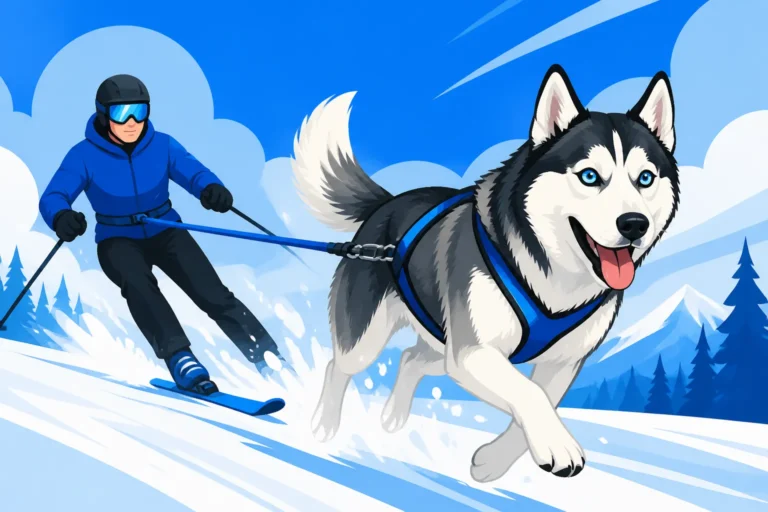
Given their powerful pulling instinct and athletic build, standard neck collars are often insufficient and can even cause damage to a husky's throat if they pull excessively. Instead, front-clip harnesses are a game-changer. These harnesses redirect a husky's forward momentum back towards you when they pull, making it much harder for them to drag you down the street. It's not a punitive tool but a biomechanical one that makes pulling uncomfortable without causing pain, gently teaching them to walk nicely. Many excellent options are available on platforms like Amazon. Combine this with loose-leash walking games where you reward them heavily for slack in the leash, and you'll see a dramatic improvement. Harness Against Collar for a Siberian Husky is a popular topic for a reason! Remember, a husky's energy needs an outlet, and teaching them to walk politely on a leash is part of providing that structured exercise, not limiting it.
Clicker Training a Siberian Husky
Clicker training is an incredibly effective method for huskies because it provides clear, instantaneous communication. The clicker marks the exact moment your husky performs the desired behavior, followed immediately by a high-value reward. This clarity bypasses any confusion about what they did right. Huskies, being problem-solvers, quickly figure out that the click means they've "won" and are eager to try new things to earn that satisfying sound and treat. It's a fantastic way to teach complex behaviors by breaking them down into small, achievable steps, known as "shaping." The clicker becomes a positive predictor of good things, making training an engaging and rewarding intellectual exercise for your husky. Clicker Training a Siberian Husky can truly transform your training experience, turning frustrating moments into breakthroughs.
Professional Guidance for Complex Challenges
Sometimes, even with the best intentions and positive reinforcement, you might encounter challenges that feel overwhelming, especially with a husky's strong personality. This is where professional help comes in. Look for trainers who specialize in positive reinforcement and have experience with independent, intelligent breeds like Siberian Huskies. Avoid anyone who suggests dominance theory, alpha rolls, or harsh corrections. Online training platforms, like those offered by BAXTER & Bella, can also provide structured guidance, video tutorials, and access to trainers who understand positive, force-free methods. These resources can be invaluable for tackling specific issues, refining your techniques, or simply gaining confidence in your training journey. Investing in expert guidance is an investment in your husky's well-being and your shared future.
| Training Approach | Husky Perception | Common Outcomes (Force) | Common Outcomes (Positive) |
|---|---|---|---|
| Force/Aversive | Threatening, Confusing, Painful, Unfair | Fear, anxiety, aggression, learned helplessness, broken trust, behavioral escalation | N/A |
| Positive Reinforcement | Rewarding, Engaging, Clear, Predictable, Fun | N/A | Enthusiasm, strong bond, willing cooperation, clear communication, confidence |
| Primary Motivation | Avoiding punishment or discomfort | Suppression of behavior (often temporary) | Desire to earn rewards |
| Impact on Relationship | Deteriorates, creates fear/resentment | N/A | Strengthens, builds trust and partnership |
| Long-Term Effectiveness | Low, often leads to unwanted side effects | N/A | High, sustainable, adaptable |
Disclaimer
This article is for general informational purposes only and does not constitute professional advice. Laws, prices and regulations vary by location and change over time. Consult a qualified professional for guidance on your specific situation.