Keeping Siberian Husky Sessions Short
Anyone who has ever tried to teach a Siberian Husky anything knows the struggle: one moment they're laser-focused, the next they're looking at a dust bunny in the corner as if it holds the secrets of the universe. It's incredibly frustrating when your training efforts seem to hit a brick wall of disinterest. This guide is all about understanding why your Husky's attention span is often shorter than your patience and, more importantly, how to structure training sessions that actually stick, making the most of those precious moments of engagement.
The Siberian Husky Brain: Why Focus is Fickle
Siberian Huskies are magnificent, intelligent dogs, but their intelligence often manifests differently than in, say, a Golden Retriever or a Border Collie. Their minds are wired for independence, problem-solving on their own terms, and covering vast distances, not necessarily for sitting perfectly still for extended periods, waiting for your next instruction. This isn't a flaw; it's a deeply ingrained part of who they are, and understanding this is the first step to successful training.
Ancestral Independence and Drive
Think about the origins of the Siberian Husky. They were bred by the Chukchi people in northeastern Asia, not as personal companions in the modern sense, but as working dogs. Their primary job was to pull sleds over long distances in harsh conditions, often making independent decisions on the trail, navigating safely when visibility was poor, and conserving energy. They weren't bred to be overly handler-focused or to seek constant approval. This deep-seated independence means they naturally assess a situation and decide if what you're asking is worth their effort or if there's something more interesting or beneficial to them elsewhere.
For us modern owners, this can feel like pure stubbornness. You ask for a "sit," and your Husky might give you a look that says, "Why? What's in it for me right now?" or simply turn their head to watch a leaf blow by. It’s not that they don't know "sit"; it's that their brain is constantly evaluating priorities. Prolonged, repetitive training feels unnatural to them because it goes against their instinct to be self-reliant and constantly scan their environment for changes or opportunities. Many owners find themselves asking, Why Siberian Huskies Look Stubborn Rather Than Slow, but it’s truly a testament to their unique heritage.
The Thrill of the Chase Over Repetition
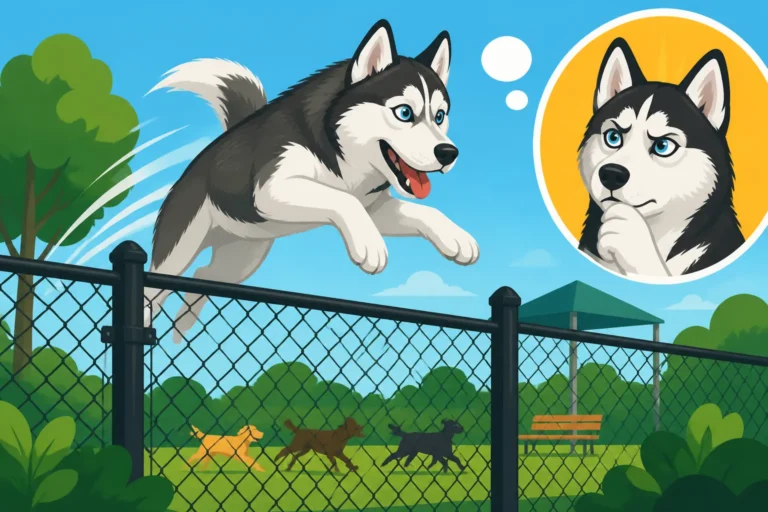
Huskies are also built for speed and endurance, and they possess a strong prey drive. This instinct means that movement, novelty, and the possibility of a chase are incredibly stimulating and rewarding. A squeaky toy, a rustling bush, or even just the wind blowing a plastic bag across the yard can become infinitely more compelling than repeating "stay" for the fifth time in a row. Their brains are hardwired to notice and react to these environmental stimuli, as it was crucial for survival and performance in their original role.
When a training session drags on, the repetition quickly loses its appeal. The initial excitement of earning a treat for a new trick wanes when the trick becomes old hat. Their minds start seeking other forms of engagement – often, whatever catches their eye outside the training context. This isn't them being disrespectful; it's simply their natural inclination for novelty overriding the diminishing returns of a monotonous task. Trying to force them to focus through sheer will often backfires, leading to frustration for both of you.
Signs Your Siberian Husky is "Over It"
Recognizing when your Husky is losing interest is crucial for effective training. Pushing them past this point rarely yields good results and can actually sour them on training altogether. Instead of learning, they just learn to tune you out. Understanding their subtle cues allows you to end on a positive note and preserve their enthusiasm for the next session.
Body Language Tells
Huskies, like all dogs, communicate a lot through their body language before they resort to outright ignoring you. Subtle signs of disengagement often include yawning, even if they aren't tired; lip licking, which is often a calming signal rather than a sign of hunger; and looking away or turning their head, breaking eye contact. They might start sniffing the ground intensely, scratching themselves, or just generally appearing "busy" with anything but the task at hand.
These are your Husky's ways of saying, "I'm not into this anymore," or "I'm feeling a little stressed by the pressure." If you see these signals, it’s a clear indication that their mental gas tank for focused work is running on empty. Ignoring these signs and trying to push through can lead to them becoming more withdrawn, or even developing a negative association with training. Catching these early cues means you can gracefully end the session before frustration sets in for either of you. Pay close attention to these signals, as they are often more honest than any verbal cue.
Decreased Responsiveness and "Selective Hearing"
One of the most common and frustrating experiences for a Husky owner is the sudden onset of "selective hearing." Initially, your Husky might have responded eagerly to "sit" or "come." But as the session wears on, their responses become slower, hesitant, or completely non-existent. You might repeat the command, feeling like you're talking to a brick wall, convinced they've completely forgotten everything you've taught them.
This isn't memory loss; it's disengagement. Their independent nature combined with boredom means they’ve decided the reward isn't worth the effort, or something else is more interesting. What was once a quick "sit" for a treat becomes a slow saunter, a sniff of the ground, and then maybe, maybe, a sit after several prompts. This is a clear signal that the session has gone on too long. Ending it here, even if they didn't perform perfectly on the last command, prevents them from practicing ignoring you. If you're wondering Motivating a Siberian Husky That Ignores You, shortening your sessions is a critical first step.
The Goldilocks Zone: How Short is "Short Enough"?
There's no single magic number for every Siberian Husky, but the general rule of thumb is "shorter than you think." For most Huskies, especially when learning something new or in a distracting environment, a few minutes of focused work is often all you can realistically expect. The goal is to finish before they get bored, leaving them wanting more.
Age and Attention Span Considerations
Just like human children, Siberian Husky puppies have even shorter attention spans than adults. For a young pup (under 6 months), think 2-5 minutes, maybe even just 60-90 seconds for truly young puppies. These short bursts can happen multiple times a day. As they mature, their focus can extend slightly. An adult Husky, once past their boisterous teenage phase (around 1-2 years old), might manage 5-10 minutes of dedicated training, depending on the task and environment. However, this is for focused work, not just casual practice.
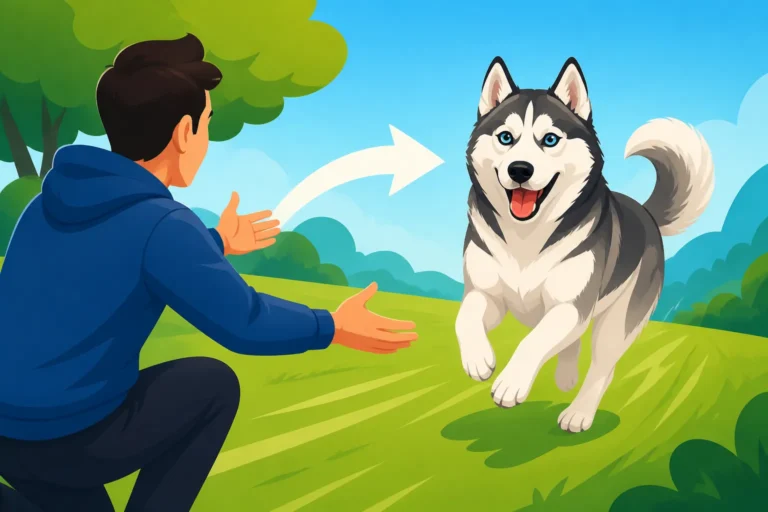
The key is flexibility. Some days your Husky might be more "on" than others. Watch their body language. If they're engaged and enjoying it, you might push a little longer. If they start to waffle after three minutes, end it there. The goal is always to end on a successful, positive note, even if it's just one perfect "sit" and then a cheerful "All done!" and a super special treat or toy. This approach helps to build a positive association with training, making them more eager for the next session. Remember, Recall Games for a Siberian Husky Puppy are best kept short and sweet to maintain their interest.
Quality Over Quantity: Making Every Second Count
When your training window is so brief, every second truly counts. This means bringing your A-game as a trainer. Use high-value rewards – not just kibble, but truly exciting treats like small pieces of cheese, boiled chicken, or a favorite squeaky toy they only get during training. Your enthusiasm and energy are also crucial. Be animated, use a happy, upbeat voice, and make it clear that training is the most exciting thing happening right now.
Instead of drilling one command ten times in a row, consider practicing 2-3 different known commands once or twice each, then introducing a tiny, bite-sized piece of a new skill. The novelty keeps them engaged. A quick, energetic 5-minute session where your Husky is fully engaged and gets plenty of fantastic rewards is infinitely more valuable than a 20-minute session where they spend half the time staring into space or trying to find something to chew on. Ending with a flourish – a jackpot of treats or a quick game of tug – leaves them feeling like they won the lottery, building anticipation for the next training opportunity.
Maximizing Short Training Bursts
Since long, drawn-out sessions aren't a Husky's forte, the trick is to integrate training into their daily life in a way that feels natural and fun, rather than a structured "lesson." This approach not only maintains their interest but also helps them generalize commands to various real-world situations, which is particularly challenging for independent thinkers like Huskies.
Incorporating Training Into Daily Life
One of the most effective ways to train a Siberian Husky is through "lifestyle training." This means weaving commands and good manners into your everyday routines without it feeling like a formal session. For example, before you put down their food bowl, ask for a "sit" or "wait." Before they go out the door, ask for a "stay" or a calm "release." While you're watching TV, practice a quick "down" or "paw." These aren't long, intense drills, but rather brief moments of engagement that reinforce desired behaviors in a contextually relevant way.
The beauty of this method is that it prevents boredom from setting in. Each "mini-session" is tied to something they already want to do (eat, go outside, get attention), making the command a gateway to that reward. This constant, low-pressure reinforcement throughout the day is often far more impactful for a Husky than a single 15-minute dedicated session. It teaches them that responding to your cues is always worthwhile, no matter the context, and it keeps their minds working without overloading their attention span. This also supports the principle of Training an Independent Siberian Husky by making the 'work' feel less like a chore.
Varying Location and Distraction Levels
Another crucial aspect of maximizing short training bursts is to change your environment frequently. Huskies are highly observant of their surroundings. What they learn perfectly in your quiet living room might completely disappear when you take them to a busy park. This isn't them being difficult; it's a lack of generalization. They associate the command with the specific context where it was learned.
Start training new behaviors in a low-distraction environment. Once they're consistent, gradually introduce new locations and higher levels of distraction. For instance, practice "sit" in the living room, then the kitchen, then the backyard, then a quiet street, then a slightly busier park. Keep these sessions extremely short, perhaps just one or two successful repetitions, before ending. Each successful "sit" in a new place strengthens the command's meaning regardless of the environment. A short burst of training near a playground might last only two minutes, but if your Husky nails a "down" there, it's a huge victory that builds confidence for both of you.
Tools and Techniques for Engaging a Husky
Engaging a Siberian Husky requires creativity and a deep understanding of what truly motivates them. They're not "yes" dogs who live to please; they need to be convinced that your ideas are good ideas. The right tools and techniques can make all the difference in keeping those short training sessions impactful and fun.
High-Value Rewards and Motivators
For many dogs, a pat on the head or a piece of kibble is reward enough. For a Husky, you often need to level up. Think high-value! Small pieces of cooked chicken, cheese, hot dogs, or even store-bought soft training treats work wonders. The more a Husky values the reward, the more likely they are to maintain focus for those crucial few minutes. Experiment to find out what truly makes your Husky's eyes light up. Some might go crazy for a game of tug with a special toy that only comes out during training, while others are absolute foodies. You can find a vast array of high-value treats and engaging toys on platforms like Amazon, offering plenty of options to discover your Husky's ultimate motivator.
Beyond physical rewards, remember that praise and genuine enthusiasm from you are also important, but rarely enough on their own for a Husky. Combine verbal praise with tangible rewards to create a powerful positive association. Vary your rewards to keep things interesting – don't use the same treat every single time. A "jackpot" reward (several treats at once or an extended play session) for an especially good effort or a breakthrough moment can be incredibly motivating and memorable for your Husky, reinforcing that truly trying is worth it. For more ideas on what gets a Husky's tail wagging, look into Food Rewards a Siberian Husky Will Work For.
Keeping it Fun: Games and Brain Work
Huskies thrive on mental stimulation as much as physical exercise. Turning training into a game is a fantastic way to utilize their intelligence and independence while keeping sessions short and engaging. Instead of drill-based obedience, think about scent games, hide-and-seek, or short bursts of fetch that incorporate commands like "wait" or "drop it." A quick "find it" game with hidden treats taps into their natural scenting abilities and provides mental exercise without demanding long periods of static focus.
Puzzle feeders are another excellent tool for keeping their minds engaged independently. These toys dispense food when manipulated correctly, providing a challenge that many Huskies relish. They can turn mealtime into a mental workout, helping to burn off some mental energy outside of formal training. Look for durable puzzle toys that stand up to enthusiastic Husky use. Online training programs, like those offered by BAXTER & Bella, often incorporate game-based learning and positive reinforcement techniques that are particularly well-suited for independent breeds, helping owners structure engaging short sessions at home. Such strategies are far more effective than approaches outlined in Why Force Training Fails on a Siberian Husky, which can cause a Husky to shut down entirely.
Here’s a quick guide to help you gauge appropriate training session lengths for your Husky:
| Age of Siberian Husky | Typical Focused Attention Span | Recommended Session Length & Frequency | Key Strategy |
|---|---|---|---|
| Puppy (8-16 weeks) | 1-2 minutes | 1-2 minutes, 5-8 times/day | Very short, highly rewarding, playful. |
| Adolescent (4-12 months) | 2-5 minutes | 3-5 minutes, 3-5 times/day | Introduce variety, higher distractions gradually. |
| Adult (1-7 years) | 5-10 minutes (variable) | 5-10 minutes, 2-3 times/day | Focus on generalization, advanced cues, mental games. |
| Senior (8+ years) | 2-5 minutes | 2-5 minutes, 1-2 times/day | Gentle, familiar commands, comfort-focused. |
This table provides a general guideline, but always remember to observe your individual Husky's cues. End the session when they're still keen, not when they're checked out. Keeping training positive, fun, and brief is the secret to a well-behaved and engaged Siberian Husky.
Disclaimer
This article is for general informational purposes only and does not constitute professional advice. Laws, prices and regulations vary by location and change over time. Consult a qualified professional for guidance on your specific situation.