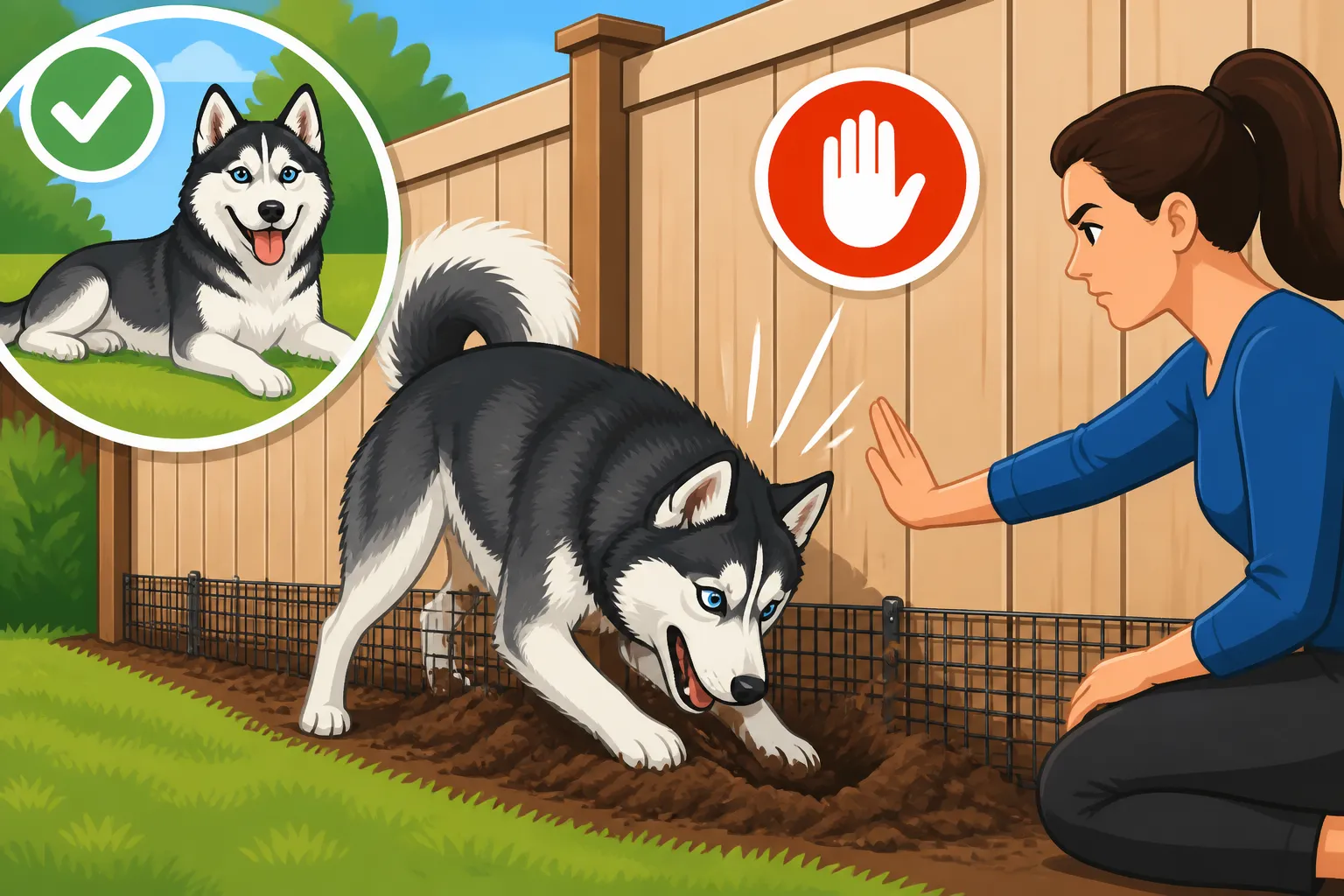
Stopping a Siberian Husky Digging Along the Fence
That persistent digging along your fence line? It’s enough to make any Siberian Husky owner pull their hair out. You thought you had a secure yard, only to wake up to another escape tunnel or a muddy mess where your grass used to be. It’s not just annoying; it’s genuinely stressful because a digging Husky is often a lost Husky, and we know how quickly they can disappear. This guide is here to walk you through the very real reasons your Siberian Husky is turning into a furry excavator and, more importantly, how you can finally put a stop to it and keep your adventurous companion safely at home.
Understanding the Deep Roots of Siberian Husky Digging
It’s easy to get frustrated when you see your beautifully landscaped yard being systematically dismantled by your beloved Husky. But before you label them as "naughty," it’s crucial to understand that digging isn’t just a mischievous habit for a Siberian Husky; it’s often an ingrained instinct. These dogs were bred for specific roles, and those roles came with a suite of behaviors that are still very much present in our modern pets. Your Husky isn't trying to annoy you; they're simply being a Husky.
The Ancestral Call: Why They Dig
Think about where Siberian Huskies come from: the harsh, unforgiving environments of Siberia. Survival depended on certain skills, and digging was high on that list. Their ancestors would dig dens for shelter from extreme weather, whether it was a blizzard or scorching summer sun. They’d also dig to find and cache food, or to hunt small prey that lived underground.
For your Husky, that impulse to dig is often a throwback to those ancient needs. They might be trying to create a cool spot in the dirt on a warm day, especially with their thick double coat. Or perhaps they're mimicking a den, a safe, enclosed space that feels natural and secure. This isn't something they can just "turn off"; it's a part of their genetic makeup. Recognising this helps you approach the problem with more patience and a focus on redirecting rather than punishing. It’s all about working with their instincts, not against them.
Boredom and Energy: The Modern Motivators
While instincts play a huge role, let's be honest, modern Huskies also dig because they’re often bored and under-exercised. These dogs were bred to run for miles and miles, pulling sleds across vast, open tundras. Confining that immense energy to a suburban backyard, even a large one, without adequate physical and mental stimulation, is a recipe for trouble.
When a Siberian Husky has pent-up energy, they will find an outlet. Digging is an accessible, self-rewarding activity. It releases energy, it provides mental engagement as they work towards a goal (even if that goal is just moving dirt), and it offers sensory satisfaction. If you notice the digging escalates after a day when walks were shorter or they haven't had much playtime, boredom is likely a major contributor. Addressing their exercise needs is often the first and most effective step in curbing unwanted digging. It’s a core component of How Much Exercise a Siberian Husky Really Needs.
The Great Escape: Huskies as Master Architects
Let's face it, Siberian Huskies are renowned escape artists. A fence to a Husky isn't a barrier; it's a puzzle to solve or a challenge to overcome. They are incredibly intelligent and persistent, and if they decide there’s something more interesting on the other side of that fence—a squirrel, a friendly neighbor, or just the great unknown—they will systematically work to get there.
Digging under the fence is one of their primary methods. They'll test the perimeter, find weak spots, and methodically excavate. It’s not just about running; it's about the adventure, the hunt, the call of the wild that is deeply ingrained in their breed. A small gap, a loose section of wire, or even just soft soil can quickly become an escape tunnel. This drive to roam is something every Siberian Husky owner must contend with, which is why we often discuss Why a Siberian Husky Cannot Be Trusted Off Leash. Their desire for freedom is a powerful motivator for digging, making your fence line a constant point of interest for them.
Seeking Comfort: Cool Beds and Hiding Spots
Beyond escape and boredom, sometimes a Siberian Husky digs simply for comfort. That thick double coat that keeps them toasty in freezing temperatures can be a real burden when the sun is beating down. Digging down into the cooler earth is a natural way for them to regulate their body temperature. They're essentially creating their own little micro-climate, a personal, cool trench to lie in.
You might notice this behavior more during warmer months or on sunny patches of your yard. The freshly turned soil is significantly cooler than the surface, offering a welcome respite. Similarly, they might dig a shallow scrape to nestle into, creating a secure, somewhat hidden spot that feels safe and comfortable, much like their ancestors would have used a den. Understanding this can help you provide alternative cooling options or comfortable, shaded spots in your yard, which can sometimes reduce the need for them to dig their own.
Reinforcing Your Perimeter: Building a Dig-Proof Fence
Once you understand why your Siberian Husky is digging, the next step is to address the how. Huskies are resourceful, so simply patching a hole isn't a long-term solution. You need to think like a Husky and create a barrier that anticipates their strategies. This often means reinforcing your fence from the ground down.
The L-Footer: A Simple Yet Effective Barrier
One of the most widely recommended and effective methods for stopping a digging Husky is installing an L-footer. Imagine your fence posts forming the vertical part of an "L," and the horizontal part extends inward, underground. This L-shaped barrier prevents your Husky from digging straight down and out.
To create an L-footer, you'll need to dig a trench along the inside perimeter of your existing fence. The trench should be at least 18-24 inches deep and extend horizontally inward by about 12-18 inches. Into this trench, you can lay heavy-gauge welded wire mesh, chicken wire, or even concrete pavers. The wire should be secured to the bottom of your fence line and then laid flat into the trench, extending inward. Once covered with soil, your Husky will hit this impenetrable barrier if they try to dig down. They can't dig through the wire, and they won't instinctively try to dig up and over it once they're underground. It’s a physical deterrent that works with their digging pattern. Many owners find appropriate wire mesh and materials for this task readily available on platforms like Amazon.
Burying a Solid Foundation: Concrete or Gravel Trenches
For a more permanent and perhaps aesthetically pleasing solution, consider a concrete or gravel trench. This is essentially a more robust version of the L-footer. Instead of wire mesh, you fill the trench with a solid material that a Husky cannot dig through.
- Concrete Trench: This involves pouring a continuous concrete footer along the inside of your fence line. It's labor-intensive and more costly upfront, but it offers an absolutely impenetrable barrier. The concrete should extend at least 12-18 inches deep and 12-18 inches inward. This not only stops digging but can also add stability to your fence posts.
- Gravel Trench: A slightly less expensive but still effective option is to fill your trench with heavy gravel. While not as impenetrable as concrete, large, coarse gravel is very difficult and uncomfortable for dogs to dig through. The unstable nature of the gravel makes it frustrating for them to get any leverage. This can be a good compromise for those who want a strong barrier without the permanence and cost of concrete. Both methods ensure that when your Husky starts to dig, they quickly meet resistance that's far too solid for their paws.
Strategic Landscaping: Deterrents Along the Fence
Sometimes, you can use landscaping to your advantage to deter digging. While these methods might not be as foolproof as an L-footer or concrete, they can certainly make the fence line less appealing as a digging spot.
- Large Rocks or Pavers: Placing large, flat rocks or heavy concrete pavers along the inside of your fence line can create a physical barrier. The weight and size of these objects make them difficult for a Husky to move, especially if they are nestled close together. This works best when combined with some form of buried barrier, as a truly determined Husky might try to dig around individual rocks.
- Thorny Bushes or Plants: Planting thorny or dense, prickly bushes along the fence line can make it an uncomfortable place to dig. Think about plants like roses (without the toxic berries, of course) or certain types of evergreen shrubs with dense root systems. The discomfort from the thorns can act as a deterrent, and the dense roots can also make the soil harder to excavate. Always ensure any plants you choose are non-toxic to dogs. This method works well in conjunction with other barriers, acting as a secondary deterrent.
Securing Gates and Weak Points
Don't forget that your fence is only as strong as its weakest point. For many Siberian Huskies, gates are the ultimate challenge to overcome. They are smart enough to figure out latches, and sometimes, the ground directly under a gate is not as secure as the rest of the fence line, offering an easy escape route.
- Gate Security: Install heavy-duty, spring-loaded latches or even double-latching mechanisms that require multiple steps to open. Consider adding a padlock if possible. Many Huskies can push or slide simple bolt latches.
- Under-Gate Reinforcement: The gap under gates is a prime digging spot. Install a threshold or sweep that extends to the ground, or bury an L-footer directly beneath the gate opening. Concrete can be poured here as well to create a solid, immovable barrier. The goal is to eliminate any area where they might get a paw under and start digging. Checking your gates regularly for signs of wear or new digging attempts is crucial for maintaining overall fence integrity, especially since Siberian Huskies That Learn Gate Latches are not uncommon.
| Reinforcement Method | Description | Pros | Cons |
|---|---|---|---|
| L-Footer (Wire Mesh) | Buried wire mesh laid horizontally inward from the fence. | Cost-effective, very effective, DIY-friendly. | Can be labor-intensive to install. |
| Concrete Trench | Solid concrete footer poured along the fence line. | Highly durable, impenetrable, adds fence stability. | High upfront cost, very labor-intensive, permanent. |
| Gravel Trench | Trench filled with coarse, heavy gravel. | Less permanent than concrete, discourages digging. | Less impenetrable than concrete, gravel can shift. |
| Landscape Barriers | Large rocks, pavers, or thorny plants at fence base. | Aesthetically pleasing, adds another deterrent layer. | Less effective alone, some plants may be toxic. |
Behavioral Management: Training and Engagement
While physical barriers are essential, you can’t overlook the behavioral side of digging. A truly secure yard combines physical security with intelligent management and training. If your Husky is digging out of boredom or a need for a job, then simply blocking their escape won’t address the root cause of their frustration.
Upping the Exercise Ante
The single most effective behavioral strategy for a digging Siberian Husky is often more exercise, and meaningful exercise at that. A leisurely stroll around the block isn't enough for these endurance athletes. They need to run, to pull, to engage their incredible physical capabilities.
- Long Runs or Bikejoring/Canicross: If you’re a runner or cyclist, consider taking your Husky with you. Activities like canicross (running with your dog) or bikejoring (cycling with your dog pulling you) are fantastic ways to burn off serious energy. These activities tap into their natural desire to pull and move. Remember to gradually build up their endurance and always check pavement temperatures. Running a Siberian Husky in Summer Heat requires careful planning.
- Structured Play: Fetch, flirt poles, or even just high-intensity games in the yard can help. The goal is to tire them out both physically and mentally. A tired Husky is a good Husky, and a good Husky is much less likely to be looking for trouble under the fence line. Aim for at least 1-2 hours of vigorous exercise daily, broken into multiple sessions.
Mental Stimulation: A Tired Mind Digs Less
Don't underestimate the power of mental exercise. A Husky's mind needs to be worked just as much as their body. If they’re not challenged intellectually, they'll invent their own "jobs," and those jobs often involve re-landscaping your yard.
- Puzzle Toys and Treat Dispensers: These are fantastic for keeping a Husky engaged. Toys that dispense kibble or treats as the dog manipulates them can occupy them for significant periods. Look for durable, challenging ones that your Husky can't easily destroy. Many excellent options are available from stores like Amazon.
- Training Sessions: Even short, consistent training sessions can provide valuable mental stimulation. Focus on basic obedience commands, or teach them new tricks. Huskies are smart, even if they sometimes appear "stubborn." They enjoy learning, especially when there’s a reward involved. A training platform like BAXTER & Bella can offer structured online courses and support, helping you build a stronger bond and teach impulse control, which is incredibly useful for a breed often considered independent. Regular training, even just 10-15 minutes a few times a day, can make a huge difference in their overall behavior and reduce boredom-related digging. Keeping a Siberian Husky Interested in Training is key to making this effective.
Providing a Designated Digging Zone
This might sound counterintuitive, but sometimes the best way to stop unwanted digging is to provide an acceptable outlet for the behavior. If your Husky is digging out of instinct or comfort, giving them a "yes" space can save the rest of your yard.
- Build a Sandbox or Digging Pit: Choose an out-of-the-way corner of your yard. Create a designated digging area, like a sandbox for kids, but for your dog. Fill it with sand or loose soil.
- Encourage Use: Bury some toys or treats in the digging pit to encourage your Husky to use it. When you see them start to dig in the designated area, praise them enthusiastically. If they start digging elsewhere, gently redirect them to their pit. The idea is to teach them that this is the place where digging is allowed and even encouraged. This way, they can satisfy their natural urges without destroying your entire property.
Supervision and Redirection
Active supervision is critical, especially when you're first trying to curb digging habits. A Husky left unsupervised in a yard for long periods is a Husky looking for trouble.
- Be Present: Whenever your Husky is outside, try to be out there with them, or at least visible and actively observing. This allows you to interrupt unwanted digging immediately.
- Interrupt and Redirect: The moment you see your Husky beginning to dig in an inappropriate spot, calmly interrupt them. Use a verbal cue like "leave it" or a gentle clap. Once you have their attention, redirect them to an acceptable activity, whether it's playing with a toy, going for a short walk, or using their designated digging pit. The goal is to make digging in forbidden areas unrewarding and uninteresting. Consistent redirection is far more effective than punishment, which can simply make them sneakier. This constant vigilance is part of Leaving a Siberian Husky Alone in a Yard safely.
Tools and Aids for Digging Management
Beyond fence reinforcements and behavioral adjustments, there are various tools and aids that can assist you in managing your Siberian Husky's digging tendencies. These range from deterrents to equipment that helps you maintain control and provide alternative outlets.
Digging Deterrents: Making Spots Unattractive
Sometimes, you need to make certain digging spots undesirable without being harmful. This requires understanding what a Husky dislikes.
- Unpleasant Textures: Huskies, like most dogs, don't enjoy digging into uncomfortable textures. Placing chicken wire just under the surface of the soil in problematic areas (not along the entire fence line, but in specific repeat offender spots) can deter them. When they scratch, their paws hit the wire, which is unrewarding and unpleasant. Similarly, embedding small, rounded river stones or pebbles in frequently dug areas can make the ground too hard and uncomfortable to dig.
- Strong Scents: Dogs have a powerful sense of smell, and some scents can be off-putting. Citrus peels (lemon, orange) or cayenne pepper sprinkled on problem spots can deter some dogs. However, be cautious with cayenne pepper, as it can be irritating if your Husky rubs their eyes. There are also commercial dog repellents available that use natural, unpleasant scents. Always ensure any deterrents you use are non-toxic and won't cause harm to your Husky or other animals.
Harnesses and Long Lines for Safe Exploration
While you’re working on securing your yard and training, you still need to get your Husky out for exercise. A robust harness and a long line are invaluable tools for providing safe, supervised outdoor time.
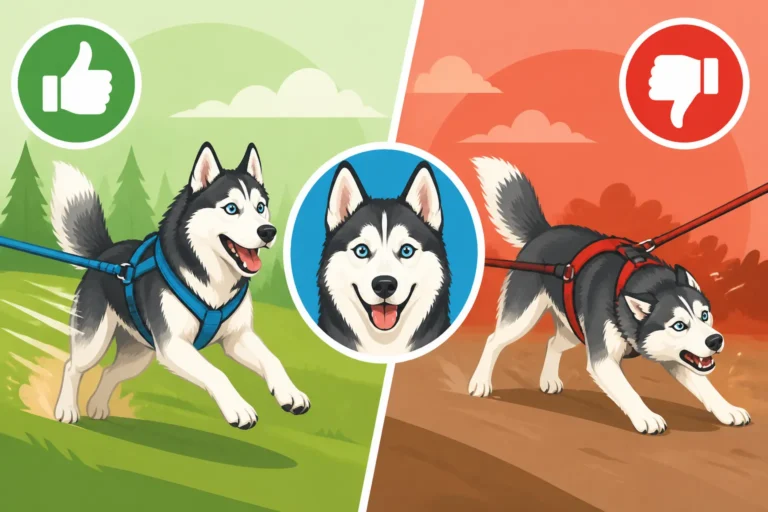
- Escape-Proof Harness: A well-fitting, escape-proof harness (often with an extra strap around the waist) is essential for a Siberian Husky. This prevents them from slipping out if they get excited or try to bolt, which is a common occurrence given their roaming instinct. You want a harness that distributes pressure evenly and doesn't chafe.
- Long Line: A long line, usually 20-50 feet, allows your Husky to explore and run in a contained, open space (like a park or a large field) while still being securely attached to you. This is fantastic for practicing recall and letting them burn off energy safely before they can be trusted in an unsecured environment. Starting Long Line Work With a Siberian Husky can be incredibly beneficial for teaching them boundaries and recall without the risk of them getting lost. Remember, even with a long line, constant supervision is necessary.
Crate Training: A Safe Haven (and Temporary Containment)
A crate isn't just for puppies; it can be an indispensable tool for managing an adult Siberian Husky, especially when you can't actively supervise them.
- Managing Unsupervised Time: If you need to leave your Husky alone in the yard briefly, and you know they're prone to digging, a secure, heavy-duty kennel or run might be a better option than leaving them loose in the yard. This isn't a long-term solution, but it can prevent escape and destruction while you're away or busy.
- Indoor Management: Inside the house, a sturdy crate can serve as a safe, comfortable den where your Husky can relax without the opportunity to engage in destructive behaviors like chewing or digging (indoors, this might mean at furniture or carpets). It's a place for them to settle, not a punishment. Ensure the crate is appropriately sized and that your Husky is comfortable and happy spending time in it. For a breed known to bend bars, ensure you're Choosing a Crate a Siberian Husky Cannot Bend.
GPS Trackers: Peace of Mind for the Escape Artist
Despite all your best efforts, a determined Siberian Husky might still manage to get out. This is where a GPS collar can offer invaluable peace of mind.
- Real-time Tracking: These devices attach to your dog's collar and allow you to track their location in real-time via an app on your smartphone. Many offer geofencing features, alerting you if your Husky leaves a designated safe zone (like your yard).
- Rapid Recovery: The ability to quickly locate a lost Husky can literally be a lifesaver. Given their speed and roaming instincts, a Husky can cover a lot of ground in a short amount of time. A GPS tracker significantly increases the chances of a swift and safe reunion. While it doesn’t prevent digging or escape, it mitigates the most severe consequence: your dog being lost. GPS Collars Worth Buying for a Siberian Husky are an investment many Husky owners find essential.
Dealing with a digging Siberian Husky requires a multi-faceted approach, combining structural reinforcements, consistent training, plenty of exercise, and smart management. By understanding their motivations and providing appropriate outlets, you can work towards a harmonious existence where both you and your Husky can enjoy a secure, undug yard.
Disclaimer
This article is for general informational purposes only and does not constitute professional advice. Laws, prices and regulations vary by location and change over time. Consult a qualified professional for guidance on your specific situation.