Keeping a Siberian Husky Interested in Training
It's incredibly frustrating when you're trying to train your Siberian Husky, and they seem to just… tune you out. You know they're smart, you’ve seen them figure out how to open doors or untie knots, but when it comes to "sit" or "stay," suddenly they're experts at looking confused or finding something far more interesting. This guide is here to dive deep into why your Husky might be losing interest in training and, more importantly, how you can consistently keep them engaged, motivated, and excited about learning with you.
Understanding the Husky Mindset in Training
Siberian Huskies are often misunderstood in the training world. People frequently mistake their independence and selective hearing for stubbornness, but it’s often a far more complex and fascinating aspect of their breed’s history and natural intelligence. Understanding this unique mindset is the first step to unlocking their full training potential and fostering a truly engaging relationship.
Why Huskies "Lose Interest" – It's Not Always Stubbornness
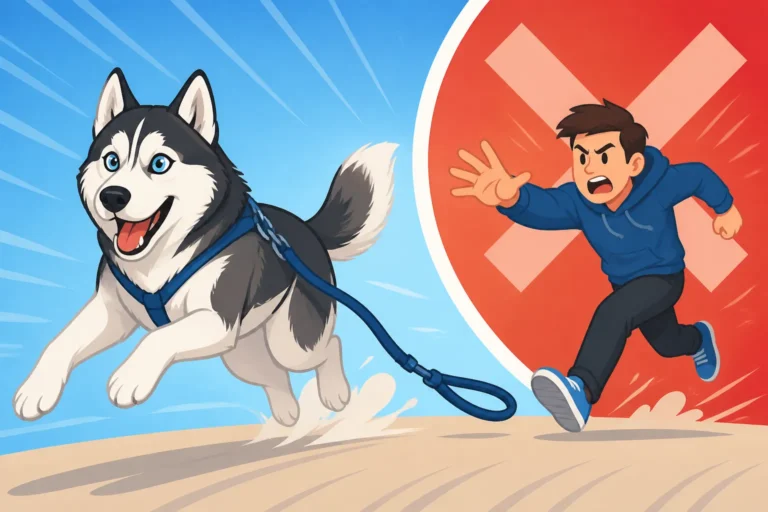
Let's be real: your Siberian Husky isn't trying to be difficult just for the sake of it. Their ancestors were bred to pull sleds over vast, featureless arctic landscapes, often making decisions independently of their musher. They needed to be self-sufficient, capable of assessing situations, and sometimes, pushing forward even when their human handler might have wanted to rest. This history has ingrained a powerful sense of independence and self-reliance into the breed. When you’re asking your Husky to perform a repetitive task that seems to have no immediate, high-value payoff for them, their ancestral programming kicks in. They're thinking, "Is this truly worth my effort? Is there something more important or interesting I could be doing?"
It’s not necessarily a defiance of your authority but rather a very strong internal drive to prioritize their own perceived interests. If a task isn't stimulating, rewarding, or varied enough, their attention will naturally drift. Imagine yourself doing the same mundane chore repeatedly without any recognition or change of scenery; you’d likely get bored too! For a Husky, a "boring" task is simply one that doesn't meet their high bar for engagement, and they'll quickly demonstrate that with a yawn, a sniff of the ground, or a sudden burst of zoomies.
The Difference Between Disinterest and Disrespect
Many owners describe their Huskies as "stubborn" or "disrespectful" when they ignore cues. However, it's crucial to reframe this perspective. A Husky's perceived "stubbornness" is rarely malicious. It’s more often a combination of factors: they might be bored, the reward isn't high enough, the environment is too distracting, or they simply haven't generalized the command to that specific situation. They're not trying to be the "alpha" or challenge your leadership; they're simply being Huskies.
Instead of viewing it as outright disrespect, think of it as a clear communication from your dog: "I need a better reason to do this," or "I don't understand why this is important right now." Force-based training methods, which rely on physical corrections or intimidation, tend to backfire spectacularly with Siberian Huskies. They are intelligent and sensitive creatures. If they feel pressured or punished, they will often shut down, become anxious, or simply refuse to engage at all. This isn't out of defiance, but a deeply rooted survival mechanism to avoid unpleasant situations. You might find that A Siberian Husky That Shuts Down Under Pressure is a common reaction to harsh training. A positive, reward-based approach respects their intelligence and independent spirit, fostering a partnership built on trust and mutual understanding, rather than coercion.
Strategies for Engaging Your Siberian Husky
Once you understand the Husky's inherent need for novelty, high motivation, and a sense of purpose, you can start to tailor your training methods to truly captivate their minds. It's all about making the process feel less like a chore and more like an exciting adventure they want to be part of.
Keeping Training Sessions Short, Sweet, and Varied
This is perhaps the golden rule for training a Siberian Husky. Their attention spans are not designed for long, drawn-out drills. Think of them as sprinters, not marathon runners, when it comes to focus. Short, frequent bursts of training are far more effective than one long, tedious session. Aim for 5-10 minutes, a couple of times a day, rather than trying to push for 30 minutes at once. Even just two minutes of focused work can be incredibly impactful if it’s done with enthusiasm and high rewards.
Variety is the spice of life for a Husky. If you always train "sit" in the living room with the same kibble, it quickly becomes predictable and, therefore, boring. Mix it up! Train "sit" in the backyard, then at the park, then on a new walking trail. Practice "down" while waiting for your coffee, or "stay" during commercial breaks. Rotate through different commands, even if it's just practicing a few familiar ones in new contexts. Introduce new tricks or body awareness exercises to keep their minds stimulated. The goal is to make every session feel fresh and exciting, so they never quite know what to expect—except that it will be fun and rewarding. This approach aligns perfectly with advice on Keeping Siberian Husky Sessions Short.
Maximizing Motivation: Rewards That Actually Work
Siberian Huskies have a reputation for not being highly food-motivated, but often, it's not the food itself, but the type of food. Your regular kibble might be fine for their dinner bowl, but for training, you need to pull out the big guns. Think high-value, irresistible treats that they only get during training. Small pieces of cooked chicken, lean deli meat, cheese, or even hot dogs are usually massive motivators. You need something that makes them think, "Wow, I have to get that!"
Don't underestimate the power of play as a reward, either. Many Huskies respond incredibly well to a quick game of tug or a short chase after a successful command. The key is to make the reward immediate and truly meaningful to your individual Husky. Some dogs live for a squeaky toy, others for a specific scratch behind the ears, and some will do anything for that piece of boiled chicken. Experiment to find their absolute favorites.
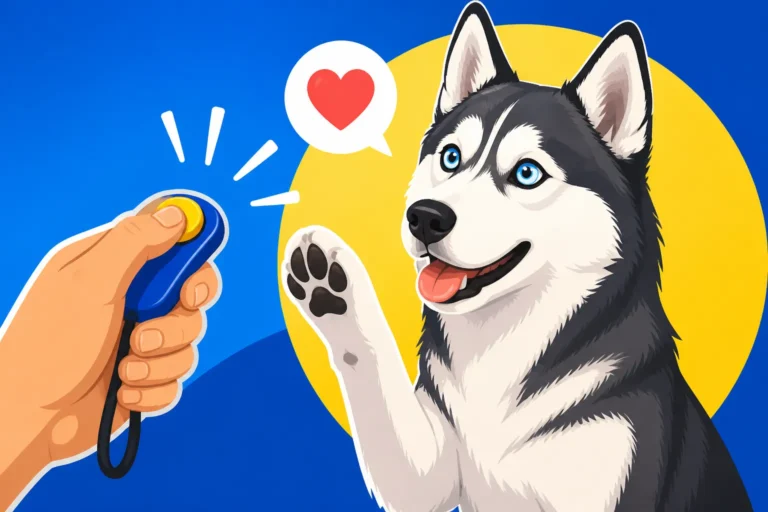
A clicker can also be a game-changer for precise communication. It marks the exact moment your Husky does something right, making it easier for them to understand what behavior earned the reward. Learn more about it in Clicker Training a Siberian Husky. This clear, consistent signal, paired with truly high-value treats, can significantly boost their engagement. Remember, Food Rewards a Siberian Husky Will Work For are not always what you might expect!
Incorporating Brain Games and Puzzle Solving
Huskies are problem-solvers by nature. They were bred to be intelligent and resourceful, and if their minds aren't challenged, they'll find their own "puzzles" to solve—like digging under fences or rearranging your furniture. Instead of letting them get into mischief, channel that brilliant mind into constructive brain games.
Interactive feeder toys, snuffle mats, and puzzle feeders are fantastic for mental stimulation. These toys make them "work" for their food, turning mealtime into a challenging game rather than a simple gobble-and-go. Many excellent options are available from brands you can find on Amazon, offering different levels of difficulty to keep your Husky engaged as they learn. Start with easier puzzles and gradually increase the complexity.
Scent work is another incredibly enriching activity. Huskies have excellent noses, and engaging this sense is profoundly satisfying for them. Hide treats around the house or yard and encourage them to "find it." This taps into their natural foraging instincts and provides a wonderful mental workout without requiring intense physical exertion. It's a fantastic way to tire them out mentally, which is often more effective than just physical exercise alone.
Making Training a Lifestyle, Not a Chore
For a Siberian Husky, training shouldn't be confined to specific "sessions." It should be woven into the fabric of your daily life, becoming a natural and enjoyable part of your routine. This approach leverages their natural drives and ensures they remain consistently engaged.
Harnessing Their Natural Instincts for Training
One of the most powerful ways to engage a Siberian Husky is to let them do what they were bred for: pull! Activities like canicross (running with your dog pulling you), bikejoring (cycling with your dog pulling), or even just pulling a cart or sled, can be incredibly rewarding for them. This isn't just exercise; it's a job, a purpose that resonates deeply with their heritage. When they're focused on a task that utilizes their strength and drive, their engagement levels soar. The feeling of purpose, the physical exertion, and the forward motion can be a huge motivator.
While not every Husky owner needs to become a musher, even teaching your Husky the difference between "pull" (in harness) and "walk nicely" (on a collar or front-clip harness for casual walks) can be incredibly beneficial. This gives them an outlet for their pulling instinct in a controlled and positive way. You'll find that Teaching a Siberian Husky to Pull in Harness can be an incredibly enriching experience for both of you, strengthening your bond and providing immense mental and physical satisfaction for your dog. Look for online training resources, like those offered by BAXTER & Bella, which often incorporate positive reinforcement techniques that work well for independent breeds and can help you structure these types of activity-based training.
Involving the Whole Family and Building Consistency
Siberian Huskies thrive on clear communication and consistent expectations. If one family member uses a different cue or allows a different behavior, it can quickly confuse your Husky and lead to "selective hearing"—where they only listen to the person who offers the highest reward or is most consistent. It’s a common issue, and you might notice A Siberian Husky That Comes Only When It Suits when family members aren't on the same page.
Every member of the household needs to be involved in reinforcing desired behaviors. This means everyone should use the same commands, the same hand signals, and have a consistent understanding of what is allowed and what is not. Schedule short "family training" sessions where everyone practices a few cues together. This not only builds a stronger bond between your Husky and each family member but also solidifies their understanding of the rules. Consistency creates a predictable and secure environment, which in turn reduces anxiety and increases their willingness to participate. Remember, positive reinforcement isn't just about treats; it's about clear, calm, and consistent communication from all the humans in their lives.
Dealing with Plateaus and "Selective Hearing"
Every dog owner experiences training plateaus, and with a Husky, they can feel particularly pronounced. You might have been sailing along, making great progress, and then suddenly, your Husky seems to "forget" everything they've learned, or their "selective hearing" kicks in with full force. It’s disheartening, but it's a normal part of the learning process, especially for an independent breed. Why a Siberian Husky Repeats a Cue Then Quits is a common frustration, but it's often a sign that you need to re-evaluate your approach.
When you hit a plateau, don't get frustrated. Instead, take it as a sign to go back to basics. Sometimes, a "known" command has only been learned in a few specific contexts. Take it to a new environment with higher distractions and watch them struggle. This isn't a failure, it's an opportunity to build stronger generalization. Reduce the difficulty, increase the value of your reward, and celebrate every small success. Change up your reward system, try new treats, or introduce a favorite toy.
Consider if your Husky is getting enough mental and physical stimulation outside of formal training. A bored or under-exercised Husky is a Husky that will have little interest in your training requests. If the problem persists, it might be time to reassess your methods or seek guidance from a professional trainer who specializes in independent or working breeds.
Advanced Engagement and Problem Solving
To truly master the art of keeping your Siberian Husky engaged, you need to think beyond basic commands and consider their overall well-being and environment. This means focusing on broader strategies that support their independent and active nature.
The Role of Socialization and Exposure
Consistent and positive socialization isn't just for puppies; it’s a lifelong endeavor for a Siberian Husky. Exposing your Husky to a wide variety of sights, sounds, people, and controlled dog interactions helps them develop confidence and adaptability. A well-socialized Husky is less likely to be overwhelmed by new environments, which in turn means they can focus better during training sessions in diverse locations.
Think about taking your Husky to different parks (if appropriate and safe), nature trails, pet-friendly stores, or even just for walks in different neighborhoods. Each new experience offers novel stimuli that engage their senses and prevent boredom. For puppies, early, positive exposure is critical, as discussed in Getting a Siberian Husky Puppy Out Before Sixteen Weeks. For adult Huskies, it maintains their mental flexibility and keeps them interested in the world around them, making them more receptive to learning in varied contexts. However, always ensure these exposures are positive and controlled to build good associations.
When to Seek Professional Help
Sometimes, despite your best efforts, you might feel like you're hitting a wall. This is absolutely nothing to be ashamed of. Siberian Huskies are a unique breed, and their training challenges often require a nuanced approach. If you're struggling with specific behavioral issues, lack of engagement, or simply want to elevate your training game, seeking professional help is a wise investment.
Look for a trainer who has extensive experience with independent working breeds like Huskies. They will understand the breed's temperament, motivations, and common challenges. A good trainer will use positive reinforcement methods and help you develop a personalized plan that works for your Husky and your lifestyle. They can provide fresh perspectives, identify subtle cues you might be missing, and teach you advanced techniques to maintain engagement. Many excellent online platforms, such as BAXTER & Bella, also offer structured programs and one-on-one coaching that can be incredibly helpful, especially if local resources are limited. Don't hesitate to reach out to a professional who truly understands how to work with this amazing breed. You might want to consider Finding a Trainer Who Has Worked With Huskies to ensure you get the right fit.
| Training Tactic | Description | Husky Motivation Leveraged | Common Pitfall |
|---|---|---|---|
| Short Sessions | Frequent, 5-10 minute bursts of training throughout the day. | Novelty, preventing boredom | Trying to push for too long, leading to disengagement. |
| High-Value Rewards | Using cooked chicken, cheese, or special toys exclusively for training. | Self-interest, immediate gratification | Relying on kibble or low-value treats; inconsistent reward delivery. |
| Variety in Routine | Changing training locations, commands, and reward types frequently. | Curiosity, love of exploration | Repetitive drills in the same environment. |
| Brain Games | Puzzle feeders, sniff work, teaching new tricks that require problem-solving. | Intelligence, problem-solving drive | Only focusing on physical exercise; underestimating mental needs. |
| Harness Work | Canicross, bikejoring, or other activities where they can pull with purpose. | Instinctual drive, physical exertion | Restricting natural urges; not providing a "job." |
| Consistent Cues | All family members using the same commands and expectations. | Predictability, security | Conflicting signals from different handlers, leading to "selective hearing." |
| Positive Reinforcement | Rewarding desired behaviors, ignoring or redirecting unwanted ones. | Trust, building positive associations | Punitive methods, causing fear, shutdown, or rebellion. |
Disclaimer
This article is for general informational purposes only and does not constitute professional advice. Laws, prices and regulations vary by location and change over time. Consult a qualified professional for guidance on your specific situation.