Whether Siberian Huskies Are Quiet Indoors
One of the biggest misconceptions I hear from prospective Siberian Husky owners is the idea that these dogs are somehow "quiet." Perhaps someone told them Huskies don't bark much, and they latched onto that, thinking it meant a peaceful, serene indoor companion. Oh, if only that were the case! The truth is, while a Husky might not be a nuisance barker in the traditional sense, they are far from silent, and a household expecting quiet will be in for a very loud awakening. This guide will delve into the reality of Siberian Husky noise levels indoors, what to expect, and how to manage their unique vocalizations and behaviors.
The Myth of the "Quiet" Siberian Husky Indoors
It's a common refrain: "Siberian Huskies don't bark much." And, for the most part, that's true in comparison to, say, a Beagle or a Terrier. But confusing a lack of barking with being quiet is like confusing a simmering volcano with a dormant one. It might not erupt in barks often, but it has a whole repertoire of other, often much louder, ways to make itself heard. This misunderstanding often leads to frustration for new owners who weren't prepared for the sheer volume and variety of sounds their Husky would produce.
Barking Versus Howling and Talking
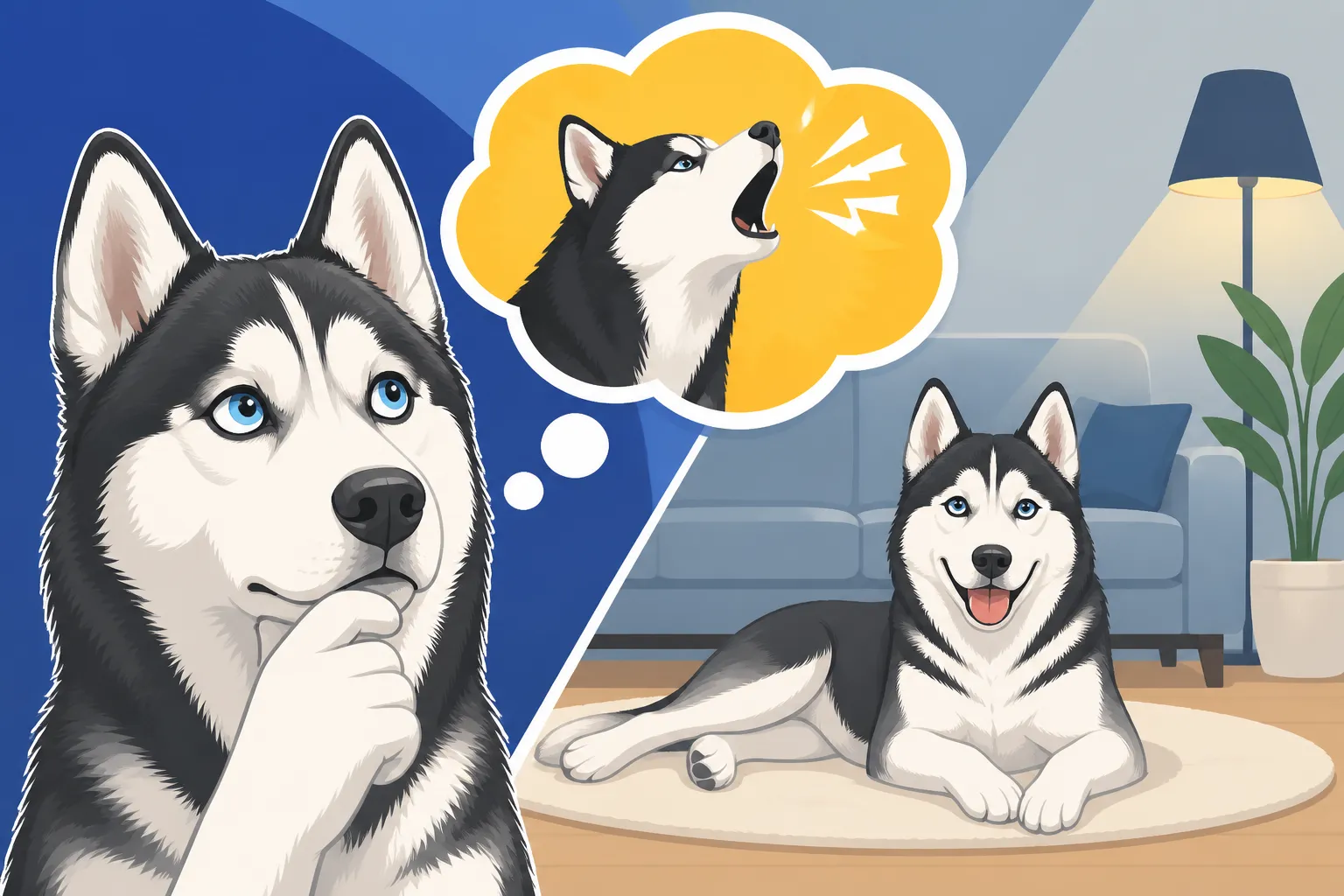
Let's break down that "no barking" myth a little more. While it's true that some Huskies might go days without letting out a single woof, others certainly do bark, especially when excited, alarmed, or feeling playful. It's not their primary mode of communication, though, and that's where the confusion lies. People often think of barking as the only form of dog vocalization, but Huskies operate on a whole different level. They are master communicators, using a spectrum of sounds that range from soft grumbles to full-throated howls and the notorious "Husky scream."
Imagine living with a dog that regularly converses in a series of "woo-woos," trills, and dramatic sighs. These aren't quiet murmurs; they are often expressive, demanding, and incredibly enthusiastic. They might be asking for food, inviting play, or simply telling you off for not paying enough attention. A Husky might not bark at every squirrel, but they will absolutely let you know with a series of indignant grumbles if you're late with their dinner, or launch into a dramatic "singing" session when a siren goes by outside. For a deeper dive into this specific aspect, you might want to read Whether a Siberian Husky Barks Much.
The Instinct to Communicate Loudly
To truly understand why Siberian Huskies are so vocal, you have to look back at their history. These magnificent dogs were bred by the Chukchi people in Siberia as working sled dogs. In vast, often desolate landscapes, direct vocal communication between dogs in a team, and between the dogs and their mushers, was essential. They didn't have the luxury of subtle cues; they needed to be heard over wind, snow, and the sounds of the sled. This deep-seated instinct for clear, audible communication is still very much alive in the modern Husky.
When your Husky is "talking" to you indoors, whether it's a dramatic howl or a series of expressive grumbles, they are simply doing what their ancestors did for millennia: communicating their needs, desires, and opinions in the clearest, most unmistakable way possible. They aren't trying to be annoying; they're being a Husky! This can be a charming trait for owners who embrace it, but it's a shock for those expecting a silent companion curled quietly on the couch. Their independent nature often means they're not afraid to make their feelings known, often quite emphatically.
Common Indoor Sounds Made by Siberian Huskies
When we talk about a Siberian Husky making noise indoors, we're not just talking about the occasional whine. We're talking about a full symphony of sounds that can be both endearing and, at times, incredibly trying. Understanding these various vocalizations is the first step in appreciating (and managing) life with a Husky.
The Famous Husky Howl
Ah, the howl. It's the signature sound of the Siberian Husky, and it's far from quiet. Huskies don't just howl at the moon; they howl for a myriad of reasons, and many of these scenarios play out right inside your home. They might howl to announce their presence, to greet you when you return, or to express their joy. But they also howl out of loneliness, frustration, or boredom.
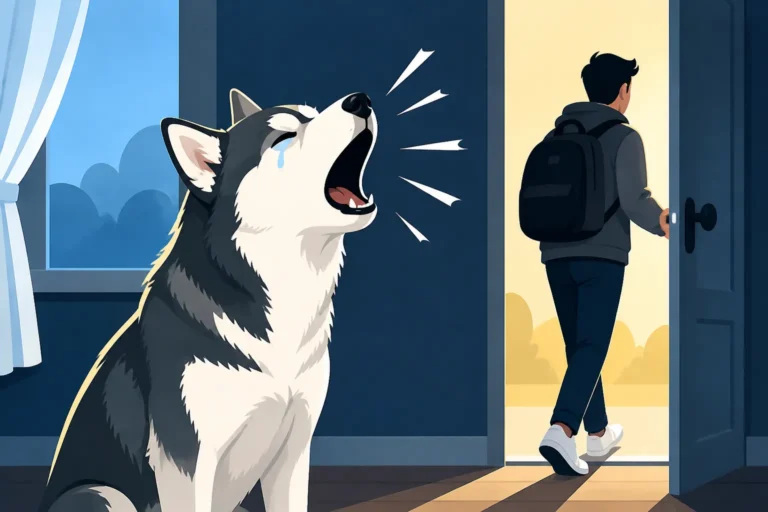
For instance, if you leave your Husky home alone for extended periods without adequate exercise or mental stimulation, that beautiful, soulful howl can quickly turn into a prolonged, mournful wail that carries through walls and across neighborhoods. Sirens from emergency vehicles or even certain songs on the radio can trigger a communal sing-along that is quite loud and often sustained. It's not uncommon for owners to describe their Husky "serenading" them at inconvenient times. If you've ever dealt with this, you might relate to A Siberian Husky That Howls When You Leave.
"Woo-woos," Grumbles, and Conversational Talking
Beyond the howl, Huskies are incredibly adept at a range of other vocalizations that resemble human speech or at least a very animated conversation. The "woo-woo" sound is a classic—it's often a happy greeting, an invitation to play, or a polite (or not-so-polite) request for attention. They might follow you around the house, "woo-wooing" until you acknowledge them.
Grumbles and low growls can indicate everything from playful teasing to mild annoyance or even just contentment. My own Husky, for example, used to grumble quite emphatically if I dared to move her off the couch when she was perfectly comfortable. It wasn't aggressive, but it was certainly a clear statement of her displeasure! Then there's the more complex "talking"—a series of modulated barks, howls, and grumbles that sounds like they're trying to form words. It's often highly expressive, especially when they're arguing with you about going outside, or trying to convince you to share your snack. If you've ever had a Husky debate with you, you'll understand Siberian Husky Talking Back During Training. It's a truly unique, and often loud, form of communication.
Whines and Cries for Attention
While less iconic than the howl, the Husky whine can be incredibly persistent and, frankly, quite grating over time. Huskies are smart and quickly learn that certain sounds get them what they want. A high-pitched, sustained whine can be their go-to when they're bored, hungry, need to go potty, or simply want you to stop what you're doing and pay attention to them right now.
This isn't a subtle request. It's often a piercing, attention-demanding sound that can escalate if ignored. Imagine trying to work from home, and your Husky decides they haven't had enough playtime. They'll start with a low whine, which can then build in intensity and volume until it sounds like a distressed infant, making it nearly impossible to concentrate. They are incredibly good at making you feel guilty, and their whines are a powerful tool in their arsenal. For a deeper look into this behavior, check out A Siberian Husky That Whines for Attention.
The Infamous "Husky Scream"
Then there's "The Scream." Oh, the Husky scream. If you've never heard it, count yourself lucky. It's not a howl, it's not a bark, it's not a whine. It's an ear-splitting, often theatrical, shriek that can sound like a human being in distress, a banshee, or a dying animal. It's usually reserved for moments of extreme frustration, excitement, or protest.
I've heard Huskies scream because they didn't want to get in the car, because their leash got tangled, or because their favorite person dared to leave the room. It’s a full-body, dramatic performance designed to demand immediate attention and convey the utmost displeasure. It's the kind of sound that makes neighbors wonder what on earth is happening in your house. It’s certainly not a quiet sound, and it’s one that catches many first-time owners completely off guard. To understand this phenomenon better, read The Siberian Husky Scream and What Sets It Off. It truly is a sound unlike any other.
Beyond Vocalizations: Other Indoor Noises
Beyond their incredible vocal range, Siberian Huskies contribute to the general noise level of a home through their physical actions and sheer energy. These are not dainty, tiptoeing creatures. They are robust, energetic dogs built for endurance, and their indoor activities often reflect this.
Digging and Scratching Indoors
The digging instinct is deeply ingrained in Siberian Huskies. In their natural environment, they'd dig dens for shelter or to find cooler earth in summer. While indoors, this instinct doesn't simply vanish. You might find your Husky "digging" vigorously at carpets, blankets, or dog beds, creating a rustling, scratching sound. This can be a self-soothing behavior, a way to make a comfortable spot, or a clear sign of boredom or anxiety.
More concerning (and much louder) is when they start digging at doors or walls. A bored or anxious Husky, especially one prone to separation anxiety, might try to dig their way out of a room or even through drywall. The sounds of claws tearing at surfaces can be incredibly disruptive and destructive. This isn't just about noise; it's about the potential for significant property damage. If this sounds familiar, you might find some useful insights in A Siberian Husky Chewing Through Drywall.
Chewing and Destruction
Similar to digging, destructive chewing is another noisy behavior. Huskies need to chew, and if they aren't provided with appropriate outlets, they will find their own. This can mean furniture, baseboards, shoes, or anything they can get their jaws on. The sounds of wood splintering, fabric tearing, or plastic being crunched are far from quiet.
When a Husky is left alone and decides to redecorate with their teeth, the silence of an empty house can quickly be replaced by the sounds of chaos. Imagine coming home to find a cushion exploded across the living room, or a table leg gnawed down to a nub. This isn't just an occasional occurrence for some Huskies; it can be a persistent challenge that creates a lot of audible mayhem. Providing durable chew toys is absolutely essential, and even then, some Huskies are determined to destroy. For more on this, check out A Siberian Husky That Destroys Furniture.
Pace and Energy Release
Siberian Huskies are high-energy dogs. Even with plenty of outdoor exercise, they can have bursts of energy indoors, often manifesting as "zoomies." This involves sudden, frantic dashing around the house, often skidding on floors and bumping into furniture. The thudding of paws on hard surfaces, the occasional crash as they misjudge a turn, and the general whirlwind of activity contribute significantly to indoor noise.
They also tend to pace when restless, excited, or anxious. The rhythmic click-clack of nails on hard floors can be a constant background noise. While they might settle down for a nap, their natural inclination is to be active. Expect sudden bursts of noisy play, wrestling with another dog, or simply restless movement that breaks any illusion of a quiet home. These are dogs built to run, and sometimes that energy needs to be discharged, even if it's just a quick sprint from the kitchen to the bedroom.
Managing Indoor Noise in a Siberian Husky
Living with a vocal and energetic breed like the Siberian Husky means that while you can't eliminate all noise, you can certainly manage and reduce excessive or problematic sounds. It takes consistency, understanding, and a commitment to meeting their unique needs.
Meeting Exercise Needs to Reduce Vocalizations
This is probably the single most important piece of advice for any Husky owner: a tired Husky is a quieter Husky. A Husky that is brimming with pent-up energy is much more likely to resort to howling, whining, or destructive behaviors to express their boredom and frustration. They need more than a casual stroll around the block; they need purposeful, intense exercise that engages both their body and mind.
Think long runs, bikejoring, canicross, or even just extensive, fast-paced walks. Aim for at least 1-2 hours of vigorous activity daily, often split into two sessions. A Husky that has spent the morning running five miles in harness is far more likely to nap peacefully indoors than one who has only had a quick potty break. When their physical needs are met, much of the motivation for excessive vocalization and destructive behavior simply dissipates. Prioritizing their exercise is key to creating a more peaceful home environment. For help with this, refer to How Much Exercise a Siberian Husky Really Needs.
Mental Stimulation and Enrichment
Beyond physical exercise, mental stimulation is crucial for keeping a Husky content and quiet indoors. Their intelligence and problem-solving abilities, combined with their independent nature, mean they get bored easily. A bored Husky will find its own (often noisy and destructive) entertainment.
Puzzle toys, like those from companies found on Amazon, where they have to work to get treats, can keep them engaged for significant periods. Regular short training sessions, even just 10-15 minutes a few times a day, can tire their minds. Durable chew toys are also non-negotiable; they provide an appropriate outlet for their chewing instincts and keep them quietly occupied. Brands like Kong are often a good starting point for their durability. Even something as simple as scattering their kibble in the yard for them to "hunt" can provide valuable mental enrichment. To explore more ideas, read Puzzle Feeders a Siberian Husky Cannot Beat.
Training for Calmness and Quiet
While Huskies are independent, they are highly trainable, and teaching them to be quiet or calm on cue is absolutely possible with patience and consistency. The key is positive reinforcement. When your Husky is quietly settled, reward them generously. If they start to vocalize excessively, you can try to redirect them with a quiet command or a designated chew toy.
Teaching a "quiet" cue involves acknowledging their vocalization briefly, then waiting for a moment of silence, and then rewarding that silence. Consistency is paramount. Everyone in the household needs to be on board with the training plan. For more in-depth training resources, online platforms like BAXTER & Bella offer structured courses that can be incredibly helpful for Husky owners, guiding you through various challenges with expert advice. Remember, short, engaging sessions are best for Huskies, as they can lose interest if training becomes repetitive or dull. Consider Keeping a Siberian Husky Interested in Training for strategies to maintain their engagement.
Environmental Management
Sometimes, managing indoor noise means managing the environment itself. If your Husky is prone to frantic zoomies on slippery floors, consider rugs or runners to reduce the noise and provide better traction. For those living in apartments or close quarters, soundproofing can be a lifesaver. Heavy curtains, thick carpets, and even specialized sound-absorbing panels can help mitigate the spread of their impressive vocalizations.
Crating, when introduced positively and correctly, can be a valuable tool. A well-trained Husky views their crate as a safe, quiet den, reducing the likelihood of destructive (and noisy) behaviors when you're not able to supervise them. If your Husky howls at every siren, try turning on a white noise machine or playing calming music to mask the trigger sounds. Sometimes, simply managing their access to windows or doors where they can see triggers (like other dogs walking by) can help reduce reactive vocalizations. If you're struggling with noise in an apartment, you might find useful tips in Soundproofing an Apartment for a Siberian Husky.
Comparing the "Quiet Dog" Myth to Reality
Let's put it all into perspective with a quick comparison of what people often expect from a quiet dog versus the reality of living with a Siberian Husky.
| Trait / Behavior | Expected from "Quiet" Dog | Reality with a Siberian Husky |
|---|---|---|
| Barking Level | Infrequent, only when necessary (e.g., doorbell) | Infrequent traditional barking, but high vocal variety |
| Vocalizations | Low growl or sigh | Howls, "woo-woos," grumbles, whines, screams, "talking" |
| Attention-Seeking | Gentle nudge, quiet presence | Persistent whining, pawing, dramatic vocalizations |
| Alone Time | Sleeps peacefully, waits patiently | Howls, whines, may become destructive, pacing |
| Energy Release | Calmly chews toy, settles on bed | Zoomies, thudding paws, restless pacing, digging |
| Reactions to Sounds | Ignores most sounds or gives a soft growl | Howls at sirens, reacts vocally to external stimuli |
| General Demeanor | Mellow, easygoing, blends into background | Expressive, opinionated, often demands to be heard |
This table clearly illustrates that while a Husky might not be a constant barker, their overall noise contribution to a household is significant and varied. They are not dogs that fade into the background; they are active, vocal participants in household life.
Conclusion
So, are Siberian Huskies quiet indoors? The honest and empathetic answer is a resounding "no." While they may not bark as much as some other breeds, they possess an incredible range of vocalizations—from soulful howls to dramatic "woo-woos" and the infamous Husky scream—that ensure they are heard. Add to that their energetic nature, which often manifests as noisy digging, chewing, and bursts of zoomies, and you have a dog that is anything but silent.
Living with a Siberian Husky means embracing their unique vocal charm and understanding that their noise is often a direct reflection of their inherent instincts and high energy. It's not a flaw; it's part of who they are. However, with consistent exercise, plenty of mental stimulation, thoughtful training, and a bit of environmental management, you can certainly guide your Husky towards calmer, quieter indoor behavior. If you're considering bringing one into your life, be prepared for a wonderful, noisy, and incredibly expressive companion who will fill your home with sounds, love, and a whole lot of personality.
Disclaimer
This article is for general informational purposes only and does not constitute professional advice. Laws, prices and regulations vary by location and change over time. Consult a qualified professional for guidance on your specific situation.