Whether Sniffspot Fields Suit a Siberian Husky
For many Siberian Husky owners, the dream of letting their dog run free, truly free, without the constant fear of them vanishing over the horizon or engaging in an unfortunate encounter with local wildlife, often feels like an impossible fantasy. We know the struggle: our Huskies thrive on exercise, but their insatiable wanderlust and powerful prey drive make traditional off-leash environments a terrifying gamble. This guide dives deep into whether services like Sniffspot, offering private, fenced rental fields, can truly provide the safe haven our adventurous Huskies need, and how to make the most of such a resource.
The Husky's Unique Challenges with "Off-Leash Freedom"
Let's be honest, the phrase "off-leash freedom" and "Siberian Husky" don't often go together without a knot forming in an owner's stomach. While many breeds might enjoy a casual stroll through an open park or even a romp in an unfenced field, for a Husky, these scenarios are often a recipe for disaster. We love their independent spirit and their drive, but these very traits are what make secure containment so vital.
The Roaming Instinct and Prey Drive
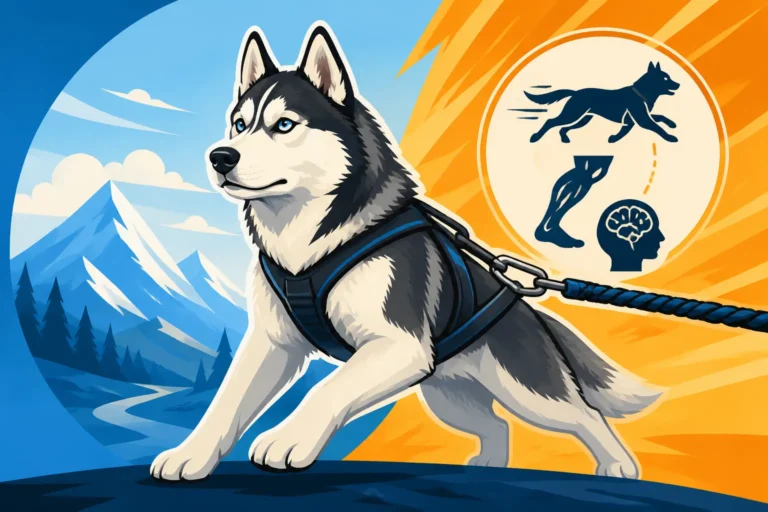
The Siberian Husky was quite literally bred to run for miles and miles, often with a specific destination but certainly not with a specific fence line in mind. Their ancestors covered vast, open territories in the Siberian tundra, pulling sleds and surviving by their wits. This deep-seated genetic programming means that when they see open space, their instinct isn't to stay close to you; it's to explore, to cover ground, and to follow any scent that piques their interest. We joke about their selective hearing, but it's not truly stubbornness; it's an incredibly powerful drive to do what they were bred for.
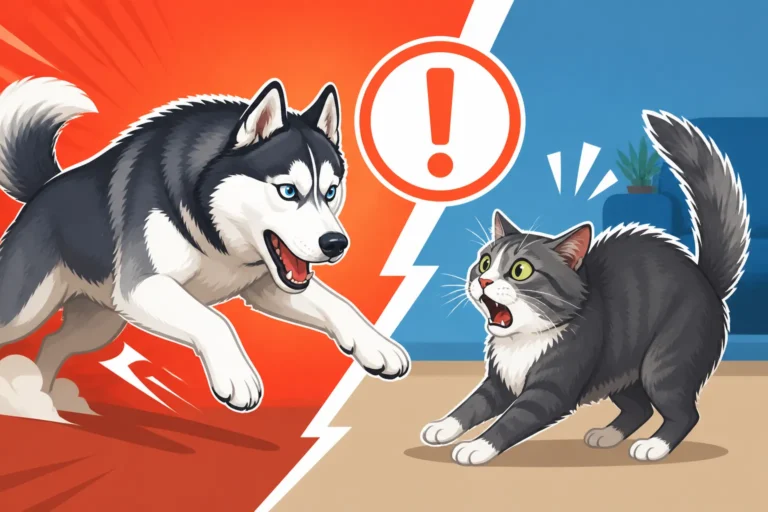
This roaming instinct is coupled with an equally strong prey drive. That squirrel darting across the grass, the rabbit hopping through the undergrowth, or even a distant bird taking flight – these aren't just minor distractions to a Husky. They're irresistible invitations to a chase, a deep-seated urge that overrides even the most perfect Building a Siberian Husky Recall Word From Scratch. Many owners know the heartbreak of a Husky that simply switches off its hearing and vanishes in pursuit, completely oblivious to their frantic calls. This is why even seemingly safe, large areas can turn dangerous in an instant, leading to a desperate search for a lost dog. We want them to be happy, but we also want them to be safe, and balancing those two desires is often the greatest challenge of Husky ownership. You can read more about this in Siberian Husky Prey Drive Around Small Animals.
The "Escape Artist" Mentality
If you own a Siberian Husky, you're likely already intimately familiar with their uncanny ability to find, create, and exploit any weakness in a containment system. These aren't just dogs; they're canine Houdinis. A regular fence that might keep in a Golden Retriever or a Beagle is often just a suggestion for a determined Husky. They will test every inch of it.
Whether it's scaling a six-foot fence with the agility of a mountain goat, digging tirelessly under a fence line until they've created a tunnel to freedom, or even figuring out how to unlatch a gate with their clever paws or noses, Huskies are masters of escape. This isn't out of malice, but pure ingenuity and an overwhelming desire to explore. This constant challenge means that traditional yards, even those with seemingly robust fencing, can become a source of anxiety. The thought of them Siberian Husky Deaths From Trauma and Escape is enough to make any owner reconsider their containment strategy. For many of us, the stress of wondering if our dog will be there when we get home, or if they've found a new way to get out, is a heavy burden. This makes any discussion of safe, off-leash exercise complex and often fraught with worry.
What Sniffspot Offers for the Husky Owner
Given the unique challenges of exercising a Siberian Husky, it's no wonder that services like Sniffspot have caught the eye of many dedicated owners. The concept itself promises a solution to many of our anxieties, offering a controlled environment that seems tailor-made for our adventurous, yet escape-prone, companions.
The Promise of Secure, Private Space
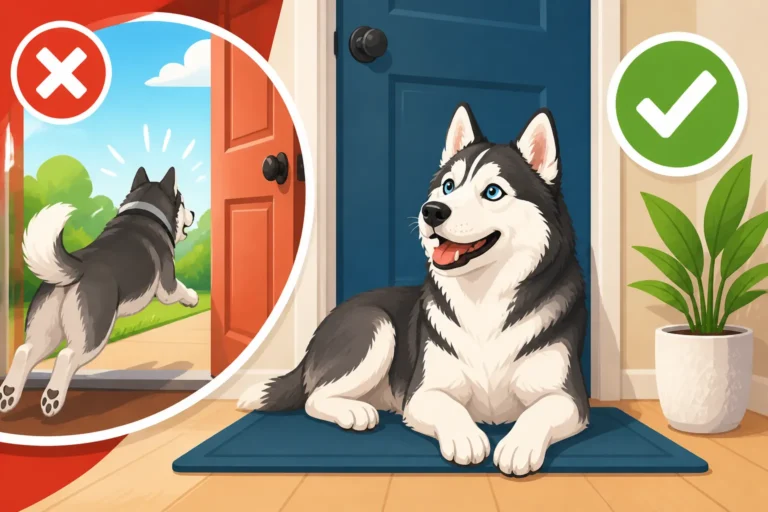
Imagine booking a private plot of land, knowing that for the next hour or two, it's just you and your Husky. No other dogs to trigger reactivity, no unknown people to distract from training, and, most importantly, a fully fenced area designed to keep your dog safely contained. This is the core appeal of Sniffspot and similar services. You typically reserve a time slot, arrive, and have exclusive access to a property, which could be anything from a sprawling open field to a more natural, wooded setting.
For Husky owners, this privacy is golden. It means your dog can truly stretch their legs and engage their senses without you having to constantly scan for potential dangers or escape routes. It addresses the fundamental problem: how to provide the intense physical and mental exercise a Husky needs while mitigating their strong instincts to roam and chase. This controlled environment can reduce the anxiety that often accompanies even a short walk, allowing both you and your Husky to relax and enjoy the experience. It feels like a safe haven, a momentary escape from the constant vigilance required in public spaces.
Types of Fencing and Terrain
One of the great variations among Sniffspot listings is the type and quality of fencing, as well as the terrain offered. Some hosts provide open, manicured fields perfect for long sprints and games of fetch, while others offer more natural, wooded areas where your Husky can indulge their superior sense of smell and explore to their heart's content. The type of fencing is perhaps the most critical detail for a Husky owner. You might find properties enclosed by tall chain-link, solid wood privacy fences, or even agricultural-style woven wire.
Each type of fence has its pros and cons, and understanding these is paramount when selecting a suitable spot for your escape artist. While a six-foot fence might sound impressive, a Husky's climbing prowess can turn a simple chain-link into a ladder if there are sufficient footholds. Conversely, a solid wood fence removes climbing opportunities but might have gaps at the bottom or offer less visibility if your Husky is digging-inclined. The variety means there’s likely something out there that could work, but it also places the burden on the owner to scrutinize the details closely. You can explore this further by checking out The Six-Foot Fence a Siberian Husky Needs.
Crucial Considerations Before Booking a Sniffspot for Your Husky
While the idea of a private, fenced field sounds like a dream come true for a Siberian Husky owner, it's essential to approach Sniffspot with a healthy dose of caution and a keen eye for detail. Our Huskies are professionals when it comes to finding weaknesses, and even the most well-intentioned host might not fully grasp the extent of a Husky's escape artistry.
Fence Integrity: The Ultimate Test
This is, without a doubt, the single most important factor for any Husky owner considering a Sniffspot. You can read all the descriptions and look at all the pictures, but the reality is that a fence that holds a typical dog might be an open invitation for a Husky. Before you even book, scour the listing for specific details about the fence. What material is it? What height? Are there any mentions of buried wire or an L-footer? These are crucial for preventing a Husky from Stopping a Siberian Husky Digging Along the Fence. Look for reviews, especially those from other large breed or escape-artist dog owners. Do they mention digging attempts, climbing, or gate issues?
When you arrive for your first visit, do not just unleash your Husky immediately. Keep them on a secure leash, preferably a long line (like those readily available on Amazon), and walk the entire perimeter of the fence yourself. Look for gaps at the bottom, loose panels, broken sections, or anything that could serve as a foothold for climbing – fallen branches, stacked firewood, or even strategically placed rocks. Pay extra attention to gate latches; a clever Husky can often figure out simple mechanisms. If you see anything that gives you pause, trust your gut. It's far better to cancel a session and lose a small fee than to risk your Husky escaping. Remember, for a Siberian Husky, a six-foot fence might still be within reach if they have a decent spring in their step or something to scramble up; they are known for being able to clear a surprising height, a topic explored in Six-Foot Fences and the Siberian Husky That Climbs.
Prey Animals and Other Distractions
Even within a securely fenced area, you're still dealing with nature, and nature often includes small, furry, fast-moving creatures. Squirrels, rabbits, birds, and even neighborhood cats can make their way into private rental fields. For a Husky, these are not just cute additions to the scenery; they are targets for their powerful prey drive. If your Husky spots a squirrel, their focus will tunnel, and they might suddenly test the fence in ways you didn't anticipate.
A Husky driven by the thrill of the chase can become incredibly creative and persistent in finding a way through, over, or under a barrier. While a Sniffspot minimizes the risk of them running into traffic or getting lost in a vast wilderness, it doesn't eliminate the instinct itself. This means that even in a private field, vigilance is still key. Be prepared to intervene, redirect their attention, or use a strong recall word if a potential chase arises. This isn't just about safety; it's about managing their instincts responsibly, even when you've done everything right to provide a safe space. It’s a good idea to consider whether a Siberian Husky can still run if they are prone to chasing.
First Visits and Acclimation
Your first few visits to any Sniffspot location should be treated as reconnaissance missions, not immediate free-for-alls. Think of it as introducing your Husky to a completely new territory, which they will want to investigate thoroughly. As mentioned, always start with your Husky on a long line. A 30 or 50-foot training lead is perfect for this, allowing them some freedom to explore while still keeping them safely tethered to you. You can find robust options for long lines on Amazon.
Walk the perimeter together, letting your Husky sniff every corner, every bush, and every fence post. This not only allows you to do your critical fence inspection but also gives your Husky a chance to "read the room" and understand the boundaries. Look for areas where they might get stuck, or where the terrain changes abruptly. Gradual introduction helps them acclimate to the new environment and reduces the likelihood of them panicking or trying to bolt if they feel overwhelmed. Use this time to establish positive associations with the space, playing gentle games and offering high-value treats. For guidance on getting started with controlled exploration, check out Starting Long Line Work With a Siberian Husky.
Maximizing the Sniffspot Experience for Your Siberian Husky
Once you've found a Sniffspot that passes your rigorous Husky-specific inspection, it's time to think about how to make each visit genuinely enriching and beneficial for your furry friend. It's more than just letting them run; it's about intentional engagement that taps into their natural drives in a safe way.
Engaging Activities for Mental and Physical Stimulation
While a good sprint across an open field is certainly fantastic physical exercise, Siberian Huskies, with their intelligent and independent minds, also crave mental stimulation. Simply letting them zoom for an hour might tire them out physically, but won't necessarily satisfy their need to "work" or solve problems. Use the secure environment of the Sniffspot to introduce new games and activities. Consider bringing a flirt pole, which can mimic the thrill of a chase in a controlled manner, or setting up simple scent work exercises where they have to use their incredible noses to find hidden treats.
Practicing retrieving games, especially with a lure, can be another excellent way to engage their prey drive positively. You could even work on some agility basics, jumping over low obstacles or weaving through cones. This structured play not only burns energy but also strengthens your bond and builds their confidence in new environments. A well-exercised Husky, both mentally and physically, is a happy Husky, and less likely to be destructive at home. For more ideas on engaging their minds, you can explore Wearing Out a Siberian Husky Without Leaving the House.
Reinforcing Recall, Even in a "Safe" Space
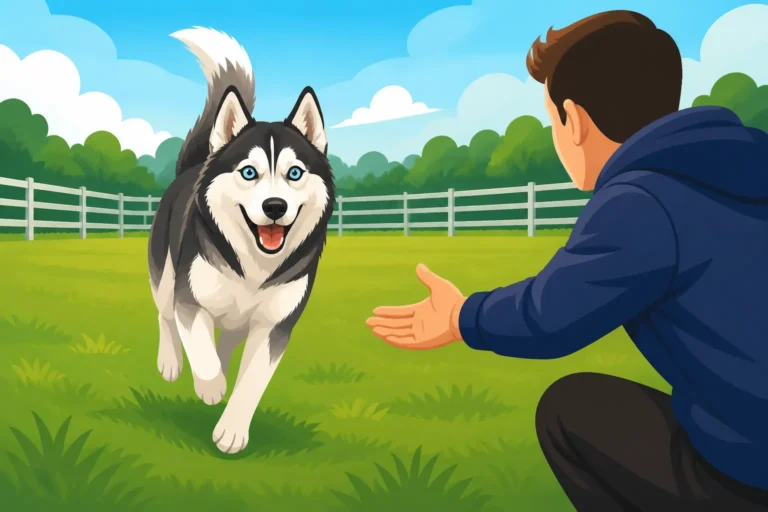
One of the most valuable aspects of a truly secure Sniffspot is the opportunity it provides to practice and reinforce your Husky's recall without the high stakes of an unsecured environment. We all know Why Siberian Husky Recall Fails at the Worst Moment when it counts most, and it’s a constant battle. In a private, fenced field, you can let your Husky range further, then call them back, rewarding them enthusiastically when they return. This isn't about teaching them recall from scratch – that should happen in increasingly distracting environments – but about proofing it in a low-risk setting.
Use incredibly high-value rewards – think boiled chicken, cheese, or their absolute favorite squeaky toy. Make coming back to you the most exciting and rewarding thing in the entire field. The security of the space means you can allow them to make mistakes without severe consequences, and you can build up their reliability at a distance. Resources like BAXTER & Bella offer excellent online training programs that can guide you through advanced recall techniques and proofing, which can then be practiced in a safe Sniffspot environment. Regularly practicing recall, even when you don't strictly need it, builds a stronger habit for those moments when it truly matters. You want to make sure the rewards you use are powerful enough to Rewards That Beat the Siberian Husky Chase Instinct.
Safety Protocols and Emergency Preparedness
Even in a controlled environment, being prepared is crucial. Always carry plenty of fresh water for your Husky, especially if you're visiting during warmer months, as Huskies are susceptible to overheating. A portable bowl is a must. A basic canine first-aid kit, including antiseptic wipes, paw balm, and bandages, is also a wise addition to your gear. You never know when a stray thorn or a minor scrape might occur during enthusiastic play.
Always have your phone fully charged and know the exact address of the Sniffspot location, along with any emergency contact information provided by the host. Before you leave, check the weather forecast. Huskies are built for cold, but they can quickly Heat Stroke Risk in a Siberian Husky if not managed carefully in heat and humidity. Be mindful of the duration of your session; while Huskies need a lot of exercise, pushing them too hard, especially in unfamiliar terrain or weather, can lead to injuries or exhaustion. Knowing the limits of your particular Husky and listening to their cues is paramount to a successful and safe outing. This mindful approach ensures that these valuable exercise sessions remain a joyful experience rather than a risky one.
| Fence Type | Husky Escape Method | What to Look For in Sniffspot Listing / On-Site |
|---|---|---|
| Chain Link | Climbing, digging | Minimum 6ft height; buried wire or L-footer; no gaps at bottom; no nearby objects to climb onto. |
| Wood Privacy | Digging, pushing through gaps | No gaps or weak points along the bottom edge; posts securely set; minimum 6ft height; inspect for loose panels. |
| Woven/Field Wire | Climbing, squeezing through gaps | Small mesh size (no head-sized holes); taut wires; no sag; buried wire; height appropriate for breed. |
| Masonry/Solid Wall | Digging, scaling | No cracks or crumbling mortar; smooth surface (no footholds); gaps at base sealed; check height at lowest point. |
| Gates | Latches, pushing through | Secure, complex latches (not simple hooks); double gates often better; ensure no gaps around gate edges. |
Disclaimer
This article is for general informational purposes only and does not constitute professional advice. Laws, prices and regulations vary by location and change over time. Consult a qualified professional for guidance on your specific situation.