Whether Every Siberian Husky Needs a Crate
Bringing a Siberian Husky into your home is an incredible adventure, but it often comes with a whirlwind of advice, some of it conflicting, especially when it comes to crate training. Many new owners wrestle with the question of whether a crate is truly a necessity for such a strong-willed, independent breed, fearing it might feel like a punishment. This guide is here to cut through the noise, exploring why a crate can be an invaluable tool for your Husky and how to make it a positive experience for everyone involved.
Understanding the Siberian Husky's Unique Nature and the Crate Question
Before we even dive into how to crate train, it’s crucial to understand the inherent traits of a Siberian Husky that make the conversation around crating so important. These aren't your average couch potatoes; they are intelligent, highly active, and often mischievous creatures with a deep-seated instinct for exploration and independence. This unique blend of characteristics means that what works for one breed might not quite cut it for a Husky, and crating is often a prime example.
Why Confinement Can Be a Challenge for Huskies
Siberian Huskies are born adventurers. They were bred for endurance, for traveling vast distances, and for making their own decisions while pulling a sled. This translates into a modern-day pet who often views four walls, even in a home, as merely a suggestion, and a confined space, like a crate, as a puzzle to be solved or an injustice to be loudly protested. Their intelligence isn't always directed at pleasing us; often, it's about figuring out how to get what they want, which frequently means freedom.
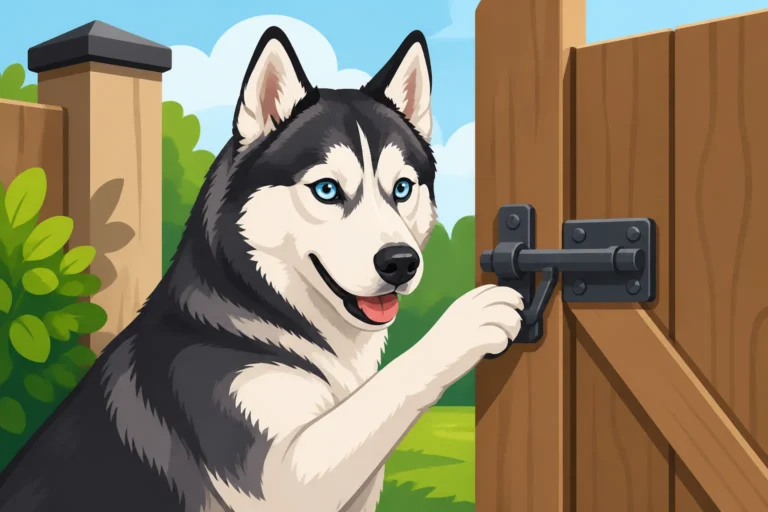
For many Husky owners, the challenge isn't just about getting their dog to accept a crate, but rather to get them to stay in it. Tales of Huskies bending crate bars, unlocking latches, or simply screaming until they're let out are not uncommon. It’s not necessarily defiance, but rather their strong drive to explore, their high energy levels, and their innate problem-solving abilities coming to the forefront. When they're bored or under-exercised, a crate can quickly become a containment challenge, leading to frustration for both dog and owner. This is where understanding their breed-specific traits becomes paramount, as it helps temper expectations and informs the approach to training.
The Myth of the "Cruel" Crate for a Husky
There's a persistent misconception that crating a dog, especially a large, energetic one like a Siberian Husky, is somehow cruel or akin to locking them in a cage. This couldn't be further from the truth when done correctly. For a breed that can be prone to Siberian Husky Destruction When Left Alone or bolting out of an open door, a crate can actually be a haven. It's about safety, not punishment.
Think about it from your Husky’s perspective: when introduced properly, a crate becomes their personal den. It's a secure, quiet space where they can retreat when they feel overwhelmed, tired, or just need a moment to themselves. It's a place where they're not expected to "behave" or be entertained. For a breed that thrives on routine and clear boundaries, a crate can provide immense comfort and predictability. The "cruel" perception often stems from improper use – using the crate for punishment, leaving a dog in it for excessively long periods, or failing to make it a positive experience from the start. When these mistakes are avoided, the crate transforms into a beneficial tool, fostering a sense of security rather than distress for your adventurous Husky.
The Undeniable Benefits of Crate Training for Your Siberian Husky
Despite the initial challenges some Husky owners face, the benefits of successful crate training are substantial, making it a practice worth investing time and patience in. For a breed with unique needs, a crate can be a cornerstone of a well-adjusted, safe, and happy life.
Safety and Damage Prevention
Let's be brutally honest: Siberian Huskies can be escape artists and master destroyers when left unsupervised. Their intelligence and boundless energy, if not channeled, will find an outlet. This could mean Siberian Husky Deaths From Trauma and Escape if they manage to get out of the yard, or significant household damage if left inside alone. A crate is, first and foremost, a safety net.
Imagine coming home to find your Husky has chewed through electrical cords, ingested something toxic, or scratched your door frame to splinters. These aren't just frustrating occurrences; they're genuinely dangerous for your dog. A sturdy, appropriately sized crate provides a secure environment, preventing them from accessing things that could harm them or property they could damage. It means peace of mind for you when you step out the door, knowing they are in a safe space where they can't get into trouble. This preventative measure is especially vital during their puppy and adolescent phases, where their curiosity and destructive chewing tendencies are often at their peak. It helps manage their environment when you simply can't supervise them 100% of the time.
Expedited House Training
One of the most praised benefits of crate training, universally for puppies and often for adult dogs, is how it accelerates house training. Siberian Husky puppies, like all puppies, have tiny bladders, but their ancestors were notoriously clean den animals. They instinctively avoid soiling their sleeping area. This natural inclination is your greatest ally in house training.
When a puppy is in a properly sized crate, they are far less likely to relieve themselves. This isn't magic; it's leveraging their natural instincts. The crate teaches them to "hold it" for longer periods. When you take them out of the crate and immediately bring them to their designated potty spot, they learn to associate that spot with relief. This consistent routine reinforces good habits quickly. Without a crate, a puppy has free reign to eliminate in any corner of your home, making house training a much longer, more frustrating, and messier process. For a young House Training a Siberian Husky Puppy, the crate is an invaluable tool for building those essential potty routines.
Managing Separation Anxiety and Destructive Behavior
While Siberian Huskies are known for their independence, they can still experience forms of separation-related stress, which often manifests as destructive behavior, excessive barking, or howling. Siberian Husky Separation Behavior can range from mild annoyance to full-blown panic attacks, and a crate can play a critical role in managing and potentially alleviating these issues.
The crate, when introduced positively, becomes a predictable, safe space. It's a signal to your Husky that it's time to relax and rest. For dogs prone to destructive chewing when bored or anxious, the crate limits their access to valuable household items and redirects their chewing energy to appropriate toys placed within the crate. It's not a cure-all for severe separation anxiety, which often requires a multi-faceted approach involving desensitization and counter-conditioning, potentially with the guidance of a professional trainer. However, a crate provides a controlled environment during these training periods, preventing self-harm or property damage, and can significantly contribute to building your Husky's confidence in being left alone in their den. Over time, many Huskies learn to view their crate as a safe retreat, making being left alone a less stressful experience.
A Familiar Space for Travel and Vet Visits
Life with a Husky often involves adventures, whether it's a road trip to a new hiking trail or an unexpected emergency visit to the vet. In these situations, having a dog that is comfortable and calm in a crate is not just convenient, it’s a blessing.
Think about traveling. A comfortable, secure crate in your car ensures your Husky isn't distracting the driver, climbing into the front seat, or attempting an escape at a rest stop. It keeps them safe in case of sudden stops or accidents. Similarly, during vet visits, especially if your Husky needs to be boarded overnight or recover from surgery, a familiar crate can significantly reduce their stress. Being able to rest in a space that feels like "home," even in an unfamiliar setting, can make a huge difference in their comfort and recovery. This familiarity can be invaluable for their overall well-being. When considering the Costing Out a Siberian Husky From Puppy to Senior, the long-term benefit of a well-crate-trained dog for travel and medical situations easily outweighs the initial effort.
Navigating the Challenges of Crate Training a Siberian Husky
Alright, let's be realistic. Crate training a Siberian Husky isn't always a walk in the park. Their intelligence, energy, and notorious "Houdini" tendencies mean you'll likely encounter some unique challenges. But don't despair! With the right approach and a healthy dose of patience, these hurdles are definitely surmountable.
Choosing the Right Crate and Introducing It Positively
The first, and arguably most critical, step is choosing a crate that can stand up to a Husky. Forget those flimsy plastic or thin wire crates that might work for smaller, less determined breeds. Huskies are master escape artists, and a weak crate is an open invitation for them to test its limits. You absolutely need a heavy-duty model. Look for crates made from thicker gauge wire or, even better, a solid, reinforced steel construction. Brands known for their robust kennels are a good place to start. A strong Crates a Siberian Husky Cannot Break Out Of is a must.
| Crate Type | Pros | Cons | Best For Husky? |
|---|---|---|---|
| Standard Wire Crate | Affordable, good ventilation, collapsible | Can be flimsy, easily bent or escaped by determined Huskies | No, generally not strong enough. |
| Heavy-Duty Wire Crate | Stronger wire, better security | Still potential for bending/escape if not industrial-grade | Maybe, if very thick gauge wire and secure latches. |
| Reinforced Steel Crate | Extremely durable, escape-proof, secure | Heavy, less collapsible, can be more expensive | Yes, often the best choice for Houdini Huskies. |
| Plastic Travel Crate | Lightweight, good for travel, den-like | Can be chewed through, limited ventilation, not for long-term confinement | No, unless for short trips under supervision. |
Once you have the right crate, the introduction must be positive. This isn't a jail cell; it's their personal den. Place it in a high-traffic area of your home initially so your Husky doesn't feel isolated. Make it super comfy with soft bedding – though be prepared for them to shred it if they're still in a destructive phase, so start with something less valuable, perhaps an old towel or a durable, washable mat. Toss high-value treats and favorite toys inside. Feed meals near, then inside, the crate with the door open. Never force them in. The goal is for them to choose to go in. You can also leverage online training programs like BAXTER & Bella that offer structured guidance for positive crate introductions, often making the process smoother for both you and your strong-willed companion.
Dealing with Vocalizations and Escape Attempts
Ah, the Husky howl. It's legendary, and it's something you'll likely encounter during crate training, especially if your Husky decides they don't appreciate being contained. Your Husky might whine, bark, or unleash their full vocal repertoire. It's tough to ignore, but consistency is key here. If you let them out every time they make noise, you're inadvertently teaching them that howling is the fastest way to get what they want.
Before crating, ensure your Husky has had ample exercise and a potty break. A tired Husky is a good crated Husky. Provide a long-lasting chew toy or a puzzle feeder filled with a high-value treat to keep them occupied. When they do vocalize, wait for a brief moment of silence before opening the door. Even a few seconds of quiet can break the association. For escape attempts, this is where your choice of crate becomes paramount. If your Husky manages to bend bars or open latches, you need a more secure crate, immediately. Do not reinforce escape attempts by allowing them to succeed. Some Huskies will go to extreme lengths, truly giving you a run for your money. Remember, it's not about being mean; it's about setting boundaries and ensuring their safety and your sanity.
Avoiding Common Crate Training Pitfalls
Even with the best intentions, it's easy to fall into common traps that can derail crate training with a Husky. One of the biggest mistakes is using the crate as punishment. If your Husky associates the crate with negative experiences, they will quickly develop an aversion to it, making all subsequent training exponentially harder. The crate should always be a positive place.
Another pitfall is leaving your Husky in the crate for too long. While they might be good at holding their bladder, their mental and physical needs are significant. A Husky cannot be crated for 8-10 hours every day without adequate breaks, exercise, and mental stimulation. This can lead to frustration, destructive behavior inside the crate, and even A Siberian Husky That Panics in a Crate. Consider their age, their energy levels, and their potty training stage. Puppies need more frequent breaks, while even adult Huskies need substantial exercise before and after crating. If you work long hours, consider hiring a dog walker or arranging for a friend or family member to let your Husky out for a potty break and a quick stretch. Remember, the crate is a management tool, not a substitute for proper exercise, training, and companionship.
When a Crate Might Not Be the Ideal Solution
While crate training offers significant benefits for most Siberian Huskies and their owners, it's also important to acknowledge that it's not a universal panacea, and in some rare cases, it might not be the most appropriate solution for your specific dog. Understanding these scenarios can help you make an informed decision and explore alternatives if necessary.
Extreme Separation Anxiety and Crate Phobias
For some Huskies, perhaps due to past trauma, previous negative experiences, or an inherent anxiety disorder, the crate can become a source of intense distress rather than comfort. This isn't just a bit of whining; we're talking about full-blown panic attacks, excessive drooling, self-mutilation attempts, or continuous frantic escape efforts that could injure the dog. In these extreme cases, forcing a Husky into a crate can exacerbate their anxiety and potentially lead to further behavioral issues.
If your Husky exhibits severe fear or panic when introduced to a crate, it's crucial to consult with a professional dog trainer or a veterinary behaviorist. They can help you determine if it's true crate phobia or severe separation anxiety, and develop a tailored behavior modification plan. Sometimes, this plan might involve very slow, gradual desensitization to the crate over weeks or months, or it might suggest alternative confinement strategies. Pushing a dog with genuine phobia into a crate can be detrimental to their mental well-being and is not a battle worth winning if it comes at the cost of their emotional health.
Exploring Alternative Containment and Management Strategies
If a crate truly isn't working for your Siberian Husky, or if you prefer not to use one, there are alternative strategies for managing their safety and preventing destruction. These often require more robust environmental management and sometimes more intense training.
One common alternative is creating a "dog-proofed room" or a larger, secure area using baby gates or exercise pens. This gives your Husky more space to move around while still limiting their access to the entire house. This room should be stripped of anything valuable or dangerous: no electrical cords, no chewable furniture, no accessible trash cans. Ensure windows are secure and there's nothing they can use to scale out. For Huskies, this often means going beyond typical dog-proofing; they are smart and agile. Many owners have found success with secure indoor kennel runs or heavily reinforced "safe rooms" that account for a Husky's ability to climb, dig, and chew.
Another strategy involves increasing your Husky's exercise and mental stimulation to such a degree that they are genuinely tired when left alone. This could mean two vigorous runs a day, regular training sessions, puzzle toys, and interactive feeders. A tired Husky is less likely to be a destructive Husky. However, this is a significant time commitment. Remember that How Much Exercise a Siberian Husky Really Needs is often far more than many other breeds. Regardless of the method, the core principle remains: an unsupervised Siberian Husky needs a secure, safe environment that protects both them and your home.
The Lifetime Commitment: Beyond the Puppy Years
The question of whether every Siberian Husky needs a crate often fades as they mature. For many, once a Husky is fully house-trained, past their destructive chewing phase, and has learned appropriate house manners, the crate can transition from a mandatory containment tool to an optional comfort zone. Some adult Huskies will continue to use their crate as their den, choosing to nap in it with the door open, while others might prefer a dog bed in a common area.
The "need" for a crate also evolves with changes in lifestyle. If you move to a new home, bring a new pet into the family, or your Husky develops new anxieties, the crate might become a valuable management tool again, even for a previously free-roaming adult. It's about flexibility and understanding your individual dog's needs. For some, the initial investment in crate training provides a lifelong fallback option for safety and peace of mind. For others, it’s a temporary measure that sets them up for success, eventually allowing them full run of the house without worry. The most important thing is to consistently monitor your Husky's behavior and adapt your management strategies as they grow and change, ensuring their safety and happiness throughout their Siberian Husky Lifespan and What Shortens It.
Disclaimer
This article is for general informational purposes only and does not constitute professional advice. Laws, prices and regulations vary by location and change over time. Consult a qualified professional for guidance on your specific situation.