A Siberian Husky That Panics in a Crate
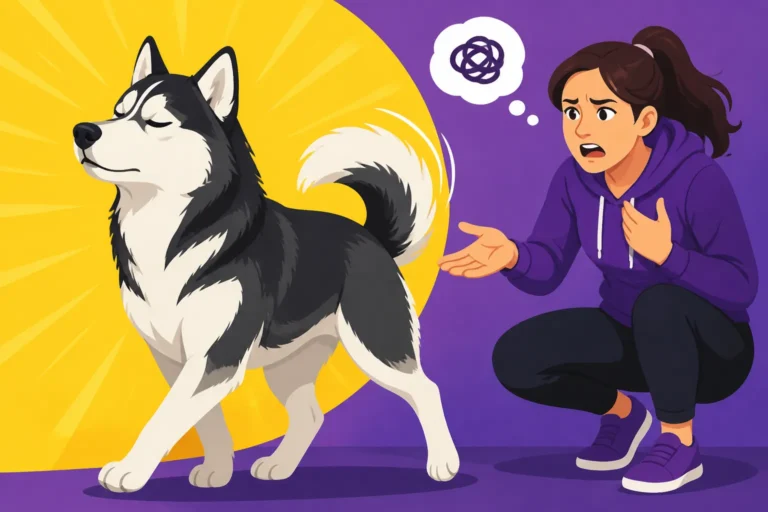
It's incredibly disheartening and frankly, quite alarming, when your usually spirited Siberian Husky suddenly transforms into a panicked mess the moment they're placed in their crate. You want to provide a safe, secure space for your companion, especially when you need to step out, but instead, you're met with frantic cries, desperate escape attempts, and sometimes even self-injury or destruction. This guide will walk you through understanding why your husky might be experiencing such intense fear, how to differentiate true panic from simple dislike, and most importantly, actionable steps and strategies to help your beloved dog overcome their crate anxiety.
Understanding the 'Why' Behind Crate Panic in Huskies
When your Siberian Husky panics in their crate, it’s rarely just a case of them being "stubborn" or "difficult." There's usually a deeper reason for their distress, stemming from their unique breed characteristics, past experiences, or even underlying anxiety. Understanding these roots is the first step toward effective intervention.
The Independent and Roaming Nature of Siberian Huskies
Siberian Huskies were bred for endurance and to cover vast distances. Their history as sled dogs means they have an inherent need for freedom and movement. This isn't a breed content to sit quietly in a small space for hours on end, especially if they haven't been properly conditioned to it. Confinement can trigger their strong roaming instinct, leading to feelings of being trapped or restrained, which for a husky, can be incredibly stressful. Imagine a marathon runner being forced into a broom closet – it just doesn't compute with their natural inclinations. This drive is so powerful that it's why many owners struggle with Why a Siberian Husky Cannot Be Trusted Off Leash.
Past Negative Experiences or Insufficient Acclimation
Sometimes, the panic isn't inherent to the crate itself, but rather linked to negative associations. Perhaps your husky was crated extensively as a puppy without proper breaks or positive reinforcement. Maybe they were left alone for too long in the crate, leading to separation anxiety, or the crate was used as a punishment tool. Any traumatic event, even one you might consider minor, can imprint negatively on a husky's mind. Without a gradual, positive introduction, a crate can quickly become a symbol of fear rather than safety. If a husky has never learned that the crate is a comfortable den, but instead sees it as a prison, panic is a very understandable reaction.
Separation Anxiety and Confinement Phobia
It’s crucial to distinguish between a husky who merely dislikes their crate and one who is truly suffering from separation anxiety or a confinement phobia. Separation anxiety often manifests when the dog is left alone, and the crate becomes the focal point of their distress. They might associate the crate with your departure, leading to intense fear of abandonment. Confinement phobia, on the other hand, is specifically a fear of being enclosed. A husky might be fine when you're home and they're crated, but once the door closes and they feel trapped, the panic sets in. Both can lead to extreme behaviors, but the triggers and underlying emotional states are slightly different, guiding your approach to treatment. Many huskies struggle with Siberian Husky Separation Behavior, which the crate can exacerbate.
Recognizing the Signs of True Panic vs. Dislike
It's easy to misinterpret a husky's vocalizations and antics. They are, after all, known for their dramatic "talking" and strong opinions! But there's a world of difference between a husky complaining about being crated and one experiencing genuine panic. Learning to read these signals is vital for their well-being.
Mild Dislike: The Typical Husky Complainer
Your husky is a master of communication, and they're not shy about expressing their displeasure. If they simply dislike the crate, you might observe:
- Vocalizations: Whining, complaining, typical husky "arguing" or "talking." This isn't usually frantic or sustained. They might stop if you acknowledge them or after a few minutes.
- Body Language: Lying down, but perhaps with a slightly worried or annoyed expression. They might sigh dramatically or try to get your attention with a paw.
- Minimal Escape Attempts: Maybe a half-hearted paw at the door, but not sustained, desperate scratching or chewing.
- No Self-Harm or Destruction: Their crate bedding is intact, and they haven't hurt themselves trying to get out.
- Settles Down: After a bit of fuss, they usually settle down, perhaps take a nap, and are calm when you return.
This behavior, while annoying, generally indicates they'd prefer to be out, but they aren't in a state of terror.
Severe Panic: When Distress Takes Over
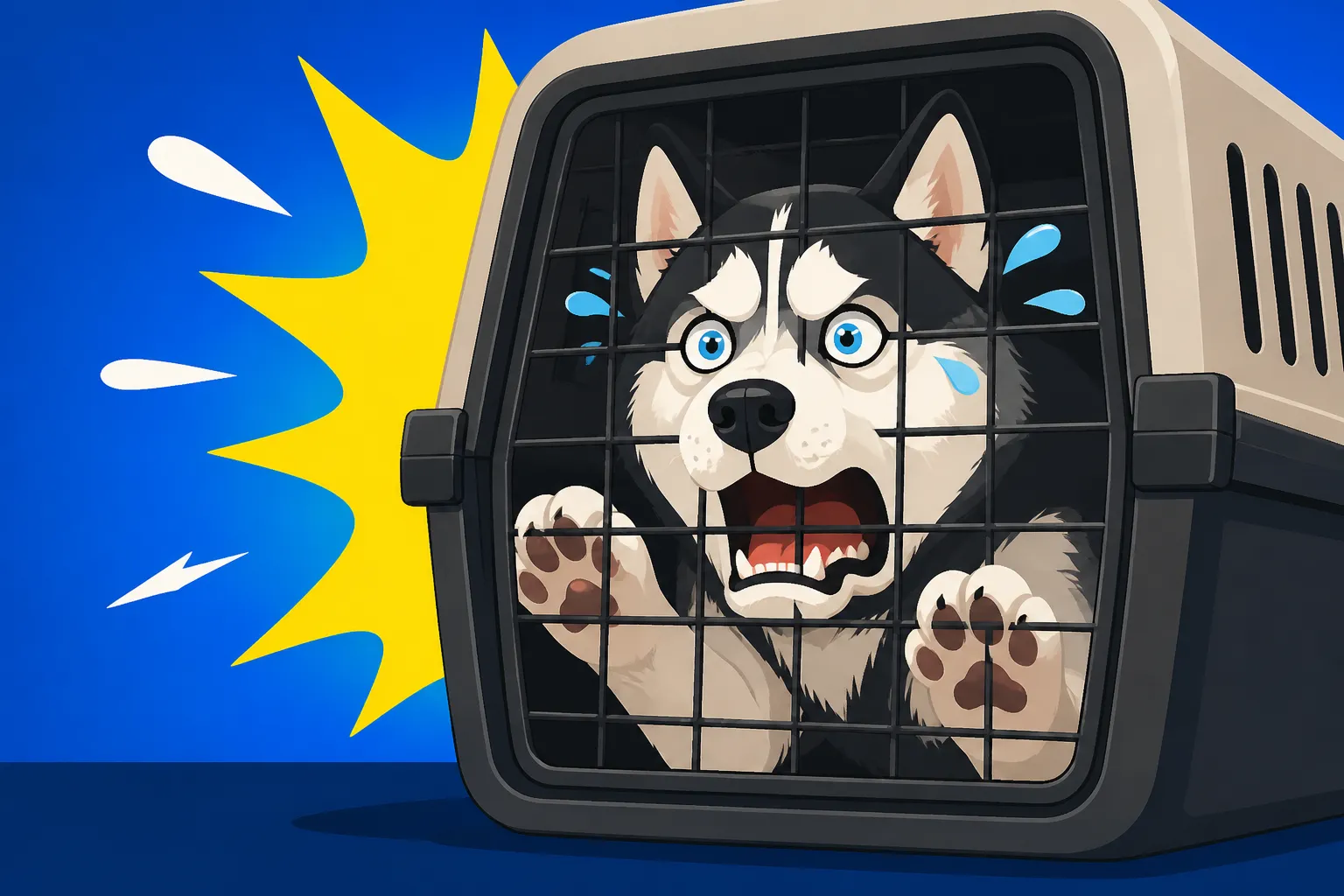
True panic is a far more serious condition and requires immediate and careful intervention. The signs are much more intense and often concerning:
- Persistent, Frantic Vocalizations: High-pitched, continuous barking, howling, or screaming that sounds genuinely distressed and does not stop. This is often the sound described as A Siberian Husky That Screams When Left.
- Desperate Escape Attempts: This is a hallmark of panic. Your husky will try everything to get out:
- Chewing on the crate bars, potentially damaging their teeth or gums.
- Scratching at the door or sides of the crate, often leading to raw or bleeding paws.
- Bending or breaking crate bars, especially if it's not a heavy-duty model. This is where investing in Choosing a Crate a Siberian Husky Cannot Bend becomes critical.
- Shoving their head into gaps, risking strangulation or injury.
- Excessive Drooling and Panting: Even in a cool environment, a panicked husky will drool profusely and pant rapidly, indicating extreme stress.
- Inappropriate Elimination: Urinating or defecating in the crate, even if they are perfectly housetrained. This isn't defiance; it's a loss of bladder/bowel control due to fear.
- Self-Mutilation: In severe cases, a husky might lick or chew their paws or other body parts to the point of injury, redirecting their anxiety onto themselves.
- Damage to Surroundings: If they manage to get out, they might cause extensive damage to your home, not out of spite, but from uncontrolled panic and a desperate need to escape their perceived confinement.
It's vital not to ignore these signs, as prolonged panic is incredibly detrimental to your husky's mental and physical health.
Here’s a quick comparison table to help you distinguish:
| Feature | Mild Dislike (Complaining Husky) | Severe Panic (True Distress) |
|---|---|---|
| Vocalizations | Whining, "talking," huffing, often stops/slows | Persistent, high-pitched barking, howling, screaming, frantic |
| Body Language | Annoyed, sighing, lying down, attention-seeking | Trembling, pacing, frantic digging/scratching, attempts to escape |
| Escape Attempts | Half-hearted pawing, occasional chewing, not sustained | Destructive chewing, bending bars, bloody paws, self-injury |
| Physical Signs | Normal | Excessive drooling, heavy panting, dilated pupils |
| Elimination | Controlled, no accidents if housetrained | Urination/defecation in crate despite housetraining |
| Settling | Eventually settles, may nap, calm upon return | Rarely settles, continues frantic behavior, exhausted/relieved upon release |
| Damage | Minimal to none (crate/bedding intact) | Significant damage to crate, bedding, or self |
Step-by-Step Desensitization and Counter-Conditioning
If your husky is experiencing genuine panic, the goal isn't to force them to "get over it," but to systematically change their emotional response to the crate. This takes time, patience, and a consistent, positive approach.
Making the Crate a Safe and Happy Place
The very first step is to transform the crate's association from something scary to something wonderful.
- Location, Location, Location: Place the crate in a central area where your family spends time, so your husky doesn't feel isolated. Avoid remote basements or garages initially.
- Comfort is Key: Make the crate super cozy. Soft bedding, a favorite blanket, and a familiar scent (like an old worn t-shirt of yours) can provide comfort.
- Food = Good: Feed all meals inside the crate with the door open. Start by placing the bowl just inside the door, then gradually move it further back. This creates a strong positive association.
- High-Value Treats and Toys: Only offer your husky their absolute favorite, long-lasting treats or special toys (like a Kong stuffed with peanut butter or plain yogurt and frozen) when they are in or near the crate. They should only get these items in the crate, making it a truly special place. Amazon has a huge selection of durable chew toys that can be stuffed, which are perfect for this.
Gradual Acclimation: Slow and Steady Wins the Race
This process must be incredibly slow. Rushing will set you back.
- Door Open Exploration: For days or even weeks, just let your husky wander in and out of the open crate freely. Toss treats inside. Praise them calmly when they enter.
- Short Door Closures (Seconds): Once they are comfortable eating meals or taking treats in the open crate, start closing the door for just a few seconds while they are actively engaged with a treat or toy. Immediately open it before they show any signs of distress. Repeat this many, many times over several sessions, gradually increasing the duration by mere seconds.
- Brief Departures: When they are comfortable with short door closures, start stepping out of sight for a few seconds, then returning. Again, very short durations, slowly increasing. The goal is to return before they panic, so they learn you always come back.
- "Crate Games": Make it fun! Play games where you toss a treat in the crate, they go in to get it, then come right back out. This builds positive retrieval associations.
- Never Use as Punishment: This is non-negotiable. If the crate becomes a place where they go when they've been "bad," all your positive work will be undone.
Remember that Training an Independent Siberian Husky takes immense patience, and crate training is no exception.
Calming Aids and Environmental Support
Beyond direct training, certain tools and environmental adjustments can help ease anxiety.
- Pheromone Sprays/Diffusers: Products containing canine appeasing pheromones can have a calming effect on some dogs. Spray a bit on their bedding or use a diffuser near the crate.
- White Noise or Classical Music: Drowning out household noises or providing soothing sounds can help prevent your husky from becoming hyper-aware of external stimuli that might trigger anxiety.
- Comforting Scents: An old t-shirt of yours with your scent on it can be very reassuring.
- Secure Covers: A blanket draped over part of the crate can make it feel more den-like and secure for some huskies, blocking out visual distractions. Just ensure good ventilation.
Management Strategies for a Panicked Husky
Even with the best desensitization plan, some huskies might still struggle, especially if their anxiety is severe. Management strategies are about minimizing panic and ensuring safety while you continue working on the underlying issues.
Exercise is Non-Negotiable
A tired husky is a calmer husky. Before any crating period, ensure your husky has had ample physical and mental exercise. This doesn't just mean a quick walk around the block. Siberian Huskies need serious activity. Think long runs, bikejoring, canicross, or even just intense fetch sessions in a secure area. A mentally stimulated husky is also crucial – puzzle toys, training sessions, and scent work can help. If you don't wear out that incredible husky engine, they will find their own (often destructive) ways to burn energy, and being confined will only amplify their frustration. This is key advice for dealing with Siberian Husky Destruction When Left Alone.
Providing Enrichment Inside and Outside the Crate
Even if your husky is crated for short periods, they need mental stimulation.
- Chew Toys: Durable, safe chew toys are essential. Always supervise at first to ensure they don't ingest pieces.
- Puzzle Feeders: Fill a Kong or similar toy with their meal, so they have to work for their food. This provides mental engagement and can distract from anxiety.
- Safe Room Alternatives: If the crate truly isn't working, or you need to leave them for longer periods during the training process, consider a husky-proofed room as a temporary alternative. Remove anything they could destroy or injure themselves with. Ensure the room has a securely latched door and is free of hazards. However, remember that many huskies are excellent escape artists and can damage doors and walls, so this isn't a long-term solution without careful consideration of your husky's individual capabilities. It's often debated Whether Every Siberian Husky Needs a Crate, but a safe containment area is non-negotiable.
Considering Professional Support and Alternative Care
Sometimes, despite your best efforts, a husky's panic is too ingrained or severe for you to manage alone.
- Dog Walkers or Daycare: If your work schedule requires long periods away, hiring a professional dog walker to break up the day, or enrolling your husky in a reputable dog daycare, can be invaluable. This prevents extended crate time and provides necessary exercise and socialization.
- Pet Sitters: For longer absences, a pet sitter who can stay in your home can reduce stress significantly, as your husky remains in their familiar environment.
- Veterinary Check-up: Always rule out medical causes. Pain or underlying health issues can exacerbate anxiety. A visit to your vet can ensure your husky is physically healthy.
- Certified Professional Dog Trainer or Veterinary Behaviorist: For persistent or severe crate panic, professional guidance is often necessary. A certified force-free trainer can provide tailored desensitization plans. A veterinary behaviorist can diagnose clinical anxiety disorders and, if appropriate, prescribe anti-anxiety medication as part of a comprehensive behavior modification plan. Online resources like BAXTER & Bella offer virtual training programs and consultations that can be a great starting point for personalized advice. They often provide guidance on things like The Ages a Siberian Husky Changes Health-Wise and Siberian Husky Lifespan and What Shortens It that might influence behavior.
Remember, the goal is always your husky's comfort and safety. If the crate causes them severe distress, it's not fulfilling its purpose. It's about finding what truly works for your individual Siberian Husky.
When to Seek Professional Help
While it’s natural to want to handle your husky's issues yourself, there are definite signs that indicate it’s time to call in the professionals. Ignoring these signals can lead to escalation of the problem, increased risk of injury to your dog, and further damage to your home.
Escalation of Destructive Behavior or Self-Harm
If your husky's escape attempts are becoming more frantic, leading to significant damage to the crate itself (like bent bars or broken welds) or, more critically, to themselves (bloody paws, broken nails, raw noses, bleeding gums, or injured teeth), you've moved past simple training issues. This level of self-destructive behavior is a clear indicator of severe panic and needs immediate professional intervention. A standard wire crate might not even be enough in these cases, and you might need to explore options like heavy-duty crates found on Amazon or specific escape-proof designs.
Persistent Inappropriate Elimination
A well-housetrained Siberian Husky typically doesn't soil their living space. If your dog is consistently urinating or defecating in their crate, despite having been given ample opportunity to relieve themselves beforehand, it's a strong sign of extreme stress or anxiety, not defiance. They are losing control due to fear. This symptom, particularly when combined with other signs of panic, warrants professional assessment. It's important to understand why a Siberian Husky puppy needs to be vaccinated on schedule and have regular vet visits to rule out any medical reasons for this behavior before concluding it's purely behavioral.
Your Own Frustration Reaches a Breaking Point
Let's be realistic: living with a dog experiencing severe anxiety can be incredibly stressful for you, too. The constant worry, the damage to your home, the broken sleep, and the fear for your dog's safety can take a huge toll. If you find yourself feeling overwhelmed, angry, resentful, or just completely at a loss for what to do next, it's time to reach out. A professional can offer an objective perspective, create a tailored plan, and provide the support and guidance you need. It’s okay to ask for help; in fact, it’s a sign of a responsible and caring owner.
Your Husky Shows Signs of Injury
Any sign of physical injury directly resulting from their crate panic—whether it's lacerations, broken teeth, or severe abrasions—means you need veterinary attention first, followed by a consultation with a veterinary behaviorist. These injuries are not just painful; they reinforce the negative association with the crate and can create new phobias. Treating the injury is paramount, but addressing the underlying anxiety is equally important to prevent recurrence. This is especially true as a husky ages, and you might be more concerned about Deciding About Surgery on an Old Siberian Husky for injuries rather than behavioral reasons.
Ultimately, your Siberian Husky is a sensitive, intelligent creature with unique needs. If they're showing signs of panic in their crate, it's a cry for help. By understanding their behavior, implementing patient training, and knowing when to seek expert assistance, you can help them feel secure, safe, and happy in their designated space, or find an alternative solution that truly works for both of you.
Disclaimer
This article is for general informational purposes only and does not constitute professional advice. Laws, prices and regulations vary by location and change over time. Consult a qualified professional for guidance on your specific situation.