Why a Siberian Husky Pulls Harder in a Harness
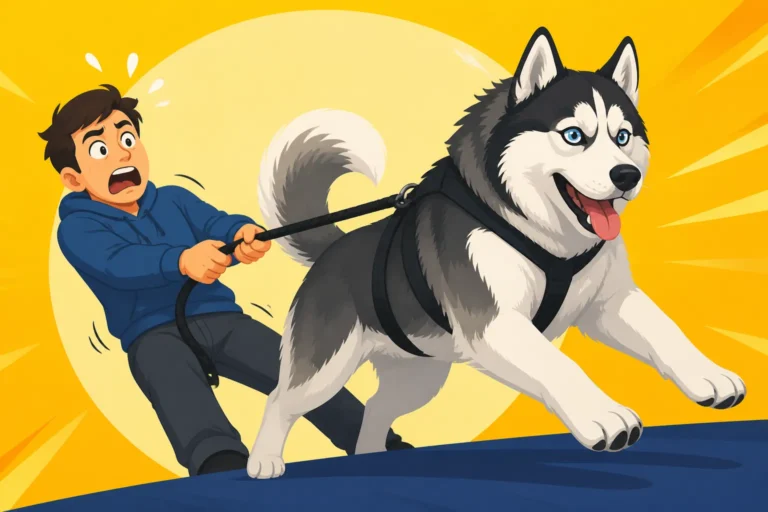
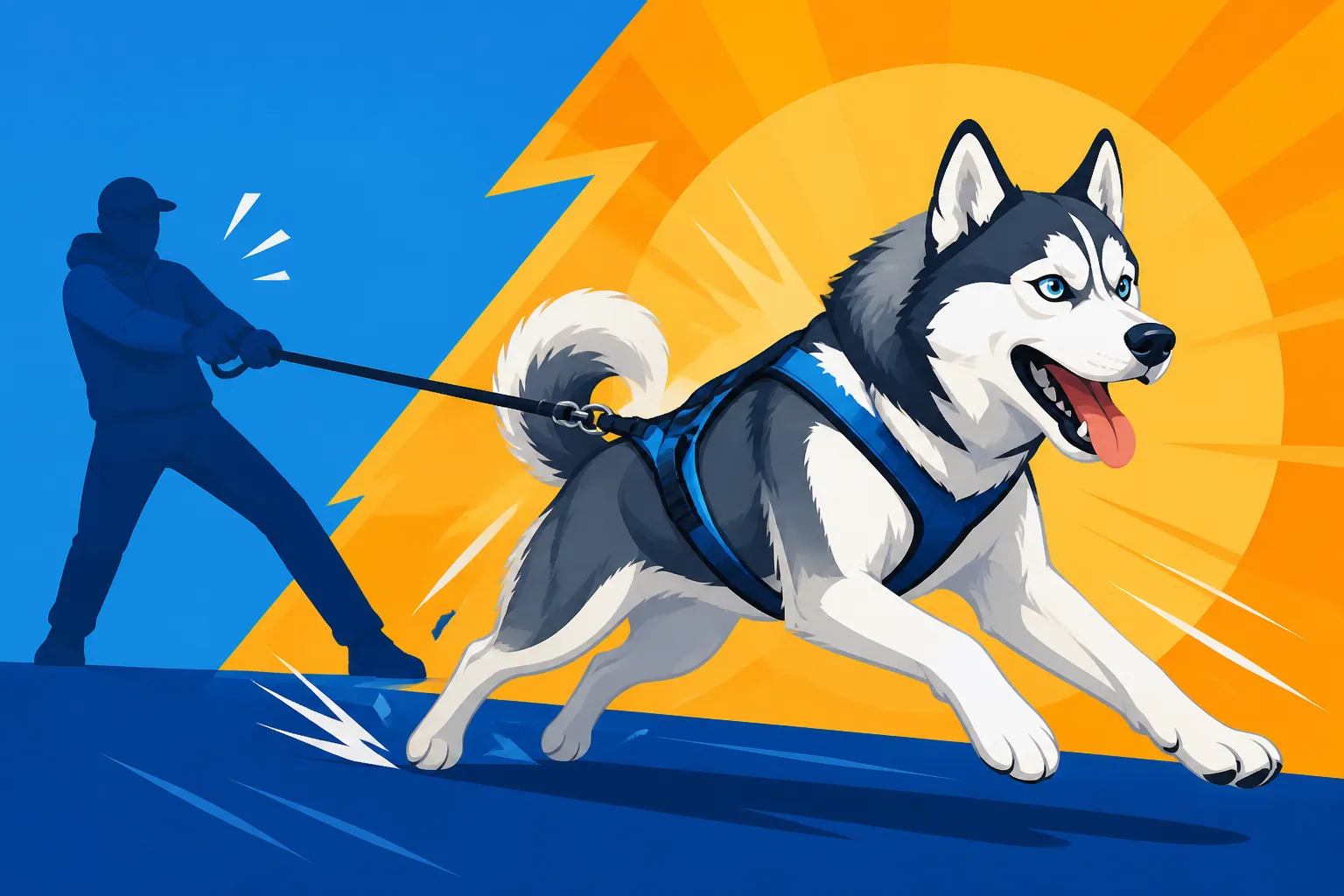
It's a common frustration, isn't it? You get a beautiful, energetic Siberian Husky, and you imagine serene walks together, but the moment that harness clips on, it's like you've suddenly harnessed a freight train. Many owners find their Husky pulls harder in a harness than on a collar, turning what should be an enjoyable stroll into a relentless battle of wills. This comprehensive guide will delve into the deep-seated reasons behind this behavior, explaining why a harness can amplify their natural pulling instinct and offering insights into managing and redirecting this powerful drive.
The Instinctual Drive: Why Huskies Are Born to Pull
To truly understand why your Siberian Husky becomes a pulling powerhouse in a harness, you first have to appreciate their incredible history. These aren't just pretty dogs with captivating eyes; they are descendants of a lineage specifically bred for endurance and pulling heavy loads across vast, icy landscapes. That instinct is not just a quirk; it's practically embedded in their DNA.
A Legacy of the Sled
Imagine the frozen tundras of Siberia, where the Chukchi people relied on these magnificent dogs for survival. Their very existence depended on the dogs' ability to pull sleds laden with supplies, often for miles upon miles, through blizzards and over treacherous terrain. Every aspect of their breeding, from their dense double coat to their efficient metabolism, was honed for this purpose. They were selected for their willingness to work, their incredible stamina, and, yes, their inherent drive to pull. It wasn't about leisurely walks; it was about getting from point A to point B as efficiently as possible, and that meant leaning into the harness and moving forward with purpose.
This ancient drive is still very much alive in your modern Siberian Husky. When you put a harness on, particularly a traditional back-clip harness, it engages that primal instinct. It feels like the equipment they were literally born to wear, activating a mental switch that says, "Okay, it's time to work!" The pressure across their chest and shoulders, rather than feeling restrictive or uncomfortable, often feels like a cue to engage their powerful musculature and simply go. This is a fundamental difference from many other breeds; for a Husky, a harness often feels like freedom to do what they were made to do.
When you see your Husky strain against the leash, remember this history. They aren't trying to be defiant or disobedient; they are often just responding to a deeply ingrained impulse. They are listening to the echoes of their ancestors, urging them forward. For them, pulling is the job, and the harness is the uniform. Understanding this foundational element is the first step in addressing the pulling behavior, as it reframes the issue from a disciplinary problem to a breed-specific characteristic that needs appropriate channeling. It’s not simply "bad behavior," but a powerful instinct that needs to be managed and, in some cases, embraced.
The Physiology of a Puller
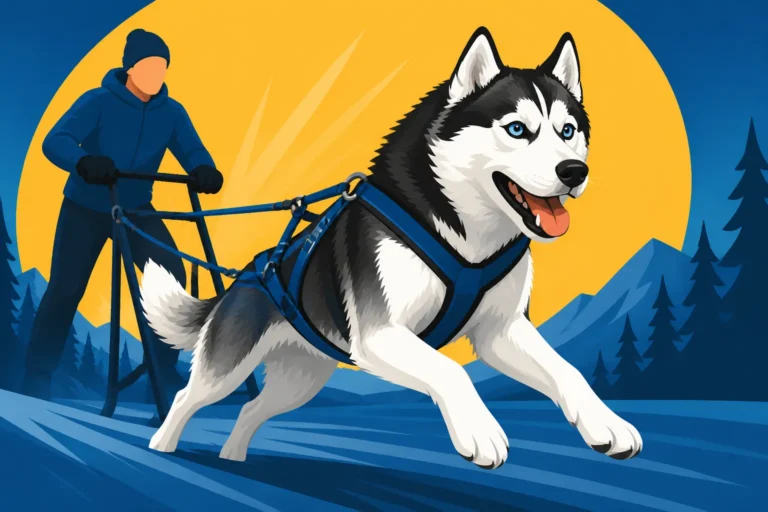
Beyond their historical purpose, Siberian Huskies are physically built for pulling. Their athletic, lean bodies, strong shoulders, and deep chests are perfectly designed to exert force and sustain effort. When a traditional harness is applied, the pressure distributes across these strong areas, allowing them to lean in and engage their full body strength without discomfort. This is precisely what a harness designed for sledding, or even recreational pulling sports like Canicross and Bikejoring With a Siberian Husky, is meant to do. It enables them to use their entire frame to move forward.
Think about the biomechanics: a collar, especially a flat collar, exerts pressure on the sensitive trachea and neck. While this can be uncomfortable for any dog, for a Husky who is determined to pull, it's often seen as a minor inconvenience, or even an encouragement to pull harder to alleviate the pressure. In contrast, a well-fitting harness, particularly one with a broad chest plate, allows them to breathe freely and move their neck and head naturally, all while providing a stable point of leverage for their powerful shoulders and legs. This anatomical advantage means they can pull with greater efficiency and less self-correction.
It’s also important to consider their efficient metabolism. Why Siberian Huskies eat less than a Labrador is a common question, and it speaks to their incredible energy conversion. They can work for long periods on relatively less food, which means they have ample stored energy and a sustained drive. This physiological trait, combined with their strong musculature, makes them formidable pulling machines. So, when you clip on that harness, you're not just attaching a leash; you're often unlocking a deep-seated physical and psychological desire to move forward with force, a characteristic that defines this incredible working breed.
Harness Design Matters: How Different Harnesses Affect Pulling
The type of harness you choose plays a massive role in how much your Siberian Husky pulls. Not all harnesses are created equal, and some designs, while perfect for their intended purpose, can inadvertently exacerbate the pulling tendency in a Husky. Understanding the mechanics of different harness styles is crucial for any Husky owner.
Traditional Back-Clip Harnesses and Their Effect
The classic back-clip harness is often the first type many new dog owners reach for. It typically features a ring on the dog's back, between their shoulder blades, where the leash attaches. For many breeds, this design works perfectly well, offering comfort and security without encouraging pulling. However, for a Siberian Husky, this design often has the opposite effect.
When a Husky wears a back-clip harness and pulls, the pressure from the leash is applied directly to their back and shoulders. As we discussed, these are the strongest parts of their body, precisely where a sled dog harness would apply pressure to distribute the load. Rather than discouraging pulling, this pressure distribution actually enables it. It feels natural, comfortable, and provides the leverage they need to lean in and use their full body weight to pull you forward. It's like strapping a backpack on a human; the weight is distributed, making it easier to carry or pull. For a Husky, it's not a restraint; it's an assist.
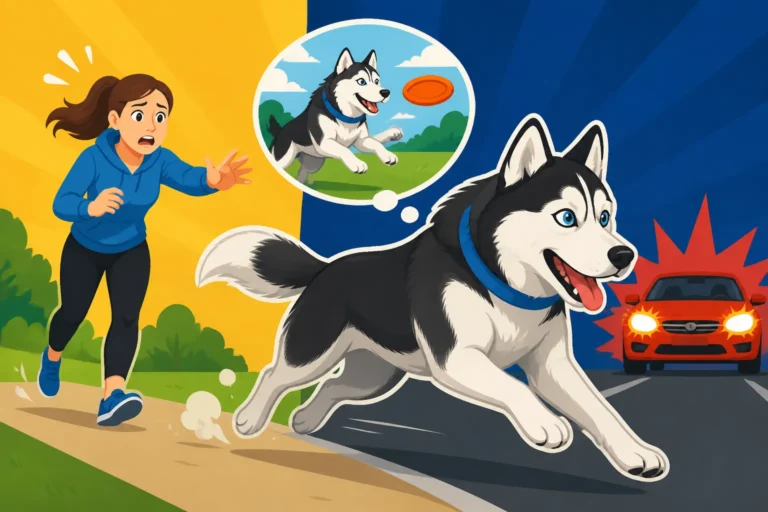
Many owners find themselves in a constant tug-of-war with a back-clip harness, especially with a strong, enthusiastic Husky. The dog feels no discomfort or change in direction from the pulling action itself. In fact, the more they pull, the more that pressure signals "go forward!" This can be incredibly frustrating and even dangerous, especially if your Husky has a strong prey drive or encounters something exciting on a walk. If your goal is truly loose-leash walking, a back-clip harness, while excellent for other activities like jogging or long hikes where controlled pulling is acceptable, is generally not the best choice for everyday manners training.
The Mechanics of a Front-Clip Harness
This is where the game-changer often comes in for Husky owners struggling with pulling: the front-clip harness. Unlike its back-clip counterpart, a front-clip harness has the leash attachment point located on the dog's chest, typically around the sternum. The way this seemingly small design change alters the dynamics of pulling is quite remarkable.
When your Siberian Husky tries to pull forward with a leash attached to a front-clip harness, the pressure is no longer distributed across their strong shoulders and back. Instead, the leash acts as a pivot. As they pull, they are gently, but firmly, redirected to the side, usually towards you. It effectively turns their body without causing pain or discomfort, making it difficult for them to generate sustained forward momentum. Imagine trying to pull a heavy cart by having the rope attached to the side of the cart's front; it would just turn in circles rather than going straight.
This redirection works wonders because it interrupts the Husky's natural pulling mechanism. They try to lean into it, and instead of moving forward, they find themselves turning or losing balance. It's a psychological and physical deterrent that doesn't rely on harsh corrections or discomfort. Many owners report a significant, almost immediate, reduction in pulling when switching to a good quality front-clip harness. Brands like the Ruffwear Front Range Harness or the Easy Walk Harness are popular choices that offer good chest clip placement and comfort. While it might not instantly eliminate all pulling, it makes it much easier to manage and to begin teaching proper Siberian Husky Leash Work Against a Pulling Instinct.
Understanding No-Pull Harnesses
Beyond the standard front-clip design, there are also various "no-pull" harnesses that employ different mechanisms to discourage pulling. These often combine elements of both front-clip and unique pressure points to encourage better leash manners. Some no-pull harnesses, for example, might tighten gently around the chest or under the armpits when the dog pulls, creating an uncomfortable sensation that discourages the forward motion.
It’s important to distinguish between truly effective no-pull harnesses and those that might cause discomfort or restrict movement in undesirable ways. A good no-pull harness should achieve its effect through redirection or gentle pressure, not pain. The goal is always to teach your Husky that pulling makes their life harder, not to punish them for their natural instincts. Some of these harnesses, like the Freedom No-Pull Harness, offer both front and back clips, allowing for more versatility depending on the training situation. You can even use a double-ended leash to attach to both clips simultaneously for maximum control, which can be incredibly helpful when you're first getting started with Training an Independent Siberian Husky.
While these harnesses can be incredibly useful tools, they are not a magic bullet. They are aids for training, not replacements for it. If you rely solely on a no-pull harness without teaching your Husky how to walk politely, you might find that the moment you switch to a different collar or harness, the pulling returns. They are best used in conjunction with positive reinforcement training to teach your Husky that loose-leash walking is more rewarding than pulling. This is where consistent training, perhaps even with an online resource like BAXTER & Bella, comes into play, helping you bridge the gap between equipment and learned behavior.
| Harness Type | Leash Attachment | How it Affects Pulling in Huskies | Pros | Cons |
|---|---|---|---|---|
| Back-Clip Harness | Back (shoulders) | Enables pulling by distributing pressure to strong muscles. | Comfortable for dog, good for controlled pulling (e.g., sled sports). | Actively encourages pulling in Huskies for everyday walks, harder to control. |
| Front-Clip Harness | Chest (sternum) | Redirects the dog sideways when they pull, interrupting momentum. | Effectively discourages pulling without pain, easier to control. | Can sometimes tangle legs if poorly fitted or leash is too short. |
| "No-Pull" Harnesses | Chest, underarms | Uses redirection or gentle, temporary pressure to deter pulling. | Very effective for teaching loose-leash walking, offers good control. | Some designs can be uncomfortable if not fitted correctly or used improperly. |
Beyond Equipment: Training and Management Strategies
While choosing the right harness is a critical first step, it’s just one piece of the puzzle. A Siberian Husky's inherent drive to pull requires consistent training, patience, and smart management strategies that work with their instincts, not against them.
Teaching Loose-Leash Walking Fundamentals
The core of addressing pulling, regardless of the harness, is teaching your Husky what you do want them to do: walk politely on a loose leash. This isn't just about stopping the pulling; it's about establishing communication and a shared understanding on walks. Start in a low-distraction environment, like your backyard, and arm yourself with high-value treats (think cooked chicken or cheese – something your Husky really wants).
The principle is simple: reward slack in the leash. As soon as the leash is loose, even for a second, mark that behavior (with a clicker or a verbal "yes!") and reward your Husky. If they pull, simply stop. Become a tree. Don't move forward until the leash goes slack again. This teaches your Husky that pulling gets them nowhere, while a loose leash moves them forward. It can be incredibly slow-going at first, and you might not get far down the block, but consistency is key. Your Husky is smart, and they'll eventually connect "loose leash = forward momentum and treats" with "pulling = stopping."
Another powerful technique is changing direction frequently. If your Husky starts to pull forward, calmly turn and walk in the opposite direction. They'll have to disengage from their forward momentum and reorient to follow you. Again, reward generously when they catch up and the leash is loose. This teaches them to pay attention to you and to anticipate your movements, rather than just charging ahead. This consistent feedback, coupled with a well-fitting front-clip harness, will lay a strong foundation for polite leash manners. Remember, it's a marathon, not a sprint, with a Husky.
The Role of Consistent Training
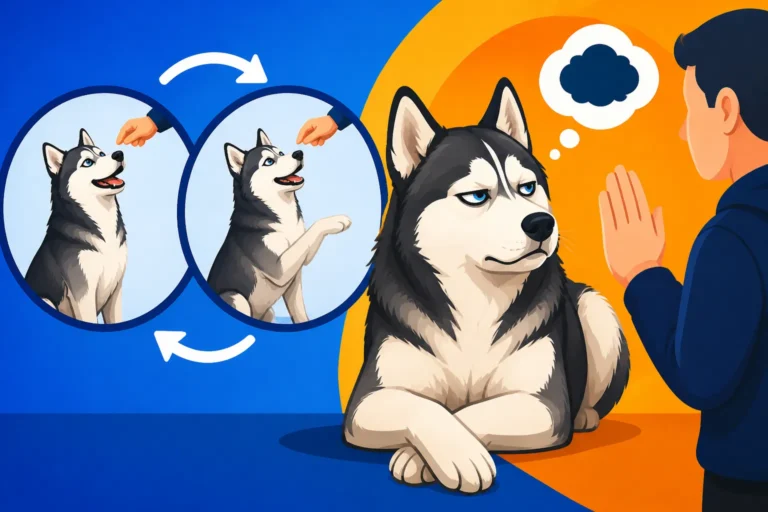
Huskies are intelligent, but they are also notoriously independent and can test boundaries. What works one day might seem to be forgotten the next. This means consistency in your training approach is paramount. Every walk, every time you step out the door, is a training opportunity. If you let them pull "just this once" because you're in a hurry, you're inadvertently reinforcing the pulling behavior. Think of it like a negotiation: if they sometimes get what they want by pulling, they'll keep trying.
Involve everyone in the household in the training. If different family members have different rules or techniques, your Husky will get confused, and progress will stall. Ensure everyone uses the same cues, the same type of harness (or at least understands its purpose), and the same reinforcement methods. Resources like online training platforms can be incredibly helpful for establishing this consistency across the board. They often provide structured lessons that everyone can follow, ensuring that your Husky receives clear, consistent messages about what's expected of them on a leash. Keeping a Siberian Husky Interested in Training is a challenge, so keep sessions short, positive, and full of variety.
Remember that a Husky's energy levels play a huge role in their focus. A bored, under-exercised Husky will have far less patience for polite walking than one whose needs are being met. Ensure your Husky gets adequate physical and mental stimulation before you attempt focused loose-leash training. A good sniff walk, some off-leash play in a secure area (if safe and appropriate), or even a quick session of trick training can help burn off excess energy and prime them for a more attentive training session on leash. This isn't about exhausting them into submission, but about setting them up for success.
Engaging Their Drive Appropriately
We've established that Huskies have a powerful, innate drive to pull and to move. Rather than constantly fighting this instinct, savvy Husky owners learn to channel it appropriately. This means giving your Husky opportunities to legitimately pull, but on your terms and with appropriate equipment. This is where specialized sled dog sports or recreational pulling activities come into play.
Consider activities like canicross (running with your dog pulling you via a belt) or bikejoring (cycling with your dog pulling your bike). For these sports, a specialized What a Siberian Husky Harness Costs and equipment are used, designed to allow your Husky to pull safely and efficiently, embracing their natural abilities. When they get to fulfill this deeply ingrained desire in a controlled, safe environment, they are often much more relaxed and willing to practice loose-leash walking during their regular neighborhood strolls. It's a healthy outlet for their incredible energy and drive.
Even if you're not interested in competitive dog sports, simply engaging your Husky in structured activities that allow them to use their energy and strength can make a world of difference. Think about long hikes on trails where controlled pulling might be acceptable, or even allowing them to pull a small wagon with some light groceries for a short distance. The key is to teach them the difference between "pulling time" (when they're in a specific harness or in a specific context) and "loose-leash walking time" (when they're in their everyday walking harness). This mental distinction helps them understand the expectations for different situations. This is also how you start Teaching a Siberian Husky to Pull in Harness for those who want to explore working dog activities.
Ultimately, living with a Siberian Husky means embracing their unique qualities. Their pulling instinct isn't a flaw; it's a feature. By understanding their history, choosing the right tools, and committing to consistent, positive training, you can transform those frustrating walks into enjoyable adventures, celebrating the magnificent working dog they were truly meant to be.
Disclaimer
This article is for general informational purposes only and does not constitute professional advice. Laws, prices and regulations vary by location and change over time. Consult a qualified professional for guidance on your specific situation.