Holding a Siberian Husky That Outweighs Your Grip
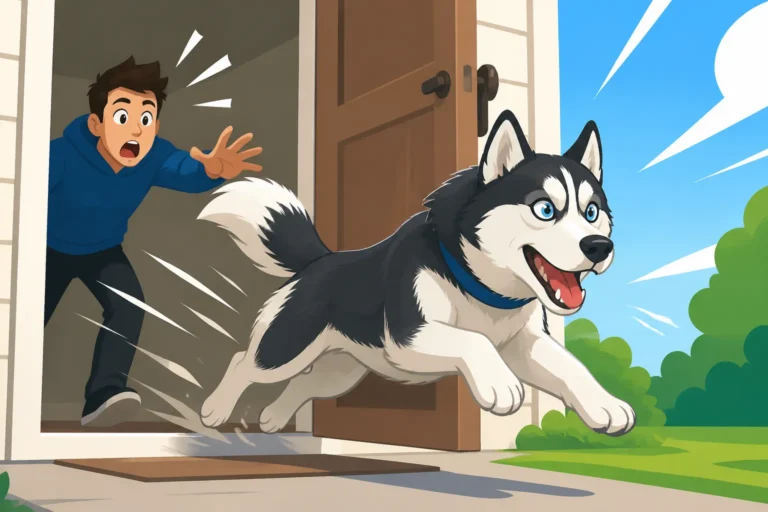
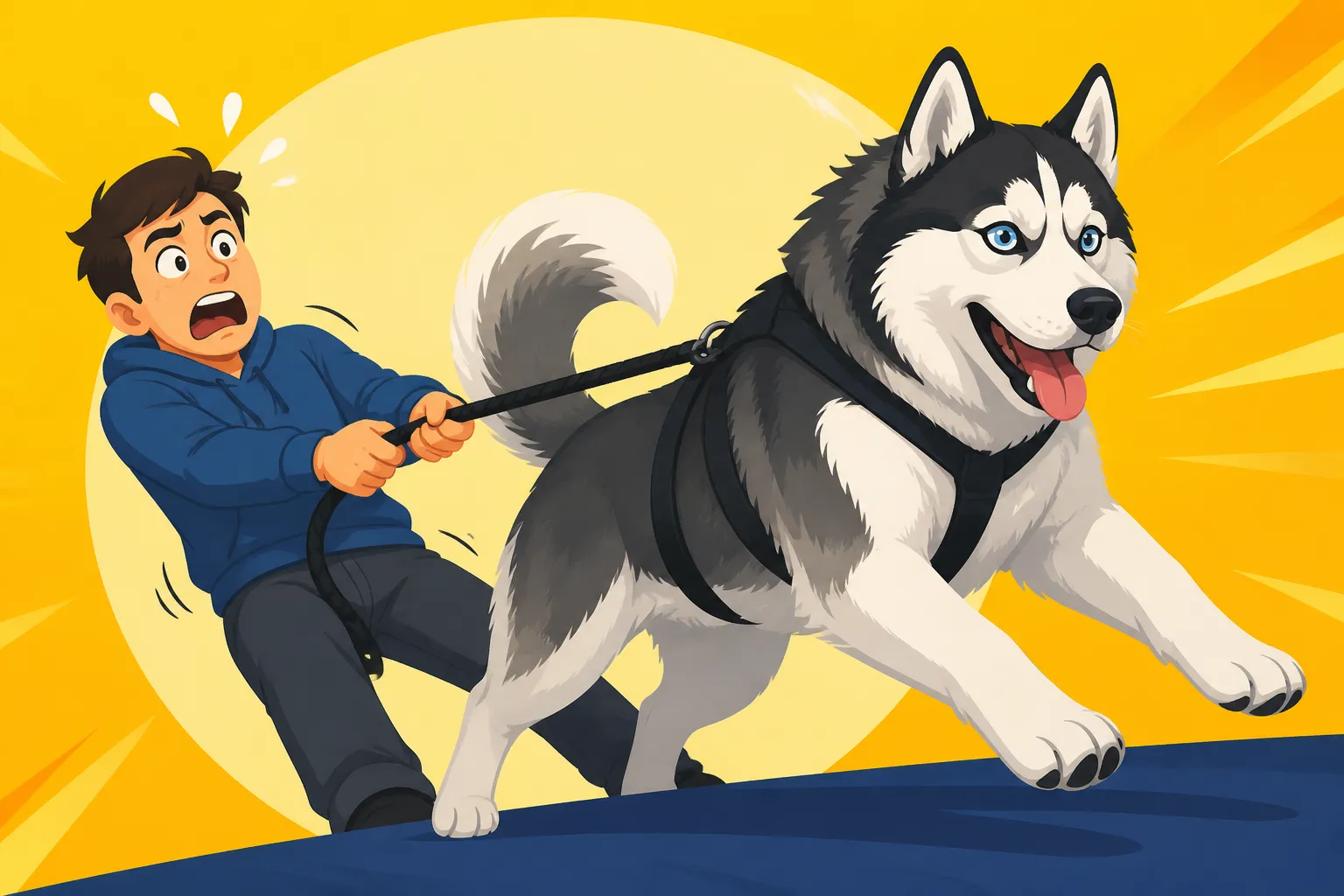
It’s a tale as old as time for many Siberian Husky owners: one minute you’re enjoying a nice walk, the next your arm feels like it’s being ripped from its socket as your beloved companion suddenly lunges or decides it’s time to switch to sled dog mode. When your Siberian Husky outweighs your grip, walks can become less about enjoyment and more about a desperate struggle for control. This guide will help you understand why your Husky pulls and, more importantly, equip you with the right gear and techniques to manage their powerful strength and make your walks enjoyable again.
Understanding the Husky's Natural Pulling Instinct
Let's get one thing straight: your Husky isn't pulling on the leash to spite you, or because they're being "bad." This isn't about naughtiness; it's deeply ingrained instinct and thousands of years of selective breeding at play. Trying to simply overpower a Siberian Husky with brute force is a battle you're almost guaranteed to lose, and it certainly won't build a better relationship with your dog.
The Genetic Drive to Move Forward
Siberian Huskies were developed by the Chukchi people in Northeast Asia to be endurance sled dogs. Their very purpose was to pull loads over vast, often harsh, terrain. Every fiber of their being, every muscle, every instinct, is geared towards moving forward with purpose. When they feel a slight resistance on their chest or neck, their brain doesn't interpret it as "slow down." Instead, it often signals, "engage, lean into it, pull harder!" This genetic programming is incredibly powerful, and it's why a young, energetic Husky can easily overpower an unprepared owner.
It's not defiance; it's simply what they were bred to do. Imagine telling a fish not to swim, or a bird not to fly. While we can train a Husky to walk nicely, we can never completely erase that fundamental drive. Acknowledging this is the first step towards managing it effectively. They aren't stubborn; they're fulfilling their biological imperative. You might find it helpful to read about Why Siberian Huskies Look Stubborn Rather Than Slow to better appreciate their unique mindset.
The Difference Between a Harness and a Collar
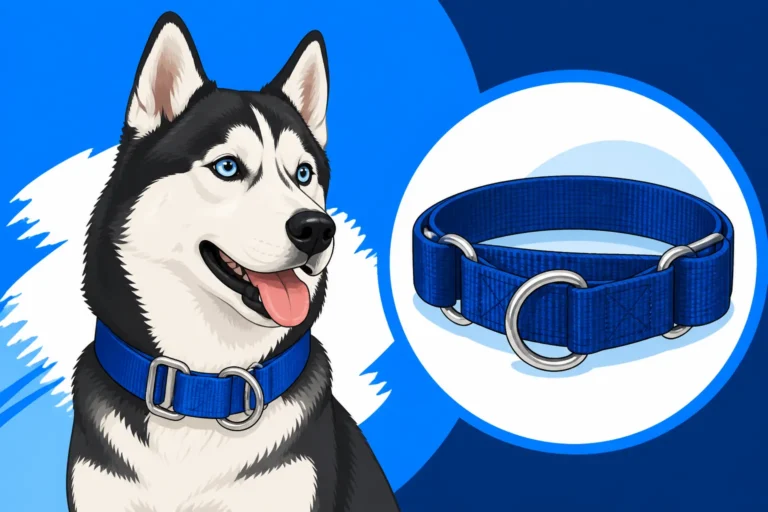
The type of equipment you use dramatically impacts how your Husky responds to leash pressure. Many people automatically reach for a standard collar, either flat buckle or martingale, for walking. While these are perfectly fine for identification and gentle guidance, they are often wholly inadequate for a Husky determined to pull.
A standard flat collar, when pulled against, places all the pressure on your Husky's throat and neck. Not only is this uncomfortable and potentially damaging to their trachea, but it can also trigger a stronger opposition reflex, making them pull more. Imagine trying to stop a sled team by tugging on the lead dog's neck – it’s just not effective for the amount of force a Husky can generate. Similarly, a back-clip harness, while better for their neck, is essentially designed to help dogs pull. The leash attachment point on the back allows them to lean their entire body weight into the harness, distributing the pressure comfortably across their chest and shoulders, which is precisely what you want for dog sports like canicross, but not for a leisurely stroll around the block. This is why you often hear the sentiment, Why a Siberian Husky Pulls Harder in a Harness if it's not the right kind of harness for control.
Essential Gear for Managing a Strong Husky
Choosing the right tools for the job is paramount when you're dealing with a powerful dog like a Siberian Husky. You need equipment that works with their instincts, not against them, and that gives you leverage rather than just relying on brute strength.
Choosing the Right Harness for Control
When your goal is control during walks, rather than encouraging pulling, a front-clip harness is your best friend. These harnesses have a leash attachment ring located on your Husky's chest, right in front. When your Husky pulls forward, the leash pressure redirects their body to the side, gently turning them around or off-balance. This makes it incredibly difficult for them to generate the same forward momentum, and it discourages pulling without causing pain or discomfort. It's a game-changer for many owners who feel constantly pulled off their feet.
Look for harnesses that are well-padded and designed for comfort, as your Husky will still be wearing it for extended periods. Brands available on platforms like Amazon offer a wide variety of styles and fits, so you can find one that suits your dog's unique build. Ensure it fits snugly but doesn't restrict movement or rub. The harness should have adjustable straps around the neck and chest to ensure a secure fit that prevents escapes, which Huskies are notorious for. To learn more about this specific type, check out Front-Clip Harnesses on a Siberian Husky.
The Importance of a Secure Leash
A flimsy leash is an accident waiting to happen with a strong Husky. Retractable leashes, while tempting for giving your dog more "freedom," are particularly dangerous as they offer virtually no control when a Husky decides to bolt, and the thin cord can cause severe rope burns or snap. Instead, opt for a sturdy, fixed-length leash, typically 4 to 6 feet long, made from durable materials like thick nylon webbing, Biothane, or even leather.
The hardware on the leash matters too. Ensure the clasp is robust and secure, capable of withstanding sudden jerks without bending or breaking. A strong brass or steel snap hook is ideal. When holding the leash, wrap a loop around your hand to prevent it from slipping, but never wrap it around your wrist or arm in a way that could cause injury if your dog makes a sudden move. Your grip should be firm but flexible, ready to react. For those moments when a sudden lunge happens, having a leash that can handle the force is critical. Consider exploring options designed to be Leashes That Hold a Siberian Husky That Lunges.
Technique Over Brute Strength: Leash Handling Skills
It’s not just about the gear; it's about how you use it. Even with the best front-clip harness, if you're not employing proper leash handling techniques, you'll still feel like you're water skiing behind a team of dogs. The goal is to use your entire body, leverage, and smart moves, not just the muscles in your arms.
Mastering the Art of the "Tree" or Anchor
When your Siberian Husky hits the end of the leash and tries to pull you forward, the natural instinct is to lean back and pull against them. This is often counterproductive, as it engages their opposition reflex and can turn into a tug-of-war. Instead, think of yourself as a "tree" or an anchor. When your Husky pulls, instead of pulling back, plant your feet firmly. Keep your core engaged, and let the leash go taut without pulling back yourself. Your body should absorb the shock, becoming an unmovable object, rather than a counter-pulling force.
This technique uses physics to your advantage. By not engaging in a direct pull-back, you don't trigger their instinct to pull harder against resistance. You simply become a wall they cannot move. Practice this by letting your Husky pull to the end of the leash, then immediately stopping your forward motion and standing firm. As soon as the leash goes slack (even for a second), praise and reward them. This teaches them that pulling gets them nowhere, but slack gets them good things.
The Importance of Body Mechanics
Your posture and how you position your body make a huge difference in your ability to control a powerful Husky. Instead of just using your arms, learn to use your entire body. When your Husky pulls, shift your weight into your hips and legs, keeping your back straight. Imagine you have a low center of gravity. This transfers the strain from your arm and shoulder to your stronger core and leg muscles, making you far more stable.
Walk with purpose and awareness. Don't be looking at your phone or distracted. Pay attention to your Husky's body language. If you see them tense up, fixate on something, or lean forward in preparation to lunge, you have a split second to react before they unleash their full power. A slight change in direction, a quick verbal cue, or a gentle but firm leash correction before the full pull starts is far more effective than trying to regain control once they're already in full stride.
Shortening the Leash and Redirection
A long leash, while offering more freedom, also gives a strong Husky more room to build momentum. When you anticipate a challenging situation—passing another dog, a squirrel, or a particularly interesting scent—shorten your leash proactively. Bring your Husky closer to your side, keeping a slight bend in your elbow but maintaining enough slack that they aren't choked or constantly feeling pressure. This gives you less "play" to deal with if they lunge.
Redirecting your Husky is another powerful technique. If they start pulling towards something, don't just stand there and let them drag you. Instead, pivot sharply and walk in the opposite direction. This unexpected change of course breaks their focus and forces them to re-engage with you. It’s not about punishment, but about making the undesired behavior (pulling towards a distraction) unrewarding and difficult, while making paying attention to you the path of least resistance. Consistency is key here; every time they pull, you change direction. Soon, they'll learn that trying to pull only leads them away from their desired destination.
Building a Foundation: Training Beyond the Leash
While gear and immediate handling techniques are crucial, the long-term solution to managing a strong Siberian Husky lies in consistent, positive reinforcement training. You want to teach your Husky what you want them to do, rather than just reacting to what you don't want them to do.
Positive Reinforcement for Loose-Leash Walking
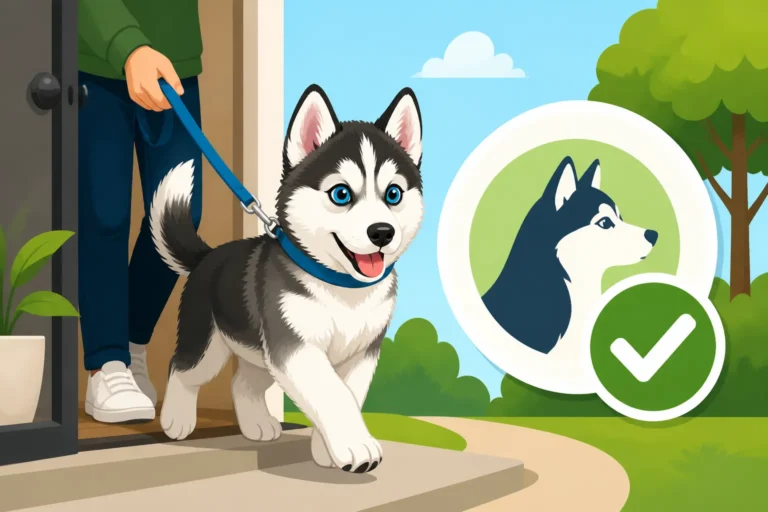
Loose-leash walking isn't an innate skill for a Husky; it's a learned behavior that requires patience and consistent practice. Start in a quiet, low-distraction environment. Hold your leash, allowing some slack. The moment your Husky walks beside you without pulling, even for a step, mark that moment with a verbal cue like "Yes!" or a clicker, and immediately reward them with a high-value treat. Repeat this over and over. If they pull, simply stop moving. Wait for the leash to slacken, then reward them when they look back at you or move closer. Then, start walking again. This method teaches them that a loose leash earns them rewards and allows them to keep moving forward.
Programs like BAXTER & Bella offer comprehensive online training resources that can guide you through these steps, providing structured lessons and support. The key is to be more interesting and rewarding than the environment around them. Break down the walk into micro-behaviors, rewarding tiny successes. Over time, you can gradually increase the duration of loose-leash walking before the reward and introduce more distractions.
Managing High-Distraction Environments
Huskies are naturally curious and have a high prey drive. A squirrel, a blowing leaf, another dog, or even a sudden smell can be an irresistible lure. Training in a quiet park is one thing; navigating a busy city street is another. Gradually introduce your Husky to more distracting environments. Don't throw them into the deep end. Start by walking outside the dog park, then closer, then briefly inside during off-peak hours.
Develop an "emergency stop" cue. This is a word or sound that, when given, means your Husky must immediately stop and look at you. Practice this heavily in low-distraction environments with massive rewards. The idea is that this cue becomes so ingrained that even when their focus is elsewhere, the promise of an incredible reward (like a piece of real chicken or cheese) can override the distraction. Having a reliable emergency stop can literally be a lifesaver when a loose dog or unexpected situation arises.
Harnessing Their Drive for Appropriate Activities
Remember that inherent drive to pull? Instead of fighting it, channel it! Many Siberian Huskies thrive when they have an outlet for their natural instincts. Engaging in dog sports like canicross (running with your dog pulling you in a harness), bikejoring (cycling with your dog pulling), or even recreational sledding (if you have the right climate) can be incredibly fulfilling for a Husky.
When you allow them to pull in a specially designed pulling harness during these activities, you teach them the difference between "work" (where pulling is encouraged) and "walking nicely" (where a front-clip harness and loose leash is expected). This mental and physical exertion can dramatically reduce their desire to pull during casual walks, as they've already had a chance to "get it out of their system." This also strengthens your bond and provides them with the mental stimulation they crave. Learning Starting Canicross With a Siberian Husky can be a fantastic way to bond and provide an appropriate outlet.
Understanding the unique needs and drives of your Siberian Husky, combined with the right tools and consistent training, will transform your walks from a struggle into an enjoyable experience for both of you. It's about working with your Husky, not against them, and appreciating the incredible athletes they are.
| Harness Type | Leash Attachment | Primary Purpose | Benefits | Drawbacks | Ideal For |
|---|---|---|---|---|---|
| Front-Clip | Chest | Control & Loose-Leash | Redirects pulling, discourages lunging, no neck pressure | Can tangle legs if poorly fitted, requires proper adjustment | Daily walks, training loose-leash manners, dogs that pull |
| Back-Clip | Back | Comfort & Support | Good for identification, light walks, no neck pressure | Encourages pulling, little control over strong pullers | Dogs with good leash manners, casual strolls, carrying ID |
| Head Halter/Gentle Leader | Muzzle/Below Chin | Head Control & Guidance | Redirects head, makes pulling difficult, good leverage | Some dogs dislike it, requires careful introduction & fit | Strong pullers, reactive dogs, advanced training |
| Y-Harness (Pulling/Sled) | Back | Pulling & Performance | Designed to distribute weight for pulling, comfort | Specifically designed to help dogs pull, not for control | Dog sports (canicross, bikejoring), working dogs |
| Martingale Collar | Neck | Escape Prevention | Tightens gently under pressure, prevents slipping | Can still allow pulling, not for constant pressure | Sighthounds, dogs with narrow heads, dogs prone to slipping out of collars |
Disclaimer
This article is for general informational purposes only and does not constitute professional advice. Laws, prices and regulations vary by location and change over time. Consult a qualified professional for guidance on your specific situation.