Raising a Siberian Husky Puppy Through the First Year
Bringing a Siberian Husky puppy into your home is an incredible adventure, but let's be real: it's also a whirlwind of energy, curiosity, and often, a little bit of chaos. Many new Husky owners find themselves overwhelmed by the sheer drive and independent spirit of these beautiful dogs, especially during that pivotal first year. This comprehensive guide is designed to walk you through every stage of your Siberian Husky puppy's first year, from those first tentative steps in your living room to navigating the sometimes-challenging waters of adolescence, ensuring you're prepared to raise a confident, well-adjusted, and beloved family member.
Bringing Your Siberian Husky Puppy Home: The First Few Weeks
The moment you bring your Siberian Husky puppy home, a new chapter begins for both of you. These initial weeks are crucial for building trust, establishing boundaries, and helping your puppy adapt to its new environment. It's a period of intense learning, both for the puppy and for you, as you learn to understand each other.
Creating a Safe and Secure Den
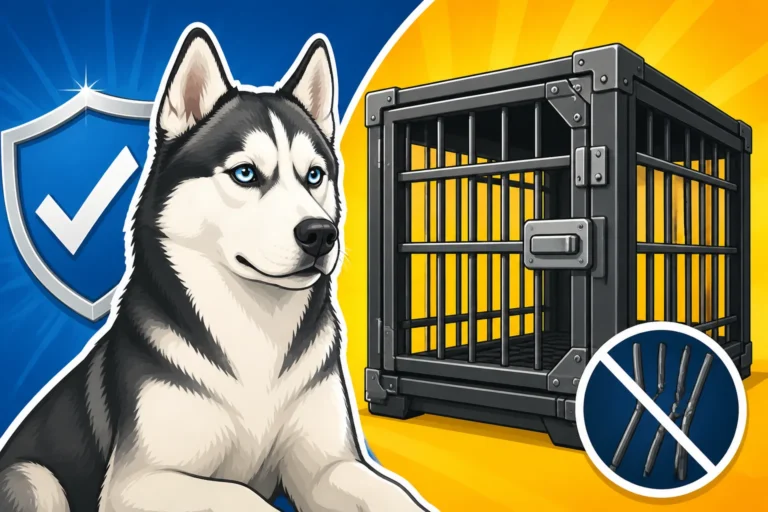
Your puppy needs a designated safe space where they can retreat, feel secure, and sleep undisturbed. For a Siberian Husky, this almost always means a crate. Don't think of a crate as a jail; it's their personal den, a cozy spot that caters to their natural instinct to have a secure place of their own. Make sure the crate is appropriately sized – large enough for them to stand, turn around, and lie down comfortably, but not so big that they can relieve themselves in one corner and sleep in another. Too much space in a crate can hinder house training.
Line the crate with soft, comfortable bedding. Some puppies might be chewers, so you might need to start with something durable or even just a thick towel. Place it in a quiet but not isolated part of your home, where your puppy can still feel like part of the family without being constantly disturbed. Introducing enrichment like a Kong stuffed with peanut butter or a durable chew toy can make the crate a positive and inviting place. This den will be their sanctuary during those early, overwhelming days, and a place where you can confidently leave them for short periods, knowing they are safe and cannot get into trouble or develop destructive habits.
Establishing a Routine from Day One
Siberian Huskies thrive on routine, even if their independent nature sometimes makes you doubt it. From the moment your puppy steps paw inside, start establishing a predictable schedule for feeding, potty breaks, play, and sleep. Puppies, much like human toddlers, find comfort and confidence in knowing what to expect next. This routine will be your strongest ally in house training and managing their energy.
For instance, aim for consistent feeding times. Husky puppies often have surprisingly efficient metabolisms, so Feeding a Siberian Husky Puppy Month by Month is a helpful resource here. Immediately after waking up, after every meal, and before bedtime, take your puppy outside to their designated potty spot. Praise and reward them enthusiastically when they go. Consistency in these early weeks lays the groundwork for all future training. It's not about being rigid, but about creating a framework that helps your puppy understand the rhythm of your home and what is expected of them, reducing anxiety and preventing unwanted behaviors before they start.
The Importance of Early Socialization
Siberian Huskies are naturally friendly dogs, but proper socialization during their critical early development period is vital for them to grow into well-adjusted adults. This isn't just about meeting other dogs; it's about exposing your puppy to a wide variety of sights, sounds, smells, people, and experiences in a positive and controlled way. Think about all the things your adult Husky will encounter: vacuum cleaners, mail carriers, children on scooters, car rides, different floor textures, people wearing hats, loud noises, and even things like umbrellas opening.
The goal is to create positive associations with these novel stimuli. Hold your puppy and let them observe from a distance, offering treats and praise. Enroll in a puppy kindergarten class once your vet gives the green light (after initial vaccinations), as this provides a safe and structured environment for positive interactions with other puppies and people. A good puppy class or online program, such as those offered by BAXTER & Bella, can guide you through these crucial early weeks. Avoid overwhelming your puppy, and always ensure experiences are positive. Early, well-managed socialization can prevent fear-based aggression or excessive shyness later in life, and helps foster their inherent friendly nature.
Navigating Puppyhood Milestones: Weeks 8-16
These weeks are often called the "golden window" for puppy development. Your Husky puppy is a sponge, eagerly soaking up everything around them. This is the time to solidify foundational training and ensure their health is on track.
Puppy Vaccinations and Health Check-ups
One of your first priorities, usually within a day or two of bringing your puppy home, should be a visit to your veterinarian. This initial check-up confirms your puppy's general health, allows the vet to assess for any immediate concerns, and helps establish a vaccination schedule. Puppies need a series of vaccinations to protect them from serious diseases like distemper, parvovirus, adenovirus, and rabies. Vaccinating a Siberian Husky Puppy on Schedule is a must-read to understand the typical timeline.
Your vet will also discuss deworming, flea and tick prevention, and general parasite control. This is also a fantastic opportunity to discuss nutrition, exercise guidelines, and any specific concerns you have about your Siberian Husky puppy's breed-specific needs. Remember, a healthy start is a strong start, and regular vet visits are crucial throughout their first year to monitor growth and catch any potential issues early. Don't forget to inquire about Health Testing Before You Buy a Siberian Husky as well, as a reputable breeder would have already initiated these tests for the parents.
Starting Basic Obedience and Manners
Your Siberian Husky puppy, despite its independent reputation, is fully capable of learning basic commands and good manners during this period. Short, frequent training sessions (5-10 minutes, several times a day) are far more effective than long, infrequent ones. Focus on positive reinforcement: reward desired behaviors with high-value treats, enthusiastic praise, or a favorite toy.
Start with fundamental commands like "sit," "stay," "come," and "leave it." These aren't just tricks; they are vital for safety and managing your Husky's natural instincts. "Come" (recall) is particularly important for a breed known for its wanderlust. While a Siberian Husky may never be 100% reliable off-leash, a solid foundation built now will significantly increase your chances of getting them back if they slip away. Leash training should also begin during this period, teaching them to walk politely beside you without pulling, even though their instinct is to pull a sled. Patience and consistency are your best friends here.
House Training and Crate Acclimation
House training a Siberian Husky puppy might feel like a full-time job, but with consistency, it's entirely achievable. The key is frequent potty breaks, especially after waking, eating, and playing. Take them to the same outdoor spot, and reward them lavishly when they eliminate there. Accidents indoors should be cleaned thoroughly with an enzymatic cleaner to remove all scent, preventing them from returning to the same spot. Never punish your puppy for an indoor accident; they simply don't understand. Interrupt, take them outside, and praise them for finishing there.
Crate training goes hand-in-hand with house training. A properly introduced crate helps prevent accidents when you can't supervise directly and provides a safe retreat. Introduce the crate positively with treats and toys. Start with short periods, gradually increasing the time. Never use the crate as punishment. For more in-depth guidance, check out House Training a Siberian Husky Puppy. If your puppy struggles, remember that even the best-behaved Huskies can have setbacks, especially during growth spurts or environmental changes. Persistence is key.
The "Adolescent" Husky: Months 4-8
Ah, adolescence. If puppyhood was a sprint, adolescence is a marathon with a few hurdles thrown in. Your Siberian Husky is growing rapidly, both physically and mentally, and with that growth comes a surge of energy, increased independence, and sometimes, a little "attitude."
Managing the Energy Levels of a Growing Husky
By four to eight months, your Husky puppy is likely a bundle of boundless energy. Those cute little bursts of zoomies are now longer, faster, and more frequent. This is the period where many owners, if unprepared, start to feel overwhelmed. A bored Husky is a destructive Husky, and a well-exercised Husky is a much happier household member. However, it's crucial to balance their need for activity with protecting their still-developing joints. Protecting a Siberian Husky Puppy's Growth Plates is critical to avoid long-term damage.
Instead of endless forced runs, focus on structured play, mental stimulation, and varied walks. Think about introducing flirt poles, puzzle toys, and short training sessions that work their brain. Controlled leash walks are excellent, gradually increasing duration as they get older. If you're interested in future harness sports, this is a great age to start introducing the concept of a harness and light pulling in short, positive sessions. Remember, their energy levels will continue to surge, so consistent, appropriate outlets are essential to prevent destructive behaviors.
Dealing with Nipping, Chewing, and Digging
Puppy nipping often transitions into more robust chewing as your Husky puppy's adult teeth come in and they explore the world with their mouths. This is natural for a breed that needs to process new information, but it needs to be managed. Provide a wide variety of appropriate chew toys – durable rubber, dental chews, and even frozen Kongs. Rotate them to keep things interesting. When they chew something inappropriate, gently redirect them to a proper toy.
Digging is another instinctual behavior for Siberians, tied to their heritage of digging dens for shelter or to find small prey. If you have a yard, you might notice them starting to excavate. While you can't eliminate the instinct, you can manage it. Consider designating a "digging zone" in your yard, perhaps a sandbox filled with dirt, where they are allowed to dig. Bury toys there to make it exciting. Otherwise, ensure your fence has an L-footer or buried wire to prevent them from digging out. For more details on fence security, you might find Stopping a Siberian Husky Digging Along the Fence helpful.
Solidifying Recall and Leash Manners
This adolescent phase is often when you experience The Month a Siberian Husky Starts Testing You. They might "forget" commands they once knew perfectly, or suddenly become much more interested in the world around them than in you. This is a normal part of development as they push boundaries and test their independence. It's not defiance; it's just being a Husky. This is not the time to give up on training; it's the time to double down on consistency and positive reinforcement.
Recall, the "come" command, becomes even more critical during adolescence. Your Husky's natural wanderlust and prey drive are in full swing. Continue practicing recall in a variety of environments, starting with low distractions and gradually increasing the challenge. Using a long line in a secure, open area can be invaluable for teaching them to return even when tempted to explore. You can learn more about this by reading Starting Long Line Work With a Siberian Husky. Continue working on polite leash walking. Their strength is growing, and a pulling Husky can be a real handful. Consistency in these areas now will save you a lot of frustration later.
Approaching Maturity: Months 9-12
As your Siberian Husky puppy approaches their first birthday, they're transitioning from rowdy adolescence to young adulthood. While physically they may seem adult-sized, their minds are still maturing, and you'll continue to see shifts in behavior and needs.
The Adolescent Rebellious Phase
Between nine and twelve months, many Siberian Huskies hit what feels like a second, more intense rebellious phase. They might ignore cues they once responded to, challenge your leadership, or seem to have selective hearing. This isn't personal; it's a natural part of their development as they figure out their place in the world and test boundaries. Their hormones are kicking in, too, which can make them even more distractible and driven by instinct.
During this time, maintain calm, consistent leadership. Avoid getting frustrated or angry, as this can damage your bond. Revisit basic obedience commands, making them fun and rewarding. Keep training sessions short, positive, and engaging. Reinforce good behavior constantly. Use their high prey drive and love for running to your advantage by channeling it into appropriate activities like Canicross and Bikejoring With a Siberian Husky, rather than fighting against it. This phase will pass, but how you navigate it will shape your Husky's adult behavior.
Continuing Socialization and Exposure
Just because your Husky is no longer a tiny puppy doesn't mean socialization stops. Continuing to expose them to new experiences, places, people, and well-behaved dogs is vital. As they grow bigger and stronger, their interactions need to be supervised even more carefully. Not all dogs appreciate the Husky's sometimes boisterous play style, so ensure interactions are positive and respectful.
Visiting dog-friendly parks, going for walks in new neighborhoods, or enrolling in advanced obedience classes can all provide continued socialization opportunities. The goal is to ensure your young adult Husky remains confident, adaptable, and comfortable in a variety of situations. A socially well-adjusted Husky is less likely to develop anxiety or reactivity in adulthood, which is especially important for a breed that attracts so much attention.
Preparing for Spay/Neuter Decisions
Around their first birthday, you'll likely be discussing spaying or neutering with your vet. The timing of this decision has been a subject of evolving veterinary advice, particularly for large breeds. For Siberian Huskies, some research suggests waiting until they are more skeletally mature (closer to 18-24 months) might offer benefits for joint health, although this needs to be weighed against individual circumstances and behavioral considerations.
Discuss the pros and cons with your veterinarian, considering factors like your dog's specific health, temperament, and your lifestyle. If you decide to wait, be prepared for managing a dog that is intact, which includes heat cycles for females and potential marking or roaming behaviors for males. Neutering a Siberian Husky and the Coat Question is a good resource to consider, as changes to their dense double coat are often a concern for owners. This is a significant decision, so gather all the information and make the choice that feels right for your Husky and your family.
Nutrition and Exercise for a Growing Husky
Feeding and exercising a Siberian Husky puppy correctly is paramount to their long-term health, especially given their unique metabolism and active nature. It's not just about filling a bowl or going for a walk; it's about balance and understanding their breed-specific needs.
Smart Feeding for a Lean Metabolism
Siberian Huskies are known for their incredibly efficient metabolisms. They were bred to work hard on minimal calories in harsh conditions, which means they often require less food than similarly sized breeds. Many new Husky owners inadvertently overfeed their puppies, leading to excessive growth rates and potential stress on developing joints.
Always follow the feeding guidelines from your veterinarian, and monitor your puppy's body condition closely. You should be able to easily feel their ribs, but not see them prominently. Adjust their food intake as needed based on their activity level and growth. High-quality puppy food designed for medium to large breeds is generally recommended. For a deeper dive into appropriate portions, consult Why a Siberian Husky Eats Less Than a Labrador and Monthly Food Spend for an Adult Siberian Husky. Free feeding is generally not recommended, as it makes it harder to monitor intake and can lead to picky eating or weight issues.
Appropriate Exercise for Developing Joints
While Huskies are bursting with energy, intense, high-impact exercise should be limited during their first year to protect their delicate growth plates. These cartilaginous areas at the ends of long bones are still developing and can be easily damaged by excessive impact or repetitive stress. Activities like long, strenuous runs, jumping from high places, or prolonged forced exercise on hard surfaces should be avoided until they are skeletally mature, typically around 12-18 months.
Instead, focus on varied activities: controlled walks, off-leash play in a safe, soft-surfaced area (like a grassy field), swimming, and mental games that use their brain power. Puzzle toys, scent work, and training sessions are excellent ways to burn energy without stressing joints. A tired mind is just as good as a tired body for a Husky. Gradually increase the duration and intensity of exercise as your vet advises, always keeping an eye on your puppy for signs of fatigue or discomfort.
Grooming Through the First Coat Blow
One thing you'll quickly learn about Siberian Huskies is their incredible coat, and with that comes the infamous "coat blow." Your puppy will likely go through its first significant shed around 6-12 months of age, where they shed their soft puppy coat and begin to grow in their denser adult double coat. This is often the first true taste of what living with Husky hair entails!
During a coat blow, expect a lot of loose fur. Daily brushing with an undercoat rake and slicker brush becomes essential to remove the shedding fur, prevent matting, and keep your house from being completely covered in fuzz. While a professional groomer can help with Two De-Shedding Appointments a Siberian Husky Year, learning to manage it at home is a vital skill. Remember, never shave your Siberian Husky, even in summer, as their double coat provides natural insulation against both cold and heat. Regular grooming sessions from puppyhood will help your Husky become accustomed to the process, making it much easier as they get older and those coat blows become more substantial.
Common Challenges and Solutions in the First Year
The first year with a Siberian Husky is guaranteed to come with its unique set of challenges. Understanding these common behaviors and having strategies to address them will make the journey much smoother.
Preventing Escape Artists from Day One
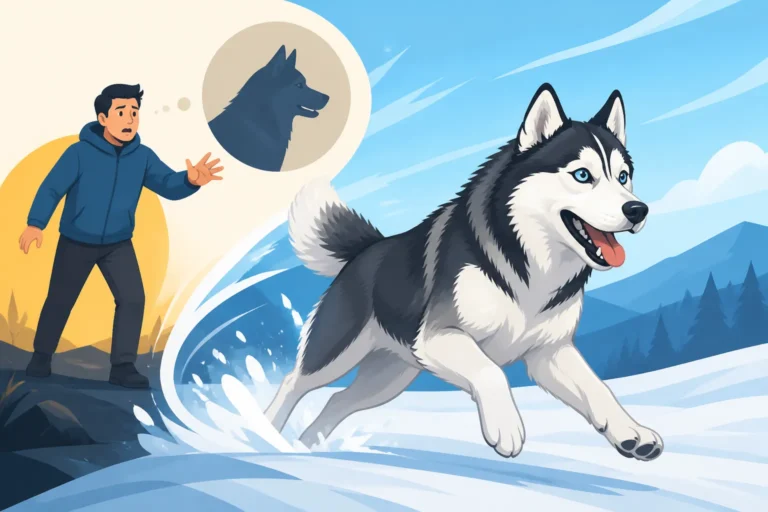
Siberian Huskies are renowned escape artists. Their ancestral instincts drive them to roam vast distances, and a simple fence or open door often won't deter them. This isn't a behavior that develops overnight; it's often present from puppyhood. From day one, assume your Husky will try to escape. Secure your yard with a fence that is at least six feet high, ideally with a way to prevent digging underneath (like an L-footer or buried wire). The Height a Siberian Husky Can Clear might surprise you!
Always supervise your puppy when they are outside, even in a fenced yard. Never leave them unattended. Ensure all gates are securely latched, and consider adding extra locks that are difficult for clever paws to manipulate. When coming and going, practice good "door manners" with your puppy, teaching them to wait patiently rather than bolting out. Microchipping and wearing a visible ID tag are non-negotiable insurance policies, should the unthinkable happen. Prevention and constant vigilance are the keys to keeping your adventurous Husky safely contained.
Channeling the Prey Drive Safely
Siberian Huskies possess a strong prey drive, a natural instinct to chase and capture small, fast-moving objects or animals. This is deeply ingrained in their genetics and cannot be "trained out." It means that introducing your Husky puppy to cats, small dogs, or other small pets requires immense care and constant supervision. Raising a Siberian Husky Puppy Beside a Cat can be a delicate dance, requiring slow, controlled introductions and never leaving them unsupervised.
Instead of trying to suppress this instinct, focus on channeling it safely and appropriately. Engage your Husky in games that simulate hunting, like flirt pole play, retrieving toys, or scent work. These activities allow them to use their natural drives in a constructive way. Always keep your Husky on a leash when outside of a secure, supervised area, especially in places where wildlife or other small animals might be present. This is not just for the safety of other animals, but also for your Husky's own safety, as a chase could lead them into dangerous situations like busy roads. Understanding and managing this powerful instinct is crucial for responsible Husky ownership.
Understanding and Managing Vocalizations
Siberian Huskies are not typically big barkers, but they are incredibly vocal in other ways. They howl, whine, grumble, and "talk" in a wide range of expressive sounds. This is part of their charm, but it can also be a challenge, especially if you live in close quarters with neighbors or have a Husky that vocalizes excessively due to boredom or separation anxiety.
You might find A Siberian Husky That Howls When You Leave to be a common concern. From puppyhood, try to differentiate between joyful communication and distress vocalizations. Address the root cause of excessive howling: is it boredom? Loneliness? Separation anxiety? Ensure they are well-exercised and mentally stimulated before you leave them. Practice leaving them alone for short, increasing periods, starting with just a few minutes, to help them build confidence. While you might not be able to silence their charming "roo-roo-roos," you can teach them when certain vocalizations are appropriate and ensure their needs are met.
Table: Siberian Husky Puppy First Year Milestones & Focus Areas
| Age Range (Approx.) | Key Physical/Mental Milestones | Training Focus | Health & Care Focus | Common Challenges |
|---|---|---|---|---|
| 8-12 Weeks | Adapting to new home, critical socialization window, exploring, rapid growth. | House training, crate training, bite inhibition, name recognition, brief basic commands (sit). | Vet check-up, first vaccinations, deworming, early parasite prevention. | House training accidents, puppy nipping, fear periods, separation anxiety (mild). |
| 3-4 Months | Teething, increased energy & curiosity, growing independence, refining motor skills. | Leash manners, "come," "stay," "leave it," continued socialization, short walks. | Completing puppy vaccinations, continued deworming/parasite prevention, diet adjustments. | Chewing, digging, testing boundaries, high energy, attention span shortening. |
| 5-8 Months | Adolescent growth spurt, hormonal changes (if intact), increased strength & endurance, "rebellious" phase. | Reinforce all basic commands, proofing commands in distractions, introduction to long line, mental enrichment. | Discuss spay/neuter with vet, monitor weight/body condition, continued appropriate exercise. | Ignoring commands, strong prey drive surfacing, increased escaping attempts, destructive behaviors if bored. |
| 9-12 Months | Approaching young adulthood, physical maturity (most breeds), mental maturity still developing, continued independence. | Advanced obedience, polite greetings, continued recall work, dog sports foundations, strong mental stimulation. | Finalizing spay/neuter decision (if applicable), adult food transition, dental care, yearly vet check preparation. | Testing boundaries, continued escape attempts, strong vocalizations, managing intact dog behaviors. |
Disclaimer
This article is for general informational purposes only and does not constitute professional advice. Laws, prices and regulations vary by location and change over time. Consult a qualified professional for guidance on your specific situation.