Why Siberian Huskies Run Rather Than Return
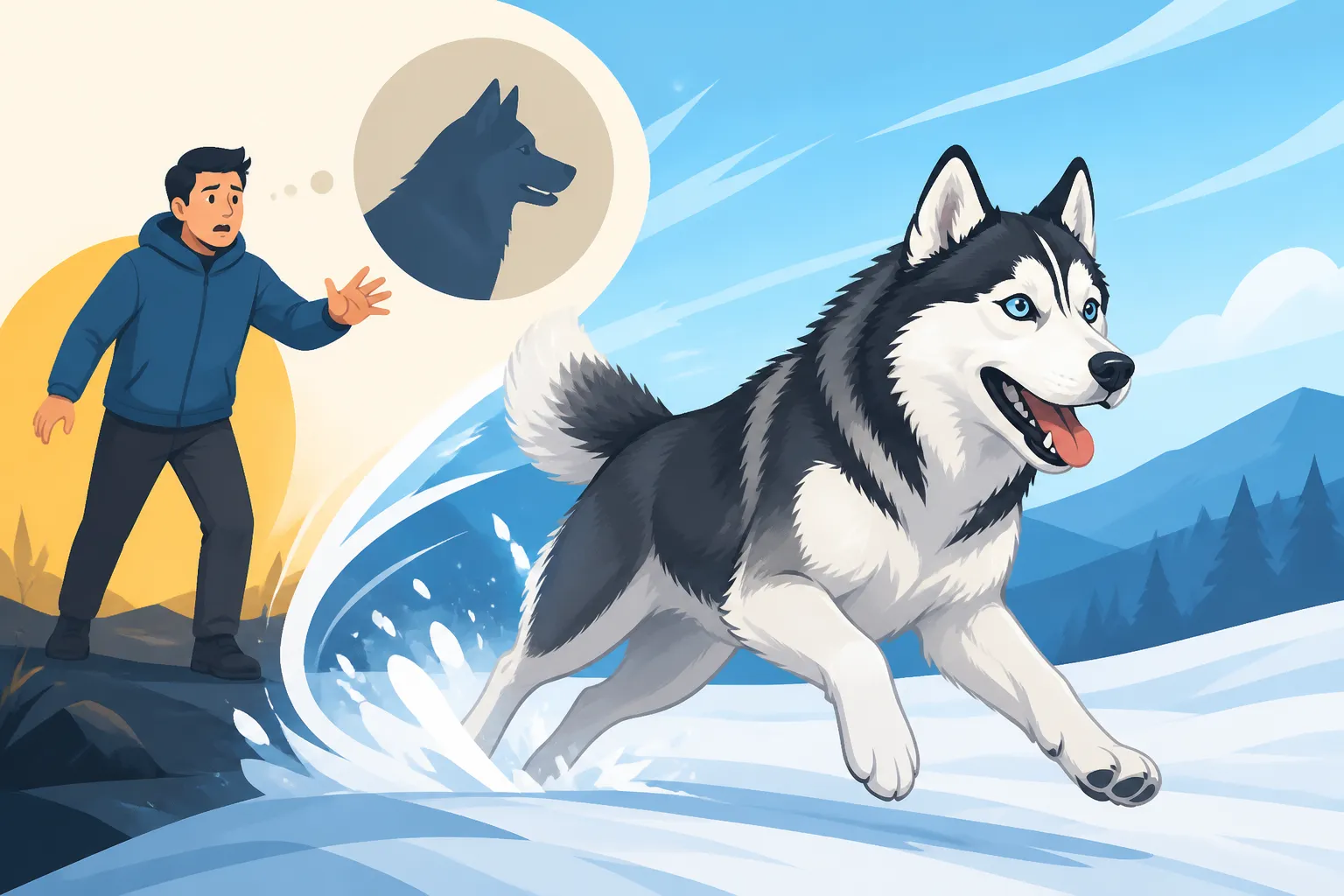
It’s a scenario that strikes fear into the heart of every Siberian Husky owner: you blink, and suddenly your beloved fluffy escape artist is a distant white, black, or grey streak heading for the horizon. The sheer panic, the frantic calls, the sickening realization that they’re not just exploring a bit further, but actively running. This guide is here to unravel the mysteries behind why Siberian Huskies are notorious for running rather than returning, helping you understand their deep-seated instincts and giving you practical, empathetic strategies to keep your furry family member safe and sound.
The Deep-Seated Roaming Instinct in Huskies
If you’ve ever wondered why your Siberian Husky seems to have an innate desire to just go, you’re tapping into centuries of selective breeding. These aren't just pets; they are descendants of incredible endurance athletes built for vast, open spaces.
Ancestral Roots and the Need for Distance
Picture the vast, frozen landscapes of Siberia, where the Chukchi people relied on these dogs for survival. Their sled dogs weren't just pulling heavy loads; they were covering immense distances, day in and day out, often without human direction beyond initial commands. This required an incredible sense of self-reliance, problem-solving, and a physical build perfectly adapted for sustained travel. When your Husky catches a scent or sees an open path, they aren't thinking "escape"; they're simply engaging in the very behavior their ancestors were bred to do. It’s not disobedience in their minds; it’s fulfilling a fundamental drive to travel. The Roaming Instinct Bred Into Every Siberian Husky runs deep, deeper than most other breeds. It’s ingrained in their very DNA to explore and cover ground, and no amount of yard time or leash walks can entirely extinguish that centuries-old programming.
For us modern owners, this can be incredibly frustrating. We offer comfortable homes, delicious food, and loving companionship, yet the siren call of the open road often proves stronger than any bond when the opportunity arises. It’s crucial to understand that this isn't a personal affront; it’s simply a very powerful instinct at play. They aren't trying to leave you; they're trying to explore the world.
The Irresistible Call of Exploration and Scent
Think about your Husky's nose. It's an incredible sensory organ, capable of picking up scents that are completely imperceptible to us. For a Husky, a sudden gust of wind carrying the scent of a squirrel three blocks away, or the lingering odor of another dog that passed by an hour ago, is an irresistible invitation. It's like us seeing a "Free Money Here!" sign on a distant building – most of us would investigate! Their world is rich with olfactory information, and their roaming instinct compels them to follow these scent trails, often without a second thought for the boundaries we humans perceive.
This drive to explore also comes from their history of navigating complex terrain. While our yards might seem exciting to us, they quickly become repetitive to a dog bred to traverse miles of varied landscapes. The novelty of new sights, sounds, and especially smells, is a powerful motivator. A new patch of grass, a different tree, or even just the possibility of a novel experience beyond the fence line can trigger that "adventure mode" in an instant.
More Than Just "Running Away"
It's tempting to think of a bolting Husky as "running away," implying they are unhappy or disloyal. This couldn't be further from the truth. In most cases, a Husky isn't running from you; they are running to something more interesting. This distinction is vital for understanding their behavior and developing effective management strategies. They aren't driven by fear or malice, but by curiosity, prey drive, and that ingrained desire for locomotion.
This can be a hard pill to swallow for owners who feel a deep emotional bond. It feels like a betrayal when your dog ignores your frantic calls and disappears. However, shifting your perspective to acknowledge their intrinsic nature helps you move past the emotional response and focus on preventative measures. Their joy comes from the act of running, the pursuit, the exploration. It’s a primal satisfaction that is often difficult for us to compete with, especially if we haven't given them adequate outlets for these drives.
Why Traditional Recall Often Fails with a Siberian Husky
Many owners come from backgrounds with other breeds where a solid recall is a given. With a Siberian Husky, you quickly learn that the rules are a little different. What works for a Labrador or a Golden Retriever often falls flat with a Husky.
Independence Over Instant Obedience
Siberian Huskies were never bred to be biddable, eager-to-please partners in the same way many herding or retrieving breeds were. Their role as sled dogs required them to think for themselves, to make decisions on the trail, and sometimes, to ignore the musher's commands if it meant avoiding danger. This cultivated an independent streak that is a hallmark of the breed. When you call your Husky and they ignore you, it's often not because they don't understand, but because they're weighing their options: "Should I come back to Mom/Dad for a treat, or should I continue investigating this amazing new smell/sight?" More often than not, the latter wins.
This independence is part of their charm, but it's also their biggest challenge in off-leash situations. They aren't naturally inclined to perform a task simply to please you if there's a more stimulating alternative available. This means that building a reliable recall requires a deep understanding of what does motivate them and how to make you the most rewarding option in any given scenario. Why Siberian Huskies Look Stubborn Rather Than Slow often comes down to this independent decision-making process.
The Environmental Distraction Advantage
Imagine being engrossed in a thrilling movie, and someone calls your name from the other room. You might acknowledge them, but your primary focus remains on the screen. For a Husky, the entire world is that thrilling movie. The rustling leaves, the distant barking dog, the fleeting shadow of a bird, the exciting scent of another dog's urine mark – these are all incredibly captivating. Your voice, while important to them, often gets drowned out or relegated to background noise when the "movie" gets really good.
This isn't malicious, it's just how their senses prioritize information. Their survival instincts, once geared towards finding food or following a trail, now manifest as an overwhelming curiosity about their surroundings. Because their ears are designed to pick up faint sounds from afar, they are also incredibly adept at filtering out sounds they deem less important, like your frantic yells. Trying to compete with the sheer sensory overload of the outdoors requires a recall command that is exceptionally strong, well-practiced, and consistently reinforced with something truly irresistible.
Understanding Their Unique Motivators
Unlike some breeds that thrive on praise alone, most Huskies require tangible, high-value rewards to truly motivate them, especially when distractions are high. A dry kibble or a simple "good boy!" often isn't enough to pull them away from a compelling scent or a potential chase. You need to become a walking jackpot. This means hot dogs, cheese, cooked chicken, or specialized high-value training treats. The higher the distraction, the higher the value of the reward needs to be.
Furthermore, training with a Husky isn't about brute force or endless repetition of boring drills. It needs to be engaging, fun, and feel like a game. If training becomes a chore, their independent nature will cause them to disengage quickly. Brands like BAXTER & Bella, which offer comprehensive online training programs, often emphasize positive reinforcement and engaging methods that cater to a dog's natural drives, which can be invaluable for working with a breed like the Husky. They focus on making you the most rewarding part of their environment.
Common Escape Routes and How Huskies Exploit Them
Huskies are legendary escape artists, and it's not just an urban legend. They possess a unique combination of intelligence, agility, and determination that allows them to bypass many common containment methods.
The Limitations of Standard Fencing
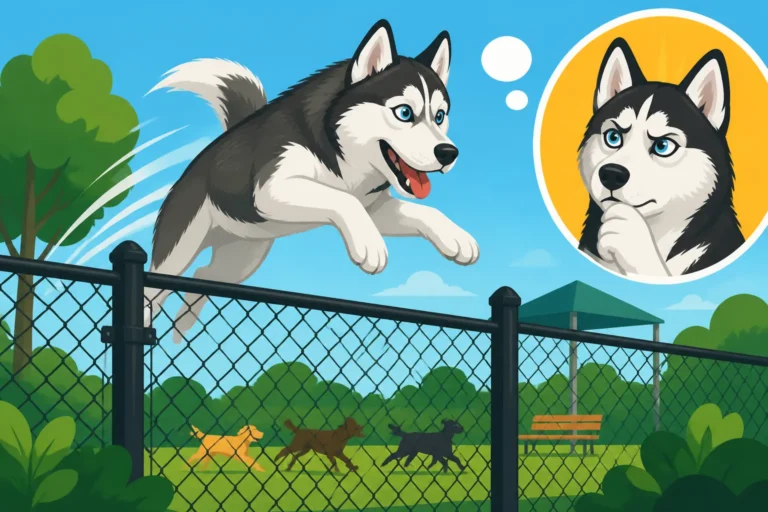
A standard four or five-foot fence, while sufficient for many breeds, is often a mere suggestion for a determined Siberian Husky. Their athletic build allows them to clear impressive heights with a running start or even a standing jump. But jumping isn't their only trick. They are also adept climbers. Chain-link fences become ladders, and even wood fences can be scaled if there's a foothold. I've heard countless stories of Huskies using everything from stacked firewood to flimsy trash cans as launchpads to freedom. Six-Foot Fences and the Siberian Husky That Climbs are a common topic among Husky owners because anything less often proves inadequate.
Then there's the digging. Huskies have powerful paws and a natural inclination to dig dens or simply excavate for fun. A fence without an "L-footer" or buried wire is an open invitation for them to tunnel their way out. They can be incredibly fast and efficient diggers, and a bored Husky can create an escape tunnel in surprisingly little time. Many owners return home to find a perfect Husky-shaped hole under the fence line, a clear sign of their industrious nature. Stopping a Siberian Husky Digging Along the Fence is a full-time job if you don't build correctly from the start.
The Myth of the Invisible Fence for Huskies
If you’re considering an invisible or electronic fence for your Siberian Husky, I implore you to reconsider. While these systems might work for some breeds that are more sensitive to correction or more biddable, they are notoriously ineffective for Huskies. The core issue is that the desire to roam, chase, or explore often outweighs the temporary discomfort of the static correction. A Husky will take that zap, perhaps yelp, and keep right on going if the distraction on the other side is compelling enough. Once they've learned they can push through the boundary, they often won't respect it coming back in either. Why Invisible Fencing Does Not Hold a Siberian Husky is a critical lesson many learn the hard way.
Not only are they often ineffective, but they can also cause significant behavioral problems. A Husky might associate the painful correction not with crossing the boundary, but with whatever was outside the boundary – a child, another dog, or a specific spot in the yard. This can lead to fear, anxiety, and even aggression. For a breed that thrives on mental and physical stimulation, the frustration of being constantly corrected for natural exploration can be detrimental to their overall well-being.
Door Dashing and Gate-Cracking Expertise
Huskies are masters of opportunity. An open door, even for a split second, is an invitation to bolt. They are fast and agile, capable of slipping past you before you even register what's happening. This isn't just about a front door; it applies to car doors, gates, and even crates if not properly secured. They learn quickly, observing how latches work, and some have even been known to manipulate simple gate mechanisms or door handles.
The key to preventing this is constant vigilance and proactive training. Every entry and exit point needs to be treated as a potential escape route. Training a "wait" or "stay" command at doorways, always keeping them on a leash when opening a gate to an unsecured area, and double-checking all latches and locks become second nature for Husky owners. It's not paranoia; it's just good Husky management.
Proactive Prevention: Building a Secure Environment
Given their innate drives and Houdini-like tendencies, prevention is truly the best medicine when it comes to keeping your Siberian Husky safely contained. This isn't about stifling their spirit, but channeling it responsibly.
Fortifying Your Physical Barriers
Let's talk about fences. For a Siberian Husky, a minimum six-foot fence is almost non-negotiable, and even then, many owners opt for eight feet. The material matters, too. Smooth, vertical panels on a wood fence are harder to climb than chain link. If you have chain link, consider adding "coyote rollers" to the top – spinning bars that prevent them from getting purchase to climb over.
Critically, you must address the digging. Burying chicken wire or a similar mesh along the bottom of your fence, extending it at least 18-24 inches down and then turning it outwards (an L-footer) is one of the most effective ways to deter tunneling. Another option is to pour a concrete footer along the entire fence line. Regularly inspect your fence for weak spots, loose boards, or areas where the ground has eroded, creating new escape opportunities. Think like a Husky: where would you try to get out?
If your Husky is a particularly determined climber or digger, a fully enclosed kennel run within your main yard, constructed with heavy-duty materials, can provide a secure space for times when you cannot supervise them directly. Just ensure it's built to withstand their efforts and offers plenty of shade and water.
Harnessing the Power of Long Lines
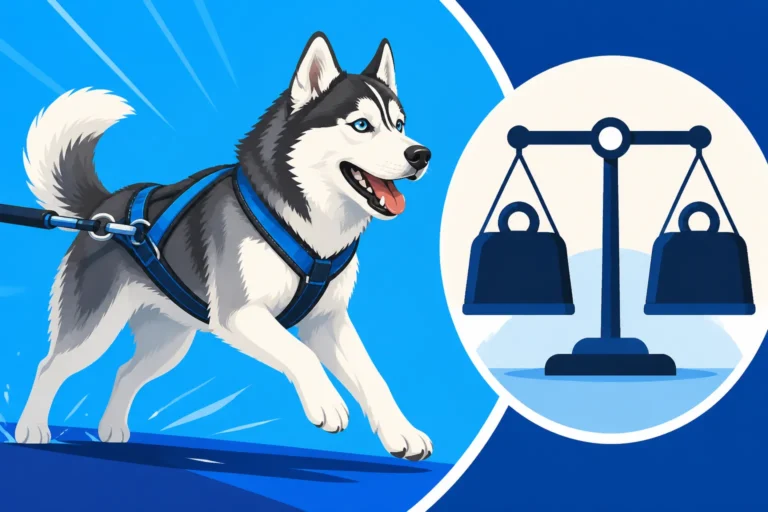
Since off-leash reliability is often a pipe dream for Huskies, the long line becomes your best friend. A long line (15 to 50 feet) allows your Husky to explore and run with a sense of freedom, while still giving you control. It's a fantastic tool for practicing recall in a safe, open area like a park or field, without the risk of them bolting. You can let them drag it, or you can hold the end, always ready to step on it or reel them in.
When choosing a long line, opt for durable, weather-resistant materials. Nylon or biothane are excellent choices. Avoid thin ropes that can cause rope burn if they run at full speed and you grab it suddenly. You can find a wide variety of long lines on Amazon, ensuring you get one that suits your Husky's size and your activity level. Remember, this isn't just a training tool; it's a management tool that allows your Husky to safely express their need for movement. Starting Long Line Work With a Siberian Husky is a game-changer for many owners.
Investing in Escape-Proof Gear
Beyond your fence, your Husky's everyday gear is paramount. A standard flat buckle collar is easily slipped by a determined Husky if they pull backward. Martingale collars, which tighten slightly when pulled, are a much safer option for walks, as they prevent the collar from slipping over their head without choking them. Even better, many Husky owners use a well-fitting harness, ideally one with both front and back clips, for walks. A front-clip harness can also help reduce pulling.
Double-check the security of leashes and clips. Spring-loaded clips can sometimes fail under extreme force or get snagged and opened. Consider leashes with locking carabiner clips for added security, especially if your Husky is a strong puller or prone to lunging. It might seem excessive, but one small failure in equipment can lead to a lifetime of regret.
Mastering the Husky-Specific Recall
Given everything we've discussed about their independence and powerful instincts, you might feel like a reliable recall for a Husky is impossible. It's not, but it requires a different approach, a lot of patience, and a deep understanding of what truly motivates them.
High-Value Rewards and Game-Based Training
Forget boring kibble. When teaching a Siberian Husky recall, you need to pull out the big guns. Think small pieces of cooked chicken, cheese, hot dogs, or high-quality commercial training treats they absolutely adore. The reward needs to be so good that it makes the squirrel, the scent, or the other dog seem less appealing, even for a moment. Rewards That Beat the Siberian Husky Chase Instinct are often stinky, soft, and easy to eat quickly.
Beyond treats, make recall a game! Don't just drill "come." Play hide-and-seek in the yard, call them enthusiastically, then throw a party when they get to you. Run away from them when you call, making yourself seem like the most exciting thing in the world. Vary your tone, use a happy, excited voice. Make it a positive, rewarding experience every single time they choose to come to you. The BAXTER & Bella online puppy school, for instance, often incorporates playful techniques that encourage engagement and build a strong foundation of positive association.
Consistency and Proofing in Varied Environments
You can’t just train recall in your quiet living room and expect it to hold at a bustling park. You need to "proof" your recall, gradually introducing distractions and practicing in increasingly challenging environments. Start in your securely fenced yard with minimal distractions, then move to a quiet park on a long line. As your Husky’s reliability improves, slowly introduce more distractions, always ensuring you're setting them up for success.
Consistency is key. Everyone in the household needs to use the same recall word and offer similar high-value rewards. If recall is only sometimes rewarded, or if it's sometimes used for something unpleasant (like ending playtime), your Husky will learn to ignore it. A recall should always be a positive event, no matter what. If you need to grab your Husky for a vet visit, go get them rather than using your recall word to lure them into an unpleasant situation. This preserves the power of your recall command for true emergencies. Practicing Siberian Husky Recall in a Fenced Field is an excellent intermediate step.
Professional Help When You Need It
Sometimes, despite your best efforts, you might feel like you're hitting a wall. That's okay! Siberian Huskies are challenging, and there's no shame in seeking professional guidance. A good positive reinforcement dog trainer who has experience with northern breeds can provide invaluable insights and help you tailor a training plan specifically for your Husky's personality and drives. They can help you identify triggers, refine your rewards, and teach you advanced techniques to build a more reliable recall.
Don't wait until your Husky has had multiple escapes to seek help. Early intervention is always better. A professional can help you build the foundation of trust and motivation needed to overcome their strong instincts and help you both live a safer, happier life together.
What to Do When Your Husky Does Bolt
It's every Husky owner's nightmare, but it happens. Despite all your precautions, your Husky might get out. Knowing what to do in those terrifying moments can significantly increase your chances of a safe reunion.
The Critical "Do Not Chase" Rule
This is perhaps the single most important piece of advice: do not chase your Siberian Husky. Their entire being is designed to run, and if you chase them, you are simply engaging them in their favorite game. To them, it's a fun game of tag; to you, it's a heart-stopping race against time. Chasing often makes them run faster and further, pushing them into more dangerous situations. Why Chasing a Loose Siberian Husky Makes It Worse is a lesson learned by many, and it's vital to understand the psychology behind it.
Instead of chasing, turn and run the opposite way, making excited, happy noises. Most Huskies, being curious and somewhat "pack-oriented" in their own independent way, will often turn to see what you're doing and may even chase you. This unexpected behavior can break their focus on their escape and redirect it back to you. If they follow, praise them enthusiastically and offer those high-value treats when they get close.
Strategic Retrieval: Luring Them Back
If running the opposite way doesn't work, try to get their attention by dropping to the ground, making yourself small and non-threatening. Clap your hands, make funny noises, or pretend to find something incredibly delicious on the ground (then immediately offer them a high-value treat when they approach). If you have another dog, especially one your Husky is bonded with and that has a reliable recall, use them as a decoy. Call the other dog, reward them lavishly, and your Husky might come investigate the "party."
Always carry high-value treats on walks. A tempting treat might be enough to lure them close enough to grab their collar. If you know their favorite toy, wave it around or squeak it to grab their attention. Be patient, calm, and try not to show your panic, as they can pick up on your stress and become even more wary or excited. Getting a Loose Siberian Husky to Come to You often requires outsmarting them rather than direct confrontation.
Utilizing Technology for Recovery
While prevention is key, technology can be a vital backup. A well-fitting, secure collar with up-to-date ID tags is non-negotiable. Microchipping your Husky and keeping your registration information current is also crucial, as it’s often the first thing shelters and vets check.
For an added layer of security, consider a GPS tracker that attaches to their collar. Brands like Fi or Tractive offer real-time location tracking, allowing you to see exactly where your Husky is, which can be invaluable in a search and rescue situation. While these don't prevent escapes, they dramatically improve the chances of a quick and safe recovery. Imagine the relief of seeing a dot on a map leading you directly to your beloved, misguided adventurer! You can find many reliable options for GPS collars on Amazon. These devices can save you countless hours of frantic searching and offer incredible peace of mind for an escape-prone breed like the Husky.
Disclaimer
This article is for general informational purposes only and does not constitute professional advice. Laws, prices and regulations vary by location and change over time. Consult a qualified professional for guidance on your specific situation.