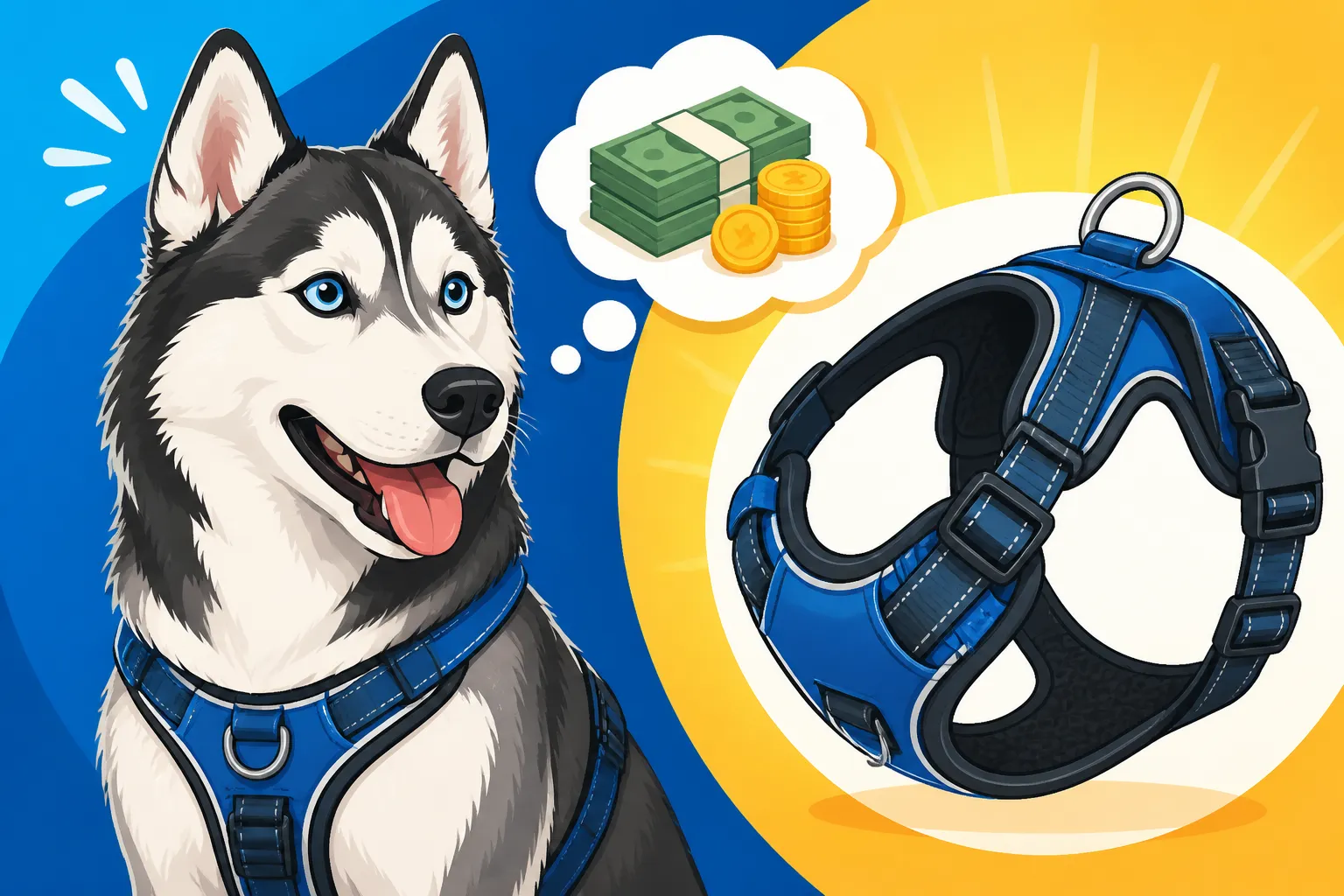
What a Siberian Husky Harness Costs
Bringing a Siberian Husky into your life is an incredible adventure, full of boundless energy, charming antics, and unfortunately, often a powerful instinct to pull on the leash. Many new husky owners quickly realize that a standard collar just isn't cutting it, and their arms are getting a serious workout they didn't sign up for! This guide is here to break down the ins and outs of harness costs for your Siberian Husky, helping you understand the different types, what makes them tick, and how to budget for the best option to make those walks a pleasure instead of a tug-of-war.
Decoding Siberian Husky Harness Types and Their Price Points
When you start looking for a harness for your Siberian Husky, you'll quickly discover it's not a one-size-fits-all world. There are several main types of harnesses, each designed with different purposes in mind, and their complexity, materials, and specialized features directly impact their price. Understanding these differences is key to making an informed choice that works for both your husky and your wallet.
Standard Back-Clip Harnesses
These are perhaps the most common harnesses you'll see. The leash attaches at the dog's back, usually between the shoulder blades. They are generally straightforward in design, often made of nylon webbing, and can range from quite inexpensive to moderately priced depending on the brand and materials. For a Siberian Husky, a simple back-clip harness can work well if your dog is already a good loose-leash walker or if you're primarily using it for car safety or identification.
However, a critical point for Siberian Huskies is that these harnesses don't do much to discourage pulling. In fact, for a dog bred to pull sleds, a back-clip harness can sometimes encourage that natural instinct by allowing them to lean into it with their full chest and shoulders. Many husky owners find themselves still being dragged down the street, feeling that familiar strain on their shoulder. While the initial cost might be lower, if it doesn't solve your pulling problem, you might end up spending more later on training or another harness type. Think of it as a comfortable walking vest, but not necessarily a training tool for a powerful puller.
Front-Clip or No-Pull Harnesses
Now we're getting into harnesses specifically designed to help manage that famous husky pulling power. Why a Siberian Husky Pulls Harder in a Harness is often because of how the force is distributed. Front-clip harnesses have the leash attachment point on the dog's chest. When your husky pulls, instead of digging in and gaining momentum, the leash redirects them gently to the side, turning their body back towards you. This makes it much harder for them to pull forward with full force and discourages the behavior over time.
These harnesses often feature additional padding, more adjustment points to ensure a secure fit, and durable hardware to withstand repeated redirection. Because of their specialized design and the engineering that goes into making them effective and comfortable, they tend to be in a moderate to higher price range than basic back-clip options. Brands like Easy Walk or Freedom No-Pull Harnesses are popular choices in this category, and you'll find a wide selection available on sites like Chewy. Many husky owners swear by these as a game-changer for daily walks, turning a frustrating experience into something enjoyable. For more on this, check out Front-Clip Harnesses on a Siberian Husky.
Padded and Training Harnesses
Beyond just front or back clips, some harnesses offer enhanced features for comfort or specific training needs. These often include extra padding on the chest and straps, reflective stitching for night visibility, or multiple leash attachment points (both front and back) for versatility. While a basic no-pull harness is designed to discourage pulling, a padded harness aims to make the experience more comfortable for the dog, especially during longer walks or if they have sensitive skin.
For a robust breed like the Siberian Husky, thicker webbing and more substantial buckles are important, adding to the manufacturing cost and thus the price. A well-designed padded harness can prevent chafing, which is a common concern with energetic dogs. Some training harnesses might also incorporate features for specific types of behavior modification, like those with gentle pressure points (though these are less common for general walking and more for specialized training with a professional). These harnesses will generally fall into the mid to high-end of the price spectrum, offering a blend of comfort, durability, and sometimes specialized functionality.
Specialized Sport or Working Harnesses
If you're thinking about activities beyond casual walks, like canicross, bikejoring, or even recreational sledding, you'll need a specialized sport harness. These are fundamentally different from walking harnesses because they are designed to allow a dog to pull comfortably and efficiently without restricting their stride or breathing. They distribute pressure evenly across the chest and shoulders, allowing your husky to do what they were bred for without injury.
These harnesses are built with incredibly durable, often weather-resistant materials, specialized padding, and ergonomic designs to accommodate a full range of motion under load. The construction is heavy-duty to withstand significant force and wear. Because they are niche products, often made by specialized manufacturers (sometimes smaller, independent companies with a focus on working dogs), they carry a higher price tag. This isn't just about the materials; it's also about the specialized design and testing that goes into ensuring safety and comfort for high-impact activities. If you plan to introduce your husky to harness sports, investing in a proper, purpose-built harness is non-negotiable for their well-being and performance. Canicross Belts for Running a Siberian Husky would be an example of this category.
What Drives the Cost of a Quality Siberian Husky Harness
It's easy to look at two harnesses that appear similar and wonder why one costs significantly more than the other. The price difference usually boils down to several key factors that impact the harness's durability, comfort, effectiveness, and overall lifespan. Investing a little more upfront often means a better experience for both you and your husky in the long run.
Material Quality and Construction
This is perhaps the biggest factor. Cheaper harnesses might use thinner nylon webbing, plastic buckles, and less robust stitching. While these can work for a small, calm dog, a powerful Siberian Husky can quickly put them to the test. A Husky's strength and tendency to pull mean stress on every seam and buckle.
Higher-quality harnesses use:
- Thicker, Denser Webbing: Often made of durable nylon or polyester, which resists fraying and stretching.
- Metal Hardware: Instead of plastic, you'll find metal buckles and D-rings. These are far more resilient against breaks, especially with a dog that lunges or pulls with force. This is crucial for Holding a Siberian Husky That Outweighs Your Grip.
- Reinforced Stitching: Bar-tacks and multiple lines of stitching ensure that pressure points hold up over time.
- High-Quality Padding: Breathable, comfortable padding (often neoprene or fleece) protects your husky's fur and skin from chafing, especially under the armpits and across the chest. This is particularly important for dogs that pull consistently or spend extended time in their harness.
Imagine trying to hold back a freight train with a flimsy rope versus a strong cable. The cable, representing a well-constructed harness, is going to cost more because the materials and manufacturing process are designed for that level of force and wear.
Brand Reputation and Research & Development
Established brands often have a higher price point, and there's usually a good reason for it. They've invested years, sometimes decades, into research and development to create designs that are ergonomically sound, effective, and durable. They test their products rigorously, incorporating feedback from trainers, vets, and dog owners. This means you're not just paying for the materials; you're paying for the expertise and proven track record that went into designing a product that actually works as intended for a specific purpose, like effective no-pull training for strong dogs.
Lesser-known or generic brands might offer lower prices, but they might not have the same level of investment in design, quality control, or customer support. For a Siberian Husky, a breed known for its Houdini-like escape artistry and strength, relying on an unproven brand can be risky. You want a harness that you can trust will keep your dog secure and comfortable, and often, that assurance comes with a recognized brand name.
Features and Adjustability
The more features a harness boasts, the more it's likely to cost. Features like:
- Multiple Adjustment Points: A harness that can be adjusted in several places (neck, chest, girth) will provide a more customized and secure fit, which is essential for preventing chafing and escapes.
- Reflective Strips: Important for safety during low-light walks, adding to the cost.
- Handle on the Back: A grab handle can be invaluable for quickly managing your husky in unexpected situations, such as when they see a squirrel or another dog.
- Specialized Buckles: Some harnesses feature extra-secure buckles, like those with side releases that require two actions to open, providing an added layer of security.
- Front and Back Leash Attachments: This versatility allows you to switch between no-pull training and a more traditional walk, or even to use a double-ended leash for maximum control.
Each of these features adds to the manufacturing complexity and material cost. For a Siberian Husky, whose unique body shape and dense coat require a precise fit, and whose strength demands maximum security, these additional features aren't just luxuries; they're often necessities that contribute to a safer, more comfortable, and more effective walking experience.
Table: Harness Type Comparison for Siberian Huskies
Here's a quick look at the typical characteristics and relative cost shapes for different harness types suitable for Siberian Huskies:
| Harness Type | Primary Use | Key Features | Effectiveness for Pulling Huskies | Typical Cost Shape |
|---|---|---|---|---|
| Standard Back-Clip | Identification, car safety, calm walkers | Simple webbing, back D-ring | Low (can encourage pulling) | Low to Moderate |
| Front-Clip (No-Pull) | Pulling discouragement, training | Chest D-ring, multiple adjustments, often padded | High (redirects forward motion) | Moderate to High |
| Padded Walking | Comfort for general walking | Extra padding, reflective, durable webbing | Moderate (depends on clip location) | Moderate |
| Specialized Sport | Canicross, bikejoring, sledding | Ergonomic design, heavy-duty materials, specific load distribution | Designed to allow pulling safely | High to Premium |
Finding the Right Harness for Your Siberian Husky: Budget vs. Durability
Choosing the right harness for your Siberian Husky isn't just about the initial price tag; it's about finding the sweet spot between what you can afford and what will genuinely stand up to your husky's strength and provide the necessary control and comfort. Skimping too much can lead to a false economy, where you end up replacing cheap harnesses frequently or struggling with an ineffective tool.
Where to Purchase Harnesses and Expected Ranges
You have a few main avenues for buying a husky harness, each with different price implications.
- Large Pet Retailers (Online and Brick-and-Mortar): Stores like Petco, PetSmart, and online giants like Chewy offer a vast selection. You can find everything from basic nylon harnesses in the lower price range to well-known no-pull brands and more durable walking harnesses in the moderate to high price range. The convenience of browsing many options and reading reviews is a huge plus. Expect to see prices reflecting a wide spectrum of quality and features. Chewy, for instance, has a comprehensive range, often with customer reviews that specifically mention how products perform with strong pullers or specific breeds.
- Specialty Dog Stores: These shops, both local and online, often cater to working breeds or offer high-end, durable gear. They might carry sport-specific harnesses or brands known for their exceptional quality and craftsmanship. While the prices here will generally be higher, the staff are usually very knowledgeable and can offer personalized advice, which can be invaluable when fitting a powerful dog like a husky.
- Online Marketplaces: Sites like Amazon offer countless options, including many budget-friendly choices. However, buyer beware: quality can vary wildly. It's essential to scrutinize reviews and product descriptions carefully, especially for durability claims. A harness might look great in a photo, but if it's made with flimsy plastic clips or weak stitching, it won't last long against a determined Siberian Husky. While you might find a great deal, there's a higher risk of ending up with an inadequate product.
When comparing prices, always consider the warranty or return policy. A reputable brand or retailer will stand behind their product, offering peace of mind that your investment is protected if the harness fails prematurely under normal use.
The Trade-Off Between Initial Cost and Longevity
This is where the rubber meets the road. A cheaper harness might save you money today, but if it breaks in a few months, or if it's so ineffective that you end up buying another, more expensive one anyway, you haven't really saved anything. Furthermore, an ineffective harness can perpetuate pulling behavior, leading to frustration and potentially even injuries for you or your dog.
Consider the following scenarios:
- Scenario 1: The Bargain Bin Harness. You find a harness for a low price. It seems fine for a few weeks, but then the stitching starts to fray where your husky pulls most, or a plastic buckle cracks after a sudden lunge. Now you're back to square one, needing to buy another harness, plus dealing with the stress of an insecure leash attachment. This is a common pitfall for owners of strong breeds.
- Scenario 2: The Mid-Range Workhorse. You invest in a well-regarded front-clip harness. It costs a bit more upfront, but it's made with sturdy nylon, metal hardware, and good padding. It effectively discourages pulling, and with consistent training, your walks become much more manageable. The harness lasts for years, showing only cosmetic wear. This investment pays off in peace of mind, improved walks, and less frequent replacement. Siberian Husky Leash Work Against a Pulling Instinct becomes much easier with the right tools.
For a Siberian Husky, a breed known for both its strength and its potential for destructive behavior when bored or frustrated (see Siberian Husky Destruction When Left Alone), durability isn't just a convenience – it's a necessity. A harness that fails could mean a lost dog, which brings its own host of costs and anxieties (What Losing a Siberian Husky Costs).
The Long-Term Economics of Harness Ownership for Your Siberian Husky
Thinking about a harness isn't just a one-time purchase decision. It's part of the ongoing cost of responsible Siberian Husky ownership. Considering the long-term implications, including replacement frequency, the potential costs of an inadequate harness, and how a good harness integrates with training, can help you make the best financial and practical choice.
When to Replace a Siberian Husky Harness
Even the best-made harnesses won't last forever, especially with an active Siberian Husky. Knowing when to replace it is crucial for your dog's safety and comfort.
Look for these signs:
- Frayed Webbing: Any part of the harness that shows significant fraying, especially near buckles or D-rings, is a weak point waiting to fail.
- Cracked or Damaged Hardware: Plastic buckles can crack from impact or age. Metal rings can bend or become corroded. Any damage here compromises the harness's ability to keep your dog secure.
- Stretched or Misshapen Fabric: If the harness no longer fits snugly or has stretched in places, it might be uncomfortable for your dog or allow them to slip out. Huskies are notorious for their ability to escape from ill-fitting gear.
- Padding Breakdown: If the padding is compressed, torn, or no longer provides cushioning, it can cause chafing or discomfort.
- Beyond Cleaning: Sometimes a harness just gets too dirty or smelly to adequately clean, especially after countless adventures.
The frequency of replacement will depend heavily on the initial quality of the harness, how often it's used, the intensity of that use (e.g., daily long hikes vs. occasional short walks), and your husky's individual habits (e.g., chewing on their gear). A well-made harness might last several years, while a cheaper one could need replacing every few months. This is why a moderate upfront investment often saves money in the long run.
The Hidden Costs of an Inadequate Harness
Choosing a harness that's too cheap or poorly designed can lead to a cascade of other problems, each with its own associated costs.
- Vet Bills for Injuries: A poorly fitting harness can cause chafing, skin irritation, or even orthopedic issues if it restricts movement or puts pressure in the wrong places. If your husky slips out of a harness, they could run into traffic or get into a fight with another animal, leading to emergency vet visits. Siberian Husky Deaths From Trauma and Escape is a stark reminder of these risks.
- Training Costs: If your harness isn't effective at curbing pulling, you might spend more on private training sessions or specialized group classes to address the behavior. While training is always recommended, a good harness is a tool that supports and enhances those efforts, not replaces them.
- Replacement Costs (The Cycle of Cheap): As discussed, constantly buying low-cost, low-quality harnesses adds up. You might spend more over two years replacing four cheap harnesses than you would on one high-quality, durable one.
- Lost Dog Search and Recovery: A harness failure can mean your husky gets loose. The emotional cost is immense, but there are also potential financial costs for printing flyers, offering rewards, or fines if your dog is picked up by animal control (What a Lost Siberian Husky Costs to Recover). Why an Escaped Siberian Husky Is a Health Risk is another important consideration here.
Harnesses as an Investment in Training and Well-being
Ultimately, a good harness for your Siberian Husky is an investment in their training, safety, and overall well-being. It's a tool that facilitates better walks, reduces stress on both ends of the leash, and supports a healthy, active lifestyle.
By choosing a harness that's appropriate for your husky's strength and activity level, and by integrating it with consistent positive reinforcement training, you're setting yourselves up for success. This isn't about throwing money at a problem, but rather making a thoughtful decision that maximizes your chances of enjoying many happy, controlled walks with your magnificent, spirited companion. From navigating city sidewalks to enjoying expansive trails, the right harness can truly transform your experience.
Disclaimer
This article is for general informational purposes only and does not constitute professional advice. Laws, prices and regulations vary by location and change over time. Consult a qualified professional for guidance on your specific situation.