Flooring That Survives Siberian Husky Nails
Anyone who has ever lived with a Siberian Husky knows that while they are magnificent, affectionate, and endlessly entertaining, they also come with a unique set of challenges that can test the durability of even the most well-built home. One of the biggest battles many of us face is keeping our floors from looking like a well-worn sled trail. This guide is here to walk you through why Huskies are so tough on flooring and help you discover the best flooring options that can truly stand up to their spirited nature, energetic paws, and enthusiastic adventures, both inside and out.
The Challenge: Why Siberian Huskies Are So Tough on Floors
Let's be real: living with a Husky is an exercise in managing chaos, albeit adorable chaos. These dogs aren't just pets; they're forces of nature in your living room. And your floors? They're often the first casualties in the daily saga of Husky life. It's not just one thing that causes the wear and tear; it's a combination of their physical traits and their deeply ingrained instincts. Understanding these factors is the first step toward choosing flooring that can truly endure.
Their Nails and Their Drive
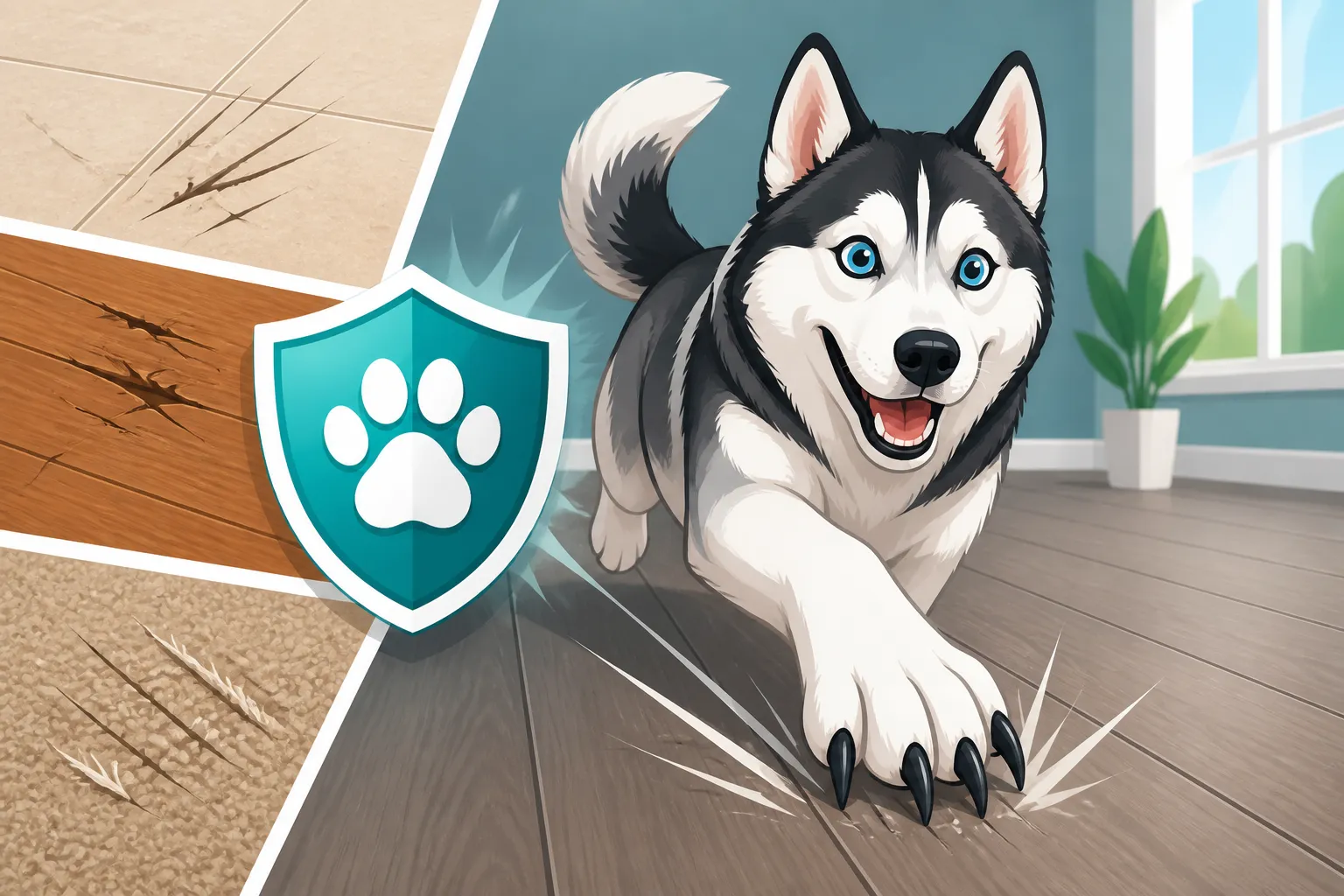
Siberian Huskies are built for endurance and speed. Their paws are perfectly adapted for gripping and moving over varied terrains, and their nails, even when diligently trimmed, are naturally strong and constantly growing. Unlike some breeds, Huskies aren't typically gentle walkers indoors. They tend to have bursts of energy, sudden changes in direction, and an overall exuberance that means their nails are constantly digging, gripping, and sliding across surfaces.
Even if you're meticulous about keeping your Husky's nails short – which, let's face it, is a monumental task with their thick, dark nails – the sheer force and frequency with which they interact with your floor can cause significant damage. Imagine a fifty-pound dog suddenly deciding to chase a dust bunny across the living room or doing a happy dance when you come home; each quick pivot or joyous leap can leave its mark. The cumulative effect of these daily interactions, even from Siberian Husky Nails and How Thick They Get that seem reasonable, is what truly tests the resilience of your flooring. It’s not just about sharp points; it’s about consistent, powerful contact.
Digging and Chewing Instincts
One of the most endearing, yet sometimes frustrating, traits of a Siberian Husky is their love for digging. While we often associate this with tearing up the backyard, this instinct can absolutely manifest indoors. A bored Husky, a stressed Husky, or even a Husky simply trying to get comfortable, might attempt to "dig" a nest into your carpet, or scratch persistently at a hard floor surface. This isn't malicious; it's instinctual. They might try to create a cooler spot, or simply relieve pent-up energy.
Beyond digging, Huskies, especially younger ones, can be prodigious chewers. This isn't just a puppy phase; adult Huskies who aren't sufficiently exercised or mentally stimulated can turn to chewing as an outlet. While furniture edges and shoe baskets are common targets, flooring, especially softer types or the edges of planks, can become a target. A Husky might gnaw at a loose piece of laminate, worry a corner of vinyl, or even try to chew through carpet, particularly if they are experiencing Siberian Husky Destruction When Left Alone. These behaviors require careful management through training and enrichment, but having a floor that can withstand the occasional "oops" moment is invaluable.
Water, Mud, and Shedding, Oh My!
Siberian Huskies are not particularly known for excessive drooling, but spills happen. Water bowls get knocked over, especially by playful paws. They come in from outside, even after a quick rain, and track in mud, snowmelt, or general dampness. Their double coats, designed to keep them warm in frigid temperatures, are phenomenal at collecting debris. Every single outdoor adventure, from a walk around the block to a full-on muddy trail run, inevitably brings a bit of the outside in.
And then there's the shedding. Oh, the shedding! If you own a Husky, you're intimately familiar with the concept of a "coat blow." Twice a year, sometimes more, your Husky will shed an almost unbelievable amount of undercoat, creating what can only be described as tumbleweeds of fur rolling across your floor. Even between these major sheds, they are consistent, moderate shedders. This fur, especially when wet, can clump and stick to certain floor types, making cleaning a daily, sometimes hourly, chore. The combination of tracked-in moisture, occasional spills, and constant shedding means your floors need to be not only durable but also incredibly easy to clean and resistant to moisture. For more on managing this, check out Siberian Husky Coat Blow and the Six Weeks It Lasts.
Understanding Different Flooring Types: Pros and Cons for Husky Homes
When it comes to flooring, there's a vast landscape of options, each with its own set of characteristics that either make it a friend or foe to a Husky household. It's not just about aesthetics; it's about practical resilience against the daily adventures and unique challenges that come with these incredible dogs. Let's break down some common choices.
Hardwood and Laminate: The Classic Dilemma
Many people adore the classic, warm look of hardwood floors. They can add immense value to a home and feel wonderful underfoot. However, for a home with a Siberian Husky, traditional hardwood presents a significant challenge. The beautiful finish, and often even the wood itself, is susceptible to scratches from those energetic Husky nails. Even the hardest hardwoods like oak or maple can show wear patterns over time, especially in high-traffic areas where your Husky frequently runs or plays. Water spills from a tipped bowl or muddy paws can also cause warping or staining if not cleaned up immediately. While stunning, the maintenance and potential for damage often make hardwood a less practical choice for a busy Husky home.
Laminate flooring often offers the look of hardwood at a more budget-friendly price point. It's constructed with a photographic layer topped by a clear protective wear layer. The durability of laminate largely depends on the quality of this wear layer. Cheaper laminates can scratch relatively easily and are highly susceptible to water damage, which can cause the planks to swell and buckle. Better quality laminates can offer more scratch resistance, but they are still not entirely impervious. If the wear layer is compromised, the printed image beneath can be damaged, and unlike solid hardwood, laminate cannot be refinished. This means once it's damaged, the only solution is often replacement, which can be a significant undertaking.
Tile and Stone: Durable, But With Caveats
When you think of durability, tile and natural stone often come to mind first. Materials like porcelain, ceramic tile, or natural slate and granite are incredibly hard and resistant to scratches from even the most determined Husky nails. They also stand up exceptionally well to water, mud, and general spills, making cleanup a breeze. Just a quick mop or wipe and most messes are gone, a real blessing during those intense Two De-Shedding Appointments a Siberian Husky Year periods.
However, these options come with their own set of considerations. Firstly, they are hard. Very hard. While great for scratch resistance, this can be less forgiving for a Husky's joints, especially as they age. A younger dog might not feel it, but an older Siberian Husky, perhaps one in their Caring for a Siberian Husky Past Ten years, might find prolonged standing or lying on such a rigid surface uncomfortable, potentially exacerbating joint issues. Investing in soft rugs or dedicated dog beds can mitigate this, but the overall hardness remains. Secondly, tile and stone can be very cold, which some Huskies might love, especially in warmer climates, potentially helping with Heat Stroke Risk in a Siberian Husky. Others might seek out warmer spots. Lastly, while the tile itself is durable, the grout lines can be a magnet for dirt, hair, and stains. They require regular cleaning and sealing to stay looking good, which is an additional maintenance chore that many people overlook.
Vinyl and Linoleum: Modern Husky-Friendly Options
Vinyl and linoleum have come a long, long way from the peel-and-stick squares of yesteryear. Modern luxury vinyl plank (LVP) and luxury vinyl tile (LVT), as well as high-quality sheet vinyl, are increasingly popular choices for pet owners, and for good reason. These materials offer an impressive balance of durability, water resistance, and relative comfort underfoot.
LVP and LVT are engineered with multiple layers, including a robust wear layer that provides excellent scratch and dent resistance. They are typically waterproof or highly water-resistant, making them ideal for handling spills, accidents, and wet paws without concern for swelling or warping. They are also softer and warmer than tile or stone, providing a bit more cushion for your Husky's joints, yet still incredibly easy to clean. Sheet vinyl offers similar benefits, often with fewer seams, which can be even better for preventing moisture penetration. These options are particularly appealing because they offer realistic wood or stone looks without the inherent drawbacks of the natural materials when combined with an active, adventurous Siberian Husky. The resilience of vinyl makes cleaning up after your Husky's meals, even if they're enjoying a fresh food diet like those from Ollie, a much less stressful affair.
Carpet: Softness vs. Practicality
Carpet offers undeniable warmth and softness, making it comfortable for both humans and Huskies. It provides traction, which can be beneficial for older dogs or those with mobility issues, and it can absorb sound, making a home feel quieter. However, for a breed like the Siberian Husky, carpet can be a constant headache.
The sheer volume of hair shed by a Husky, especially during their intense coat blows, gets deeply embedded in carpet fibers, making vacuuming a frequent and often frustrating task. Even the most powerful vacuums struggle to pull every bit of undercoat out. Beyond the hair, carpet is highly absorbent, meaning spills, mud, and pet accidents can easily stain and retain odors. While modern stain-resistant carpets have improved significantly, they are not foolproof, and repeated incidents will take their toll. For homes with Huskies, carpet is often best reserved for low-traffic areas or spaces where the dog isn't frequently present. If you absolutely must have carpet, opt for low-pile, tightly woven varieties in darker, neutral colors, and consider indoor-outdoor carpet for high-risk areas.
Top Flooring Choices for a Siberian Husky Household
So, after weighing the pros and cons, which flooring options truly stand out as champions in the battle against Siberian Husky wear and tear? It's all about finding that sweet spot between durability, ease of maintenance, and comfort for your beloved companion.
Luxury Vinyl Plank (LVP) and Tile (LVT)
Without a doubt, luxury vinyl plank (LVP) and luxury vinyl tile (LVT) are often the gold standard for Husky owners. These materials are specifically engineered to mimic the look of hardwood or stone, but with vastly superior performance in a pet-friendly environment. The key to their resilience lies in their multi-layered construction, which includes a robust wear layer on top. This wear layer is what provides exceptional resistance against scratches from those energetic Husky paws and nails. Unlike traditional hardwood, LVP won't show claw marks after every zoomie session.
What really sets LVP and LVT apart for Siberian Husky homes is their incredible water resistance, and often, complete waterproof nature. Spilled water bowls, tracked-in snowmelt, muddy paw prints, or even the occasional training accident won't cause the planks to warp, swell, or stain. Cleaning is also incredibly simple; most messes can be wiped away with a damp mop, and Husky hair tends to sit on top of the surface, making vacuuming or sweeping highly effective. They also offer a bit more give and warmth underfoot compared to tile or concrete, which is a big plus for your Husky's long-term joint health. While no flooring can guarantee zero injuries, choosing a durable, non-slip surface like LVP can reduce potential incidents that might otherwise lead to vet visits, something any pet insurance provider like Healthy Paws would appreciate you minimizing. When considering a large purchase like flooring, it’s often overlooked how much easier maintenance becomes when you're not constantly battling ingrained dirt and hair.
Concrete: Industrial Chic Meets Husky Toughness
For those who appreciate a more contemporary or industrial aesthetic, polished and sealed concrete flooring can be an incredibly robust option for a Siberian Husky home. Concrete is virtually indestructible, completely impervious to scratches from nails, and unaffected by water or mud. It’s also incredibly easy to clean – just sweep, mop, and you're done. For Huskies who love to sprawl on cool surfaces, especially in warmer climates, concrete can be a natural refrigerator, providing much-needed relief from the heat.
However, concrete comes with its distinct drawbacks. It is exceptionally hard, offering absolutely no give or cushion for your Husky's joints. This can be a concern for very active young Huskies whose growth plates are still developing, or for older Huskies who might already have Siberian Husky Hips and Why the Rate Is Low or other joint issues. Investing in thick, strategically placed orthopedic dog beds and rugs is crucial to provide softer resting spots. Additionally, untreated concrete can be quite porous and prone to staining, so a good quality sealant and regular maintenance are essential. Without a proper finish, it can also be quite slippery, which can lead to falls or strain for a fast-moving Husky.
Certain Types of Tile: For Specific Needs
While we discussed the general pros and cons of tile earlier, there are specific types of tile that can work well in a Husky home, especially in areas like entryways, mudrooms, or kitchens where maximum water resistance and durability are paramount. The key is to be selective.
Unglazed porcelain or ceramic tiles with a slightly textured surface are generally preferred over highly polished, slippery options. The texture provides better traction for your Husky, reducing the risk of slips and falls. Darker, smaller tiles with equally dark, sealed grout lines are also a smart choice. The smaller tiles mean more grout lines, which might seem counterintuitive, but it provides additional grip. Darker grout will hide dirt and hair much better than light grout, and ensuring it's properly sealed will prevent stains and make cleaning considerably easier. While still hard, focusing on these types of tile for specific, high-impact zones can create functional and attractive spaces that truly stand up to your Husky's daily demands.
Keeping Your Floors in Top Shape (Regardless of Type)
Choosing the right flooring is a huge step, but it's only part of the equation. To truly make your floors last and keep your home looking great, you need a proactive approach that combines diligent pet care with smart household routines. Even the toughest floor needs a little love and a lot of practical management when sharing a home with a Siberian Husky.
Regular Nail Trimming and Paw Care
This is perhaps the single most important thing you can do to protect your floors from scratches, regardless of the material. Those strong, fast-growing Husky nails are the primary culprits for surface damage. Regular nail trims, ideally every 2-4 weeks, are non-negotiable. If you're nervous about clipping, consider using a Dremel-style grinder. Grinding can achieve a smoother, shorter nail and help to recede the quick over time, which means you can get the nails even shorter without causing pain. Many Husky owners find it easier to train their dogs to tolerate the grinder from a young age. You can find excellent quality nail grinders and other paw care essentials on sites like Chewy, making it easy to keep up with this crucial task.
Beyond trimming, consider paw waxes or balms, especially if your Husky is frequently outdoors on rough terrain. While they won't protect your floors, they keep paw pads healthy, which can indirectly lead to less debris being tracked inside and a more comfortable dog less inclined to scratch or lick their paws excessively. Ensuring your Husky’s paws are healthy is part of their overall wellness, contributing to their comfort, and reducing stress that might lead to destructive behaviors.
Protective Measures and Cleaning Routines
Even with the best flooring, strategically placed rugs can significantly extend its life, especially in high-traffic areas where your Husky frequently runs, jumps, or rests. A durable, washable rug in front of the door can catch a lot of mud and moisture before it spreads. In areas where your Husky sleeps, a comfortable dog bed or mat will protect the floor from dander, moisture, and friction while offering a soft spot for their joints.
Immediate clean-up is another critical habit. Spills, whether it's water, food, or an accident, should be addressed as quickly as possible to prevent potential damage or staining, even on waterproof floors. For Husky hair, investing in a good quality vacuum designed for pet hair is a game-changer. During Siberian Husky Coat Blow and the Six Weeks It Lasts, you might find yourself vacuuming daily, sometimes twice a day. A high-velocity dryer, often used for bathing, can also be used to "blow out" loose hair from their coat outdoors before it ever enters your house, significantly reducing the amount of fur that ends up on your floors. Having easy-to-clean floors is especially helpful around meal times – even the most careful eaters, with even the most nutritious food from providers like Ollie, can make a mess, and quickly wiping up kibble crumbs or fresh food splatter saves a lot of effort in the long run.
Training and Management to Minimize Damage
Finally, a well-exercised and mentally stimulated Siberian Husky is less likely to engage in destructive behaviors that can damage your floors. Huskies need a lot of physical activity and mental engagement. A bored Husky is a destructive Husky, and they will find ways to entertain themselves, often at the expense of your home. Provide plenty of chew toys, puzzle feeders, and regular, vigorous exercise. Look into dog sports like canicross or bikejoring to channel their energy.
Training can also play a huge role. Teaching a "place" command can direct your Husky to a specific, designated spot (like a bed or mat) when you need them to settle down, keeping them off delicate areas. Addressing behaviors like digging at carpets or chewing on baseboards with consistent positive reinforcement training can make a world of difference. If your Husky is prone to anxiety when left alone, leading to destructive chewing or scratching, working with a professional trainer can help address the root cause, which can spare your floors. For more on managing their independent nature, consider reading Training an Independent Siberian Husky. Remember, a happy, well-managed Husky is a less destructive Husky, and that's good news for your floors!
| Flooring Type | Scratch Resistance (Husky Nails) | Water/Stain Resistance | Ease of Cleaning (Hair/Dirt) | Joint Comfort (Husky) | Overall Recommendation |
|---|---|---|---|---|---|
| Luxury Vinyl Plank/Tile | Excellent | Excellent | Excellent | Good | Highly Recommended |
| Polished/Sealed Concrete | Excellent | Excellent | Excellent | Poor | Recommended (with rugs) |
| Porcelain/Ceramic Tile | Excellent | Excellent | Good (grout care needed) | Poor | Recommended (specific areas) |
| Hardwood (Traditional) | Poor | Fair | Good | Good | Not Recommended |
| Laminate (Standard) | Fair | Poor | Good | Fair | Not Recommended |
| Carpet (Standard) | Excellent (absorbs scratches) | Poor | Poor (traps hair/stains) | Excellent | Not Recommended |
Disclaimer
This article is for general informational purposes only and does not constitute professional advice. Laws, prices and regulations vary by location and change over time. Consult a qualified professional for guidance on your specific situation.