Ganglines and Towlines for a Siberian Husky Team
Stepping into the world of harness sports with your magnificent Siberian Huskies can be incredibly rewarding, but it often brings a whole new vocabulary and set of equipment to learn. Many enthusiastic owners, perhaps inspired by the history of these incredible dogs, find themselves a little overwhelmed when trying to understand the specialized lines that connect their team, specifically ganglines and towlines. This guide is here to walk you through exactly what these vital pieces of gear are, why they’re indispensable for both safety and performance, and how to select and care for them to keep your Siberian Husky team happy and healthy.
Understanding the Basics: What Are Ganglines and Towlines?
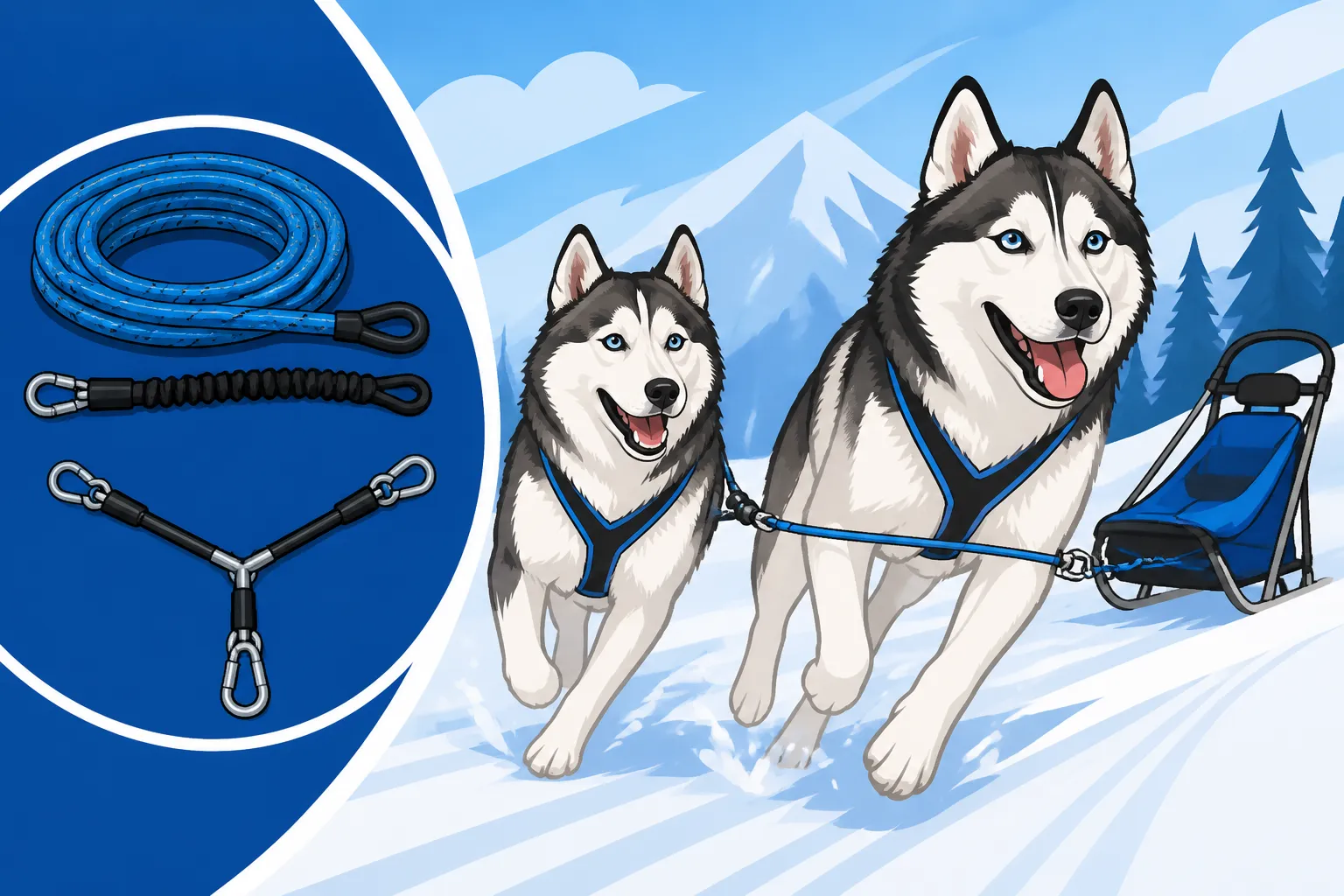
When you imagine a team of Huskies pulling a sled or cart, you probably picture a series of lines connecting them, all working in unison. These lines aren't just ropes; they're engineered pieces of equipment known as ganglines and towlines, each serving a specific purpose in a well-organized team. They are the arteries of communication and power transfer, literally linking each dog to the next, and ultimately, to the sled, cart, or even you if you're canicrossing or bikejoring. Without them, there's no cohesive team, just a bunch of individual dogs.
The Core Components of a Gangline
A gangline is essentially the main trunk line that runs from the sled or rig forward, branching off to connect to each dog's harness. Think of it like a central nervous system for your team. It’s not just one long rope; it's a carefully assembled system of various parts designed to absorb shock, distribute force, and ensure safety.
The primary parts typically include a main line (the longest section running down the middle of the team), tuglines (short lines connecting each dog's harness to the main line, allowing them to pull), and necklines (shorter lines that keep dogs aligned side-by-side, preventing them from veering off course or getting tangled). You'll also find shock absorbers integrated, often made of bungee material, which cushion the sudden jerks and pulls, protecting both the dogs' joints and your equipment. The quality and construction of these individual components are paramount, as any failure can lead to chaos, potential injury, or even a lost dog. It's a system that relies on every part doing its job perfectly under dynamic conditions.
Differentiating Between Ganglines and Towlines
While often used interchangeably by beginners, there's a nuanced difference between a "gangline" and a "towline," especially as your team grows. A towline is generally a single line connecting one or two dogs directly to a rig or person. If you're starting with a single dog for canicross or bikejoring, you'll use a towline. This line often has a bungee section built in to absorb impact, preventing sudden jolts for both you and your Siberian Husky that pulls harder in a harness.
A gangline, on the other hand, refers to the full, multi-dog setup. It's the entire system of main lines, tuglines, and necklines that allows you to hitch two, four, six, or even more Siberian Huskies together. The gangline distributes the pulling force evenly and maintains the dogs' positions within the team. So, while a towline can be a component within a gangline system (e.g., the final line connecting the lead dogs' main line to the rig), the term "gangline" encompasses the complete, intricate assembly for multiple dogs working in formation. Understanding this distinction is key to acquiring the right equipment as you scale up your team.
How They Facilitate Teamwork and Communication
These specialized lines are far more than just connectors; they are critical tools for communication and control within a Siberian Husky team. Imagine trying to direct a group of independent-minded Huskies without any physical linkage! The gangline system provides a tangible structure that helps the dogs understand their roles and work together.
Firstly, the tension in the lines gives instant feedback. When a dog lags, the tension lessens on its tugline, and it might feel a slight pull from its neckline. Conversely, a dog pulling strongly feels consistent tension, reinforcing the desired behavior. This constant, subtle feedback, combined with verbal commands, teaches the dogs to maintain a steady pace and direction. Secondly, the necklines keep dogs side-by-side, preventing them from crisscrossing or interfering with each other's stride. This physical alignment is crucial for efficient movement and preventing tangles, which can be dangerous at speed. A well-designed gangline allows the driver to steer the team, not just individually, but as a collective unit, transmitting steering commands through the lead dogs and the line tension. This is why having proper Canicross and bikejor kit for a Siberian Husky extends beyond just harnesses; the lines are equally important for safe and effective communication.
Why Specialized Lines Are Crucial for Your Husky Team
Attempting to rig up your Huskies with generic ropes or leashes for harness work is a recipe for disaster. These specialized ganglines and towlines aren't just about aesthetics; they're born from decades of experience in sled dog sports, designed with specific engineering principles to handle the unique power, speed, and sometimes unpredictable nature of a working dog team. Ignoring their importance is like trying to drive a car with bungee cords instead of proper steering and brake lines – it simply won't work, and it's incredibly unsafe.
Safety First: Preventing Accidents and Injuries
The paramount reason for investing in proper ganglines and towlines is safety – for your dogs, for you, and for anyone else on the trail. Regular ropes or weak hardware simply aren't designed to withstand the sudden, explosive power of a Siberian Husky team. A snapped line can lead to several catastrophic scenarios:
- Runaway dogs: A loose Husky, especially one with a strong prey drive, can quickly disappear, getting lost, injured, or causing harm to wildlife or domestic animals. We know Why an escaped Siberian Husky is a health risk.
- Tangles and injuries: Poorly designed lines or inadequate lengths can lead to dogs tripping over each other, getting tangled in the lines, or suffering rope burns. Imagine the force of several dogs pulling; a tangle can quickly turn into a serious sprain, cut, or worse.
- Driver accidents: If a line snaps unexpectedly, it can throw the driver from the sled or rig, leading to personal injury. The shock absorption built into quality lines also protects the dogs’ joints and spines from sudden jolts, reducing the risk of long-term orthopedic issues. It's an investment in preventative care, almost like an insurance policy for your active dogs' well-being, which makes you think about broader coverage like what Healthy Paws offers for peace of mind.
Maximizing Efficiency and Harnessing Pulling Power
Beyond safety, proper lines are engineered to optimize the team's pulling efficiency. Each component of a gangline system is designed to allow the dogs to exert their full power without hindrance, translating their individual strength into collective forward momentum.
The specific materials used, often a blend of polypropylene and nylon, are chosen for their strength-to-weight ratio and resistance to weather. The length of tuglines and necklines is critical; they must be long enough to allow a full, natural stride for each dog, but short enough to prevent excessive slack or tangling. When the lines are correctly sized and configured, each Husky can dig in and pull without bumping into its partner or dragging unnecessary slack. This efficiency not only makes the experience more enjoyable but also allows the team to cover more ground with less effort, reducing fatigue and maximizing their incredible endurance. It’s about creating a streamlined, powerful unit, not just a collection of dogs pulling randomly.
Building Communication and Structure for Multiple Dogs
A gangline system is fundamental to establishing clear communication and structure within a multi-dog team, transforming individual dogs into a cohesive unit. Without proper lines, commanding a team of independent-minded Siberian Huskies would be like trying to conduct an orchestra without instruments – you have the desire, but no means to create harmony.
The lines provide a constant, physical reminder of each dog’s position and role. Necklines ensure dogs run side-by-side, teaching them to work cooperatively and maintain their lane. The main line and tuglines create a unified pull, allowing the driver’s commands to translate into collective action. When you give a "gee" (right) or "haw" (left) command, the lead dogs respond, and the tension in the lines helps the rest of the team follow suit. This continuous, subtle physical feedback, combined with consistent verbal cues, reinforces training and builds discipline. It teaches the dogs to trust the system and each other, making the team more responsive, predictable, and ultimately, a joy to run. Investing in good lines is investing in the foundation of effective team management and dog-handler partnership, much like investing time in Teaching a Siberian Husky to pull in harness builds that initial trust.
Choosing the Right Gear for Your Siberian Husky Team
Selecting the correct ganglines and towlines isn't a one-size-fits-all situation. It depends on the number of dogs in your team, the type of activity you'll be doing (canicross, bikejoring, recreational sledding), and even the terrain and weather conditions you anticipate. Just like you wouldn't use cross-country skis for downhill racing, you need the right lines for your specific harness sport ambitions. Don't just grab the first set you see; a little research here goes a long way in preventing headaches and ensuring safety down the line.
Material Matters: Nylon, Polypropylene, and Beyond
The material of your lines is critical for durability, weight, and performance. The most common materials are:
- Polypropylene: This is a very popular choice due to its excellent strength-to-weight ratio, its resistance to water absorption (meaning it won't get heavy when wet), and its ability to float. It's also relatively inexpensive and resistant to mildew. Polypropylene lines are a great all-around choice for recreational mushing and canicross.
- Nylon: Known for its exceptional strength and elasticity, nylon lines can absorb shock very effectively. However, nylon absorbs water, which can make it heavier in wet conditions and susceptible to freezing in extreme cold. It’s often used in conjunction with polypropylene or in specific components where elasticity is desired.
- UHMWPE (Ultra-High Molecular Weight Polyethylene) / Dyneema / Spectra: These are extremely high-strength, low-stretch, and lightweight fibers, often found in high-performance or competition lines. They are incredibly durable and resist abrasion but come at a higher cost. These might be overkill for a beginner but are excellent for serious racers who need every ounce of weight saved and maximum strength.
Beyond the main material, consider the hardware – the snaps and clips. Stainless steel or brass snaps are generally preferred for their resistance to rust and corrosion, especially in wet or snowy environments. Look for heavy-duty, quick-release snaps on the tuglines for easy hook-up and unhooking, which can be a lifesaver in an emergency. The material choice ultimately balances cost, durability, and the specific demands of your activity. You can often find a wide array of options for these materials and components when browsing larger pet supply retailers, like Chewy, which often carries specialized gear or components you might need.
Length and Configuration for Different Team Sizes
The length and configuration of your gangline system are highly dependent on the size of your team and the activity. A two-dog towline will be vastly different from a six-dog gangline.
- Single Dog (Canicross/Bikejoring): You'll typically use a single towline, usually 6-10 feet long (including the bungee section), connecting your dog's harness to your belt or bike frame. The length provides enough distance for your dog to pull comfortably without being too close.
- Two Dogs: For a two-dog team, you'll need a main line (or towline) that splits into two tuglines, one for each dog, with a neckline connecting their collars to keep them running parallel. The overall length needs to allow for their combined stride.
- Larger Teams (Four, Six, Eight+ Dogs): As your team grows, the gangline system becomes more complex. You'll have multiple sections of main line, with pairs of dogs attached by their individual tuglines and necklines. The lead dogs will be at the front, followed by swing dogs, then team dogs, and finally wheel dogs closest to the rig. Each section of the main line will be long enough to accommodate a pair of dogs, typically allowing for about 8-10 feet between each pair. The shock absorber is usually located at the front of the main line, near the lead dogs, or at the attachment point to the rig. It’s a bit of an art to get the lengths just right so no dog is crowding another or pulling slack, making the entire team efficient and safe. You can find more details on general setup in Harness Sport Gear a Siberian Husky Owner Buys.
Essential Hardware: Snaps, Shock Absorbers, and Connectors
Beyond the ropes themselves, the hardware is what truly brings a gangline system together and ensures its functionality. Skimping on these components is not worth the risk.
- Snaps/Clips: These are used to attach the tuglines to the dogs' harnesses and to connect sections of the gangline. Look for heavy-duty, marine-grade brass or stainless steel snaps. Swivel snaps are excellent as they prevent lines from twisting and tangling. Quick-release snaps, especially for the lead dogs, are crucial for emergency detachments. Always ensure the snaps are rated for the pulling force of your dogs, remembering that two Huskies pulling together can generate significant power.
- Shock Absorbers/Bungees: These are integrated sections, usually made of elastic bungee cord encased in a protective sleeve, designed to absorb sudden impacts and jerks. Without them, every lunge, sudden stop, or change in pace would send a harsh jolt through the dogs’ bodies and the equipment. This protects the dogs' joints and your own back, making for a much smoother and more comfortable experience. A good shock absorber makes a huge difference in the longevity of your equipment and the comfort of your dogs, especially during dynamic activities like bikejoring.
- Connectors: For larger teams, you'll have various points where sections of the main line connect. These connectors need to be robust and secure, preventing accidental detachment. Some systems use specialized rings, shackles, or even braided loops. When assembling your system, ensure all connection points are properly secured and regularly inspected. Remember, every piece of the puzzle must be strong enough to withstand the incredible power and enthusiasm of your Siberian Huskies.
Care, Maintenance, and Longevity of Your Equipment
Investing in quality ganglines and towlines for your Siberian Husky team is a significant step, and like any specialized equipment, it requires proper care and maintenance to ensure longevity and continued safety. Neglecting your gear isn't just about saving a few bucks; it can put your dogs at risk. Think of it as caring for your vehicle's brakes – you wouldn't ignore worn pads, and you shouldn't ignore frayed lines. A well-maintained gangline system can last for many seasons, but a neglected one can fail when you least expect it.
Routine Inspection and Cleaning Practices
The first rule of maintenance is constant vigilance. Before every single run, take a few minutes to inspect every inch of your gangline system. This means:
- Visual Inspection: Look for any signs of fraying, cuts, abrasions, or excessive wear on the lines themselves. Pay close attention to areas where lines pass through clips or knots, as these are common stress points.
- Hardware Check: Examine all snaps, clips, and connectors. Are they bent, corroded, or showing signs of fatigue? Do they open and close smoothly and securely? Rust can weaken metal and cause snaps to stick or fail. Check the stitching or crimping where the lines attach to the hardware.
- Shock Absorber Integrity: Test the elasticity of your bungee sections. Does it still have good spring, or does it feel stretched out and weak? A worn bungee loses its ability to absorb shock effectively.
As for cleaning, it's often overlooked. After runs, especially in muddy, dusty, or salty conditions (like after running on treated roads in winter), gently rinse your lines with plain water. You can hand wash them in a tub with mild soap (like dish soap) and thoroughly rinse. Avoid harsh chemicals or bleach, which can degrade the fibers. Air dry completely out of direct sunlight. Never put them in a washing machine with an agitator, as it can damage the lines and hardware. Proper cleaning removes abrasive dirt and salt, preventing premature wear and extending the life of your gear. This simple routine is part of the commitment to a working Siberian Husky Lifespan and What Shortens It.
Storage Tips to Prevent Wear and Tear
How you store your ganglines and towlines is almost as important as how you use them. Improper storage can lead to accelerated wear, tangles, and even damage.
- Clean and Dry: Always ensure your lines are clean and completely dry before storing them. Storing wet lines can lead to mildew, rot, and degradation of synthetic fibers, especially if they're still damp.
- Hang or Coil Neatly: Never just toss your lines into a pile. This can create kinks, tangles, and unnecessary stress on the material. Coil them neatly or, even better, hang them loosely. Many mushers use a dedicated gear rack with hooks to keep their ganglines organized and easily accessible.
- Away from Elements: Store your lines in a cool, dry place, out of direct sunlight and away from extreme temperatures. UV rays can weaken synthetic fibers over time, and extreme heat or cold can also affect the material's integrity. Avoid storing them near chemicals, fuels, or solvents.
- Pest Protection: If storing for long periods, consider placing them in a sealed container to protect them from rodents or insects that might chew on the fibers. Keeping your gear organized and protected also makes it much faster to get out the door for your next adventure with your energetic Huskies, minimizing any frustration with tangled ropes.
When to Repair or Replace Your Ganglines and Towlines
Knowing when to repair versus when to completely replace a section or an entire gangline system is a crucial safety decision. When in doubt, err on the side of caution and replace.
- Minor Fraying/Abrasion: For very minor surface fraying on a non-critical section, some experienced handlers might attempt a repair, perhaps by tightly wrapping with strong tape or stitching. However, any significant fraying, especially in high-tension areas like tuglines or near snaps, warrants immediate replacement of that component.
- Cuts or Deep Nicks: Even a small cut can drastically reduce the strength of a line. If you find any cuts or deep nicks, that section or line must be replaced immediately. The internal fibers may be compromised, creating a weak point that could snap under load.
- Damaged Hardware: Bent snaps, corroded clips, or stiff quick-releases are clear indicators that the hardware needs replacement. Don't try to "fix" a bent snap; its integrity is compromised. Replace it.
- Stretched or Weakened Bungees: If your shock absorber no longer provides adequate elasticity, it's time to replace it. A worn-out bungee means your dogs' joints are absorbing more impact, and the system is less efficient.
- Overall Age and Use: Even with perfect care, lines have a lifespan. Constant exposure to elements, friction, and the sheer force of pulling dogs will eventually lead to material fatigue. If your lines are several years old and have seen heavy use, consider a full replacement, especially before a big season. The cost of replacement pales in comparison to the potential cost of an injured dog or a lost team, and this is where budgeting for The Yearly Cost of Owning a Siberian Husky really matters.
The Financial Aspect: Budgeting for Ganglines and Towlines
When you're first getting into harness sports with your Siberian Huskies, the initial investment in gear can feel a bit daunting. Beyond the harnesses themselves, ganglines and towlines represent a significant portion of your startup costs. It's not just a single purchase; it's an ongoing commitment to safety and performance. Understanding the financial implications helps you budget wisely and ensures you're not cutting corners where it matters most for your furry athletes.
Initial Investment vs. Long-Term Value
The upfront cost for a quality gangline system can vary widely depending on the number of dogs, the materials, and the manufacturer. A basic towline for a single dog might be relatively inexpensive, but a complete gangline for a four- or six-dog team can easily run into a few hundred dollars. This initial sticker shock might tempt some owners to seek out cheaper, lower-quality alternatives. However, this is one area where the phrase "you get what you pay for" truly applies.
A high-quality gangline, made from durable materials like polypropylene with robust, corrosion-resistant hardware and effective shock absorbers, represents a long-term investment. It's designed to withstand the immense forces generated by working Huskies, resist wear from the elements, and provide consistent safety for many years. Cheaper lines might fray quickly, have weak snaps that fail, or lack proper shock absorption, leading to more frequent replacements, potential injuries, and ultimately, higher costs in the long run. By investing wisely upfront, you're buying peace of mind, durability, and better performance, making it a much more economical choice over the lifespan of your active dogs. You can find more detail on related gear in What a Siberian Husky Harness Costs.
Cost-Saving Measures and DIY Considerations
While quality is key, there are ways to manage costs without compromising safety. Many experienced mushers learn to do some basic DIY, which can save money over time.
- Buy Components Separately: Instead of a pre-made gangline kit, you might purchase bulk line material, snaps, and bungee sections, then assemble them yourself. This requires some knowledge of knots and splicing, but it can be more cost-effective. Just ensure you're using appropriate knot-tying techniques that won't weaken the line.
- Repair vs. Replace: As discussed, minor repairs like re-stitching a protective sleeve or replacing a single snap can extend the life of a line. However, always prioritize safety; if a line's core integrity is compromised, it must be replaced.
- Secondhand Gear: Sometimes, experienced mushers upgrade their gear, and you might find good quality used lines for sale. Always inspect any secondhand equipment thoroughly for wear, damage, and overall integrity before purchasing. Never buy anything that looks questionable.
- Seasonal Sales: Keep an eye out for sales from reputable suppliers, especially during off-seasons. Planning your purchases can help you save a bit.
Remember, cost-saving should never come at the expense of safety. If you're not confident in your DIY skills or in the quality of used equipment, it's always better to buy new from a trusted brand. The well-being of your Siberian Husky weight and joint health depends on reliable equipment.
Broader Gear Expenses for Your Working Huskies
It's important to remember that ganglines and towlines are just one part of the overall expense of getting into harness sports with your Siberian Huskies. There's a whole world of Harness Sport Gear a Siberian Husky Owner Buys to consider.
- Harnesses: Each dog will need a properly fitted pulling harness (X-back or H-back style), which is different from a walking harness.
- Collars: Even with a harness, dogs need a collar for identification and for attaching necklines in a team.
- Boots/Paw Protection: Especially in rough terrain, snow, or extreme cold, booties are essential to protect your Huskies' paws from abrasions, ice buildup, or salt.
- Training Equipment: Long lines, specialized leashes, and plenty of high-value treats (perhaps from Ollie, known for fresh, nutritious options perfect for active dogs) are crucial for initial training.
- Vehicle Transport: If you're going to trails, you'll need safe and secure transport, which often means crates or kennel systems.
- Nutrition: Working Huskies have specific dietary needs. They burn a lot of calories and require high-quality protein and fat to maintain energy and muscle mass. You'll need to budget for specialized performance dog food, which can be ordered conveniently from places like Chewy along with other supplies. This is often an increased Monthly food spend for an adult Siberian Husky.
- Veterinary Care & Insurance: Active dogs are more prone to certain injuries, so regular vet check-ups are paramount. Having a robust pet insurance policy, like those offered by Healthy Paws, can provide a crucial financial safety net for unexpected medical emergencies or conditions, ensuring you can always provide the best care without financial strain.
Considering all these elements within your Costing Out a Siberian Husky From Puppy to Senior budget will give you a realistic picture of the commitment involved in owning and working with these magnificent animals.
| Component | Purpose | Common Materials | Considerations | Typical Lifespan (Approx.) |
|---|---|---|---|---|
| Main Line | Central connection to rig; attaches tuglines | Polypropylene, Nylon, UHMWPE | Length for team size, strength, weather resistance | 3-7 years |
| Tugline | Connects dog harness to main line | Polypropylene, Nylon | Length for natural stride, strong snaps, flexibility | 2-5 years |
| Neckline | Connects two dogs side-by-side | Polypropylene, Nylon | Prevents tangles, maintains alignment | 2-5 years |
| Shock Absorber | Cushions sudden pulls and jerks | Bungee cord in protective sleeve | Elasticity, durability of sleeve | 1-4 years (bungee wears) |
| Snaps | Attach tuglines to harnesses, connect sections | Brass, Stainless Steel | Quick-release, swivel, corrosion resistance | 5-10+ years (if maintained) |
Disclaimer
This article is for general informational purposes only and does not constitute professional advice. Laws, prices and regulations vary by location and change over time. Consult a qualified professional for guidance on your specific situation.