Dog Scooters and Rigs for a Siberian Husky
Many Siberian Husky owners find themselves in a constant battle against their dog's boundless energy, often feeling like no amount of walking or park visits is truly enough to tire them out. This unmet need can lead to frustrated, destructive behaviors at home or a constant urge to escape. But what if there was a way to channel that incredible drive and powerful physique into a productive, exhilarating activity? Dog scooters and rigs offer a fantastic solution, allowing your Husky to embrace their natural pulling instincts in a safe, controlled, and incredibly fun way. This guide will walk you through the world of dryland mushing, helping you understand the equipment, training, and safety needed to embark on this adventure with your furry friend.
Embracing the Husky's Instinct: Why Pulling Sports Are Perfect
Let's be real, a Siberian Husky isn't built for gentle strolls around the block. They are athletes, bred for endurance and pulling power in harsh conditions. Ignoring this fundamental aspect of their being is often why we see Huskies chewing through drywall, scaling fences, or developing that infamous "Husky Houdini" reputation. Providing an appropriate outlet for their energy and drive isn't just a recommendation; it's a necessity for their well-being and your sanity!
The Ancestral Call: A History of Work
Think about the origins of the Siberian Husky. They hail from the Chukchi people, where they were indispensable working dogs, pulling sleds over vast, icy terrains. Their very DNA screams "pull!" This isn't just a cute quirk; it's a deep-seated instinct. When a Husky leans into a harness, their whole body language changes. They become focused, determined, and utterly in their element. They're not being stubborn or disobedient when they pull on leash; they're simply doing what they were bred to do. Harness sports like scootering or rigging tap directly into this ancient drive, offering a job that truly satisfies them on a primal level. It's about letting them be a Husky, in the best way possible. You'll find that a dog who gets to fulfill this instinct is often a much calmer, happier, and more manageable companion at home.
Channeling Energy into Positive Outlets
Without proper physical and mental stimulation, that immense Husky energy has to go somewhere. Often, it manifests as behaviors we find undesirable: digging up the yard, chewing furniture, vocalizing incessantly, or attempting daring escapes. It’s not malice; it's boredom and an excess of unspent drive. Scootering or running a rig gives them a real task, a challenge that engages both their body and their mind. The focus required to follow commands, navigate a trail, and maintain a steady pace is incredibly enriching. This kind of strenuous, purposeful exercise can dramatically reduce destructive tendencies. Instead of coming home to a house that looks like a tornado hit it, you might find a pleasantly tired Husky napping peacefully, utterly content from their "workday." It's a win-win, transforming potential problems into purposeful play.
When a Walk Just Isn't Enough
We've all been there: you take your Husky for a good long walk, maybe even a jog, and they come home looking at you like, "Is that all you've got?" For many medium to large breeds, a daily walk or two is perfectly sufficient. For a Siberian Husky, it's often barely a warm-up. They are endurance athletes, capable of covering incredible distances. A half-hour leash walk, even a brisk one, barely touches their energy reserves. This is why How Much Exercise a Siberian Husky Really Needs is so much more than just a stroll. Dryland mushing, whether with a scooter or a rig, allows them to run at a sustained, higher speed, truly stretching their muscles and emptying their "gas tank." It's a different kind of exercise, more aligned with what their bodies and minds crave, offering a depth of satisfaction that a walk simply cannot provide.
Understanding Dog Scooters and Rigs: Your Equipment Guide
Before you hit the trails, it’s crucial to understand the tools of the trade. Dog scooters and rigs are purpose-built vehicles designed for a dog (or team of dogs) to pull. They aren't just modified bicycles or lawn carts; they are engineered for safety, stability, and efficiency when being pulled by powerful canines.
What is a Dog Scooter?
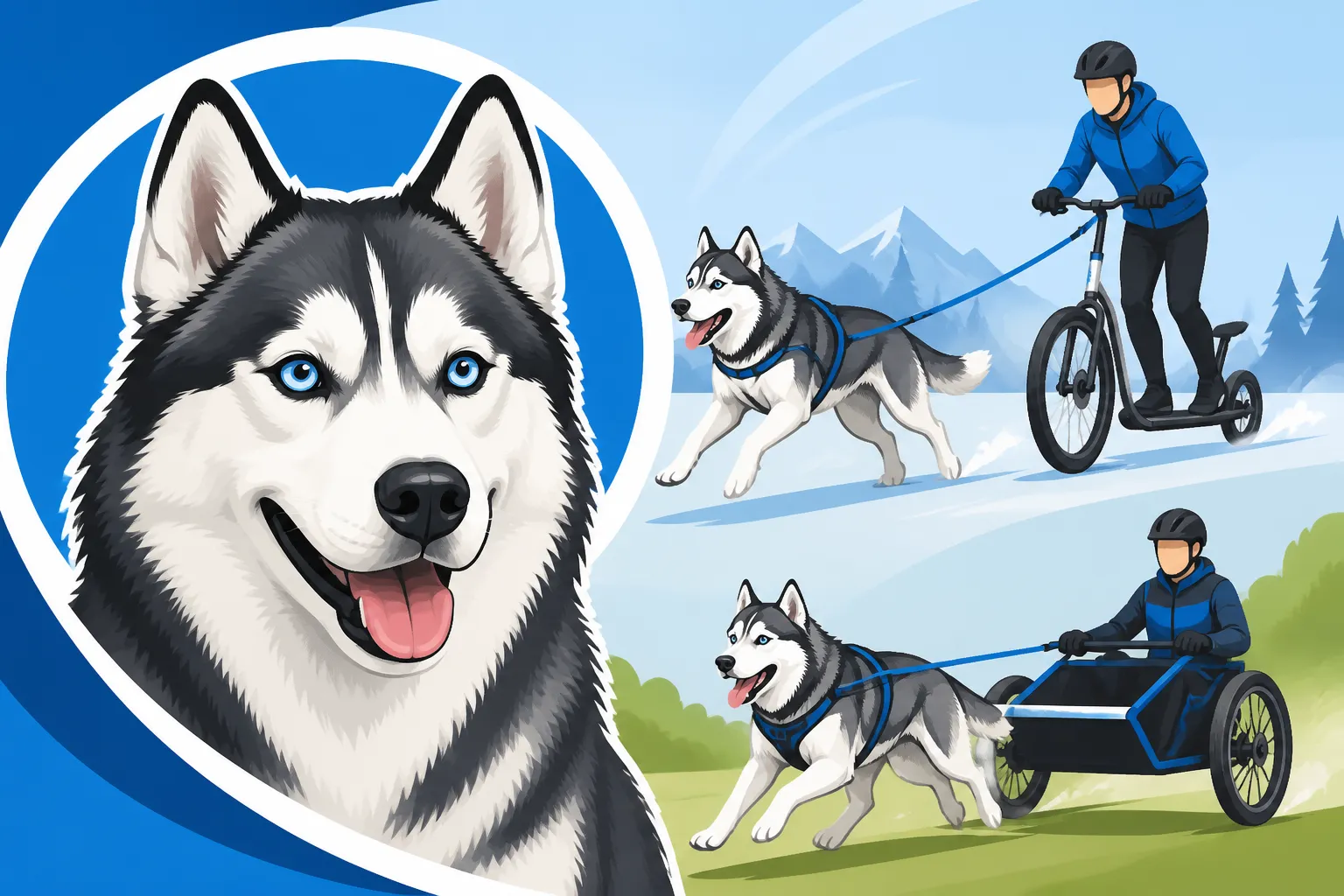
Imagine a heavy-duty, off-road kick scooter, but specifically designed to have a dog pull it. That's essentially a dog scooter. These usually feature:
- Two Wheels: Similar to a bicycle, they require the rider to balance.
- Strong Frame: Built to withstand the forces of a pulling dog and rough terrain.
- Handlebars & Brakes: Essential for steering and, most importantly, stopping. Good quality disc brakes are a must for safety.
- Brush Guard/Fender: Often at the front, to prevent the gangline (the line connecting the dog to the scooter) from getting tangled in the front wheel.
- Attachment Point: A dedicated spot on the front of the frame to attach the gangline, usually low for better leverage.
Dog scooters are fantastic for single dogs or a small team (one or two, rarely three) and allow for a good balance of speed and agility. They’re excellent for getting out on winding trails and enjoying a brisk pace. Riders stand on a deck, kicking occasionally to assist or to maintain momentum. The lighter weight and maneuverability make them a popular choice for urban mushing or exploring diverse trail systems.
What is a Dog Rig?
A dog rig is essentially a dryland sled. These are generally more robust and stable than scooters, often used for larger teams or when more stability is desired. Key characteristics include:
- Three or Four Wheels: Providing greater stability, often with a lower center of gravity. This means less balancing required from the rider.
- Seating Option: Many rigs include a seat, which can be more comfortable for longer runs or for riders who prefer not to stand.
- Heavier Construction: Built to handle the power of multiple dogs and provide a more controlled ride.
- Larger Platform/Basket: Some rigs have space for gear, making them suitable for longer expeditions or even carrying supplies.
- Enhanced Braking Systems: Given their larger size and potential for multiple dogs, rigs often have powerful braking systems.
Rigs are ideal for those who want to run a team of two or more Huskies, mimicking the traditional sled dog experience on dry ground. They offer a more stable and often more comfortable ride, particularly for extended periods. When you’re looking at Harness Sport Gear a Siberian Husky Owner Buys, you'll notice a significant difference in design and purpose between these two types of equipment.
Essential Gear Beyond the Vehicle
Your scooter or rig is just one part of the equation. To get started safely and effectively, you’ll need a few other crucial pieces of equipment:
- Harnesses: Forget that walking harness! For pulling sports, your Husky needs a specialized pulling harness, typically an X-back or a shoulder-style harness. These are designed to distribute the pulling load evenly across their body, preventing injury and maximizing their power. They allow for full range of motion and prevent pressure points. When considering What a Siberian Husky Harness Costs, remember that investing in a good quality, properly fitted harness is non-negotiable for your dog's comfort and safety.
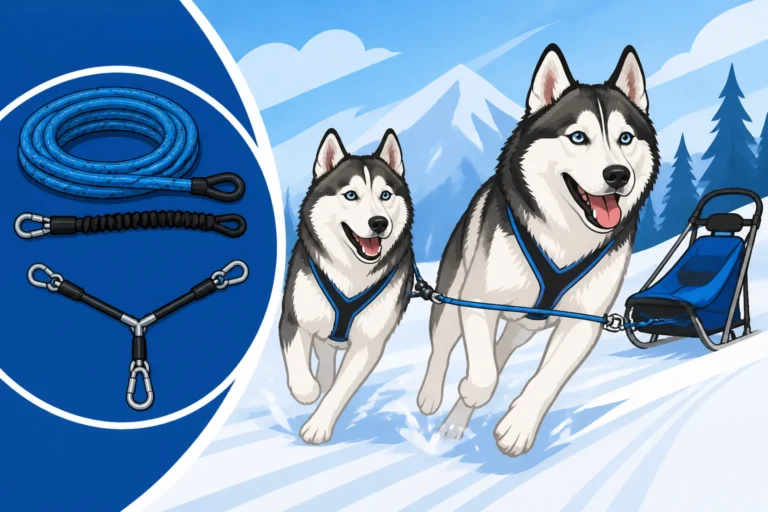
- Gangline: This is the line that connects your Husky’s harness to the scooter or rig. It’s usually made of strong, durable rope or webbing, often with bungee sections to absorb shock and provide a smoother pull for both dog and rider. If you're running more than one dog, you'll also need necklines to connect them side-by-side.
- Human Safety Gear: Don't forget yourself! A helmet is absolutely essential, as is eye protection (sunglasses or safety glasses). Gloves can protect your hands, and sturdy shoes with good grip are a must.
- Water: Both for you and your Husky. Always carry plenty of water and a portable bowl, especially since Huskies can be prone to overheating if not managed carefully. Brands like Chewy offer a wide selection of collapsible bowls and hydration packs that are perfect for the trail.
- First-Aid Kit: A small pet first-aid kit can be a lifesaver for minor scrapes or paw pad issues.
This combination of specialized equipment ensures that both you and your Siberian Husky are safe, comfortable, and ready to enjoy the thrill of dryland mushing.
Getting Started Safely: Training Your Husky for the Trail
Embarking on a scootering or rigging adventure with your Siberian Husky isn't something you jump into overnight. It requires patience, consistency, and a solid foundation of training. Remember, Huskies are intelligent but independent, so positive reinforcement and short, engaging sessions are key.
Building Foundational Skills and Commands
Before your Husky ever sees the scooter or rig, they need to understand basic directional and stopping commands. These aren't just for mushing; they're essential for safety on the trail.
- "Whoa" (Stop): This is perhaps the most critical command. Practice it frequently on walks. Start by stopping and rewarding your dog for halting with you. Gradually introduce it when they're in motion, eventually adding a slight tug on the leash as a secondary cue if needed, but always pairing it with the verbal command and lavish praise or treats for stopping.
- "Gee" (Right) and "Haw" (Left): These directional commands are vital for steering. Begin by practicing them on leash, gently guiding your dog in the desired direction while giving the command. Make it a fun game. When you say "Gee," physically move them to the right and reward. Repeat countless times.
- "Hike" or "Let's Go" (Go Forward): This is your cue to start moving. You'll want a distinct command that clearly means "time to pull!"
- "Leave It" (Ignore distractions): Huskies have a strong prey drive, so being able to ignore squirrels, birds, or other dogs is paramount for safety. Practice this command diligently in various environments.
Consistency is your best friend here. Practice these commands during every walk, every play session. Use high-value treats (like those from Ollie, which dogs often go wild for) and enthusiastic praise. Keep training sessions short and positive to prevent boredom or frustration. Remember, The Cues a Siberian Husky Needs in Harness are different from your everyday walking commands, so dedicate time to teaching them specifically.
Introducing the Equipment Slowly
Once your Husky has a grasp on the basic commands, it's time to introduce the equipment. This process needs to be gradual and positive to avoid any fear or negative associations.
- Harness Acclimation: Start by simply putting the pulling harness on your dog in the house. Let them wear it for short periods, associating it with positive things like playtime or mealtime. Supervise them to ensure they don't chew it.
- Introducing the Scooter/Rig (Stationary): Bring the scooter or rig into your yard or a familiar, safe space. Let your Husky approach it, sniff it, and investigate it at their own pace. Reward them for calm curiosity. Don't attach them yet. Just let them get used to its presence. You might even roll it a few feet while they are observing, so they get used to the sounds.
- Short, Unweighted Pulls: Once they are comfortable with the harness and the stationary equipment, you can try attaching them to the unweighted scooter or rig. Have a helper hold the scooter/rig steady while you stand in front of your Husky, giving your "Hike!" command and encouraging them forward. Keep it very short, just a few feet, then stop and reward. The goal is to make them realize that pulling in this harness means fun and rewards.
- Adding Weight and Rider: Gradually, and we mean gradually, introduce the rider's weight. Start on a very slight downhill slope, so it's easy for your Husky to pull. Have your helper run ahead to encourage your dog and provide motivation. The first few times, the rider might just stand on the scooter and kick, letting the dog get used to the feeling of pulling a heavier load. Teaching a Siberian Husky to Pull in Harness is a journey, not a sprint.
Always end on a positive note. If your Husky seems stressed or reluctant, take a break and try again later or shorten the session.
Finding the Right Environment
The environment where you train and eventually run is critical for success and safety.
- Quiet, Low-Traffic Trails: Begin on trails that are relatively flat, smooth, and free from heavy pedestrian, cyclist, or vehicle traffic. Distractions can overwhelm a new musher. Look for natural surface trails, like dirt paths or gravel roads, rather than pavement, which is harder on their joints and paws.
- Familiarity: Starting in a familiar area, like a large park or even your own property if you have enough space, can help your Husky feel more secure.
- Avoiding Heat: Huskies are highly susceptible to Heat Stroke Risk in a Siberian Husky. Always run in cool weather, preferably in the early morning or late evening during warmer months. During hot seasons, it might be best to skip scootering altogether.
- Bring a Helper: Especially in the beginning, having a second person can be incredibly valuable. They can run ahead of the dog to encourage them, or stay behind to help manage the scooter/rig and provide an extra layer of safety. This makes Starting Canicross With a Siberian Husky or any harness sport much easier.
As your Husky gains experience and confidence, you can gradually introduce more challenging trails or environments.
| Feature | Dog Scooter | Dog Rig |
|---|---|---|
| Number of Wheels | Typically 2 (like a bicycle) | Typically 3 or 4 |
| Rider Balance | Requires more balance from the rider | More stable, lower center of gravity, often seated |
| Speed/Agility | Faster, more agile, better for single dogs | Slower, designed for power, multiple dogs |
| Number of Dogs | Usually 1-2, sometimes up to 3 | Can accommodate 2-4+ dogs easily |
| Terrain | Off-road trails, dirt paths | Varied terrain, sometimes smoother tracks |
| Typical Use | Urban mushing, faster individual runs | Dryland mushing, training sled dog teams |
| Ease of Transport | Generally lighter, easier to load | Heavier, requires more robust transport |
Common Challenges and Staying Safe
While incredibly rewarding, dryland mushing comes with its own set of challenges and safety considerations that every Siberian Husky owner needs to be aware of. Being prepared for these will ensure a fun and safe experience for everyone.
Overcoming Distractions and Prey Drive
One of the biggest hurdles you’ll face with a Siberian Husky is their inherent distractibility and strong prey drive. A flash of a squirrel, the scent of a deer, or even another dog can instantly break their focus, leading to a sudden surge off-trail or ignoring commands. This isn't stubbornness; it's instinct.
- Controlled Environments: As mentioned, start in quiet areas. Avoid trails known for heavy wildlife populations or where off-leash dogs are common.
- Consistent Reinforcement: Keep reinforcing those "Leave It" and directional commands with high-value treats and praise. The more positive experiences your Husky has staying focused, the better.
- "Eyes On" Training: Teach your Husky a command that means "look at me" or "focus." This can be a game-changer when you spot a potential distraction ahead.
- Be Prepared to Bail: Sometimes, despite your best efforts, a distraction will be too much. You need to be prepared to safely slow down, stop, and regain control. Your emergency stop command ("Whoa!") needs to be rock solid.
- Understanding Their Limits: Recognize that not every Husky will ever be perfectly "bulletproof" to distractions. They are, after all, still dogs with powerful instincts. For more on this, check out Siberian Husky Prey Drive Around Small Animals.
Weather and Temperature Management
Siberian Huskies are built for cold. Their dense double coats are incredible insulators, keeping them warm in sub-zero temperatures. However, this also means they are incredibly susceptible to overheating in warm weather. This is perhaps the most critical safety consideration for Huskies in pulling sports.
- Avoid Heat at All Costs: Never run your Husky in temperatures above 60°F (15°C) for sustained periods, and be extremely cautious even below that if humidity is high or there's direct sun. Early mornings or late evenings are often the only safe times during much of the year, even in temperate climates.
- Check Pavement/Ground Temperature: Hot pavement can quickly burn paw pads. If it's too hot for your hand, it's too hot for their paws. This is where Booties for Siberian Husky Paws can offer some protection on varied surfaces, but they won't prevent internal overheating.
- Hydration, Hydration, Hydration: Always carry more water than you think you’ll need. Stop frequently for water breaks.
- Watch for Signs of Overheating: Excessive panting, lethargy, bright red gums, disorientation, or stumbling are all serious signs of heatstroke, which can be fatal. If you see these, stop immediately, get your dog to shade, and cool them with water (especially on their belly, armpits, and groin). Seek veterinary attention without delay. Understanding Heat Stroke Risk in a Siberian Husky is non-negotiable for Husky owners.
- Cold Weather Limits: While they love the cold, even Huskies have limits. In extreme cold, below 0°F (-18°C), ensure exposed areas like paw pads are protected, and be mindful of ice. Know your dog's individual tolerance and monitor for signs of frostbite, especially on ear tips and tails, as discussed in Cold Tolerance Limits for a Siberian Husky.
Equipment Maintenance and Health Considerations
Your equipment is only as safe as its condition, and your dog is only as safe as their health allows.
- Regular Equipment Checks: Before every run, inspect your scooter or rig. Check tire pressure, brake function, and ensure all nuts, bolts, and connections are tight. Examine your dog's harness and the gangline for any fraying, tears, or damage. A failure in equipment at speed can lead to serious injury.
- Pre-Run Health Check: Quickly check your Husky before you start. Are they looking eager and energetic? Are their paws free of cuts or cracks? Are there any signs of lameness?
- Veterinary Check-ups: Ensure your Husky has regular veterinary check-ups to confirm they are fit for strenuous activity. Discuss your dryland mushing plans with your vet, especially if your dog is older or has any pre-existing conditions.
- Joint Health: Pulling sports put stress on joints. While Huskies are generally robust, it's wise to be proactive. Proper warm-ups and cool-downs are important. Be vigilant for any signs of lameness or discomfort after a run. If you notice your A Siberian Husky Limping After Long Runs, consult your vet immediately. Good nutrition and maintaining a healthy weight are also crucial for joint health, as highlighted in Siberian Husky Weight and Joint Health. In case of unforeseen injuries, having pet insurance like Healthy Paws can provide peace of mind for potential vet bills.
- Paw Care: Running on varied terrains can be tough on paw pads. Regularly check your Husky's paws for cuts, abrasions, or cracks. Consider paw balms or booties, especially on rougher trails or in extreme weather.
By being mindful of these challenges and consistently prioritizing safety, you and your Siberian Husky can enjoy many fulfilling adventures together on the trails.
Disclaimer
This article is for general informational purposes only and does not constitute professional advice. Laws, prices and regulations vary by location and change over time. Consult a qualified professional for guidance on your specific situation.