Canicross Belts for Running a Siberian Husky
Anyone who has ever tried to take their energetic Siberian Husky for a casual jog knows the struggle: that sudden lunge after a squirrel, the unexpected bolt forward when a scent hits just right, or the constant, unrelenting pull that leaves your arm aching and your shoulder out of joint. It's frustrating when you want to enjoy a run with your best friend, but it feels like a constant battle against their natural instincts. This guide will walk you through everything you need to know about canicross belts, a game-changing piece of gear designed to help you run safely and comfortably with your powerful, pull-happy Siberian Husky.
Why a Standard Leash or Waist Pack Just Isn't Enough for a Siberian Husky
Let's be honest, trying to run with a Siberian Husky while holding their leash, even if they're generally well-behaved, is an exercise in futility and often, pain. Their drive to pull, deeply ingrained from generations of sledding, is incredibly strong. You might start with the best intentions, but one sudden surge from your Husky, and you could be off balance, hurting your arm, or even face-planting. A regular waist pack, while freeing up your hands, is barely a step up; it concentrates all that force right on your lower back or hips, turning a pleasant run into a core workout you didn't sign up for.
The Real Risks of Hand-Held Leashes and Everyday Waist Packs
Imagine this: you're enjoying a beautiful morning run with your husky, the air is crisp, and then bam! — a rabbit darts across the path. Your husky, a blur of motion, launches forward with the power of a small sled dog, yanking the leash right out of your hand or, worse, yanking you off your feet. This isn't just an inconvenience; it's a genuine safety hazard. I've heard countless stories of people suffering rotator cuff injuries, pulled muscles, or even nasty falls because they underestimated the sheer strength of their Husky when that prey drive kicks in. Siberian Husky Prey Drive Around Small Animals is no joke, and a flimsy leash connection puts both of you at risk.
Even if you manage to hold on, the constant tugging on a handheld leash can lead to chronic strain in your shoulder, elbow, and wrist. For dogs like Siberians, who are born to move forward and pull, this is just their natural state. Punishing them for it, or fighting against it, isn't fair to them and is exhausting for you. Similarly, those cute, lightweight waist packs that are great for carrying keys and a phone aren't designed to handle the dynamic, sustained pull of a 40-60 pound dog. The narrow strap digs into your stomach or lower back, creating uncomfortable pressure points and making every stride a battle against a shifting, digging belt. It’s simply not built for the job, and you’ll feel it after just a short distance.
How a Dedicated Canicross Belt Transforms Your Running Experience
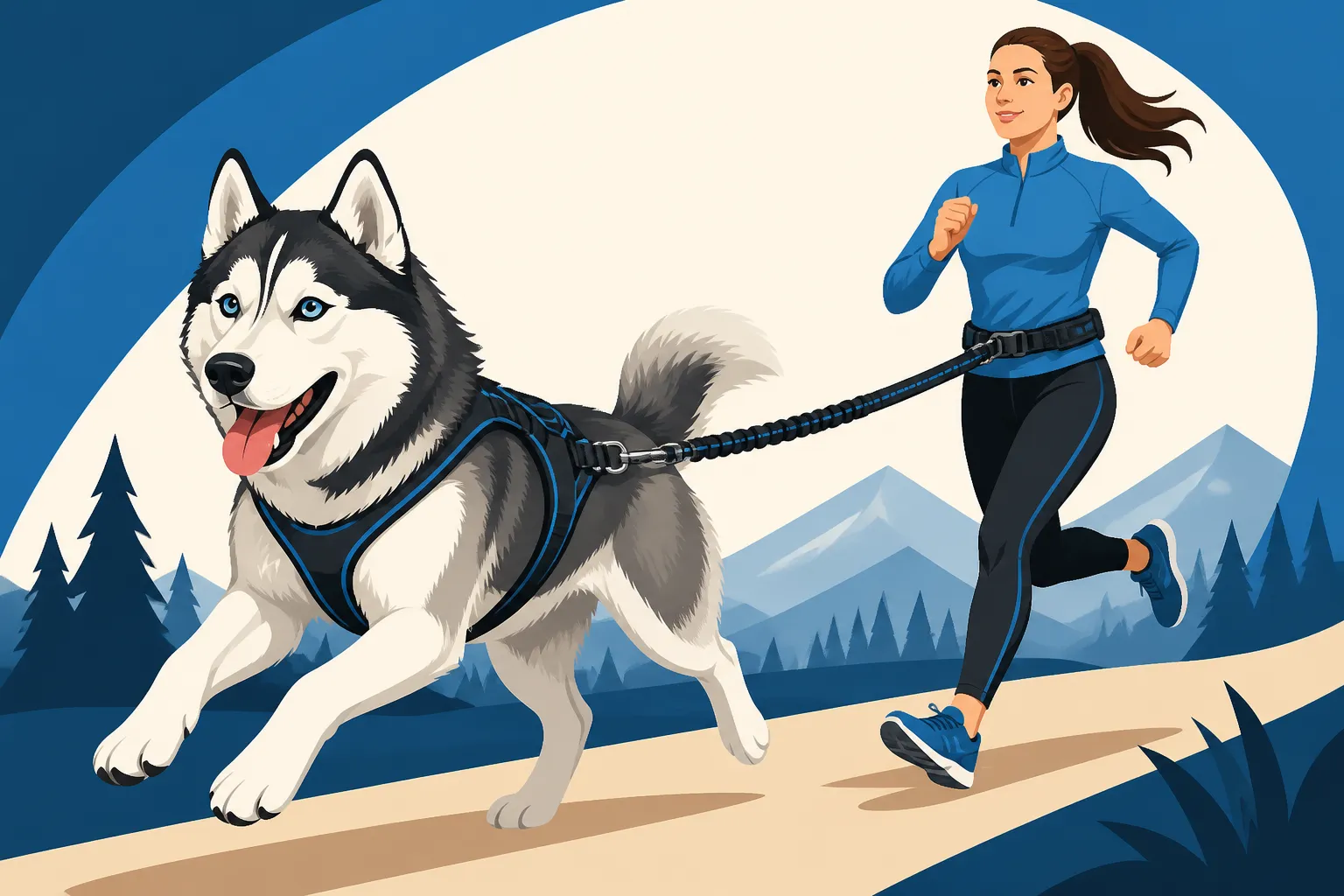
This is where a purpose-built canicross belt truly shines. Unlike casual waist packs or holding a leash, a canicross belt is engineered to distribute the pulling force across your hips and glutes – your body's strongest muscles. Instead of a narrow strap, these belts feature a wide, padded band that sits comfortably lower on your hips, often with leg straps to keep it from riding up. This ergonomic design means that when your husky leans into the harness and pulls, that force is absorbed and spread out, allowing you to maintain your balance and posture without feeling like you're about to be dragged down the trail.
The magic truly happens with the attachment point, which is typically much lower on the canicross belt, usually around your tailbone. This lower center of gravity creates a more stable connection, allowing you to run freely and naturally, using your legs to propel yourself forward rather than constantly compensating for your dog's pull. It’s about working with your husky's natural inclination to pull, not against it. You become part of a team, moving together, rather than two separate entities in a tug-of-war. This fundamental shift in how the force is managed is what makes canicross a comfortable, enjoyable, and much safer activity for both you and your Siberian Husky.
Essential Features to Look for in a Quality Canicross Belt
Choosing the right canicross belt isn't just about picking the first one you see. There are specific design elements that make a huge difference in your comfort, safety, and overall enjoyment when running with your Siberian Husky. Investing in a good belt means you can actually look forward to your runs instead of dreading the inevitable shoulder ache.
Ergonomics, Padding, and Staying Comfortable
The first thing you'll notice about a quality canicross belt is its substantial design. Unlike a flimsy fanny pack, these belts are built for impact and sustained pressure. Look for a belt with a wide, generously padded back panel that covers a good portion of your lower back and glutes. This padding is critical for distributing your husky's pulling force evenly, preventing the belt from digging into your skin or creating uncomfortable pressure points, especially on longer runs. Brands known for durable outdoor gear often apply similar ergonomic principles to their canicross equipment, ensuring that it moves with you rather than against you.
Additionally, many canicross belts include leg straps. While they might feel a little strange at first, these straps are incredibly important. They prevent the belt from riding up your back as your husky pulls forward, keeping the low attachment point secure and stable. Without them, even a well-padded belt can shift and become uncomfortable, negating much of its benefit. When you try on a belt (or even if you’re ordering online, check the fit guides carefully), make sure it feels snug around your hips, rather than your waist, and that the leg straps allow for a full range of motion without chafing. This is about being able to run for miles without thinking about your gear, only about the joy of moving with your dog.
Attachment Points, Shock Absorption, and Leash Considerations
The way the leash attaches to your belt is another crucial feature. A proper canicross belt will have a dedicated, often reinforced, attachment point that sits low on your hips, typically using a robust D-ring or a clip system. This low placement helps maintain your balance and ensures that the pulling force is directed efficiently from your dog to your strong hip muscles, not your upper body.
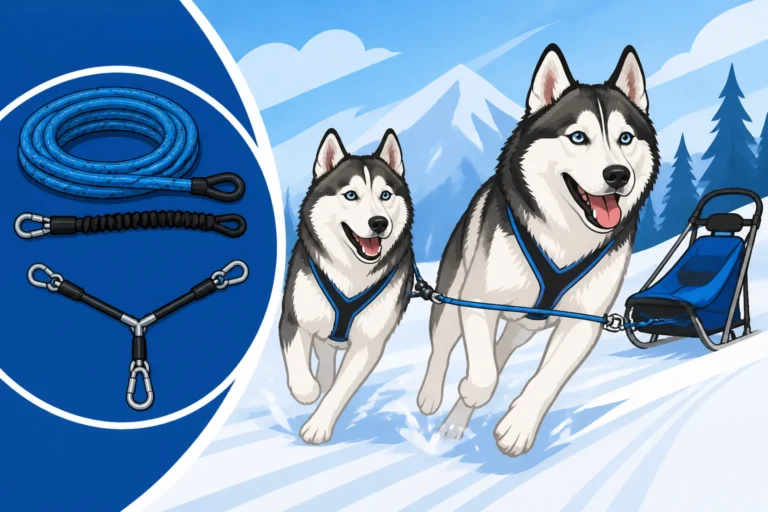
Equally important is the shock absorption provided by the leash itself. You should never use a static leash for canicross. Instead, a canicross setup requires a bungee leash, which has an elastic section built into it. This bungee acts as a shock absorber, cushioning those sudden jolts and surges from your husky. Imagine your husky spotting a deer and lunging – a static leash would transmit that entire impact directly to your body and your dog's neck, potentially causing injury. A bungee leash, however, stretches and absorbs a significant portion of that force, protecting both your joints and your husky's spine. Some brands, like those found on Chewy's active dog section, offer integrated bungee leashes specifically designed for canicross. When looking, ensure the bungee is long enough to prevent the dog from getting underfoot but short enough to maintain control, typically between 6 to 10 feet when extended. This combination of a low attachment point and a shock-absorbing leash is fundamental to safe and enjoyable canicross.
Adjustability and Sizing for the Perfect Fit
Just like any piece of athletic equipment, a canicross belt needs to fit you properly. Look for belts that offer a wide range of adjustability, not just around the waist but also for the leg straps. Different body types will distribute weight and pressure differently, so being able to fine-tune the fit is essential for comfort and performance. A belt that’s too loose will ride up and shift, causing chafing and instability. One that’s too tight can restrict movement and be genuinely uncomfortable.
Many manufacturers provide detailed sizing charts based on hip circumference, and it’s always best to measure yourself accurately before purchasing. Remember, this isn’t a fashion accessory; it’s a functional piece of athletic gear. Consider how the belt feels when you mimic a running motion, and if possible, try it on with the type of running clothes you usually wear. You want it to feel secure but not constricting, allowing for full hip and leg movement. A well-fitting belt will feel like an extension of your body, rather than something you’re constantly aware of.
Getting Started with Canicross and Your Siberian Husky
You've got your canicross belt, and your husky is giving you those eager eyes. Now what? Getting started with canicross is exciting, but it requires a bit more than just clipping on the leash and hitting the trail. It's about setting both yourself and your Siberian Husky up for success, ensuring safety, and making it a fun, rewarding experience for everyone involved.
Beyond the Belt: Essential Companion Gear
While the canicross belt is key for you, your Siberian Husky needs proper gear too. The most critical piece of equipment for your dog is a well-fitting, comfortable canicross or pulling harness. This is not your everyday walking harness. A canicross harness is specifically designed to distribute pulling pressure evenly across your dog's chest and shoulders, allowing them to pull efficiently and without discomfort. Standard harnesses, especially those that clip on the back, can actually restrict shoulder movement and apply pressure in the wrong places when a dog is pulling hard. Harness Against Collar for a Siberian Husky is a fundamental choice for any pulling sport. Look for harnesses with good padding, especially over the sternum and around the neck, and ensure it allows for full range of motion. Brands like Non-Stop Dogwear or Ruffwear offer excellent options that are often praised by active dog owners for their ergonomic design and durability.
In addition to the harness, you'll need that bungee leash we talked about earlier. This specialized leash, with its built-in shock absorption, is non-negotiable for canicross. It protects both your body and your husky from jarring impacts, especially when they suddenly increase speed or change direction. Make sure the length is appropriate for your running style and your dog's size – typically around 6-10 feet when fully extended. Finally, consider a good water bottle for yourself and a collapsible bowl for your husky. Hydration is paramount, especially when you're both working hard. Some belts even come with pockets for these items.
Training Your Husky for the Canicross Trail
Your Siberian Husky already has the instinct to pull, but refining that into a controlled canicross experience requires some dedicated training. This isn't about teaching them not to pull; it's about teaching them when and how to pull effectively on cue. Start with short, positive sessions in a low-distraction environment.
Key verbal cues are essential. "Hike!" or "Mush!" for forward motion, "Gee!" for right, and "Haw!" for left are classic sled dog commands that translate perfectly to canicross. Practice these with consistent positive reinforcement, rewarding your husky with high-value treats (perhaps some delicious freeze-dried meat from Ollie) and praise when they respond correctly. Begin by rewarding any forward momentum into the harness, then gradually introduce directional cues. The Cues a Siberian Husky Needs in Harness explains this in more detail.
It's also important to teach them a "Whoa!" or "Stop!" command, which can be a literal lifesaver on trails. Consistency is paramount. Huskies are intelligent but can be selective listeners, so make training engaging and fun. Remember, this isn't about forcing them; it's about channeling their natural drive into a cooperative activity. Keep sessions short and sweet, ending on a high note to build their enthusiasm.
Safety First: Considerations for a Smooth Run
Safety should always be your top priority when running with your Siberian Husky.
Weather Conditions: Siberian Huskies are built for cold weather, but they can easily overheat in warmer temperatures. Running a Siberian Husky in Summer Heat is a serious concern. Avoid running during the hottest parts of the day. Opt for early mornings or late evenings when the temperatures are cooler. Watch for signs of overheating like excessive panting, drooling, or a staggering gait. Never push your husky if they seem tired or distressed.
Trail Conditions & Paw Care: Be mindful of the running surface. Hot asphalt can burn paw pads, and rough trails can cause cuts and abrasions. Inspect your husky's paws before and after each run for any signs of injury or irritation. Consider using paw balm or even Booties for Siberian Husky Paws for extra protection, especially on rocky terrain or in icy conditions. Make sure your husky’s nails are trimmed short to prevent discomfort and potential injury, as long nails can impact their gait.
Hydration and Nutrition: Carry plenty of water for both you and your dog. Offer water frequently, even if they don't seem thirsty. For highly active huskies, their dietary needs might increase. You might discuss with your vet if a high-performance dog food is appropriate. Brands focused on premium ingredients, like Ollie, might be a good fit, but always compare with your vet's recommendations to ensure it meets your husky's specific activity level and caloric needs. Adequate hydration and proper nutrition will fuel their performance and aid in recovery.
The Broader Benefits of Embracing Canicross with Your Husky
Beyond the immediate thrill of a good run, embracing canicross offers a wealth of benefits that extend into many aspects of your and your Siberian Husky's life. It's more than just exercise; it's a powerful tool for connection, mental stimulation, and overall well-being.
Strengthening the Bond Between You and Your Dog
One of the most profound benefits of canicross is the way it deepens the bond you share with your Siberian Husky. When you participate in an activity like this together, where you rely on each other, it fosters a unique sense of teamwork and mutual respect. You learn to read your husky's subtle cues – the shift in their stride, the angle of their ears, the way they sniff the air – and they learn to trust your commands and guidance.
This shared experience builds confidence in both of you. For your husky, it's a chance to shine, to use their incredible physical abilities and instincts in a directed, positive way. For you, it's the satisfaction of seeing your dog happy and fulfilled, knowing that you're providing an outlet for their natural drives. The moments you spend flying down a trail, connected by that bungee line, create lasting memories and reinforce the idea that you are a true team. This kind of cooperative activity can significantly improve your husky's responsiveness in other training contexts too, because you're building a foundation of positive, active communication.
Fulfilling the Husky's Instincts and Channeling Energy
Let's face it: Siberian Huskies have an almost boundless well of energy and an innate desire to run and pull. How Much Exercise a Siberian Husky Really Needs is often far more than a simple walk around the block. Without proper outlets, this energy can manifest in less desirable behaviors, like destructive chewing, excessive howling, or, most famously, escaping the yard. Siberian Husky Destruction When Left Alone often stems from boredom and pent-up energy.
Canicross provides an incredible opportunity to meet these fundamental needs. It's a high-intensity, physically demanding activity that taps directly into their heritage as sled dogs. By allowing them to pull, you're not just exercising their body, but their mind too. They get to engage their senses, navigate terrain, and work with a purpose. This kind of focused physical and mental exertion leads to a much calmer, happier, and more well-adjusted husky at home. Instead of fighting their urge to pull on every walk, you can channel it into a dedicated sport where it's not just allowed but encouraged. It's a win-win situation, transforming a potential "problem" behavior into a rewarding shared sport.
Long-Term Health and Wellness for Both of You
Regular physical activity is vital for the long-term health of both humans and dogs, and canicross offers an excellent way to stay fit together. For your Siberian Husky, consistent, appropriate exercise helps maintain a healthy weight, strengthens muscles and joints, and supports cardiovascular health. A fit husky is generally a healthier husky, potentially warding off common ailments that can affect dogs with more sedentary lifestyles. While Healthy Paws or other pet insurance might cover unexpected health issues, preventative measures like regular exercise are always the best first line of defense. Remember to monitor The Weight a Siberian Husky Should Hold to ensure they're in peak condition for running.
For you, canicross is a fantastic full-body workout. It builds cardiovascular endurance, strengthens your core, and gives you a fantastic reason to get outdoors and enjoy nature. The mental benefits are just as significant; the stress relief of a good run, especially with your enthusiastic canine companion, is immeasurable. By committing to canicross, you're not just providing for your husky's needs; you're also investing in your own well-being, creating a healthier, happier lifestyle for both members of your incredible team.
Disclaimer
This article is for general informational purposes only and does not constitute professional advice. Laws, prices and regulations vary by location and change over time. Consult a qualified professional for guidance on your specific situation.