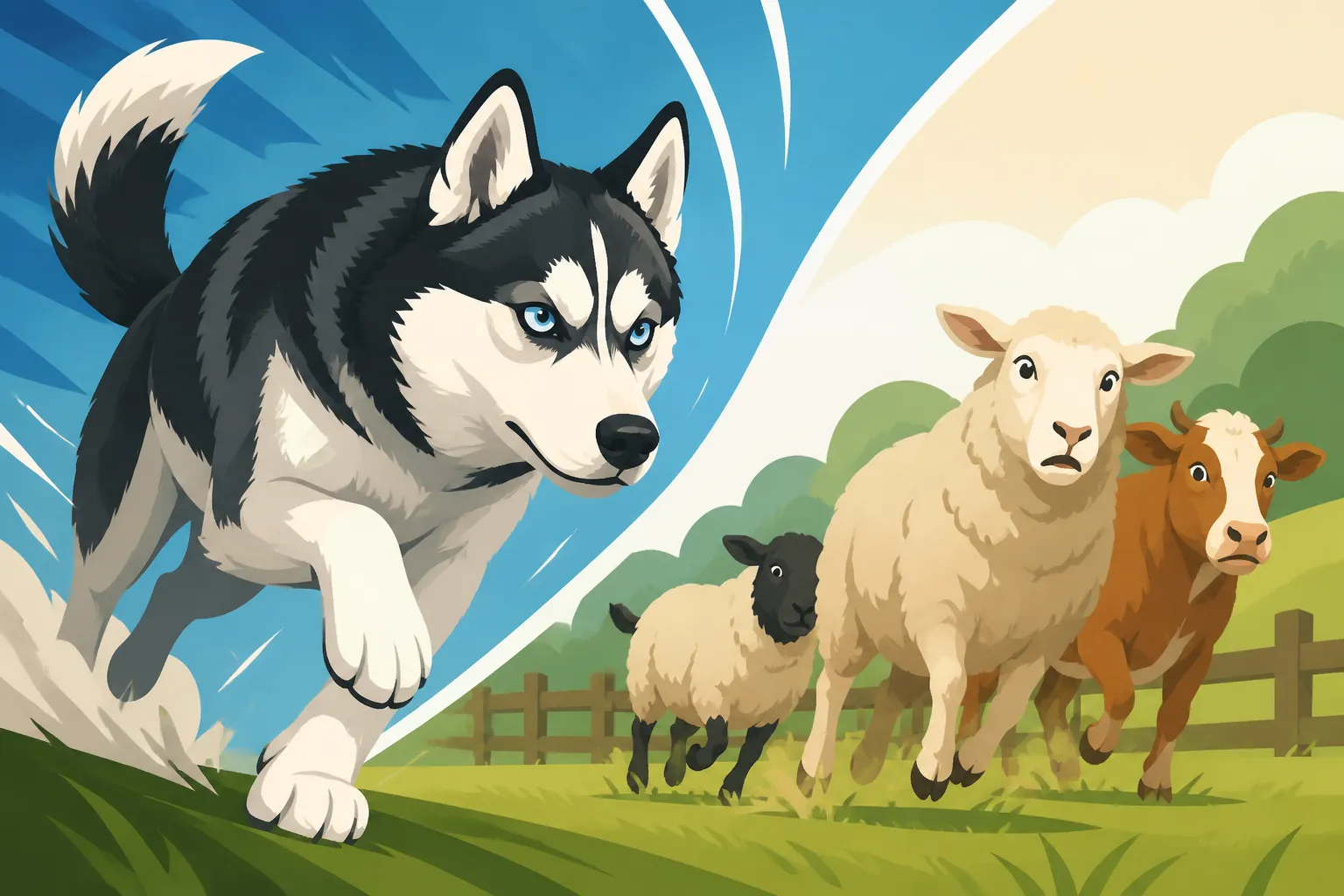
Siberian Husky Prey Drive Toward Livestock
It’s a heart-stopping moment for any Siberian Husky owner: you’re enjoying a quiet walk, or perhaps your Husky is romping in the yard, and suddenly, their gaze locks onto something. A chicken next door, a deer in the distance, or even a neighbor’s goat. In an instant, that friendly, goofy companion transforms into a primal hunter, deaf to your calls and driven by an instinct far older than any leash or command. This guide is here to help you understand, manage, and mitigate the intense prey drive your Siberian Husky may exhibit, especially around livestock, to ensure the safety of everyone involved.
Understanding the Root of the Drive
When we talk about a Siberian Husky's prey drive, we're not just discussing a mischievous streak; we're delving into thousands of years of selective breeding. These aren't golden retrievers bred to gently retrieve birds, nor are they shepherds bred to protect livestock. Huskies were bred for endurance and pulling, yes, but their very survival in harsh, unforgiving environments meant they often had to find their own food. That means hunting. And that instinct? It's still very much alive and well.
Ancestral Instincts and Survival
Imagine their ancestors, the dogs of the Chukchi people in Siberia. These dogs worked hard pulling sleds, but they also had to be resourceful. If a small animal crossed their path, it wasn't just a distraction; it could be a meal that sustained them for another day. This deep-seated drive to chase, catch, and dispatch small prey was a survival mechanism. It wasn't about being mean or disobedient; it was about thriving in a world where food wasn't always readily available in a bowl. Our modern Huskies carry this genetic blueprint. When they see a chicken fluttering, a rabbit darting, or a sheep grazing, their ancient brain lights up with an almost irresistible urge to pursue. It's not a flaw in their character; it's a testament to their heritage.
This inherent trait means we, as owners, have a responsibility to understand and manage it, rather than trying to "train it out" entirely. It's like asking a fish not to swim; while you can influence it, the core nature remains. Accepting this reality is the first step in creating a safe environment for your Husky and for any animals they might encounter. For more on their origins, you might find The Chukchi Origins of the Siberian Husky insightful.
The Drive to Chase and Kill
It's uncomfortable to talk about, but it's crucial: the prey drive in a Siberian Husky isn't just about the chase; it often includes the intent to kill. Many owners are shocked the first time their seemingly gentle Husky catches a squirrel or a bird and doesn't just "play" with it. This isn't aggression in the traditional sense of hostility towards another dog or human; it's a predatory sequence. The thrill of the hunt, the chase, the capture, and the kill are all deeply embedded parts of this drive.
This makes their interactions with small livestock, like chickens, ducks, rabbits, or even lambs and goats, incredibly dangerous. A Husky isn't typically thinking of these animals as friends or playmates; they are often seen as fast-moving targets. Even if your Husky lives with a cat successfully, that’s usually a result of early, careful socialization and constant management, and it doesn't always translate to outdoor, unfamiliar prey. The sudden movement of a flock of birds or a panicked goat can trigger the full predatory sequence, and once it starts, it's exceedingly difficult to interrupt.
The Risks of Unmanaged Prey Drive Around Livestock
Ignoring or underestimating your Siberian Husky's prey drive, especially when you live near farms, rural areas, or even just neighbors with backyard chickens, can lead to devastating consequences. These aren't just minor inconveniences; they can result in significant emotional, financial, and even legal repercussions. It's a heavy burden, but it's one we must face head-on.
Legal and Financial Consequences
Let's be brutally honest: if your Siberian Husky kills or injures livestock, you are legally and financially responsible. This isn't just a "sorry about that" situation. Depending on your local laws, you could be liable for the market value of the animals, veterinary bills for any injured animals, and potentially fines or legal fees. Imagine your Husky getting into a neighbor's chicken coop and killing their entire flock. The cost of replacing those birds, plus the emotional toll on your neighbor, can be substantial. In some jurisdictions, a dog that attacks livestock can be legally seized, deemed dangerous, or even euthanized.
Beyond the immediate costs, there's the long-term impact on your reputation in the community. Neighbors who once waved might now eye you with suspicion. Your dog, who you love dearly, could be labeled as a menace. Homeowners insurance policies often have specific clauses regarding dog breeds and liability, and a history of your dog attacking livestock could impact your coverage or premiums. It's a stark reminder of why responsible ownership isn't just about keeping your dog safe, but about protecting others as well. What Losing a Siberian Husky Costs can touch on similar themes of consequence.
Safety for Your Husky and Others
It's not just the livestock and your wallet at risk; your Husky's safety is also on the line. Chasing livestock often means trespassing onto private property. A farmer has the right to protect their livelihood, and while it's a terrible thought, a dog actively harming their animals could face serious repercussions, including being shot. This is a grim reality in many rural areas, and it's something every Husky owner living near farms must consider.
Furthermore, the chase itself can be dangerous. Your Husky could run onto a busy road, get tangled in fencing, fall into a ditch, or injure themselves attempting to scale obstacles. They are incredibly driven and often oblivious to their own safety once that prey drive kicks in. The adrenaline of the hunt can mask pain, leading to injuries that aren't discovered until later. And what about the emotional stress? The frantic search for a missing dog, the anguish of finding them injured, or worse, is a nightmare no owner wants to live through. Managing this drive is as much about protecting your beloved companion as it is about safeguarding others.
Proactive Management Strategies
Given the intensity of a Siberian Husky's prey drive, prevention is always the best approach. It’s about creating an environment where the opportunity for your Husky to act on those instincts is minimized, and where you have maximum control when those instincts do flare up. This requires diligence, consistency, and a realistic understanding of your dog's capabilities.
Secure Containment and Supervision
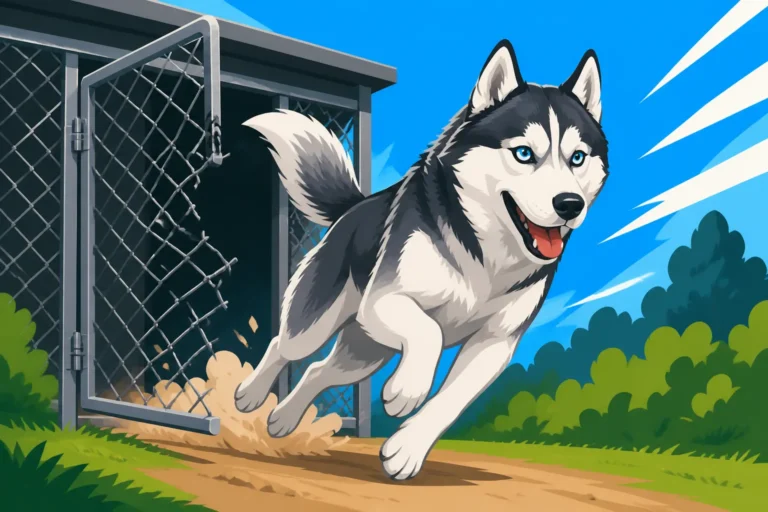
This cannot be stressed enough: a Siberian Husky with a strong prey drive absolutely requires secure containment. We're talking about fences that aren't just tall (at least six feet, often with coyote rollers to prevent climbing), but also secure along the bottom to prevent digging. Many Huskies are expert excavators, and burying fence wire or adding an L-footer is often essential. Stopping a Siberian Husky Digging Along the Fence is a vital read for anyone with this breed. An escaped Husky won't just roam; they will actively seek out opportunities to hunt.
Even with a perfectly secure yard, supervision is key. Don't leave your Husky unsupervised for extended periods, especially if there are tempting targets (like birds or squirrels) within view or hearing. Remember, a bored Husky is a creative Husky, and they can figure out gate latches or weak spots in fencing that you never imagined. When they are in the yard, be present and engaged, ready to redirect their attention if you see them fixating on something. For some, a secure, covered kennel run built specifically for a Husky's escape artist tendencies might be the safest option for periods of unsupervised outdoor time. Kennel Runs Built for a Siberian Husky provides more detail on this.
Leash and Harness Choices
The right equipment can make all the difference in preventing an accidental escape or controlling a lunging Husky. For a breed known for slipping collars and pulling like a freight train, a standard flat collar often isn't enough. Many Husky owners swear by martingale collars, which tighten slightly under tension to prevent the dog from backing out without choking them. These are excellent for everyday walks.
However, for a Husky with a strong prey drive, combining a martingale collar with a secure, well-fitting harness is often the safest bet. A front-clip harness can help redirect their pulling power, making walks much more manageable. When you're dealing with a dog that can pull a sled, you need gear that gives you leverage. Always use a sturdy leash – no retractable leashes, please! A six-foot, high-quality nylon or leather leash provides reliable control. Always attach the leash to both the collar and the harness for redundancy, using a carabiner or dual-clip leash. This provides a backup in case one attachment point fails. You can find excellent options for specialized harnesses and long lines on Amazon, designed for dogs with strong pulling instincts. For further reading, consider Harness Against Collar for a Siberian Husky.
Training for Impulse Control and Redirection
While we can't eliminate prey drive, we can absolutely teach our Huskies to manage their impulses and redirect their attention. This isn't about punishment; it's about building a strong relationship based on trust and clear communication, where your Husky chooses to engage with you over the temptation of the chase. This takes immense patience and consistency.
Building a Bombproof Recall
A reliable recall is your absolute best defense against a Husky acting on their prey drive. This means your Husky dropping everything and running back to you, even when there are tantalizing distractions. For a Husky, this is exceptionally challenging, as their breed trait is to run away when called. You need to make coming back to you the most rewarding thing in their world.
Start recall training in a low-distraction environment, like your home, using high-value treats (think cooked chicken or cheese, not just dry kibble) and enthusiastic praise. Practice multiple times a day, keeping sessions short and fun. Gradually increase distractions, moving to a fenced yard, then a quiet park on a long line. The long line, often 30 to 50 feet, is crucial for practicing recall in more stimulating environments while maintaining safety. Brands like BAXTER & Bella offer online resources and courses that can guide you through building a strong recall with positive reinforcement, which is key for independent breeds like Huskies. Remember, never call your Husky to you for something unpleasant (like giving them a bath) or to punish them. You want them to associate coming back with only positive experiences. Long Lines and Recall Gear for a Siberian Husky offers practical advice.
Engaging Alternative Behaviors
Instead of trying to suppress the prey drive, we can channel it into acceptable outlets. This is where enrichment and structured activities come in. If your Husky has an outlet for chasing and working, they might be less likely to seek it out destructively.
Consider activities like flirt poles, which mimic the movement of prey and allow your Husky to chase and "catch" a lure on a string, all under your control. Puzzle toys and snuffle mats can engage their minds and natural foraging instincts, providing mental stimulation that can tire them out as much as physical exercise. For working-line Huskies, or even pet Huskies, engaging in harness sports like canicross, bikejoring, or urban mushing can be a fantastic way to satisfy their innate desire to pull and run. This gives them a "job" and a constructive way to expend energy. Think of it as satisfying the form of the prey drive (chase, intense focus, physical exertion) without the destructive target. A bored Husky is often a destructive Husky, so keeping their minds and bodies active is critical.
Living Responsibly with a High Prey Drive Husky
Having a Siberian Husky with a strong prey drive, especially in areas with livestock, means you have a unique set of responsibilities. It's not about being restrictive, but about being smart, safe, and respectful of your community and your dog's intrinsic nature.
Environmental Management
Being mindful of your surroundings is paramount. If you live in a rural area, be hyper-aware of where livestock are kept. This might mean choosing different walking routes that avoid properties with chickens, sheep, or goats. If your neighbor has small animals, a conversation about your Husky's tendencies (and your commitment to secure containment) can go a long way in building trust and preventing misunderstandings.
Inside your home and yard, ensure there are no easy escape routes. Regularly check your fencing for weak spots or areas where digging might occur. If you have any small pets like rabbits, guinea pigs, or even cats, ensure they are kept entirely separate and secure from your Husky, especially when unsupervised. Never assume that because your Husky is good with your cat indoors, they will be good with a strange rabbit or a neighbor's kitten outdoors. The context, the scent, and the movement are entirely different. For those managing a rural setting, Managing a Siberian Husky in a Rural Yard delves deeper into these challenges.
Seeking Professional Guidance
Sometimes, despite our best efforts, a Husky's prey drive can be overwhelming. If you feel you're struggling to manage your dog's instincts, don't hesitate to seek help from a qualified professional. Look for trainers or behaviorists who have experience with northern breeds and high prey drive dogs. They can offer personalized strategies, help you refine your training techniques, and provide valuable insights into your specific Husky's behavior. Avoid trainers who advocate for harsh punishment or shock collars, as these methods can damage your relationship with your Husky and often lead to further behavioral issues rather than solving the underlying problem.
A good trainer will focus on positive reinforcement, impulse control exercises, and developing strong communication cues. They can also help you identify trigger stacking (when multiple stressors build up) and design a comprehensive management plan. Organizations like BAXTER & Bella often have certified trainers on staff or can recommend reputable professionals in your area. Remember, asking for help isn't a sign of failure; it's a sign of a responsible owner committed to their dog's well-being and the safety of their community.
Table: Management Strategies for High Prey Drive Huskies
| Strategy | Description | Key Takeaways |
|---|---|---|
| Secure Containment | Implementing physical barriers like 6-foot fences with L-footers, coyote rollers, or secure kennel runs to prevent escapes. | Your Husky will test boundaries. Fences must be climb-proof and dig-proof. Constant vigilance is required. |
| Supervised Outdoor Time | Never leaving your Husky unsupervised in the yard, especially if livestock or tempting wildlife are present. | An unsupervised moment is an opportunity for instinct to take over. Be present, observant, and ready to redirect. |
| Appropriate Gear | Using a martingale collar, a secure front-clip harness, and a sturdy, non-retractable leash (often dual-clipped) for walks. | Standard collars are often insufficient. Redundancy in leashing/collaring is crucial for a strong puller. |
| Bombproof Recall | Intensive, positive reinforcement training to ensure your Husky comes back to you immediately, regardless of distractions. | This is your ultimate safety net. Start in low-distraction areas and gradually increase challenges. Use very high-value treats. |
| Impulse Control Training | Teaching "leave it," "stay," and "watch me" commands to build self-control in the face of temptation. | These commands give your Husky tools to make a better choice. Practice frequently in varying environments. |
| Enrichment & Exercise | Providing ample physical exercise (e.g., sledding, bikejoring) and mental stimulation (e.g., puzzle toys, flirt poles) to fulfill their natural drives constructively. | A tired Husky is a good Husky. Channel their energy and intelligence into acceptable activities to reduce destructive behaviors. |
| Environmental Awareness | Identifying and avoiding areas with livestock or high wildlife populations during walks. Communicating with neighbors about your Husky's tendencies. | Proactive avoidance prevents incidents. Building community trust is important. |
| Professional Guidance | Consulting with experienced positive reinforcement trainers or certified behaviorists for personalized strategies and support. | Don't go it alone. Experts can offer tailored advice and help you address specific challenges. |
Disclaimer
This article is for general informational purposes only and does not constitute professional advice. Laws, prices and regulations vary by location and change over time. Consult a qualified professional for guidance on your specific situation.