A Siberian Husky Nose That Loses Its Color
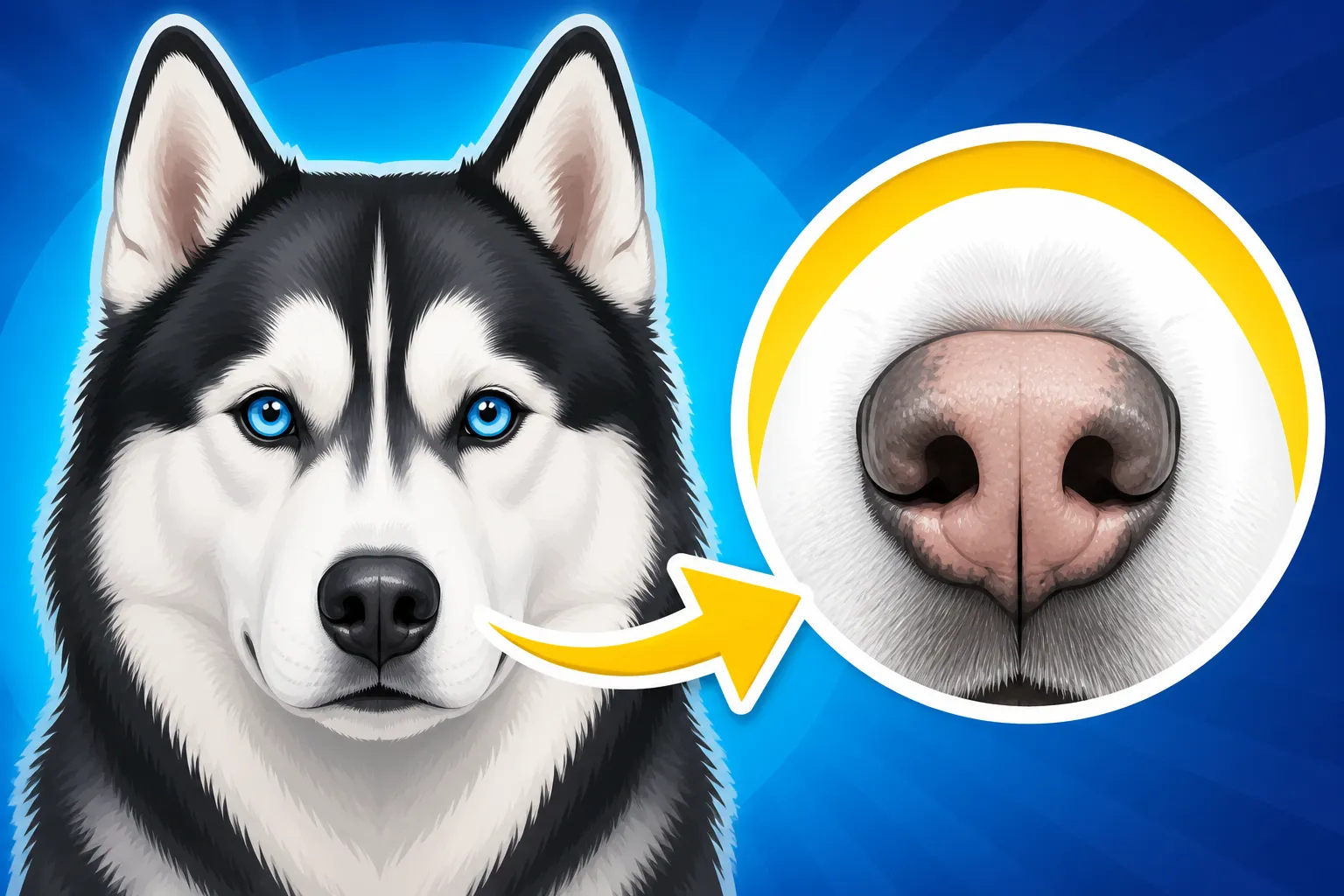
It can be quite startling to wake up one morning and notice your beautiful Siberian Husky's nose, once a striking black, has started to fade or even turn pink. This change can be a source of worry, leading many owners to wonder if it's a sign of a serious health problem or just a normal variation. This comprehensive guide will walk you through the various reasons a Siberian Husky's nose might lose its color, from common seasonal changes to more significant medical conditions, and help you understand when it's time to consult your vet.
Understanding Normal Pigment Changes in a Siberian Husky's Nose
Before diving into anything serious, it’s important to understand that a change in nose color isn't always a cause for alarm in a Siberian Husky. This breed, known for its incredible adaptations to cold climates, often experiences natural and harmless pigment fluctuations. It's like how some people get tanner in the summer and paler in the winter; a Husky's body reacts to its environment and genetics in subtle but noticeable ways.
The Phenomenon of "Snow Nose" or "Winter Nose"
Perhaps the most common and benign reason for a Siberian Husky's nose to lose its vibrant black pigment is a condition affectionately known as "snow nose" or "winter nose." This phenomenon occurs when the black pigment in the nose, called melanin, temporarily fades, often turning a lighter shade of brown, liver, or even pinkish. It's most prevalent during the colder months of winter and early spring, which is where it gets its charming nickname.
The exact science behind snow nose isn't fully understood, but it's believed to be linked to a combination of factors, primarily reduced exposure to sunlight and possibly cooler temperatures. Sunlight plays a crucial role in stimulating melanin production, so as the days shorten and the sun's intensity wanes, the cells responsible for producing this pigment may become less active. For many Huskies, you might notice the change starting in the center of the nose and gradually spreading outwards. It's purely a cosmetic change and does not cause any discomfort or health issues for your dog. Thankfully, for most Huskies who experience snow nose, the pigment usually returns to its normal dark color once spring arrives and they spend more time basking in the sun. If you’re curious about distinguishing this from more serious issues, you can learn more about Snow Nose Against Real Husky Pigment Loss.
Age-Related Fading and "Pink Noses"
Beyond seasonal changes, your Siberian Husky's nose might also undergo pigment changes simply due to the natural aging process. Just like humans develop gray hairs, some Huskies experience a gradual fading of their nose pigment as they mature. This isn't necessarily tied to specific seasons but rather a slow, consistent lightening that progresses over years. It can manifest as a general softening of the black color, turning it to a charcoal gray, or even a noticeable pinkish hue that becomes a permanent fixture.
Moreover, some Siberian Husky puppies are born with what appears to be a pink nose, or a nose that hasn't fully darkened yet. In many cases, this pigment will fill in completely as the puppy grows, turning a solid black by the time they are a few months old. However, for a smaller percentage, their nose might remain partially or entirely pink throughout their life. This is often a genetic trait, and if the parents or grandparents have pinker noses, there's a good chance their offspring might too. This congenital lack of full pigment is not a health concern and is simply a part of their unique appearance. Whether it's the gentle march of time or a delightful birthright, these types of pigment loss are typically benign and don't require any special medical attention, giving your Husky a charming, distinctive look.
Medical Conditions That Cause Pigment Loss
While "snow nose" and age-related fading are usually harmless, there are several medical conditions that can cause a Siberian Husky's nose to lose its color. These conditions often come with additional symptoms and can sometimes indicate a more serious underlying health issue. It's vital for any Husky owner to be aware of these possibilities, as early detection and treatment can make a significant difference in your dog's well-being.
Uveodermatologic Syndrome UDS and Its Impact on Pigment
One of the most concerning medical causes of pigment loss in Siberian Huskies is Uveodermatologic Syndrome (UDS), sometimes referred to as Vogt-Koyanagi-Harada (VKH)-like syndrome. This is a severe autoimmune disease where the dog's immune system mistakenly attacks and destroys melanocytes—the cells responsible for producing pigment—in various parts of the body. While pigment loss on the nose, lips, and eyelids is a hallmark symptom, UDS is far more than a cosmetic issue.
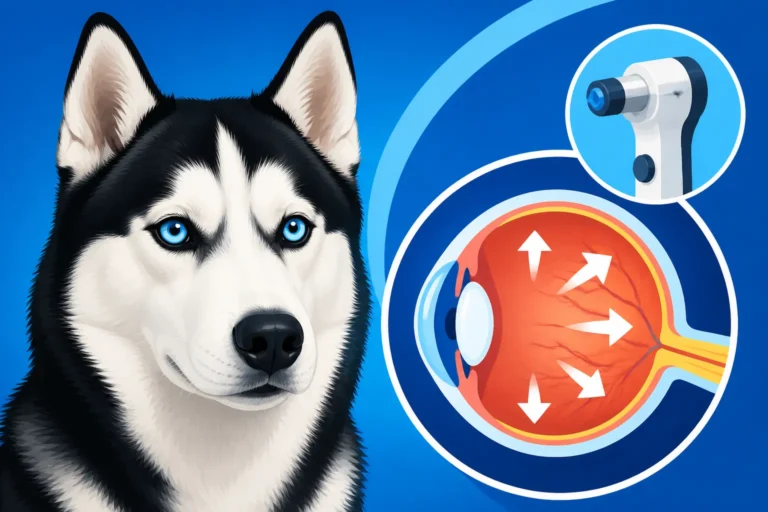
The "uveo" part of the name refers to the uvea, the pigmented layer of the eye, which is a primary target of this syndrome. Inflammation of the uvea (uveitis) can lead to painful, red eyes, cloudiness, sensitivity to light, and, if left untreated, can rapidly progress to glaucoma, cataracts, and even permanent blindness. The "dermato" refers to the skin, where you'll see the pigment loss on the nose, around the eyes, on paw pads, and sometimes on the hair coat itself. This depigmentation might appear as splotchy, white patches where the skin was once dark. Because UDS can rapidly and severely impact vision, it is considered a medical emergency. If you notice sudden pigment loss combined with any eye redness, cloudiness, squinting, or signs of pain, you need to seek veterinary attention immediately. Prompt diagnosis and aggressive treatment, usually involving lifelong immunosuppressive medications, are crucial to save your Husky's sight. The costs associated with such treatments, including frequent vet visits and specialized medications, can be substantial, making it a good time to consider how pet insurance, such as through providers like Healthy Paws, could help manage these unexpected expenses. Learning more about Why Husky Uveodermatologic Syndrome Threatens Sight can highlight the seriousness of this condition.
Vitiligo and Other Autoimmune Disorders
Beyond UDS, other autoimmune conditions can also lead to pigment loss in a Siberian Husky's nose and skin. Vitiligo is one such condition, characterized by the gradual and progressive loss of skin and hair pigment in patches, much like UDS, but typically without the serious eye involvement. In Huskies with vitiligo, you might observe white spots appearing on their nose, lips, eyelids, and sometimes on other areas of their body. The exact cause of vitiligo is unknown, but it's believed to be an autoimmune disorder where the body's immune system attacks its own pigment-producing cells.
Unlike UDS, vitiligo is generally considered a cosmetic condition. It doesn't cause pain or discomfort, nor does it typically lead to other health complications. Your Husky might simply develop a unique, mottled appearance over time. While it's not life-threatening, it's still wise to have a vet confirm the diagnosis to rule out more serious conditions. Other, rarer autoimmune skin conditions, such as Pemphigus Foliaceus in the Siberian Husky, can also lead to crusting, lesions, and subsequent pigment loss, though these often present with more obvious skin inflammation and discomfort. Monitoring your Husky for any changes beyond just depigmentation, such as itching, scabs, or lesions, is always a good practice. In these cases, a vet might recommend a skin biopsy to get a definitive diagnosis. Sometimes, conditions like vitiligo can result in a Whitening Lips and Eyelids in a Siberian Husky, which is a key symptom to watch for.
Zinc-Responsive Dermatosis ZRD and Nasal Crusting
Siberian Huskies are genetically predisposed to a unique condition called Zinc-Responsive Dermatosis (ZRD). This isn't an autoimmune attack on pigment cells directly, but rather a disorder in which the body either can't absorb zinc properly from the diet or requires significantly higher levels of zinc than other breeds. Zinc is absolutely vital for healthy skin and immune function. When a Husky doesn't get enough usable zinc, it manifests in a variety of skin problems, including significant changes around the nose and muzzle.
One of the most common signs of ZRD is the development of crusting, scaling, and hair loss, particularly around the eyes, mouth, ears, and, you guessed it, the nose. The nose itself might become dry, cracked, and crusted, leading to a loss of its normal black pigment. This isn't just a fade; it often looks unhealthy and inflamed. The skin around the muzzle can also appear thickened and scaly. Unlike snow nose, ZRD causes discomfort and can be quite painful for your Husky if left untreated. If you notice Crusting Skin on a Siberian Husky's Face, especially accompanied by a dull coat, lethargy, or loss of appetite, ZRD should be high on your list of concerns. The good news is that ZRD is usually highly responsive to zinc supplementation. Once diagnosed, typically through a skin biopsy or by observing a positive response to supplementation, your vet will prescribe specific zinc dosages. This is often a lifelong treatment, but with proper management, your Husky can live a comfortable, healthy life, and their nose pigment can often return. For more detailed information, consider reading about Zinc-Responsive Dermatosis in the Siberian Husky.
Environmental and Traumatic Causes of Nasal Depigmentation
Sometimes, the reason for a Siberian Husky's nose losing its color isn't an internal medical condition or a seasonal change, but rather something in their immediate environment or a minor physical injury. These external factors can disrupt the delicate balance of pigment production in the nose, leading to temporary or, in some cases, more lasting changes.
Sun Exposure and Its Role
While sun exposure can sometimes help restore pigment in cases of snow nose, excessive or prolonged sun exposure, particularly on a sensitive or already lightened nose, can paradoxically lead to depigmentation or even sunburn. A Husky's nose, especially one that has faded to a lighter pink or liver color, lacks the protective melanin that darker noses possess. Think of it like a fair-skinned person getting sunburned more easily than someone with a darker complexion.
If your Siberian Husky spends a lot of time outdoors, especially during peak sun hours in summer, their nose can become irritated, red, and eventually lose pigment. This isn't just about aesthetics; repeated sunburns can increase the risk of skin cancer over time. This is particularly true for Huskies with already lighter or "snow noses" that are more vulnerable. It’s important to provide ample shade in your yard and consider limiting their direct sun exposure during the harshest parts of the day. For very sensitive noses, there are dog-safe sunscreens available that you can apply, especially to the bridge of the nose, to offer an extra layer of protection. This proactive approach can prevent discomfort and further pigment loss.
Contact Dermatitis and Allergic Reactions
Another environmental culprit behind nasal depigmentation can be contact dermatitis or an allergic reaction to something your Husky's nose regularly touches. The skin on a dog's nose is incredibly sensitive, and constant contact with irritating substances can cause inflammation, irritation, and a subsequent loss of pigment.
The most common offender in this category is often old or cheap plastic food and water bowls. Over time, plastic can degrade, harbor bacteria, and even leach chemicals that can trigger an allergic reaction in sensitive dogs. You might notice redness, bumps, itching, and then a fading of the nose pigment, especially around the edges where it touches the bowl. Some dogs might also react to certain rubber toys, harsh cleaning chemicals on floors, or even specific plants in your yard. The solution is usually quite simple: switch to stainless steel or ceramic bowls, which are non-reactive and much easier to keep clean. Observe if the pigment returns after removing the suspected allergen. If the depigmentation is accompanied by persistent itching, redness, or scabs, your vet might suggest an allergy test or prescribe medication to alleviate the symptoms.
Scrapes, Abrasions, and Mild Trauma
Just like any other part of the body, a Siberian Husky's nose is susceptible to minor injuries that can affect its appearance, including its pigment. Huskies are active, curious, and sometimes clumsy dogs. They love to dig, root around in the dirt, and explore with their sensitive noses. This constant activity can lead to scrapes, nicks, and abrasions on the surface of the nose.
Even a seemingly minor injury can temporarily disrupt the melanocytes in that area, causing a small patch of pigment to lighten or disappear. For example, if your Husky enthusiastically shoves their nose under a fence or scrapes it while digging a den, you might see a temporary pink spot where the trauma occurred. In most cases, if the injury is superficial and heals cleanly, the pigment will eventually return as the skin regenerates. However, repeated trauma to the same area or deeper wounds could potentially lead to permanent pigment loss. It's always a good idea to gently check your Husky's nose for any signs of injury if you notice a sudden, localized patch of depigmentation, especially if they've been particularly adventurous lately.
When to See the Vet and Diagnostic Steps
It's natural to feel a bit of panic when you notice changes in your dog, especially something as prominent as their nose losing its color. While many cases of depigmentation in Siberian Huskies are benign, it's crucial to know when to seek professional veterinary advice. Don't play guessing games with your Husky's health; a professional diagnosis is always the safest route.
Red Flags That Warrant a Veterinary Visit
While a simple "snow nose" often resolves on its own, there are definite red flags that indicate a vet visit is needed immediately. If your Husky's nose pigment loss is accompanied by any of these symptoms, don't delay in making an appointment:
- Crusting, scabbing, or sores: If the nose isn't just fading but also has a rough, crusty texture, or if you see open sores, bleeding, or scabs, this is a strong indicator of an underlying skin condition like ZRD or an autoimmune disease.
- Pain or discomfort: If your Husky is rubbing their nose excessively, flinching when you touch it, or showing signs of discomfort around the nasal area, it suggests an active problem that needs attention.
- Changes in eye appearance or vision: This is a major red flag, especially for conditions like UDS. Look for redness in the whites of the eyes, cloudiness, squinting, increased tearing, or if your Husky seems to be bumping into things or hesitant in dimly lit rooms. Any eye involvement alongside pigment loss warrants an emergency vet visit. For more information, refer to Siberian Husky Eye Disease and the Annual Exam.
- Lethargy or loss of appetite: These systemic signs suggest your Husky isn't feeling well overall, which could be associated with a more serious autoimmune disease.
- Pigment loss on other parts of the body: If you notice depigmentation on their lips, eyelids, paw pads, or even patchy hair loss, it points towards a broader systemic issue rather than just a cosmetic change.
- Rapid onset or progression: While snow nose is gradual, a very sudden or rapidly progressing loss of pigment, especially if accompanied by other symptoms, requires prompt veterinary evaluation.
Never attempt to self-diagnose serious conditions. It's much better to be safe and have a professional confirm if the changes are benign or require intervention.
What Your Vet Will Look For
When you bring your Siberian Husky to the vet for nasal pigment loss, your veterinarian will approach the situation systematically to narrow down the potential causes. They will start by taking a thorough medical history, asking about when you first noticed the change, any other symptoms, your Husky's diet, environment, and general health. Be prepared to provide as much detail as possible.
Following the history, a comprehensive physical examination will be performed. The vet will closely inspect your Husky's nose, looking for texture changes, inflammation, sores, or specific patterns of depigmentation. They will also examine your dog's eyes, skin, coat, and paw pads for any other signs that might point to a systemic condition.
Depending on their initial findings, your vet might recommend several diagnostic tests:
- Skin scraping or cytology: To rule out fungal or bacterial infections that can sometimes mimic or complicate other conditions.
- Skin biopsy: This is often the most definitive diagnostic tool for conditions like UDS, vitiligo, or ZRD. A small tissue sample from the affected area of the nose is taken under local anesthesia and sent to a veterinary dermatopathologist for microscopic examination.
- Blood tests: These can help assess overall health, check for signs of inflammation, or, in some cases, measure zinc levels if ZRD is suspected.
- Ophthalmological exam: If eye symptoms are present, your vet might perform specific eye tests or refer you to a veterinary ophthalmologist for a specialized examination to check for uveitis, glaucoma, or other eye conditions.
This thorough diagnostic process ensures that any underlying medical conditions are identified and treated appropriately, giving your Husky the best chance for recovery and health.
Management and Treatment Options
Once your veterinarian has identified the cause of your Siberian Husky's nose pigment loss, they can recommend the most appropriate course of action. Treatment approaches vary significantly depending on whether the issue is benign or indicative of a more serious health concern.
Managing "Snow Nose" and Cosmetic Fading
For those cases diagnosed as "snow nose" or simple age-related cosmetic fading, the good news is that medical intervention is rarely, if ever, needed. The primary "treatment" for snow nose is simply patience and the return of longer, sunnier days. Many Huskies will naturally see their nose pigment return to its darker shade as spring and summer progress, though it might not always return to its original intensity.
For dogs with lighter noses, whether due to snow nose or vitiligo, and particularly those who spend a good amount of time outdoors, sun protection can be a thoughtful measure. Just like human skin, a depigmented nose is more susceptible to sunburn. You can apply a pet-safe sunscreen (make sure it's zinc-oxide free as zinc can be toxic if ingested in high amounts) to their nose before extended outdoor adventures. Look for products specifically formulated for dogs. Providing ample shade in your yard and timing walks during cooler, less sunny parts of the day can also reduce sun exposure. Remember, cosmetic fading doesn't impact your Husky's health or happiness, so sometimes the best approach is simply to appreciate their unique look.
Treating Underlying Medical Conditions
When the pigment loss is linked to an underlying medical condition, treatment becomes far more critical. The goal here isn't just cosmetic improvement, but managing the disease to alleviate discomfort, prevent progression, and safeguard your Husky's overall health.
- Uveodermatologic Syndrome (UDS): As discussed, UDS is serious. Treatment typically involves aggressive and often lifelong immunosuppressive medications, such as corticosteroids (e.g., prednisone) or other immune-modulating drugs. Eye drops, both anti-inflammatory and to manage secondary conditions like glaucoma, are also crucial. Regular follow-up appointments with your vet and potentially a veterinary ophthalmologist are essential to monitor the disease and adjust medication. The significant and ongoing costs of these treatments, including specialist visits and prescription medications, are exactly why many Husky owners consider pet insurance. Plans from providers like Healthy Paws can offer substantial relief by covering a percentage of eligible vet bills, allowing you to focus on your Husky's health without the added financial stress. For a deeper understanding of the financial implications, refer to Immunosuppressant Costs in a Husky Uveitis Case.
- Zinc-Responsive Dermatosis (ZRD): The treatment for ZRD is typically straightforward and highly effective: oral zinc supplementation. Your vet will prescribe a specific type and dosage of zinc (e.g., zinc methionine, zinc sulfate, or zinc gluconate). It's crucial not to self-medicate with over-the-counter human zinc supplements, as excessive zinc can be toxic, and the correct form and dose are essential for Huskies. Most Huskies with ZRD will need lifelong zinc supplementation, but with consistent treatment, their skin lesions will heal, and the nose pigment can often return to normal. You can find more information about appropriate dosages and forms in Zinc Supplementation for a Siberian Husky.
- Vitiligo: Since vitiligo is primarily a cosmetic condition, specific treatment is often not necessary. If the depigmentation is extensive or if there's any associated inflammation (which is rare), a vet might consider topical steroids or other immune modulators, but this is less common. The focus usually remains on general skin health and sun protection for affected areas.
- Contact Dermatitis: Treatment here involves identifying and removing the offending allergen. Switching to stainless steel or ceramic bowls is usually the first step. Topical medications might be prescribed to soothe irritated skin, and in severe cases, oral anti-inflammatory drugs might be used temporarily.
Regular communication with your veterinarian and adherence to their treatment plan are paramount for managing these conditions effectively and ensuring your Siberian Husky remains as healthy and happy as possible.
Preventative Measures and Long-Term Care
While some causes of nasal depigmentation in Siberian Huskies are beyond our control, like genetics or certain autoimmune predispositions, there are several practical steps you can take to minimize risks and promote overall nasal health. Proactive care and keen observation are your best allies in keeping your Husky in top shape.
Choosing Safe Materials for Food and Water Bowls
One of the easiest and most impactful preventative measures you can take for your Husky's nose and general health is selecting the right materials for their food and water bowls. As mentioned earlier, plastic bowls can be a common culprit for contact dermatitis, leading to irritation and pigment loss around the muzzle. Over time, plastic can scratch, creating tiny crevices where bacteria can thrive, and some dogs can have an allergic reaction to the plastic itself or dyes used in its manufacture.
The best choices for food and water bowls are stainless steel or ceramic. Stainless steel is incredibly durable, easy to clean, and non-porous, meaning it won't harbor bacteria or leach chemicals. Ceramic bowls are also excellent, provided they are heavy enough not to be easily tipped over and the glaze is food-safe and lead-free. Always ensure whatever bowls you choose are cleaned regularly, ideally daily, to prevent bacterial buildup. This simple switch can often resolve mild cases of nasal irritation and prevent future issues, keeping your Husky's nose healthy and happy.
Sun Protection and Environmental Control
For Huskies with lighter noses or those prone to sun sensitivity, managing their exposure to harsh UV rays is an important part of long-term care. While Siberian Huskies are famously adapted to cold, their noses are not immune to sunburn, especially if they have less natural pigment.
Ensure your Husky has access to ample shade in your yard, particularly during the peak sun hours of 10 AM to 4 PM. A shady tree, a well-placed umbrella, or a dog house can provide a much-needed retreat. If your Husky enjoys long outdoor adventures or lives in a very sunny climate, consider applying a dog-specific sunscreen to their nose. These products are formulated to be safe for canine ingestion and can offer protection. Regular walks during the cooler parts of the day (early morning or late evening) also help reduce sun exposure. These small adjustments can prevent sunburn, reduce the risk of sun-induced depigmentation, and potentially lower the long-term risk of skin cancer on their sensitive nose.
Regular Health Checks and Early Detection
Perhaps the most crucial aspect of long-term care for any Siberian Husky, especially regarding conditions that affect pigment, is consistent veterinary care and your own vigilant observation. Routine check-ups are not just for vaccinations; they allow your vet to catch subtle changes and screen for potential health issues before they become serious.
During these visits, your vet will perform a thorough physical examination, including a close look at your Husky's nose, eyes, and skin. This is a good opportunity to discuss any changes you've noticed, no matter how minor they seem. If you're looking into acquiring a new Siberian Husky puppy, it's wise to understand Health Testing Before You Buy a Siberian Husky to know what health conditions to inquire about with breeders. Furthermore, adhering to a schedule of Siberian Husky Vet Visits by Life Stage helps ensure your dog receives appropriate care at every stage of their life. Beyond vet visits, you, as the owner, are the first line of defense. Get into the habit of routinely checking your Husky's nose, eyes, and skin. Look for any new crusting, sores, changes in texture, or unusual discharge. Pay attention to their behavior: are they rubbing their nose more? Are they reluctant to go outside in the sun? Any unusual signs should prompt a call to your vet. Early detection of conditions like UDS or ZRD is paramount for successful management and preserving your Husky's health and quality of life.
Nasal Pigment Loss in Siberian Huskies: A Comparative Table
To help you quickly differentiate between the various reasons a Siberian Husky's nose might lose its color, here's a handy comparison table summarizing the key characteristics of each condition.
| Feature | Snow Nose (Winter Nose) | Age-Related Fading | Uveodermatologic Syndrome (UDS) | Vitiligo | Zinc-Responsive Dermatosis (ZRD) | Contact Dermatitis | Trauma (Scrapes/Abrasions) |
|---|---|---|---|---|---|---|---|
| Onset | Seasonal (winter) | Gradual, with age | Often sudden, rapid | Gradual, progressive | Gradual, often young adult | After exposure to allergen | After injury |
| Appearance | Fades black to pink/liver | Fades black to gray/pink | Splotchy depigmentation, often with inflammation | Patches of white/pink, no inflammation | Crusting, scaling, hair loss, depigmentation | Redness, bumps, itching, depigmentation | Localized pink spot, can be scarred |
| Associated Symptoms | None | None | Severe eye inflammation (uveitis), vision loss, skin lesions elsewhere, lethargy | None (primarily cosmetic) | Dryness, cracking, discomfort, skin lesions elsewhere, dull coat | Itching, redness, swelling, discomfort | Pain, swelling (initial), then healing |
| Other Affected Areas | None | None | Eyes (uvea), eyelids, paw pads, hair coat, sometimes ears | Lips, eyelids, paw pads, hair coat | Muzzle, eyes, ears, paw pads | Area of contact | Localized to injury site |
| Cause | Reduced sunlight, cold | Natural aging, genetics | Autoimmune attack on pigment cells | Autoimmune attack on pigment cells | Inability to absorb/utilize zinc | Allergic reaction to material | Physical injury |
| Severity | Benign, cosmetic | Benign, cosmetic | Severe, potentially blinding | Benign, cosmetic | Moderate to severe, causes discomfort | Mild to moderate, causes discomfort | Mild to moderate |
| Treatment | None (resolves naturally) | None | Lifelong immunosuppressants, eye meds, critical | None or topical immune modulators | Lifelong oral zinc supplementation | Remove allergen, topical meds | Clean wound, monitor healing |
| Prognosis | Excellent | Excellent | Guarded (sight loss risk), manageable with treatment | Excellent | Excellent with treatment | Excellent with removal of allergen | Excellent for minor trauma |
Disclaimer
The information provided in this article is for general informational purposes only and is not a substitute for professional veterinary advice, diagnosis, or treatment. Always seek the advice of your veterinarian or other qualified animal health provider with any questions you may have regarding a medical condition. Never disregard professional veterinary advice or delay in seeking it because of something you have read in this article.