Adjusting Siberian Husky Food After Neutering
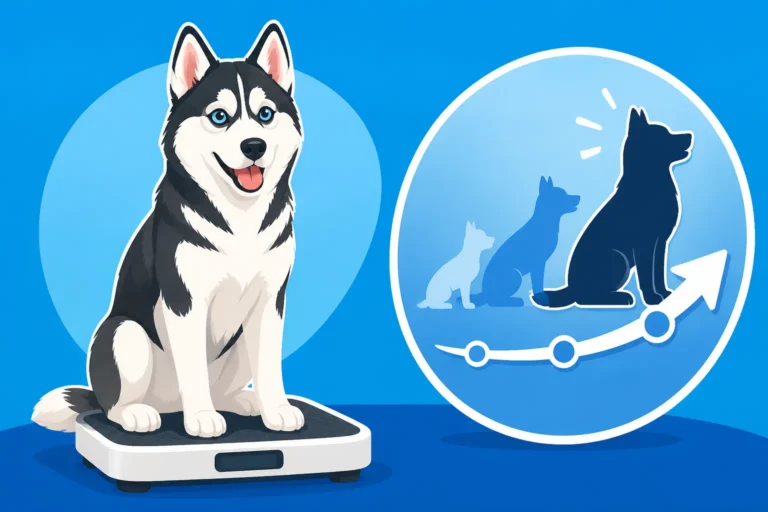
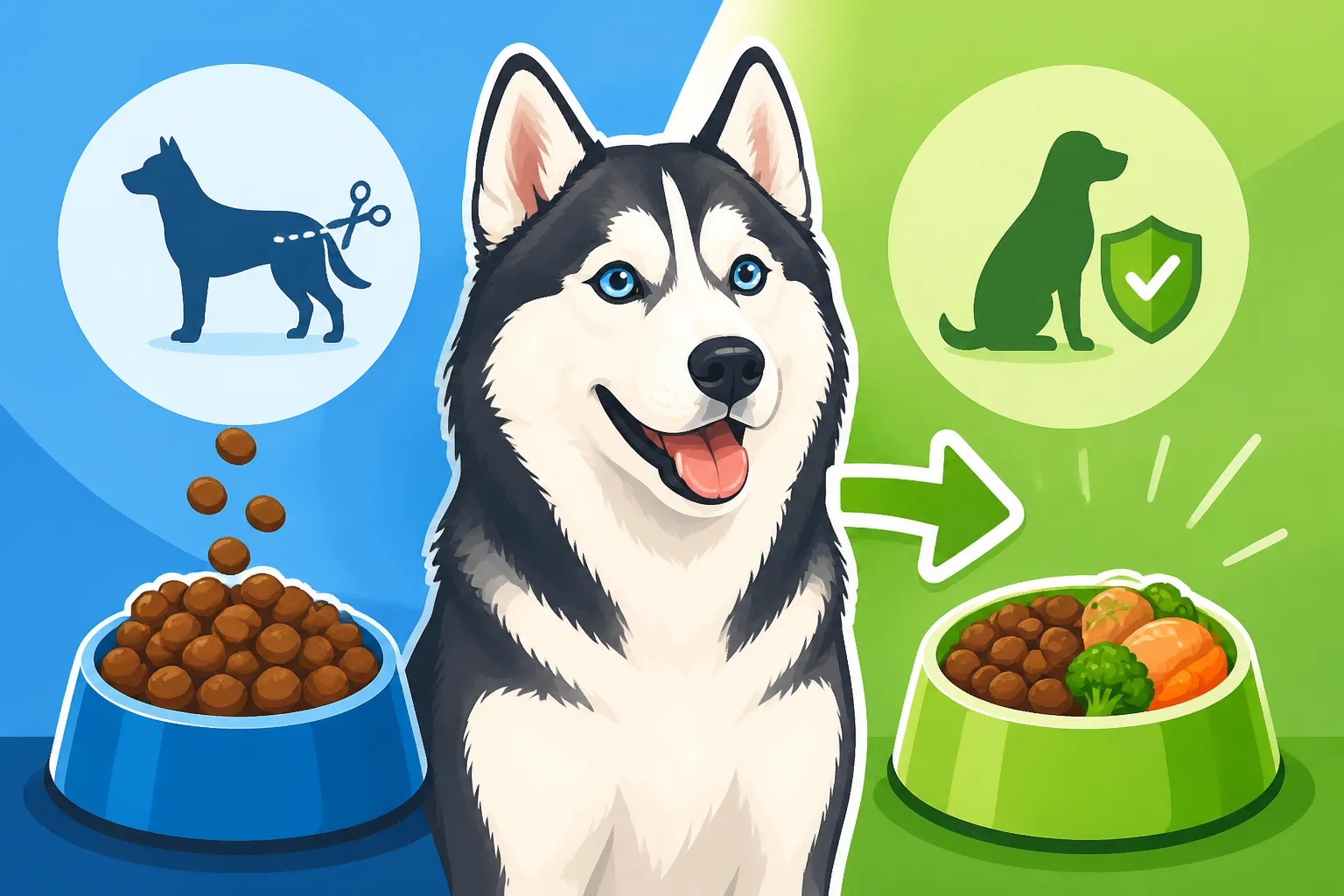
One of the most common concerns I hear from Siberian Husky owners, right up there with the escape artist antics, is about their dog's weight after neutering. It’s a real headache, because many people are told, "just cut back on their food," and then find themselves with a dog who is either suddenly ravenous, looking thin, or, conversely, slowly but surely packing on the pounds. This guide is here to walk you through the nuances of adjusting your Siberian Husky’s diet after they've been spayed or neutered, helping you navigate the metabolic shifts and keep them healthy and active.
Understanding the Metabolic Shift After Neutering
It's a common misconception that once a dog is spayed or neutered, their metabolism just immediately crashes, and they gain weight overnight. While weight gain is a very real risk, it's not quite that simple, especially with a breed like the Siberian Husky, who already boasts an incredibly efficient metabolism. Their bodies are built to run for miles on surprisingly few calories, a trait honed over centuries by the Chukchi people who developed them. After neutering, what actually happens is a subtle but significant metabolic shift that changes how your husky uses energy.
The removal of sex hormones, primarily testosterone in males and estrogen in females, is the key player here. These hormones influence a lot more than just reproductive function; they also play a role in regulating metabolism, maintaining muscle mass, and even impacting overall activity levels. When those hormones are no longer present or are greatly reduced, your husky's body requires fewer calories to maintain its weight and energy output. It’s like their internal furnace starts burning a little cooler, needing less fuel to keep the same warmth. This isn't an instant change, but a gradual one that can creep up on you if you're not paying close attention. You might not notice it for weeks or even months, but eventually, the pounds can start to accumulate, often unnoticed beneath that glorious, dense double coat. This is particularly important for a breed like the husky, where Siberian Husky Weight and Joint Health is already a factor in their long-term well-being.
Recognizing the Signs of Weight Gain and How to Adjust Food Portions
So, how do you know if your husky is starting to gain weight, especially when their thick coat can hide a lot? It's not about waiting until they look round; it’s about regular, hands-on assessment and understanding your dog's individual needs. Relying solely on the feeding guidelines on a dog food bag can be a huge mistake, as those are generic and often suggest too much food for an already metabolically efficient breed like the husky, even before neutering. After the surgery, these guidelines become even less reliable. As I've discussed before, Why the Bag's Feeding Chart Overfeeds a Siberian Husky is a critical piece of information for all husky owners.
The best tool you have is your hands. Regularly run your hands along your husky's sides and back. You should be able to feel their ribs without pressing hard, like feeling the knuckles on the back of your hand. You should also be able to easily make out a "waist" where their body tucks up behind their ribcage when viewed from above, and a slight tuck-up from the side. If those ribs are getting harder to feel, or the waistline is blurring, it’s time to act.
Here’s a simple body condition score chart that can help:
| Score | Description | What You Feel/See | Action |
|---|---|---|---|
| 1 | Emaciated | Ribs, spine, pelvic bones easily visible from a distance. No discernible fat. Severe muscle loss. | Consult vet immediately. Increase calories gradually. |
| 2 | Very Thin | Ribs easily visible. Spine and pelvic bones prominent. Minimal fat. Obvious waist. | Consult vet. Gradual calorie increase needed. |
| 3 | Ideal | Ribs easily palpable without excess fat covering. Waist easily noted. Abdominal tuck present. | Maintain current feeding. |
| 4 | Overweight | Ribs palpable with slight difficulty; definite fat covering. Waist discernible but not prominent. Abdominal tuck absent. | Reduce calories by 5-10%; increase exercise. Monitor closely. |
| 5 | Obese | Ribs not palpable or require significant pressure. No waist. Obvious abdominal distention. Fatty deposits. | Consult vet. Significant calorie reduction & increased exercise needed. |
When it comes to adjusting, start small and be patient. A sudden, drastic cut in food can make your husky feel constantly hungry and lead to behavioral issues, or even cause them to scavenge. Begin by reducing their daily food intake by about 5-10% of what you were feeding before neutering. For example, if you were feeding two cups, try reducing to 1.8 or 1.9 cups. If you measure your food by weight, which I highly recommend for accuracy, this becomes even easier. Monitor their weight and body condition over the next 2-4 weeks. If they’re still gaining, or not losing if they’re already a bit heavy, you can make another small adjustment. Remember, the goal is gradual change, not shock. You'll want to consistently check for Reading a Siberian Husky's Ribs Under the Coat to make sure you're on the right track. Many brands, like those found on Chewy, often have calculators on their websites or you can call their customer service for more precise guidance for spayed/neutered dogs, though it will still require your keen observation.
Implementing Sustainable Feeding Strategies and Preventing Future Weight Gain
Adjusting the amount of food is just the first step; maintaining a healthy weight in a neutered husky requires a holistic approach that includes high-quality nutrition, appropriate exercise, and mental enrichment. This isn't just about avoiding a chunky husky; it's about supporting their overall health and longevity.
First, let's talk about food quality. While huskies are known for their efficient metabolisms, they still thrive on high-quality, nutrient-dense food. Look for foods with good protein content to help maintain muscle mass, and appropriate fat levels for energy without excess calories. After neutering, some owners find their husky does well on a food designed for "less active" or "weight management" dogs, but always check the ingredients. You don't want to sacrifice essential nutrients for lower calories. Brands like Ollie, which offer fresh, human-grade food, can be a great option for precise portion control and high-quality ingredients, though you'll still need to adjust their suggested portions to your husky's post-neutering needs.
Exercise, as always, is paramount for a Siberian Husky. Neutering might reduce their baseline energy needs, but it doesn't erase their inherent drive to move. They still need consistent, vigorous exercise to burn calories, maintain muscle tone, and keep their minds engaged. This isn't just a leisurely walk around the block; we're talking about running, hiking, Canicross and Bikejoring With a Siberian Husky, or pulling activities. Two vigorous runs or long, brisk walks a day are a good starting point for many huskies. If their exercise levels drop, even a perfectly adjusted diet can lead to weight gain. Think about how their routine might have changed or needs to change to compensate for the metabolic shift. Even if you're not into intense dog sports, finding ways to make exercise fun and engaging is key. This could be long-line work in a safe, open space, or even just high-intensity fetch sessions in the yard.
Mental stimulation is another often-overlooked component. A bored husky is a destructive husky, and sometimes, a hungry husky. Dogs can seek out food as a form of self-soothing or entertainment if they’re not getting enough mental exercise. Incorporate puzzle feeders, like those found easily on Amazon, to make mealtime last longer and engage their brains. Using a portion of their daily kibble in training sessions throughout the day also adds mental stimulation and makes them "work" for their food, rather than just gulping it down in a few seconds. This is a great way to handle Treat Spending Through Siberian Husky Training without adding extra calories.
Common Pitfalls and What to Avoid When Adjusting Your Husky's Diet
Navigating dietary changes after neutering can feel like a minefield, and it's easy to fall into some common traps. Being aware of these can save you a lot of frustration and keep your husky healthier in the long run.
One of the biggest mistakes owners make is a sudden and drastic reduction in food. While the intention is good – to prevent weight gain – going too far too fast can backfire spectacularly. Your husky will feel constantly hungry, which can lead to begging, scavenging, or even attempting to raid the pantry. This intense hunger can also stress them out and make them less receptive to training. Instead, always opt for those small, incremental adjustments we talked about. It's much easier for their system (and their temperament!) to adapt to a 5-10% reduction than a 25% cut all at once. Remember that huskies are already designed to live on less, so being too aggressive with cuts can push them into a state of deprivation that is difficult to manage.
Another pitfall is assuming that a "light" or "senior" dog food is automatically the best solution without checking its nutritional profile. Sometimes these foods achieve lower calorie counts by filling them with excessive amounts of less digestible fillers, which might leave your husky feeling full but lacking in essential nutrients. Always prioritize high-quality protein and balanced nutrients, even in a lower-calorie formula. Read the ingredient list carefully and ensure the main ingredients are whole meat sources, not just by-products or vague "meat meals."
Ignoring subtle signs of weight gain is also a common issue. Because huskies have that incredible double coat, it's easy to miss those first few pounds creeping on. What looks like a healthy, fluffy dog might actually be an overweight one underneath. That's why the regular physical checks – feeling for ribs and noting the waistline – are so important. Don't wait until their veterinarian points out significant weight gain at their annual check-up, especially as your husky gets older and their metabolism naturally slows down even further. Caring for a Siberian Husky Past Ten will require even more careful dietary management.
Finally, remember that managing your husky's weight after neutering is an ongoing process, not a one-time fix. Their activity levels might fluctuate, their age will progress, and their individual metabolic needs can change. What works perfectly for six months might need a slight tweak next year. Consistent monitoring, regular weigh-ins (if possible, or at least body condition scoring), and open communication with your veterinarian are your best tools. They can help you fine-tune the diet, discuss any specific concerns, and ensure your magnificent Siberian Husky remains lean, healthy, and full of life for years to come.
Disclaimer
This article is for general informational purposes only and does not constitute professional advice. Laws, prices and regulations vary by location and change over time. Consult a qualified professional for guidance on your specific situation.