The Weight a Siberian Husky Hits at Six Months
Bringing home a Siberian Husky puppy is a whirlwind of joy, mischief, and, let's be honest, a good dose of worry. One of the biggest questions on every new Husky parent's mind is often about growth: is my puppy growing at the right rate? It’s especially common to wonder about their weight as they approach the six-month mark. This period is a critical stage in their development, and understanding what to expect regarding your Siberian Husky's weight can help you feel confident that you're raising a healthy, well-adjusted companion. This comprehensive guide will help you understand typical weight ranges, the many factors that influence growth, and how to effectively monitor your six-month-old Husky's development.
Understanding Siberian Husky Growth at Six Months
The first year of a Siberian Husky's life is marked by astonishing growth, but by six months, much of that initial rapid growth has already occurred. This isn't just about getting bigger; it's about developing strong bones, lean muscle, and the characteristic athletic frame of the breed. Owners often feel a bit of anxiety wondering if their puppy is hitting all the right milestones, especially since every puppy is unique.
The Rapid Growth Phase Leading to Six Months
From the tiny, fluffy bundle you might have brought home at eight weeks, your Siberian Husky has been on a fast track to adulthood. Those early months, from two to six months, are when you'll notice the most significant changes in size and weight. They're like little sponges, soaking up nutrients and converting them into bone and muscle at an incredible pace. It's a joy to watch, but it also means that what you feed them and how much activity they get has a profound impact. You'll see their puppy fat start to lean out, replaced by a more defined, albeit still gangly, adolescent physique. By six months, they're often reaching a good portion of their adult height and are well on their way to their mature weight, though they still have filling out to do.
It’s easy to get caught up in comparing your puppy to others you see online or at the dog park, but remember that genetics and individual variations play a huge role. Some puppies have growth spurts earlier, while others might have them a bit later. What's crucial during this phase is consistent, healthy growth, not necessarily being the biggest or heaviest. Their skeletal system is still maturing, so while they're gaining weight and height, we need to ensure it's happening in a way that supports their long-term joint health. This is why paying attention to diet and appropriate exercise is paramount.
Average Weight Ranges for Six-Month-Old Siberian Huskies
So, what's a "normal" weight for a six-month-old Siberian Husky? It's a question without a single, absolute answer, but we can give you some good averages to work with. Generally, by six months, male Siberian Huskies tend to weigh more than females, just as they do in adulthood.
For a male Siberian Husky at six months old, you can typically expect them to weigh somewhere between 35 to 50 pounds (approximately 16 to 23 kg). They're rapidly approaching their adult weight, but still have a bit to go before they reach their mature size. For female Siberian Huskies, the range is usually a little lighter, falling between 30 to 45 pounds (approximately 14 to 20 kg) at this age. Again, they're also getting close to their adult weight, but will likely continue to fill out and mature over the next several months.
It's important to view these numbers as general guidelines, not strict rules. There will always be healthy puppies that fall slightly outside these ranges. For instance, a pup from a smaller working line might be on the lower end, while one from a robust show line could be on the higher side. What really matters is that your puppy is growing steadily, is energetic, and has a good appetite. If your puppy is within these ranges, eating well, and full of typical Husky mischief, chances are they're right on track. Consistent monitoring and veterinary check-ups, as discussed in The Health Milestones of a Siberian Husky Year by Year, are key.
Individual Variation and Why It Matters
As much as we love to have clear-cut answers, when it comes to living creatures, there’s always room for individual variation. Your six-month-old Siberian Husky's weight isn't just a number; it's a reflection of their unique genetic blueprint, the care they've received, and their environment. Some Huskies are naturally leaner, even within the breed standard, while others carry a bit more substance. You might have a pup whose parents were on the smaller side of the breed standard, so naturally, they will likely be smaller at six months and as adults. Conversely, a pup from larger parents might weigh a bit more.
This is why looking at trends and your specific puppy's overall health is more important than fixating on an exact pound measurement. Are they consistently gaining weight (not too fast, not too slow)? Do they have good energy? Is their coat healthy? Are their eyes bright? These holistic indicators provide a much better picture of health than simply comparing their weight to a chart. Relying solely on averages can sometimes lead to unnecessary worry or, conversely, a missed opportunity to address a subtle issue. Your vet, knowing your puppy's history and lineage, is your best resource for interpreting these individual variations. They can tell you if your specific pup's growth pattern is healthy, even if it's not perfectly aligned with the middle of the "average" range.
Factors Influencing Your Husky Puppy's Weight
A Siberian Husky's weight at six months is a dynamic outcome influenced by a fascinating interplay of genetics, nutrition, activity, and overall health. Understanding these factors can empower you to support your puppy's healthy development, rather than just passively observing it.
Genetics and Lineage
The genetic legacy passed down from your Husky puppy's parents, and even their grandparents, is arguably the most significant determinant of their adult size and, by extension, their weight at six months. Just like humans, puppies inherit characteristics from their lineage. If both parents are on the smaller, lighter side of the Siberian Husky breed standard (which typically calls for males up to 60 pounds and females up to 50 pounds), then it’s highly probable your puppy will also trend towards that end of the spectrum. Conversely, if your puppy comes from a lineage of larger, more substantial Huskies, then they might naturally carry more weight at six months.
Beyond just the parents' physical size, the "line" of your Husky also plays a role. Are they from working lines, bred for endurance and speed, often tending to be leaner and more athletic? Or do they come from show lines, where a slightly heavier bone structure and more substantial build might be favored? These nuances in breeding can subtly influence growth patterns and final adult weight. This is why reputable breeders often share information about the parents' size and health, and why Reading a Siberian Husky Puppy's Health Paperwork can be so insightful. It provides a valuable peek into your puppy's potential genetic destiny, giving you a better idea of what "normal" might look like for your specific pup.
Nutrition and Feeding Practices
What you feed your Siberian Husky puppy, and how much, profoundly impacts their growth and weight at six months. This isn't just about giving them enough food, but about providing the right kind of food in the right amounts. High-quality puppy food designed for medium to large breeds provides the balanced nutrients, protein, and fat crucial for steady development. Overfeeding a puppy in an attempt to make them bigger faster is a common, but unfortunately detrimental, mistake. Rapid growth, particularly too much weight gain too quickly, can put undue stress on developing joints and lead to orthopedic problems later in life, even for a breed with relatively good hips like the Siberian Husky.
Conversely, underfeeding or providing low-quality food can lead to stunted growth and a puppy that is underweight at six months. It’s a delicate balance. Always follow the feeding guidelines on your chosen food bag, but remember that these are just starting points. Siberian Huskies are known for their efficient metabolisms, meaning they often require less food than similarly sized breeds, as detailed in Feeding a Siberian Husky on 60 Percent of the Label. You might find yourself adjusting the portions down. Brands like Chewy and Ollie offer a wide range of high-quality puppy foods, from kibble to fresh options, allowing you to choose what best fits your budget and your puppy's needs. Monitor your puppy's body condition – you should be able to easily feel their ribs but not see them prominently. If you’re unsure, a quick chat with your vet or an experienced breeder can help you fine-tune their diet.
Activity Levels and Metabolism
Siberian Huskies are, by nature, active dogs. Their very existence is rooted in a history of pulling sleds over vast distances. This inherent drive for activity significantly influences their metabolism and, consequently, their weight. A six-month-old Husky puppy that gets regular, appropriate exercise is likely to be leaner and more muscular than a less active one, even if they eat the same amount of food. Their efficient metabolism means they burn calories effectively, keeping them in good condition.
However, "appropriate" exercise is key for a growing puppy. While they have boundless energy, their growth plates are still open, and excessive high-impact exercise can cause damage. Structured play, short walks, and mental stimulation are far better than long, strenuous runs at this age. A puppy that is constantly active within safe limits will naturally develop lean muscle mass and maintain a healthy weight. If your Husky puppy seems lethargic or is gaining weight disproportionately despite moderate food intake and activity, it could be a sign to consult your vet. Conversely, a very active puppy who seems too thin might need a slight increase in calories, but always consult with your vet before making significant dietary changes. Understanding their unique energy needs is crucial for a healthy weight, especially as discussed in The Weight a Siberian Husky Should Hold.
Health and Wellness
A puppy's overall health and wellness are fundamental to their ability to gain and maintain a healthy weight. Any underlying health issue, even a subtle one, can impact their growth at six months. Parasites, for instance, are a common culprit. Intestinal worms can steal nutrients, leading to a puppy that looks pot-bellied and fails to thrive despite eating well. Regular deworming, as part of your puppy's initial veterinary care and ongoing parasite prevention, is essential.
Other health concerns, such as undetected congenital issues, digestive sensitivities, or even transient illnesses like a bout of puppy diarrhea, can temporarily or chronically affect a puppy's ability to absorb nutrients and gain weight. Even conditions like early-onset Siberian Husky Thyroid and Autoimmune Disease (though less common at six months) could subtly impact metabolism. It's why consistent veterinary check-ups are non-negotiable during their first year. Your vet will not only administer vaccinations but also perform thorough physical exams to catch any potential health issues early. If your six-month-old Husky is suddenly losing weight, struggling to gain weight despite adequate food, or exhibiting other symptoms like lethargy, vomiting, or diarrhea, it's always best to seek veterinary attention promptly. Early intervention can make a world of difference in a puppy's long-term health and growth trajectory.
Monitoring Your Six-Month-Old Husky's Weight and Condition
Monitoring your Siberian Husky's weight and overall body condition is an ongoing process that goes beyond just stepping on a scale. It involves regular observation, tactile assessment, and consistent veterinary oversight. This proactive approach ensures that any deviations from a healthy growth trajectory can be addressed quickly, giving your pup the best start in life.
Visual and Tactile Assessment
One of the most effective ways to monitor your Siberian Husky’s weight at six months is through a combination of visual assessment and hands-on checks. This is something you can easily do at home between vet visits. When you look at your puppy from above, you should see a clear waistline, an "hourglass" figure, rather than a straight line or a bulging middle. From the side, their abdomen should tuck up slightly after the rib cage, not hang low or appear distended.
Now, for the hands-on part: gently feel along their sides. You should be able to easily feel their ribs without pressing hard, much like feeling the back of your hand. If the ribs are visibly prominent, your puppy might be too thin. If you can’t feel them at all, or have to press firmly to do so, your puppy might be carrying too much weight. This tactile check is especially important for Siberian Huskies because their thick double coat can hide a lot, making it difficult to judge their condition by sight alone. Developing a routine of these checks, perhaps during a regular grooming session, can help you become attuned to your puppy's ideal body condition. This understanding is key to ensuring they maintain a healthy physique as they transition from puppyhood to adulthood.
Regular Weigh-Ins and Growth Charts
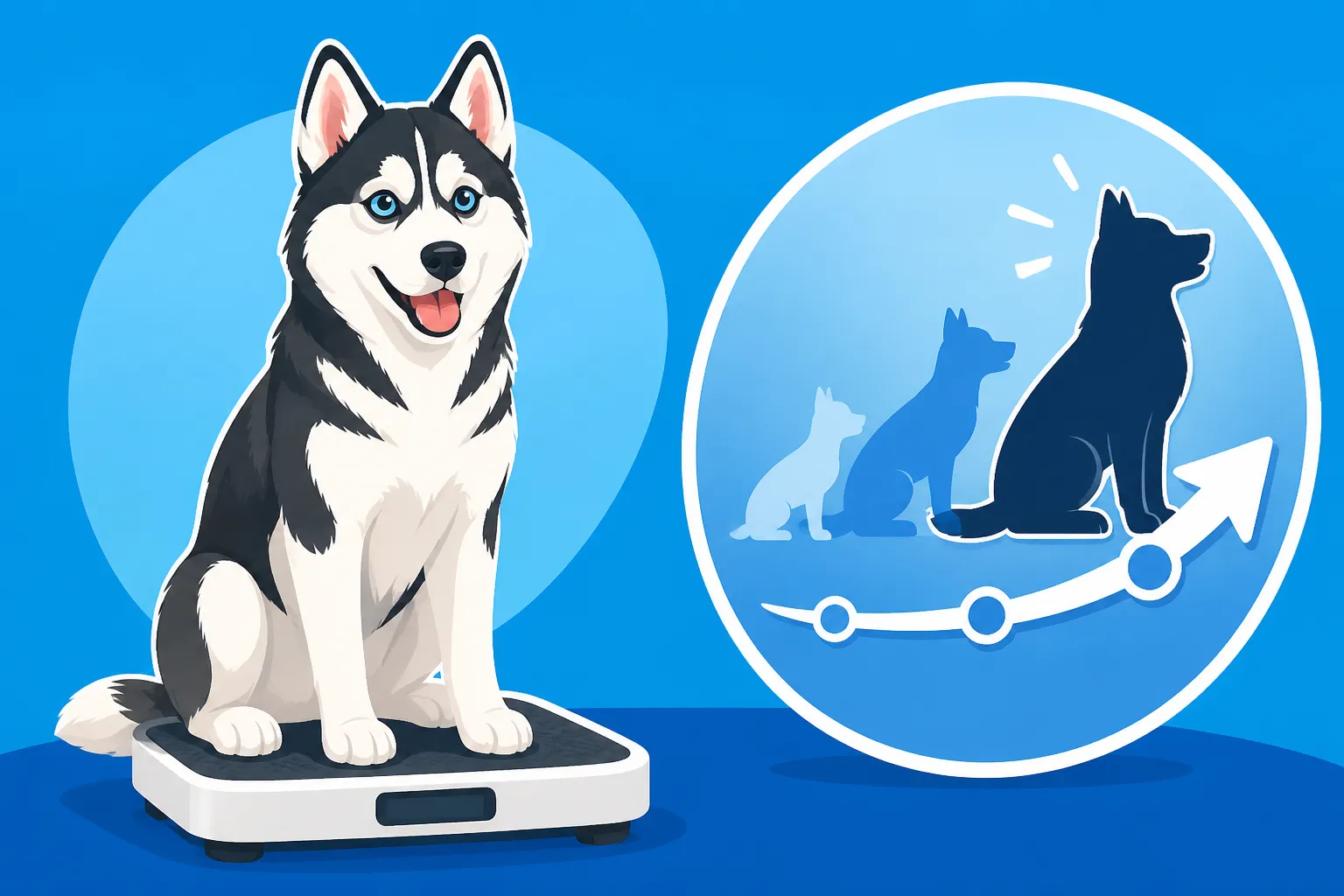
While visual and tactile assessments are invaluable, regular weigh-ins provide concrete data points that track your Siberian Husky's growth. At six months, your puppy is still growing, so consistent weight checks, perhaps monthly at home or at your vet's office, can help create a valuable growth chart. Most vet clinics have scales suitable for puppies, and many are happy for you to pop in for a quick weight check between appointments. This allows them to log the data and spot any concerning trends.
You can also purchase a reliable pet scale for home use, or simply weigh yourself, then weigh yourself holding your puppy, and subtract the difference. Plotting these weights on a simple chart can be incredibly reassuring, showing steady upward progress. If you notice a sudden drop, a plateau, or an excessively rapid gain, it's a good time to consult your veterinarian. These growth charts, combined with the body condition score, give a comprehensive picture of your puppy's development. They are an essential tool, particularly as their growth can vary, making it important to keep track of these physical changes. For a comprehensive overview, seeing how their growth aligns with The Ages a Siberian Husky Changes Health-Wise can be very insightful.
When to Consult Your Veterinarian
Even with diligent home monitoring, knowing when to call in the professionals is paramount. While minor fluctuations in appetite or energy are common in growing puppies, certain signs warrant immediate veterinary attention, especially concerning weight at six months. If your Siberian Husky puppy is significantly below the average weight range for their age and gender, or if they appear noticeably underweight despite eating regular meals, it's a red flag. Similarly, if they are markedly above the average, with ribs difficult to feel and a lost waistline, they could be at risk of being overweight, which has its own set of health implications.
Beyond just the numbers on the scale, look for other symptoms. Persistent diarrhea, vomiting, lethargy, a dull coat, or a lack of enthusiasm for play are all reasons to contact your vet. These could indicate parasites, an underlying illness, or a nutritional imbalance that needs professional assessment. Don't hesitate to reach out if you have concerns about A Siberian Husky That Leaves Food in the Bowl or if their appetite has drastically changed. Trust your gut feeling as an owner. You spend the most time with your puppy, and you’re often the first to notice when something feels "off." An early vet visit can often prevent a minor issue from becoming a major problem, ensuring your Husky continues on a healthy path toward adulthood.
Common Misconceptions About Husky Puppy Weight
When it comes to Siberian Husky puppies, there are a lot of ideas floating around about how they should grow and what they should weigh. Unfortunately, some of these ideas are based on misunderstandings and can lead owners down paths that aren't always best for their pup's long-term health. Let's clear up a few common misconceptions.
The Myth of "Bigger is Better"
It's natural to want your puppy to grow up big and strong, and sometimes, new owners fall into the trap of thinking that a bigger, heavier puppy is automatically a healthier one. This "bigger is better" mindset often leads to overfeeding, particularly during those critical rapid growth phases up to six months. However, for a breed like the Siberian Husky, which is designed for endurance and athleticism, rapid, excessive weight gain during puppyhood can actually be detrimental.
Studies have shown that puppies who grow too quickly or become overweight are at a higher risk for developing orthopedic issues later in life, such as hip or elbow dysplasia, even in breeds that generally have a low incidence of these problems. While Siberian Huskies are known for their sound hips, as discussed in Siberian Husky Hips and Why the Rate Is Low, stressing developing joints with extra weight is never a good idea. A lean, steady growth rate is far healthier than pushing for maximum size. We want our Huskies to develop a strong, lean frame that can support their active lifestyle for years to come, not a heavy frame that puts undue stress on their maturing bodies. Focus on lean muscle and healthy bone development, not just poundage.
Comparing Your Husky to Other Breeds
One of the biggest pitfalls for new Siberian Husky owners is comparing their puppy's size and weight to that of other breeds, especially larger, heavier breeds like Labradors, German Shepherds, or even Alaskan Malamutes. It's easy to look at a six-month-old Golden Retriever and then at your six-month-old Husky and think, "My Husky is so small!" However, this comparison is entirely unfair to the Husky. Siberian Huskies are a medium-sized breed, bred for speed and endurance, not sheer mass or power. Their build is naturally lighter, more agile, and incredibly athletic.
The AKC standard for Siberian Huskies defines males as typically 21 to 23.5 inches tall and 45 to 60 pounds, and females as 20 to 22 inches tall and 35 to 50 pounds. This is considerably smaller and lighter than many other breeds that might be considered "medium-large" or "large." So, if your six-month-old Husky is within the typical ranges discussed earlier (35-50 lbs for males, 30-45 lbs for females), they are likely right where they should be for their breed. Don't let comparisons to other breeds lead you to believe your Husky is underweight. Embrace their unique build; it's what makes them such incredible athletes and companions. For more context on their overall size, you can refer to Whether a Siberian Husky Counts as a Large Breed.
Early Sterilization and Growth Plate Closure
The timing of spaying or neutering a Siberian Husky can sometimes be linked to weight gain discussions, often with a misconception that early sterilization automatically leads to an overweight dog. While it's true that sterilization can impact a dog's metabolism, making them prone to weight gain if their diet isn't adjusted, it's not a direct cause of "being fat" if managed properly. A more nuanced discussion around early spay/neuter in Huskies involves their growth plates.
Research suggests that removing sex hormones before growth plates have naturally closed can lead to slightly longer limb bones, potentially altering joint angles and increasing the risk of certain orthopedic issues. For a Siberian Husky, whose athletic build relies on proper joint development, some veterinarians and breeders advocate for waiting until a puppy is closer to full maturity (often 12-18 months) before sterilizing. This allows the growth plates to close naturally. However, this is a complex decision with pros and cons, and it's something to discuss thoroughly with your veterinarian. Regardless of when you choose to spay or neuter, monitoring your Husky's weight and adjusting their food intake accordingly is crucial to prevent unhealthy weight gain, as highlighted in Neutering a Siberian Husky and the Coat Question. A sterilized Husky can still maintain an ideal weight and athletic condition with proper nutrition and exercise.
| Age | Male Siberian Husky (Typical Weight Range) | Female Siberian Husky (Typical Weight Range) | Key Development Stage |
|---|---|---|---|
| 8 Weeks | 10-15 lbs (4.5-6.8 kg) | 8-12 lbs (3.6-5.4 kg) | Rapid growth, learning basic commands. |
| 3 Months | 20-25 lbs (9-11.3 kg) | 18-23 lbs (8.2-10.4 kg) | Significant height gain, losing puppy roundness. |
| 6 Months | 35-50 lbs (16-23 kg) | 30-45 lbs (14-20 kg) | Approaching adult height, lean muscle development. |
| 9 Months | 45-55 lbs (20.4-25 kg) | 40-50 lbs (18-22.7 kg) | Filling out, nearing adult weight. |
| 12 Months | 45-60 lbs (20.4-27.2 kg) | 35-50 lbs (16-22.7 kg) | Most reach adult height and close to adult weight. |
| 18 Months | 45-60 lbs (20.4-27.2 kg) | 35-50 lbs (16-22.7 kg) | Full maturity, muscles continue to develop. |
Disclaimer
This article is for general informational purposes only and does not constitute professional advice. Laws, prices and regulations vary by location and change over time. Consult a qualified professional for guidance on your specific situation.