The Siberian Husky Hip Dysplasia Rate
It's a common worry for anyone bringing a larger dog into their family: the dreaded hip dysplasia. You hear stories, you see articles, and you assume it's just a rite of passage for many breeds. It can be incredibly disheartening to think about your active, playful companion facing a future of discomfort and limited mobility. But here's a little secret for my fellow Husky lovers – when it comes to hip health, Siberian Huskies often defy expectations. They’re built differently, and that translates into a surprisingly lower rate of hip dysplasia compared to many other popular breeds. This guide is all about understanding why your Husky's hips are likely healthier, what the numbers actually say, and how you can continue to support their joint health throughout their long, adventurous lives.
Understanding Canine Hip Dysplasia
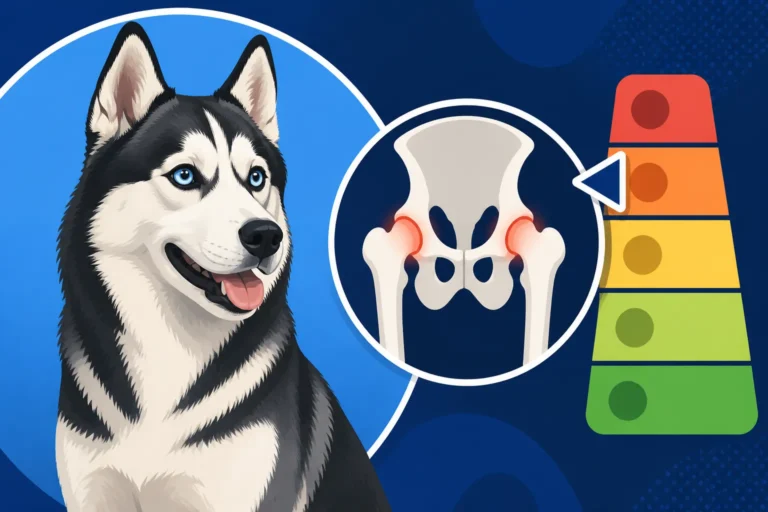
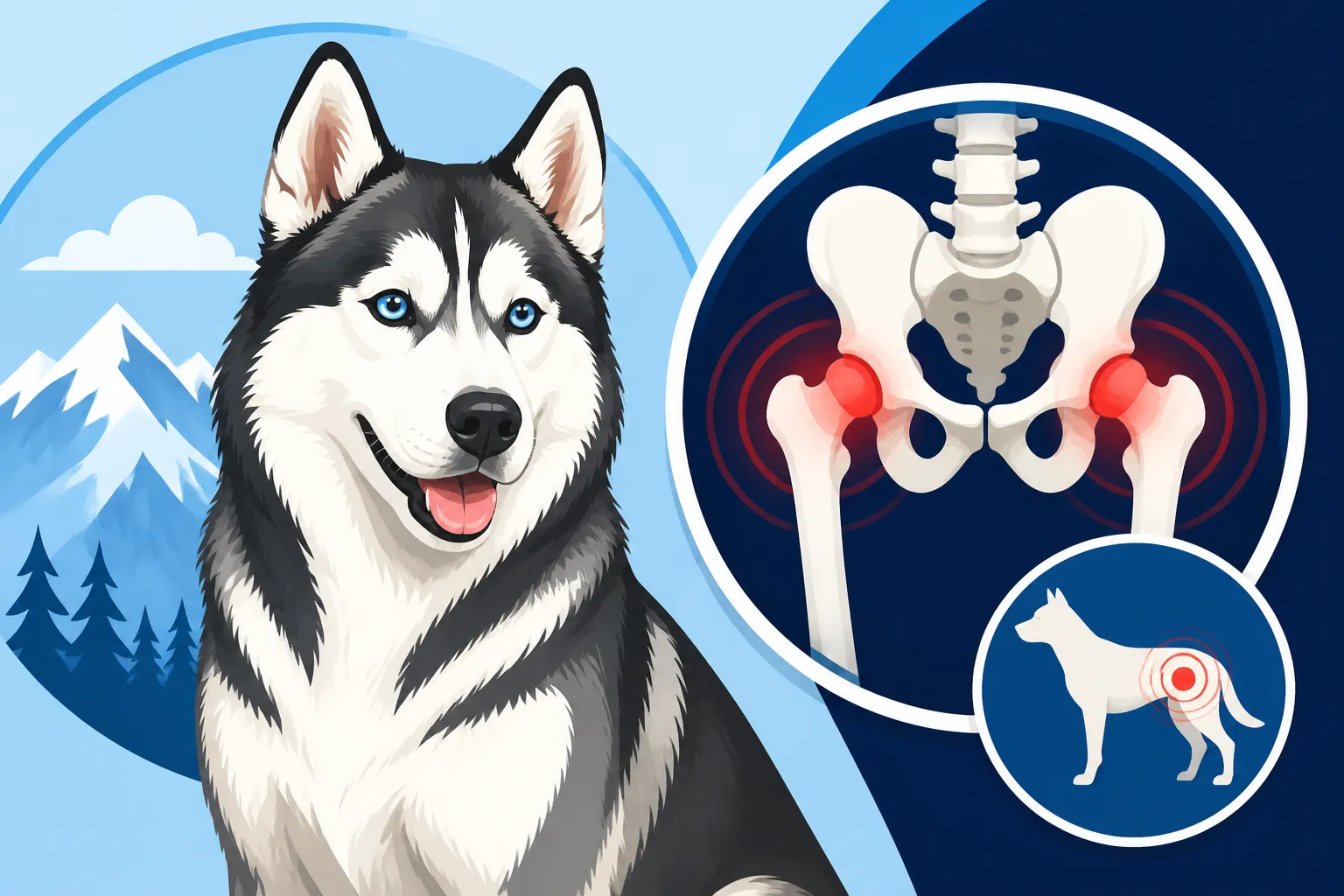
Before we dive into the specifics of Siberian Huskies, let's get a clear picture of what hip dysplasia actually is. It’s not some mysterious ailment; it's a developmental condition where the hip joint doesn’t form properly. Think of it like a ball and socket joint – in a healthy hip, the "ball" (the head of the femur, or thigh bone) fits snugly and smoothly into the "socket" (the acetabulum in the pelvis). When a dog has hip dysplasia, this fit is loose, or the socket is too shallow, or the ball is misshapen. This improper fit causes friction and wear over time, leading to pain, inflammation, and ultimately, degenerative joint disease or osteoarthritis.
The frustrations for owners dealing with hip dysplasia are real. You see your dog struggling to get up, hesitant to jump, or limping after a walk, and your heart just sinks. It’s a condition that can manifest in varying degrees of severity, from mild discomfort to severe lameness.
How Hip Dysplasia Is Diagnosed and Its Symptoms
Diagnosing hip dysplasia typically involves a combination of physical examination and X-rays. Your veterinarian might observe your dog's gait, feel for looseness in the joint, or notice signs of pain during manipulation. The definitive diagnosis usually comes from specialized X-rays, often performed under sedation, to get clear views of the hip joints. Organizations like the Orthopedic Foundation for Animals (OFA) and PennHIP provide standardized methods for evaluating hip radiographs, offering ratings that help breeders make informed decisions and give owners peace of mind (or a heads-up on potential issues). Learning how to understand these certifications is key, and you can find more detailed information on Reading a Siberian Husky's OFA Hip Result.
The symptoms of hip dysplasia can vary widely depending on the severity and the dog's age. Some puppies show signs as early as four or five months, while others might not exhibit issues until they're much older and arthritis has set in. Common signs include:
- Lameness or limping in one or both hind legs.
- Reluctance to jump, run, or climb stairs.
- Difficulty getting up from a lying position.
- A "bunny hopping" gait where both hind legs move together.
- Decreased activity levels.
- Stiffness or soreness, especially after exercise or first thing in the morning.
- Loss of muscle mass in the hindquarters as they try to avoid using painful muscles.
- Pain or sensitivity when the hip area is touched.
It's a heartbreaking journey for many, watching their once-energetic companion slow down. This is why understanding breed-specific predispositions and taking proactive steps is so important.
Breeds Most Commonly Affected
While any breed can technically develop hip dysplasia, it's far more prevalent in large and giant breeds. Breeds like German Shepherds, Labrador Retrievers, Golden Retrievers, Rottweilers, and Saint Bernards frequently appear on lists of breeds with high incidences of the condition. These breeds often have a heavier, more substantial bone structure, which, combined with rapid growth and genetic factors, can predispose them to improper hip development. It's a major focus for responsible breeders in these lines to screen their breeding stock meticulously.
The sheer frustration for owners of these breeds lies in the pervasive nature of the condition; it feels like an uphill battle sometimes, even with the best breeding practices. However, this is where the Siberian Husky steps off the beaten path, offering a glimmer of hope to those concerned about joint health.
The Siberian Husky's Unique Hip Health Profile
This is where the story gets really interesting for Husky enthusiasts! Despite being a medium-to-large breed, Siberian Huskies consistently demonstrate a significantly lower rate of hip dysplasia compared to their larger counterparts. This isn't just anecdotal; it's backed by decades of data from canine health registries. It’s one of the reasons why the overall Siberian Husky Lifespan and What Shortens It tends to be quite good compared to other breeds of similar size.
Why Siberian Huskies Have a Lower Incidence Rate
The reasons behind the Siberian Husky's favorable hip health are deeply rooted in their history, purpose, and physical build.
- A Lighter Build for Endurance: Siberian Huskies were bred by the Chukchi people of Siberia for endurance sled pulling over long distances in harsh conditions. This required a dog with an efficient, agile, and relatively light bone structure, not a heavy, powerful build like a freight-hauling Malamute. Their gait is designed for sustained trot, not explosive bursts or heavy impact. This lighter frame puts less stress on the developing hip joints throughout their lives.
- Function Over Form: Unlike some breeds that have undergone significant changes in conformation (appearance) for show ring aesthetics, the Siberian Husky has largely retained its functional working structure. Breeders focused on maintaining the traits necessary for their work – efficient movement, strong backs, and healthy joints – which naturally selected against severe hip problems.
- Origin and Genetic Bottleneck: The initial breeding stock that came to North America from Siberia was relatively small and selected for specific working traits. While this can sometimes lead to other genetic issues if not managed carefully, in the case of hips, it seems to have maintained a healthy baseline.
This unique combination of a functional working heritage and a lighter, athletic build has protected the breed from many of the hip issues seen in more heavily built dogs.
Official Statistics from Health Registries
When we look at official data, the numbers speak for themselves. The Orthopedic Foundation for Animals (OFA) is a primary source for hip evaluations in purebred dogs in the United States. Their publicly accessible database tracks hip scores for various breeds. For Siberian Huskies, the OFA data consistently shows a remarkably low percentage of individuals classified as dysplastic (meaning their hips are graded as Borderline, Mild, Moderate, or Severe).
Based on current OFA statistics, Siberian Huskies typically have a hip dysplasia rate in the low single digits, often between 2-5%. To put that into perspective, many breeds considered high-risk can have rates upwards of 15-20% or even higher. This means that a vast majority (over 90-95%) of Siberian Huskies submitted for OFA evaluation receive ratings of Fair, Good, or Excellent hips. This is an incredible testament to the breed's sound structure.
Let's compare the Siberian Husky's hip dysplasia rate to some other well-known breeds. This table uses general percentages based on historical and current OFA data, which can fluctuate slightly year by year, but consistently illustrates the Husky's advantage.
| Breed | Approximate OFA Dysplasia Rate | Typical Build | Original Purpose |
|---|---|---|---|
| Siberian Husky | 2-5% | Lean, athletic, endurance | Light, fast sled hauling |
| German Shepherd Dog | 15-20% | Strong, medium-heavy | Herding, guarding, utility |
| Labrador Retriever | 10-15% | Sturdy, medium-heavy | Retrieving, water work |
| Golden Retriever | 10-15% | Sturdy, medium-heavy | Retrieving, gun dog |
| Rottweiler | 15-20% | Heavy, powerful | Herding, guarding, carting |
| Australian Shepherd | 8-12% | Agile, medium-heavy | Herding |
As you can see, the Siberian Husky stands out with significantly lower rates, making them one of the healthier large-breed options in terms of hip joint integrity. This favorable genetic predisposition is one of the reasons many owners can look forward to The Ages a Siberian Husky Changes Health-Wise with less concern about debilitating hip issues.
Factors Still Influencing Hip Health in Huskies
Even with a low breed-wide rate, it’s important to remember that hip dysplasia is a polygenic trait, meaning multiple genes contribute to its expression, and environmental factors also play a role. So, while your Husky might be less likely to develop it, it's not impossible.
- Genetics: Poor breeding practices can still introduce or exacerbate existing genetic predispositions. Responsible breeders carefully screen their dogs. You should always ask about the OFA or PennHIP results of both parents when considering a puppy, as part of Health Testing Before You Buy a Siberian Husky.
- Nutrition: Rapid growth in puppies can put undue stress on developing joints. Feeding a high-quality, age-appropriate diet that supports slow, steady growth is crucial. Avoid overfeeding, especially in the first year, as excess weight at a young age is a known risk factor.
- Exercise: While Huskies are incredibly athletic, inappropriate or excessive high-impact exercise during critical growth periods (up to 12-18 months) can negatively affect joint development. Controlled exercise, like walks and short runs, is excellent, but avoid activities like intense agility, long-distance running, or jumping from high places until their growth plates have closed. This helps protect Siberian Husky Weight and Joint Health in the long run.
- Weight Management: Maintaining a lean, healthy weight throughout your Husky's life is paramount for joint health, regardless of their hip scores. Excess weight puts additional strain on all joints, including the hips, accelerating wear and tear and potentially worsening any pre-existing, even mild, dysplasia.
Debunking Common Myths About Husky Hips
It’s easy to get caught up in general statements about dog health, especially concerning larger breeds. Many people, understandably, project the high hip dysplasia rates of breeds like German Shepherds onto all bigger dogs. But with Siberian Huskies, it's really important to separate fact from fiction.
The Myth: "All Large Dogs Get Hip Dysplasia"
This is perhaps the biggest misconception out there, and it causes a lot of unnecessary anxiety for prospective Husky owners. While it's true that hip dysplasia is more common in large and giant breeds as a group, it's not a blanket statement that applies equally to every individual breed within that category. As the OFA statistics clearly show, the Siberian Husky is a significant outlier in this regard.
The difference lies in the specific breed's genetic blueprint, original purpose, and physical structure. A Great Dane, bred for guarding and often possessing immense size and bone, will naturally have different joint stresses and genetic predispositions than a lean, agile Siberian Husky, bred for sustained endurance and light pulling. The frustation here is that people get scared away from amazing breeds by generalized fears that simply don't apply.
The "Husky is a Large Breed" Nuance
Yes, a Siberian Husky is considered a medium-to-large breed. Males typically stand 21-23.5 inches tall and weigh 45-60 pounds, with females slightly smaller. However, compare this to a male German Shepherd Dog (65-90 pounds) or a Mastiff (160-230 pounds!). Huskies are built for speed and efficiency, not bulk. Their bones are dense but not overly heavy, and their musculature is lean and powerful, not massive.
This distinction is critical. Their physique minimizes the gravitational and kinetic forces acting on their hip joints, allowing them to move with grace and minimal impact, even at high speeds. This contributes significantly to their lower incidence of hip dysplasia. It’s not about their height as much as their overall body composition and weight distribution.
Working Lines Versus Pet Lines and Hip Health
There's often a discussion in breed circles about whether working lines (dogs bred for sledding, competitive sports) inherently have better health than "pet lines" or "show lines." In the case of Siberian Huskies and hip health, the distinction is less dramatic than with some other breeds. The breed's overall structure, whether from a working kennel or a show kennel, is generally quite sound.
However, it is true that working dog breeders, by necessity, place a high premium on soundness and functional anatomy. A dog that cannot run and pull without pain is useless to a musher. This continuous selection for efficient movement has indirectly, and sometimes directly, reinforced good hip health throughout the breed. Show breeders, especially those focused on maintaining the breed standard, also emphasize correct structure, which includes sound movement and good joint conformation. So, whether your Husky comes from a long line of racers or champions, the inherent breed characteristic of good hips tends to carry through. The key, as always, is finding a responsible breeder who performs health clearances like The Two Tests Siberian Husky CHIC Requires.
Proactive Care for Your Husky's Hip Health
Even with excellent genetics, taking proactive steps can ensure your Siberian Husky enjoys healthy, mobile hips throughout their life. It's about giving them the best possible foundation and maintaining it.
Choosing a Reputable Breeder Who Tests
This is, without a doubt, the single most impactful step you can take. A responsible breeder will prioritize the health of their puppies and will extensively screen their breeding stock for genetic conditions. For hips, this means having both parent dogs evaluated and certified by a recognized organization such as the OFA or through PennHIP.
- Ask for Documentation: Don't just take a breeder's word for it. Ask to see the official OFA certificates or PennHIP reports for both the dam and sire of the litter. These documents will clearly state the hip rating (e.g., OFA Excellent, Good, Fair, or PennHIP DI scores).
- Understand the Ratings: For OFA, you want to see parents with ratings of Fair, Good, or Excellent. Borderline is usually considered acceptable if paired with an Excellent, but breeding two Borderline dogs is often discouraged. Any rating of Mild, Moderate, or Severe dysplasia means those dogs should not be bred.
- Verify Online: You can often look up a dog's health clearances directly on the OFA website using their registered name or registration number. This transparency is a hallmark of an ethical breeder.
- Learn About the Breed's History: A good breeder will be knowledgeable about their lines and any historical health concerns, even if they're rare in Huskies.
By starting with a puppy from health-tested parents, you're stacking the odds in favor of your Husky having strong, healthy hips from day one.
Puppy Care for Optimal Joint Development
The period of rapid growth in a puppy's life is crucial for joint development. What you do during this time can profoundly impact their long-term hip health.
- Controlled Exercise, Not Excessive: Husky puppies are bundles of energy, but their growth plates (soft areas at the end of bones where growth occurs) are open and vulnerable until they close, typically around 12-18 months of age. Avoid forced, high-impact activities like long runs on hard surfaces, excessive jumping, or vigorous agility work until your vet confirms their growth plates are closed. Encourage natural play, short walks, and swimming (a great low-impact exercise) instead. Protecting their joints early on can prevent Cruciate Tears in Working Siberian Huskies later in life, and is a key part of The Health Milestones of a Siberian Husky Year by Year.
- Balanced Nutrition: Feed a high-quality, large-breed puppy food designed for slow, steady growth. Avoid diets that are too high in calories or calcium, as these can accelerate growth and put undue stress on developing joints. Your vet can advise you on the best food and feeding schedule. Remember, with Huskies, less is often more when it comes to food due to their efficient metabolism.
- Maintain a Lean Body Condition: Overweight puppies are at a significantly higher risk for hip dysplasia, even if genetically predisposed to good hips. Keep your puppy lean; you should be able to easily feel their ribs but not see them prominently.
Lifelong Joint Health Strategies
Even for a Husky with excellent hips, ongoing care is vital to support their mobility as they age.
- Maintain a Healthy Weight: This cannot be stressed enough. A lean body mass reduces stress on all joints. Regular checks of your Husky's weight and body condition are essential, especially as they enter their senior years. This is one of the most effective ways to prevent Early Arthritis Signs in a Siberian Husky.
- Regular, Appropriate Exercise: Continued regular exercise helps build and maintain strong muscles around the hips, providing natural support and stability. Daily walks, runs, hikes, or even Canicross and Bikejoring With a Siberian Husky are excellent choices. Just be mindful of their age and fitness level, especially as they get older.
- Joint Supplements: As your Husky approaches middle age (around 6-7 years) or if they begin to show any signs of stiffness, discuss joint supplements with your veterinarian. Ingredients like glucosamine, chondroitin, MSM, and Omega-3 fatty acids can help support cartilage health and reduce inflammation. Brands like Cosequin or Dasuquin are commonly recommended.
- Consider Pet Insurance: Even with the low rates of hip dysplasia, unexpected accidents or other health issues can arise. Pet insurance can provide invaluable financial peace of mind. Policies from providers like Healthy Paws can help cover the costs of diagnostics, treatments, and even ongoing management for conditions like arthritis that might develop in older dogs, whether or not it's directly related to dysplasia. It's smart planning for Caring for a Siberian Husky Past Ten.
- Warmth and Comfort for Senior Dogs: For older Huskies, providing a warm, comfortable sleeping surface can ease joint stiffness. Orthopedic dog beds are a fantastic investment for senior dogs, helping to cushion their joints and promote better sleep.
By being proactive and attentive to these aspects of care, you can help ensure your Siberian Husky enjoys a lifetime of joyful, pain-free movement, allowing them to truly live up to their adventurous spirit.
Disclaimer
Please remember, I’m a friendly lifestyle blogger, not a licensed veterinarian. The information provided here is for general knowledge and informational purposes only, and does not constitute veterinary advice. Always consult with a qualified veterinarian for any health concerns or before making any decisions about your pet's health or treatment.