Cleaning a Siberian Husky’s Erect Ears
It's easy to look at those beautiful, alert, erect ears on your Siberian Husky and assume they're practically self-cleaning. After all, they stand up so nicely, allowing air to circulate, unlike the floppy ears of many other breeds that tend to trap moisture and become breeding grounds for gunk and grime. But here's the honest truth: even those magnificent, upright ears need your attentive care. Neglecting them can lead to discomfort, smelly infections, and costly vet visits. This comprehensive guide will walk you through everything you need to know about keeping your Siberian Husky's ears sparkling clean and healthy, from understanding their unique anatomy to spotting the signs of trouble.
The Unique Anatomy of a Siberian Husky's Erect Ears
When you think about ear care for dogs, often the first images that come to mind are those adorable but often troublesome floppy ears of breeds like Basset Hounds or Cocker Spaniels. Owners of these breeds know the constant battle against trapped moisture, yeast, and bacteria. With their upright, alert ears, Siberian Huskies seem to sidestep many of these common pitfalls, giving many owners a false sense of security that their ears are maintenance-free.
Why Erect Ears Aren't Entirely Self-Cleaning
While it's true that the erect nature of a Siberian Husky's ears provides excellent air circulation, which is a huge advantage compared to their floppy-eared cousins, it doesn't make them immune to all problems. The inner ear canal, which is what we're primarily concerned with, still winds downwards and then turns at a right angle, creating a little cul-de-sac where debris, wax, and even water can get trapped. Gravity plays a role here; while air can get in, a bit of waxy buildup or a stray piece of dirt might not just "fall out" on its own.
Furthermore, a Husky's activity level often involves exploring dusty trails, digging in the dirt, or romping through tall grass. All these activities introduce foreign particles into the ear canal, and relying solely on the wind to clear them out is a recipe for potential irritation. Think of it like a chimney – it has a great draft, but it still needs to be swept occasionally to prevent blockages.
What Makes Husky Ears Different From Floppy Ears
The primary difference, as mentioned, is the openness to air. Floppy ears create a warm, moist environment that is a paradise for yeast and bacteria, leading to frequent and often recurring infections. This is why you often hear about breeds with pendulous ears needing weekly or even daily cleaning. Siberian Huskies, with their stand-up ears, benefit from a naturally drier and cooler ear canal. This significantly reduces the likelihood of yeast overgrowth and certain bacterial infections that thrive in humidity.
However, this doesn't mean their ears are impervious. They are still susceptible to environmental allergens, ear mites (especially in puppies or those with outdoor exposure), and foreign bodies like grass awns. The skin lining the ear canal can also become irritated from scratching or swimming, even if the overall environment is less conducive to serious infections. Understanding this distinction helps us appreciate their natural advantage while still recognizing the need for proactive care.
Recognising a Healthy Siberian Husky Ear
Knowing what a healthy Husky ear looks like, smells like, and feels like is the first step in effective ear care. When you lift your Husky's ear flap, the skin inside should be a pale pink color, smooth, and free from any redness, swelling, or crusting. There should be minimal earwax present – a small amount of light brown or yellowish wax is normal, acting as a protective barrier.
Most importantly, a healthy ear should have no noticeable odor. If you're smelling a yeasty, sweet, or foul odor emanating from the ear, that's a red flag. Your Husky also shouldn't be showing any signs of discomfort. They shouldn't be scratching excessively at their ears, rubbing their head along the carpet, or shaking their head vigorously more than occasionally. When you gently touch the base of their ear, they should be comfortable and relaxed, not flinching or pulling away. Getting familiar with the "normal" state of your Husky's ears will make it much easier to spot when something is amiss and address it promptly.
Essential Tools for Siberian Husky Ear Care
Before you embark on your ear cleaning journey, gathering the right supplies is crucial. Just like you wouldn't tackle a home repair project without the proper tools, you shouldn't approach your Husky's delicate ears unprepared. Having everything ready beforehand also helps make the process smoother and less stressful for both you and your dog, which is especially important for a breed that can sometimes be a bit particular about handling.
Choosing the Right Ear Cleaner
The market is flooded with ear cleaning solutions, and it can feel overwhelming to pick the right one. For a Siberian Husky, you'll want a gentle, non-irritating solution specifically formulated for dogs. Look for cleaners that are pH-balanced and contain ingredients like witch hazel, aloe vera, or mild antiseptics. Avoid anything with alcohol, as it can be very drying and irritating, particularly if there's any pre-existing inflammation in the ear. Some people even prefer natural alternatives, but always consult with your vet before introducing anything homemade or unproven into your dog's ears.
Many reputable pet supply retailers, like Chewy or Amazon, offer a wide array of choices. You might find brands that specialize in sensitive skin formulas, which can be a good starting point. If your Husky has recurrent issues, your veterinarian might recommend a specific medicated cleaner. The key is to select a product designed to break down wax and debris without causing irritation, leaving the ear clean and dry.
Gentle Cleaning Supplies
Beyond the cleaning solution, you'll need soft materials to actually wipe out the gunk. Cotton balls or sterile gauze pads are your best friends here. They are absorbent, soft, and won't scratch the delicate skin of the ear canal. You can also find pre-moistened ear wipes specifically designed for dogs, which can be incredibly convenient for quick clean-ups or for travel.
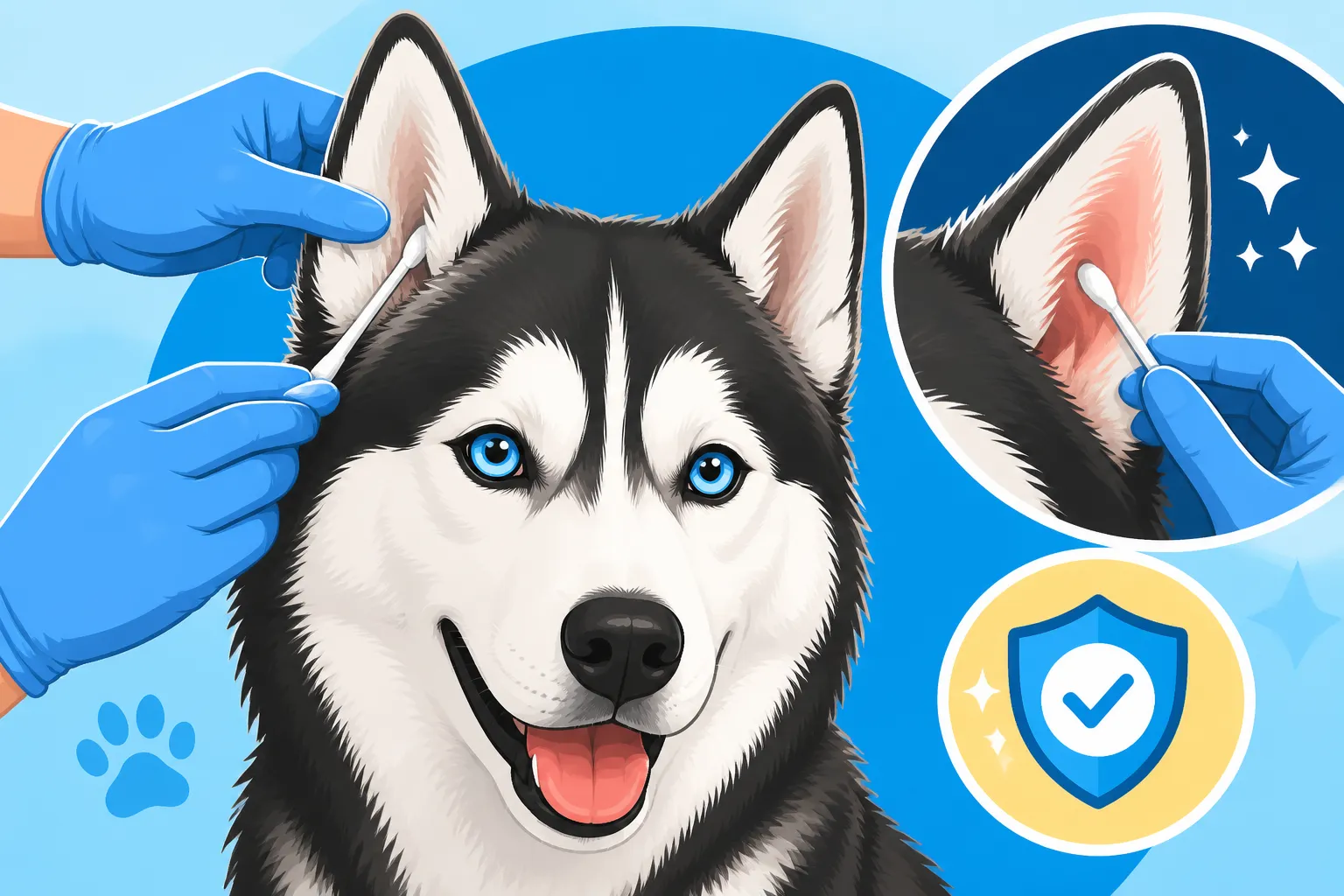
What you should never use are cotton swabs (Q-tips) down the ear canal. While they might seem perfect for reaching into crevices, they can actually push wax and debris further down, compacting it against the eardrum and potentially causing damage or infection. Cotton swabs are only safe for cleaning the visible folds and creases of the outer ear flap, not for anything that goes into the canal itself. Remember, gentleness is paramount when working with ears.
Rewards and Distractions
Siberian Huskies are intelligent, but they're also known for their independent and sometimes mischievous nature. Ear cleaning isn't usually high on their list of favorite activities. To make the experience positive and ensure cooperation, especially with a young dog, high-value treats and distractions are indispensable. Think super-tasty, tiny pieces of cooked chicken, cheese, or their absolute favorite store-bought training treats.
You might also consider a "lick mat" smeared with peanut butter (xylitol-free, of course!) or plain yogurt. This can keep them happily occupied and still for the few minutes it takes to clean their ears. Pair the cleaning process with lots of verbal praise and a calm, reassuring demeanor. Building a positive association with ear care from a young age will save you a lot of struggles down the line, turning a potential wrestling match into a tolerable, or even anticipated, routine for your Husky.
Step-by-Step Guide to Cleaning Your Husky's Ears
Now that you have your tools ready and your Husky (hopefully) prepared for some pampering, let's get down to the actual cleaning process. Remember, consistency and a gentle touch are key to making this a positive experience for your dog and an effective one for maintaining their ear health. Don't rush, and always prioritize your Husky's comfort and trust.
Preparing for the Cleaning Session
First things first, choose a calm environment where both you and your Siberian Husky feel relaxed. A bathroom or a quiet corner of your living room might work best. Lay out all your supplies: your chosen ear cleaner, cotton balls or gauze, and a generous supply of those high-value treats. If your Husky is prone to shaking their head vigorously after the solution is applied (which is entirely natural and often expected!), you might want to perform the cleaning outdoors or in an area that's easy to wipe down.
Get your Husky into a comfortable position. For many, having them sit or lie down with their head in your lap or to the side works well. If you have a particularly squirmy Husky, a second person can be incredibly helpful to offer gentle reassurance or hold the lick mat. Speak in a calm, soothing voice throughout the process. The goal is to make this a low-stress, routine part of their care, like brushing their teeth or a quick once-over for Siberian Husky Dental Disease by Age Five.
The Cleaning Technique
Once your Husky is settled, it's time to clean. Gently lift their ear flap to expose the inner ear canal.
- Apply the Cleaner: Hold the bottle of ear cleaner close to the ear canal opening. Follow the instructions on your specific product, but generally, you'll fill the ear canal with the solution. Don't be shy; you want enough liquid to really flush things out. It might feel a bit strange for your Husky, but it shouldn't be painful.
- Massage the Ear Base: Once the cleaner is in, gently massage the base of the ear (the part below the ear opening) for about 20-30 seconds. You should hear a squishy sound as the liquid moves around, breaking up wax and debris. This massage is crucial for getting the cleaner to work its magic.
- Allow Them to Shake: Step back and let your Husky shake their head. This is the natural way for them to dislodge the loosened gunk and excess solution. Be prepared for a spray of liquid – this is where the outdoor or easy-to-clean location comes in handy!
- Wipe Away Debris: After the head shake, take a fresh cotton ball or gauze pad and gently wipe out the visible parts of the ear canal and the inner ear flap. Go only as far as your finger can comfortably reach. You'll likely see some brownish-yellow residue, which is exactly what you want to remove. Keep using fresh cotton until no more visible debris comes out. Remember the rule: never put anything smaller than your elbow into your dog's ear canal.
Repeat this process for the other ear. Be patient, take breaks if needed, and always keep the tone positive.
Post-Cleaning Rewards and Observation
As soon as you're done with both ears, it's celebration time! Shower your Siberian Husky with praise and hand over those high-value treats. Make it clear that they've been a good dog and the "ordeal" is over. This reinforces the positive association and makes future cleanings easier.
After cleaning, take a moment to observe your Husky's ears. The inner ear might be slightly moist from the cleaner, but it should dry quickly. There should be no immediate redness or signs of irritation from the cleaning process itself. Over the next day or two, continue to keep an eye on their behavior. Are they still scratching or shaking their head? Is there any lingering odor? If you notice any signs of discomfort or if the ear doesn't seem to improve, it's a sign that something more than routine cleaning might be needed, and a vet visit is in order. Regularly checking their ears, perhaps during a quick pet or cuddle session, can help you stay on top of their health.
When to Clean and How Often
Establishing a routine for ear care can be tricky because every Siberian Husky is different, and environmental factors play a big role. There's no one-size-fits-all answer, but understanding the general guidelines and knowing what to look for will help you tailor a schedule that works for your individual dog.
Regular Maintenance vs. As-Needed Cleaning
For most healthy Siberian Huskies with no history of ear issues, a monthly or bi-monthly ear check with a light cleaning (if needed) is usually sufficient. This proactive approach helps prevent problems before they start. During these checks, you're not necessarily doing a full flush every time, but rather inspecting for any signs of redness, excess wax, or odor. If the ears look perfectly clean and smell fresh, you might just do a quick wipe with a damp cotton ball.
However, "as-needed" cleaning comes into play for several reasons. If your Husky enjoys swimming, especially in lakes or ponds, their ears will need more immediate attention. Water trapped in the ear canal can lead to infections. A quick dry and light cleaning with an ear drying solution after every swim is a good practice. Similarly, after a particularly dusty hike or a day spent rolling in the dirt, a gentle cleaning might be beneficial to remove environmental debris. Think of it as preventative maintenance, a bit like doing Parasite Prevention for an Outdoor Siberian Husky.
Signs That Your Siberian Husky's Ears Need Attention
Your Husky will often tell you, through their actions, that their ears need attention. Learning to read these subtle (or not-so-subtle) cues is vital. The most obvious sign is excessive scratching or rubbing at the ears. If your Husky is constantly pawing at their ears or dragging their head along the furniture or carpet, investigate immediately. Another common indicator is head shaking – occasional shakes are normal, but persistent or vigorous head shaking is a strong signal of discomfort.
Visually, look for redness or swelling inside the ear flap and canal. Healthy ears are pale pink; inflamed ears will look noticeably redder. A discharge that is anything other than a tiny amount of light brown wax is also a concern. This could be dark brown, black, yellow, or even greenish. And don't forget the smell test! A healthy ear should have almost no odor. A yeasty, sweet, or foul smell is a definite sign that something is brewing, and it's time for a cleaning or perhaps a vet visit.
Factors Increasing Ear Trouble
While Siberian Huskies are generally less prone to ear infections than some breeds, certain factors can increase their risk. Allergies, whether environmental (pollen, dust mites) or food-related, can manifest as itchy skin, and the ears are often one of the first places to show symptoms. If your Husky has chronic itchiness, ear issues might be linked to their overall allergy management. You might consult with your vet about options beyond just local cleaning, potentially exploring dietary changes or other allergy treatments.
Frequent swimming, as mentioned, can trap moisture and change the pH balance of the ear, making it more hospitable for microbial growth. Ensure you dry their ears thoroughly after every dip. Even certain grooming practices can inadvertently contribute to problems. For example, if bathing your Husky, take care not to get water deep into the ear canal, or use cotton balls to plug their ears temporarily during the wash. Knowing these risk factors allows you to be more vigilant and adjust your cleaning schedule accordingly, providing targeted care for your Husky's unique needs.
Common Ear Issues in Siberian Huskies and When to See the Vet
Even with the best preventative care, sometimes ear problems still arise. It's crucial for Siberian Husky owners to be able to distinguish between minor issues that can be managed at home with cleaning and more serious conditions that require professional veterinary intervention. Ignoring persistent ear problems can lead to more severe pain, hearing loss, and chronic conditions.
Identifying Potential Problems
There are several common culprits behind ear discomfort in dogs, and Huskies are no exception.
- Yeast Infections: Often present with a strong, sweet, or yeasty odor and a brownish, waxy discharge. The skin inside the ear might appear reddish and inflamed. Yeast thrives in warm, moist environments, so while less common in Huskies than in floppy-eared breeds, they can still occur, especially if the ear remains damp after swimming or if there's an underlying allergy causing inflammation.
- Bacterial Infections: These typically result in a foul-smelling discharge that can be yellowish, green, or even bloody. The ear will likely be very red, swollen, and painful to the touch. Your Husky might be intensely scratching or rubbing their ear.
- Ear Mites: More common in puppies or dogs that have spent time in shelters, ear mites cause intense itchiness and a characteristic dark, crumbly, coffee-ground-like discharge. They are highly contagious to other pets. Parasite Prevention for an Outdoor Siberian Husky is a good article to review if your Husky spends a lot of time outside or around other animals.
- Foreign Bodies: Things like grass awns or seeds can get lodged deep in the ear canal, causing sudden, intense irritation, head shaking, and pain. This is an emergency that requires veterinary removal.
- Allergies: As mentioned earlier, allergies can manifest as chronic ear inflammation and infections. If your Husky has recurring ear issues without obvious external causes, allergies might be the root cause. This could be environmental or food-related. Zinc-Responsive Dermatosis in the Siberian Husky is another skin-related issue that can sometimes show up around the face, highlighting how systemic issues can affect skin and ears.
The Importance of Veterinary Consultation
If you've cleaned your Husky's ears diligently and the symptoms persist or worsen within a couple of days, or if you notice any severe signs like intense pain, deep redness, swelling, or a truly foul-smelling discharge, it's absolutely time to see your veterinarian. Do not try to self-diagnose or treat with over-the-counter medications not prescribed by a vet, especially if you suspect a bacterial infection or ear mites. Using the wrong medication can make the problem worse, mask symptoms, or delay proper treatment, leading to a chronic condition.
Your vet will be able to perform an otoscopic exam to look deep into the ear canal, check the eardrum, and identify any foreign bodies. They might also take a swab of the discharge for cytology, which allows them to identify whether the issue is bacterial, yeast, or mites, and recommend the most effective treatment. Sometimes, underlying conditions like Siberian Husky Thyroid and Autoimmune Disease can also contribute to skin and ear health issues, making a vet's comprehensive look vital for The Health Milestones of a Siberian Husky Year by Year of their life.
Preventive Measures Beyond Cleaning
While regular cleaning is a cornerstone of ear health, there are other preventive steps you can take. If your Siberian Husky is a swimmer, always make sure to thoroughly dry their ears after they've been in the water. An ear-drying solution specifically for dogs can be very helpful here, as it often contains ingredients that help evaporate moisture.
Managing allergies is another critical preventative measure. If you suspect your Husky has environmental or food allergies, working with your vet to identify and manage these can significantly reduce ear problems. This might involve dietary changes, antihistamines, or other specialized treatments. Additionally, maintaining a generally healthy diet can support overall skin and coat health, which indirectly benefits the ears. Ensuring your Husky is otherwise healthy can prevent secondary problems.
Consider your Husky's living environment. If they spend a lot of time outdoors in areas with tall grasses, inspect their ears for grass awns after each outing. These pesky plant parts can burrow into the ear canal and cause serious issues.
Remember that proper ear care is just one piece of the overall health puzzle for your beloved Husky. By being proactive and knowing when to seek professional help, you can ensure their ears stay as healthy as the rest of them.
Comparing Ear Cleaning Options: Solutions vs. Wipes
When it comes to keeping your Siberian Husky's ears clean, you essentially have two main categories of products: liquid ear cleaning solutions and pre-moistened ear wipes. Each has its advantages and disadvantages, and the best choice often depends on your specific needs, your Husky's temperament, and the type of cleaning required.
Here's a comparison to help you decide:
| Feature | Liquid Ear Cleaning Solutions | Pre-Moistened Ear Wipes |
|---|---|---|
| Purpose | Deep cleaning, flushing out debris from the ear canal. | Surface cleaning, quick touch-ups, removing visible dirt. |
| Application | Squirted directly into the ear canal, followed by massage. | Wiped directly onto the visible parts of the ear. |
| Effectiveness | Excellent for breaking down wax and flushing out deeper gunk. | Good for removing superficial dirt, wax, and light buildup. |
| Convenience | Can be a bit messy, requires a dedicated cleaning session. | Very convenient for quick, on-the-go cleaning. |
| Mess Factor | Higher due to head shaking and liquid expulsion. | Lower, as there's no liquid to shake out. |
| Usage Frequency | Less frequent, often as part of a monthly or bi-monthly routine. | More frequent, ideal for daily or weekly quick cleans. |
| Best For | Routine deep cleaning, addressing minor wax buildup. | Maintaining cleanliness between deeper cleans, travel. |
| Cost | Varies, often cost-effective per application for larger bottles. | Can be more expensive per wipe, especially for specialty brands. |
For a Siberian Husky, a combination of both might be ideal. You could use a liquid solution for a thorough cleaning every 2-4 weeks, especially if your Husky has been particularly active outdoors or swimming. Products available from Chewy or through Amazon's pet supplies section offer a wide range of choices for these solutions. In between those deeper cleans, ear wipes are fantastic for quick daily or weekly maintenance. For instance, if you notice a bit of dirt around the outer folds of the ear, a wipe can handle it easily without the fuss of a full liquid cleaning. This hybrid approach ensures comprehensive care while also offering the convenience for minor touch-ups. Just ensure that any wipes you use are specifically formulated for dogs and free from harsh chemicals.
Disclaimer
This article is for general informational purposes only and does not constitute professional advice. Laws, prices and regulations vary by location and change over time. Consult a qualified professional for guidance on your specific situation.