Why a Shaved Siberian Husky Overheats
It's a common, heartbreaking misconception that shaving your Siberian Husky will help them stay cool in the summer heat. Many well-meaning owners believe they're doing their furry friend a favor, only to discover their Husky struggles even more, often overheating. This guide is here to unravel the truth about your Husky's incredible coat, explain precisely why shaving is detrimental, and empower you with effective, safe ways to keep them comfortable when temperatures rise.
The Marvel of the Siberian Husky's Double Coat
Before we dive into why shaving causes problems, let's truly appreciate the engineering marvel that is a Siberian Husky's coat. It's not just fur; it's a sophisticated, dual-layer system that has evolved over thousands of years to protect them in extreme climates, both hot and cold. Understanding this natural design is key to understanding why interfering with it is so counterproductive.
Insulation Against Cold and Heat
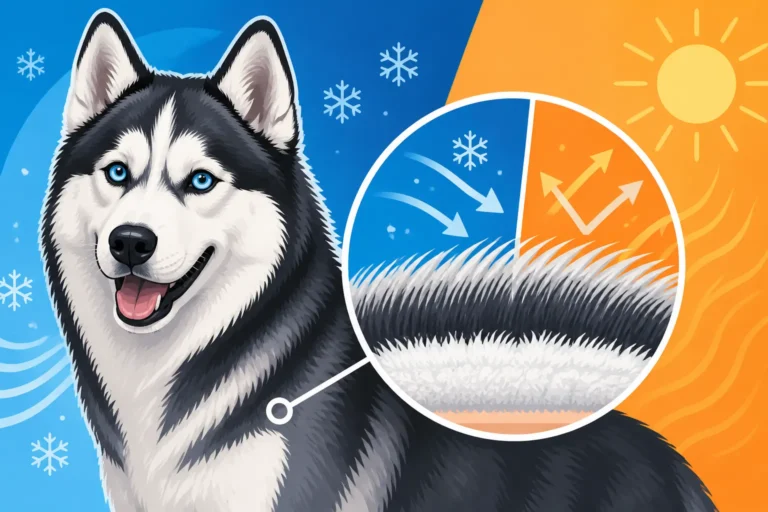
Your Siberian Husky's coat is what we call a "double coat," consisting of two distinct layers. The outer layer is made of coarse, water-repellent guard hairs. These are the longer, stiffer hairs you see, and their primary job is to protect against elements like snow, ice, rain, and also harsh sunlight. Beneath this lies the incredibly dense, soft undercoat. This fluffy layer is what truly provides the insulation.
In cold weather, this undercoat traps a layer of warm air close to the body, preventing heat loss. It's like wearing a high-tech down jacket that's perfectly custom-fitted. But here's the kicker: this same principle works in reverse for heat. In warmer weather, that dense undercoat still traps air, but it acts as a barrier against external heat. It prevents the sun's rays from directly hitting the skin and helps maintain a more stable body temperature. Think of it as insulation in a house—it keeps the heat in during winter and out during summer. When your Husky experiences their Siberian Husky Coat Blow and the Six Weeks It Lasts in spring, they are naturally thinning this undercoat, preparing for warmer temperatures while still retaining the essential protective layers.
Sun Protection and Skin Health
Beyond temperature regulation, the double coat, especially those robust guard hairs, provides crucial protection for your Husky's delicate skin. Imagine stepping out into strong midday sun with no shirt on; your skin would be vulnerable to sunburn. It's the same for your Husky. Their guard hairs act as a natural sunscreen, filtering harmful ultraviolet (UV) rays from reaching their skin. Without this natural barrier, their skin is directly exposed, leading to a myriad of problems.
The risk of sunburn is not just uncomfortable; it can be painful, leading to blistering, peeling, and increased vulnerability to skin infections. Over time, repeated sun exposure on unprotected skin can even increase the risk of skin cancers, just as it does in humans. Furthermore, the coat helps to protect against insect bites and minor abrasions from brushing against plants or rough surfaces. It's a comprehensive protective suit that your Husky wears year-round. Any attempt to remove this natural shield inadvertently exposes them to dangers their bodies aren't designed to handle.
What Happens When You Shave a Siberian Husky
So, you've decided to shave your Husky, perhaps thinking you're doing them a kindness in the scorching summer. What actually happens? The consequences are often the opposite of what you intended, leading to discomfort and potential health issues for your dog. It's a choice that can have immediate, visible impacts and lasting repercussions on their coat and overall well-being.
Disrupting Natural Thermoregulation
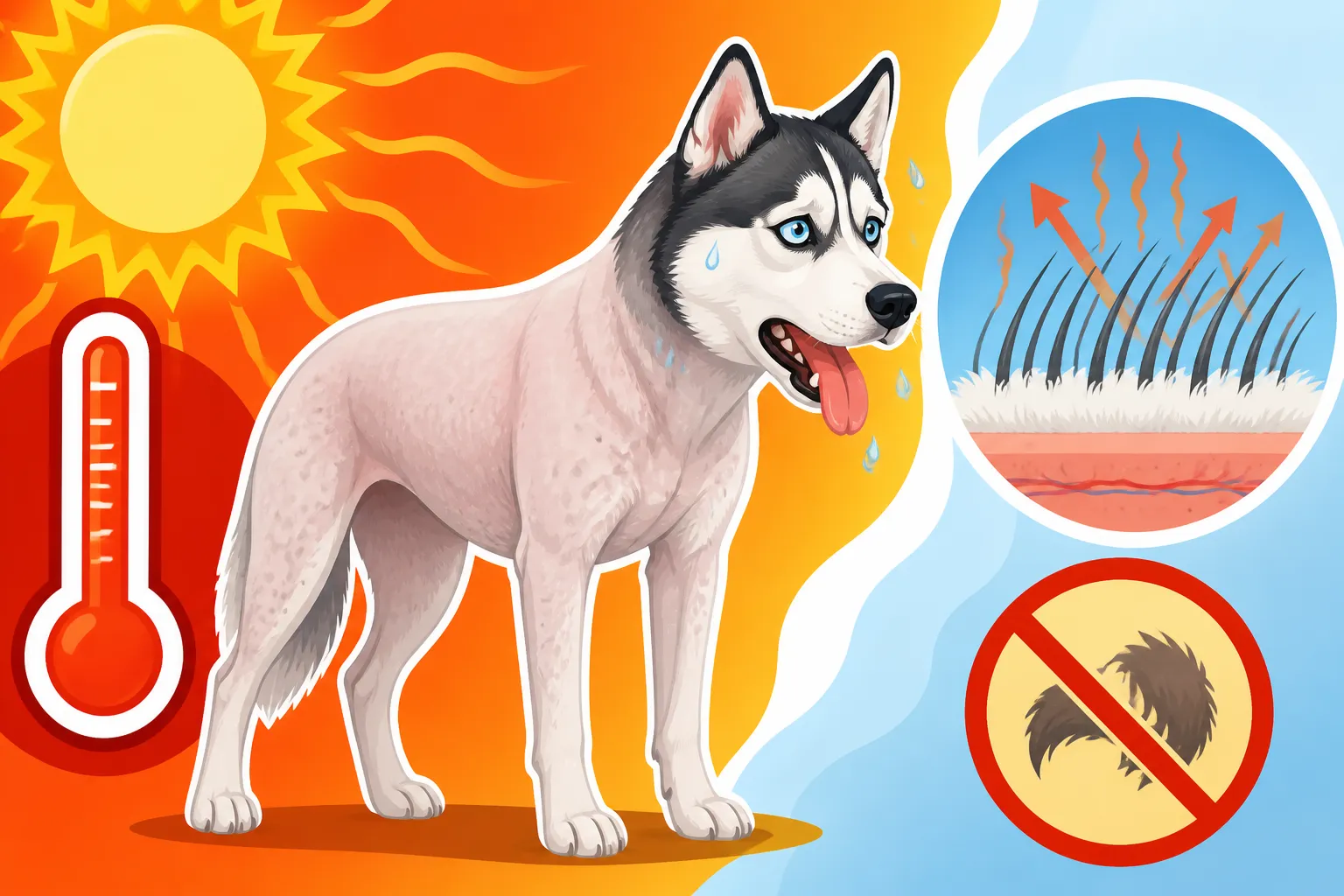
When you shave a Siberian Husky, you're not just removing hair; you're dismantling a finely tuned climate control system. You strip away both the guard hairs and much of the insulating undercoat. This leaves their skin utterly exposed. Instead of helping them cool down, you actually hinder their body's ability to regulate temperature effectively. The trapped air layer, which kept them cool by acting as a thermal barrier against external heat, is gone. Now, their skin is directly hit by the sun's powerful rays, absorbing heat much faster than it would with its coat intact.
Their body then has to work even harder to try and cool down, primarily through panting. This increased effort can quickly lead to exhaustion and put them at a much higher risk of overheating or, even worse, heatstroke. Many owners observe their shaved Huskies panting more, seeking shade more frantically, and generally appearing more uncomfortable in the heat than before they were shaved. It's a prime example of how human intervention, however well-intentioned, can disrupt nature's perfect design.
Sunburn, Skin Damage, and Coat Issues
The most immediate and obvious danger after shaving your Siberian Husky is Sunburn Risk on a Shaved Siberian Husky. Their skin, which has always been shielded by a thick layer of fur, is now completely vulnerable to UV radiation. Just like fair-skinned humans, a Husky's skin can burn quickly, leading to painful red patches, blistering, and peeling. Imagine your dog having a severe sunburn all over their body – it's incredibly uncomfortable and can even require veterinary intervention for pain and infection.
Beyond sunburn, the exposure can cause other dermatological problems. The skin can become dry, flaky, or irritated, leading to scratching and potential hot spots or infections. Furthermore, the act of shaving itself can sometimes cause razor burn or nicks, creating entry points for bacteria. It's a stark reminder of Why You Must Never Shave a Siberian Husky, as the coat isn't just aesthetic; it's a vital part of their health infrastructure.
Why Shaving is Not a Solution for Heat Management
The allure of a "cool" shaved coat is strong, especially when you see your beloved Husky panting on a hot day. However, it's a false promise that stems from a misunderstanding of their unique physiology. Let's debunk the myth and focus on what truly works.
The Myth of the "Cooling Shave"
Many people assume that because they feel cooler with less hair on a hot day, their dog will too. This human analogy simply doesn't apply to a double-coated breed like the Siberian Husky. Humans sweat profusely across their skin to cool down. Dogs, primarily, cool down through panting and through the pads of their feet. Their coats are not designed to be shed in the same way human hair is, and they don't have sweat glands across their body like we do.
When you shave off that protective double coat, you remove the natural insulation that helps keep external heat out. Instead of feeling cooler, your Husky's skin is now exposed directly to the sun's radiant heat, causing them to absorb more warmth, not less. The air that was once trapped as a buffer against both cold and heat is gone, making them more susceptible to temperature fluctuations rather than less. It's counterintuitive, but the thick coat is actually their best defense against the sun's scorching rays. The feeling of cool air directly hitting their skin might seem refreshing to us, but for a Husky, it's removing their natural air conditioning system and exposing them to the elements.
Safer and More Effective Cooling Strategies
Instead of reaching for the clippers, focus on strategies that work with your Husky's natural design to help them manage the heat. The goal is to facilitate their existing cooling mechanisms and reduce their exposure to extreme temperatures.
One of the most important things you can do is diligent grooming. Regular, thorough de-shedding is crucial. This involves removing the loose, dead undercoat that accumulates, especially during their seasonal "coat blow." This process thins out the undercoat, allowing for better air circulation closer to the skin without compromising the protective guard hairs. You can find excellent Undercoat Rakes and Blowers for a Siberian Husky on platforms like Chewy or Amazon, which are designed to get deep into the coat and remove loose hair without cutting. A professional groomer who specializes in double-coated breeds can also perform a "blow out" which uses a high-velocity dryer to push out all the dead undercoat, significantly improving air flow. This is far more effective and safer than shaving, and many groomers offer specific Professional De-Shedding for a Siberian Husky services.
Beyond grooming, consider these practical steps:
- Timing Walks: Walk your Husky during the coolest parts of the day – early mornings and late evenings. Avoid midday heat entirely. Pay attention to Timing Siberian Husky Walks in Hot Weather.
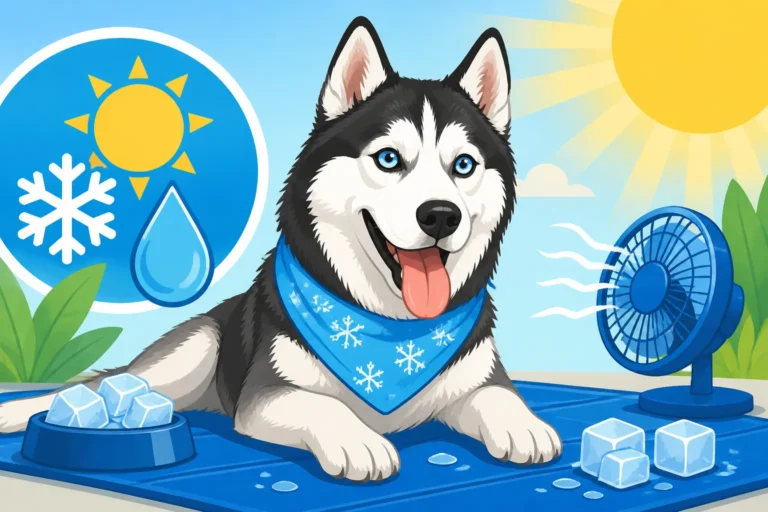
- Plenty of Water: Always have fresh, cool water available. Consider adding ice cubes or offering a frozen treat.
- Shade and Shelter: Ensure your Husky always has access to shade, whether in your yard or on walks. If they are outdoors, a shaded, well-ventilated kennel or a digging spot where they can cool themselves will be vital.
- Cooling Aids: Cooling a Siberian Husky Down Fast can involve things like cooling mats, elevated dog beds that allow air circulation, or even a shallow kiddie pool for them to splash in. Brands like Amazon offer a wide variety of such products.
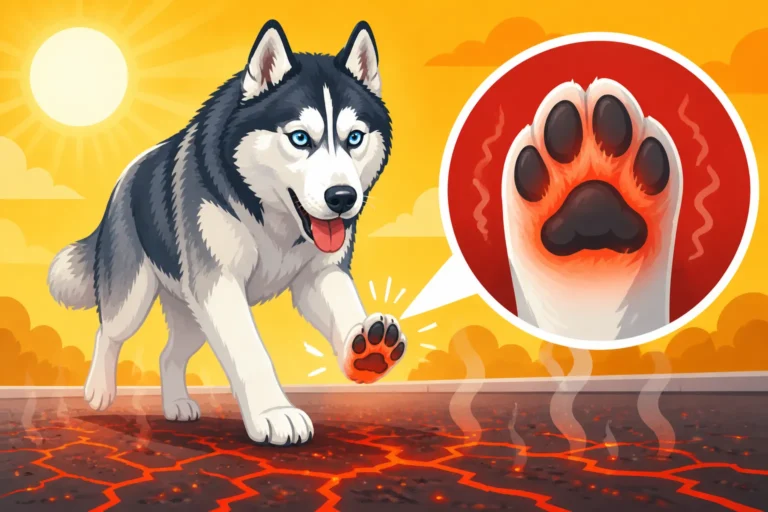
- Avoid Hot Surfaces: Hot pavement can burn their paw pads. If it's too hot for your hand, it's too hot for their paws.
- Limit Strenuous Activity: On hot days, mental stimulation or short, low-impact play is better than intense running. The Heat Stroke Risk in a Siberian Husky is very real.
Long-Term Consequences and Responsible Care
The decision to shave a Siberian Husky isn't just a short-term gamble; it can have lasting effects on their coat quality, skin health, and overall comfort. Responsible Husky ownership means understanding and respecting the unique biological design that makes them so magnificent.
Permanent Coat Damage and 'Shave Shock'
One of the most disheartening consequences of shaving a Siberian Husky is the potential for permanent damage to their coat, often referred to as "shave shock" or "post-clipping alopecia." After shaving, the coat often grows back unevenly, sometimes patchy, and with a significantly altered texture. The soft undercoat may grow back faster and thicker than the coarser guard hairs, leading to a "wooly" or cottony texture that is much more prone to matting. The guard hairs, which are essential for protection and weatherproofing, might not grow back at all, or they may grow back very slowly and sporadically.
This disruption can mean your Husky's coat never returns to its original protective state. It loses its ability to shed properly, to insulate effectively against both heat and cold, and to protect against the sun. This makes them more susceptible to weather extremes, not less. It can take years, if ever, for a damaged coat to partially recover, and many owners are left wondering Whether a Shaved Siberian Husky Coat Ever Recovers. The structural integrity of the coat is vital to the breed, and once it's compromised, it's a long, uphill battle to restore it.
The Importance of Professional De-shedding
Given the risks associated with shaving, the best approach for managing your Siberian Husky's coat and helping them stay comfortable in warmer weather is consistent, proper grooming, particularly de-shedding. This process focuses on removing only the loose, dead undercoat while leaving the protective guard hairs intact.
A professional groomer experienced with double-coated breeds uses specialized tools, like powerful force dryers (A High-Velocity Dryer for a Siberian Husky Coat is key here, often available on Amazon or Chewy for home use too), and undercoat rakes to gently separate and remove the shedding undercoat. This creates air channels within the remaining coat, allowing for much better airflow close to the skin. It helps the Husky's natural thermoregulation system work efficiently without stripping away their defenses. Regular de-shedding appointments, especially during the spring and fall "coat blow" seasons, can significantly reduce shedding in your home and help your Husky stay cooler and more comfortable naturally. It's an investment in their health and comfort, working with their biology rather than against it.
| Feature | Shaving a Siberian Husky | Professional De-shedding (Blow Out) |
|---|---|---|
| Purpose | Misguided attempt to "cool" by removing hair | Removes dead undercoat, promotes airflow, maintains protection |
| Effect on Guard Hairs | Removes completely | Leaves intact |
| Effect on Undercoat | Removes completely, or leaves stubble that grows back unevenly | Thins significantly, but maintains insulating properties |
| Sun Protection | Eliminates; increases sunburn risk | Maintains; provides natural UV protection |
| Thermoregulation | Disrupts; leads to increased heat absorption and overheating | Enhances; allows natural cooling and insulation against heat |
| Coat Regrowth | Often results in "shave shock," patchy, wooly, mat-prone coat | Coat regrows evenly, maintaining natural texture and function |
| Skin Health | Increases risk of sunburn, irritation, skin infections | Supports healthy skin by promoting air circulation |
| Long-Term Impact | Potential for permanent coat damage and ongoing discomfort | Maintains coat health, function, and comfort year-round |
Disclaimer
This article is for general informational purposes only and does not constitute professional advice. Laws, prices and regulations vary by location and change over time. Consult a qualified professional for guidance on your specific situation.