Keeping a Siberian Husky Cool Through Summer
Summers can be a real challenge for us Husky owners, can't they? That gorgeous, fluffy coat that keeps them toasty warm in the bitter cold of winter suddenly feels like a heavy blanket when the temperatures soar. Many of us worry constantly about our adventurous Siberian Huskies getting too hot, struggling with the humidity, or even succumbing to heatstroke. This comprehensive guide is here to walk you through everything you need to know about keeping your beloved Husky safe, comfortable, and happy during those long, hot summer months, from understanding their unique biology to emergency care.
The Husky Double Coat: Friend or Foe in Summer?
It’s easy to look at a Siberian Husky in the middle of July and think, "My goodness, how do they stand all that fur?" And while it might seem counterintuitive, that thick double coat is actually a marvel of natural engineering, designed to protect them from both extreme cold and, to a lesser extent, extreme heat. The key is understanding how it works and, more importantly, how not to interfere with it.
How the Double Coat Works for Temperature Regulation
A Siberian Husky's coat is made up of two distinct layers: a soft, dense undercoat and longer, coarser guard hairs. The undercoat is incredibly insulating, trapping air close to the body, which helps to keep them warm in winter. But here's the magic trick for summer: this same principle can help them stay cooler. When properly maintained, the undercoat acts like an insulating barrier against external heat, preventing the sun's rays from penetrating directly to their skin. The guard hairs, meanwhile, repel water and dirt, and provide UV protection.
Think of it like the insulation in your house. In winter, it keeps the warm air in. In summer, it keeps the hot air out, helping to maintain a cooler interior. For a Husky, a healthy, well-groomed coat allows for air circulation near the skin, which is crucial for carrying away heat. The loft of the fur creates an air pocket that shields them from the direct heat of the sun and helps dissipate body heat. It's a truly sophisticated system, and one we need to respect rather than try to "fix."
Why Shaving is a Major Mistake
Despite the best intentions, shaving a Siberian Husky in summer is one of the biggest and most common mistakes owners make. It feels logical, right? Less fur, less heat. But it actually does the opposite and can cause a host of problems. When you shave off that protective double coat, you remove their natural insulation. Their skin is then directly exposed to the harsh sun, making them far more susceptible to overheating and painful sunburn. Imagine stepping outside naked in a heatwave – not ideal!
Beyond the immediate risks of overheating and sunburn, shaving can permanently damage their coat. When the fur grows back, it often comes in patchy, uneven, and sometimes only the soft undercoat grows, which can mat easily and completely lose its protective properties. This condition is often referred to as "clipper alopecia" and can be a long-term, frustrating issue for both you and your Husky. It compromises their ability to regulate temperature year-round and can lead to a dull, unhealthy-looking coat. For more details on this, you can read Why You Must Never Shave a Siberian Husky.
Managing the Coat During Seasonal Blows
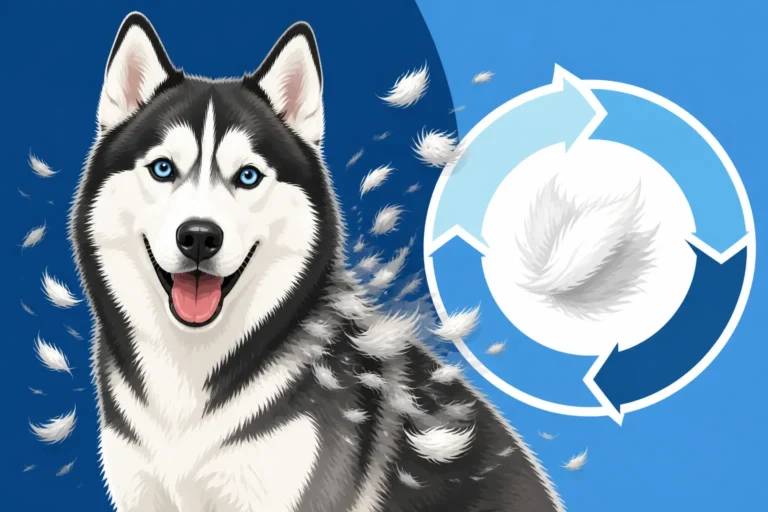
Instead of shaving, the best way to help your Husky's coat work for them in summer is through diligent grooming, especially during their "coat blow" seasons. Huskies typically shed their entire undercoat twice a year, usually in spring and fall, in a dramatic event we lovingly call a "coat blow." During this time, they will lose an incredible amount of fur. It can look like a snowstorm of white fluff, even if your Husky is black! This intense shedding is their body's way of preparing for the change in seasons, getting rid of the heavy winter undercoat to allow a lighter one to grow in, or vice-versa.
During a coat blow, it is absolutely essential to brush them thoroughly and frequently, sometimes even daily, for several weeks. This helps to remove all the dead, loose undercoat, which, if left trapped, will prevent proper air circulation and actually make them hotter. Using a good undercoat rake and a high-velocity dryer can be incredibly effective. Many professional groomers offer de-shedding services that use powerful dryers to blast out the loose undercoat, which can be a lifesaver for your sanity and your Husky's comfort. This creates space for air to move freely against their skin, significantly improving their natural cooling mechanism. For a deeper dive into this phenomenon, check out Siberian Husky Coat Blow and the Six Weeks It Lasts.
Spotting the Red Flags: Signs of Overheating
Siberian Huskies are tough dogs, bred for endurance in extreme conditions, but they are not immune to heat. In fact, their dense coat makes them more prone to overheating in warm climates. As their owner, it's critical that you become a hawk, watching for even the subtlest signs that your Husky is struggling. Ignoring these warnings can lead to a rapid progression from discomfort to a life-threatening emergency.
Early Warning Signs of Heat Stress
The earliest signs of heat stress are often easy to miss if you're not paying close attention. Your Husky might start panting more heavily than usual, with their tongue hanging further out than you typically see. Their gums might appear a brighter red than normal as their blood vessels dilate to release heat. They'll actively seek out shade or cooler spots in the house, perhaps lying on tile or concrete rather than their bed. They might also appear more lethargic, less interested in playing, or move a bit slower than usual.
It's important to remember that heavy panting is their primary way of cooling down, as dogs don't sweat like humans do across their skin. Instead, they sweat primarily through their paw pads and cool themselves by panting, where moisture evaporates from their tongue and respiratory tract. When panting becomes excessive, rapid, and very deep, it’s a clear signal that their natural cooling system is working overtime and might be starting to fail. Don't dismiss these signs; they are your Husky's way of telling you they're in trouble.
Progression to Heat Exhaustion and Heatstroke
If the early signs are ignored, heat stress can quickly escalate into heat exhaustion and then heatstroke, which is a medical emergency. With heat exhaustion, you might notice additional symptoms like weakness, dizziness, a slightly unsteady gait, or excessive drooling. They may start to vomit or have diarrhea. Their body temperature will be elevated, usually above 103°F (39.4°C), but it might not yet be in the critical range. At this point, immediate intervention is needed to prevent heatstroke.
Heatstroke is characterized by a core body temperature rising above 105°F (40.6°C). The symptoms become much more severe and alarming: profound weakness, collapse, seizures, confusion, disoriented behavior, dark red or purplish gums, and rapid, irregular heartbeat. Their breathing can become labored and shallow. At this stage, organ damage, including kidney failure, brain swelling, and disseminated intravascular coagulation (DIC), which affects blood clotting, can occur quickly. This is a life-or-death situation, and every minute counts. For more on how severe heat affects them, refer to The Temperature a Siberian Husky Starts Struggling At.
The Silent Danger: When Huskies Mask Discomfort
One of the challenging aspects of owning a Siberian Husky is their stoic nature. Bred for endurance and resilience in harsh environments, they often won't overtly complain or show pain until they are really suffering. This can be a silent danger during hot weather. They might try to keep up with you, pushing themselves beyond their limits, especially if they are highly motivated by play or training. They don't always "know when to quit" or communicate their discomfort as clearly as other breeds might.
This stoicism means you, as the owner, must be extra vigilant. Don't rely solely on them to tell you they're too hot. Instead, be proactive in managing their environment and activity levels. Observe their normal behavior and look for subtle deviations. Are they usually bouncing around but now choosing to lie down? Are they typically excited for a walk but now hesitant? Trust your gut instinct. If something feels off, it's always better to err on the side of caution and assume they might be feeling the heat.
Here’s a quick overview of overheating signs:
| Symptom Category | Early Warning Signs (Heat Stress) | Advanced Signs (Heat Exhaustion/Heatstroke) |
|---|---|---|
| Breathing/Panting | Heavy, rapid panting; tongue hanging out more than usual | Extremely rapid, shallow breathing; gasping; labored breathing |
| Gums | Bright red | Dark red, purplish, or pale |
| Energy Level | Lethargy, reluctance to move, seeking shade | Weakness, stumbling, collapse, disorientation, seizures |
| Body Temperature | Elevated (e.g., 102-104°F) | Very high (105°F+); hot to the touch |
| Other | Excessive drooling | Vomiting, diarrhea, glassy eyes, irregular heartbeat |
Smart Exercise Strategies for Hot Weather
Just because it's summer doesn't mean your Siberian Husky can skip exercise entirely. These dogs are working animals with boundless energy, and without an outlet, they can become destructive or anxious. The trick is to be smart and strategic about when and how they exercise to keep them active without putting them at risk of overheating. It requires a shift in routine and a lot of planning.
Timing Walks and Runs: Before Dawn, After Dusk
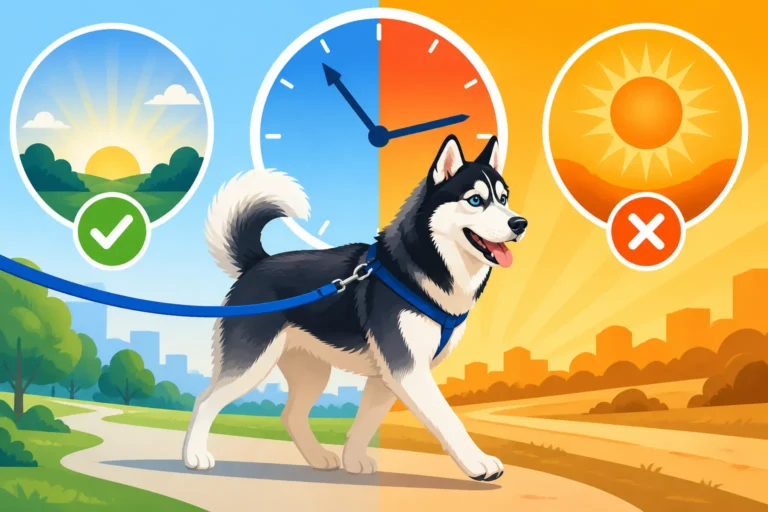
This is perhaps the most crucial adjustment you can make to your Husky's summer exercise routine. During the peak heat of the day – usually from late morning through late afternoon – the sun is at its strongest, and the air temperature is at its highest. These are absolute no-go times for strenuous activity with a Husky. Instead, shift their main exercise sessions to the coolest parts of the day.
This typically means very early mornings, right as the sun is coming up, or even before it. The pavement will be coolest, and the air will still hold some of the night's chill. Similarly, late evenings after the sun has set and the ground has had a chance to cool down are also ideal. A quick test with your hand on the pavement will tell you if it's too hot for their paws, but even if the ground feels okay, the air temperature might still be too high for their respiratory system. Remember, a cool breeze doesn't always equate to safe exercise for a double-coated dog. For insights into the limits of their endurance, consider reading Running a Siberian Husky in Summer Heat.
Short Bursts vs. Long Endurance Sessions
Siberian Huskies are known for their incredible endurance, but summer is not the time to test those limits. Instead of one long, continuous run or hike, break up their exercise into shorter, more frequent bursts. A 15-20 minute brisk walk or an intense play session in the cool morning can be much safer and more effective than a 45-minute trek in moderate heat. Multiple short sessions throughout the day, always during the coolest hours, can satisfy their need for activity without overstressing their system.
It’s also important to recognize that not all exercise needs to be high-impact. Mental stimulation is just as important as physical exercise for a smart breed like a Husky. Consider puzzle toys, training sessions indoors, or sniff games in the yard during cooler moments. These activities can tire them out mentally without pushing their body temperature dangerously high. Focus on quality over quantity during the summer months.
Water Activities and Low-Impact Exercise
Water can be your Husky's best friend in summer, provided they enjoy it! Many Huskies love to splash and play in shallow water. A trip to a dog-friendly lake, a river with a gentle current, or even a supervised session in a kiddie pool can be a fantastic way to burn energy and cool down simultaneously. Be cautious with strong currents or deep water, as not all Huskies are natural swimmers, and supervise them closely. Always rinse their coat with fresh water afterward, especially if they've been in chlorinated pools or saltwater, to prevent skin irritation.
Beyond swimming, consider low-impact options. A walk around an air-conditioned pet store (if allowed and not crowded) can offer some novelty. Early morning hikes on shaded trails can work, but always carry plenty of water for both of you and know your exit points. If you have access to large, fully shaded, grassy areas, a game of fetch or tug can still happen, but again, keep it short and watch for any signs of discomfort. Remember, even with these activities, constant monitoring for overheating is paramount.
Sanctuary Indoors: Cooling Your Husky's Home Environment
Your home should be your Siberian Husky's ultimate refuge from the summer heat. While outdoor management is important, ensuring a cool, comfortable indoor environment is absolutely essential for their well-being. It's not just about turning on the AC; it's about creating a multi-layered cooling strategy to give them the best chance to stay comfortable and safe.
The Critical Role of Air Conditioning and Fans
For many Husky owners in warmer climates, air conditioning isn't a luxury; it's a necessity. Maintaining a consistent, cool indoor temperature is the most effective way to prevent overheating. Aim for a temperature that keeps them comfortable, typically in the low to mid-70s Fahrenheit (around 22-24°C), or even cooler if your Husky seems to prefer it. If you need to leave them alone for periods, never turn the AC off completely or set it too high, as indoor temperatures can skyrocket quickly.
Supplementing AC with fans can also be very beneficial. Ceiling fans, box fans, or oscillating fans can help circulate cool air, creating a pleasant breeze that aids in evaporation and cooling. Position fans in areas where your Husky likes to rest, but ensure they can move away if they choose. A fan isn't a substitute for AC in extreme heat, but it can enhance comfort and make slightly warmer temperatures more tolerable. Remember to ensure all cords are safely tucked away and out of chewing range. For more tips, check out Cooling Mats and Fans for a Siberian Husky.
Cooling Mats and Elevated Beds
Direct contact with a cool surface can provide significant relief for an overheated Husky. Cooling mats, often filled with gel that activates under pressure, or simply designed with materials that dissipate heat, are a fantastic investment. Place them in their favorite resting spots or near a fan. Some Huskies take to them immediately, while others might need a little encouragement. Always ensure the mat is intact and not chewed, as the gel can be toxic if ingested.
Elevated beds, often made with mesh or trampoline-like material, are another excellent option. They lift your Husky off the hot floor, allowing air to circulate all around them, including underneath. This prevents heat from radiating from the ground directly into their body and allows for better airflow, which is critical for their double coat. Combining an elevated bed with a fan blowing underneath or across it can create a very effective personal cooling station. Brands like Chewy and Amazon offer a wide variety of cooling mats and elevated beds, so you can find one that suits your Husky's size and your budget.
Strategic Use of Shade and Ventilation
Even indoors, smart use of shade and ventilation can make a big difference. Keep blinds or curtains drawn on windows that receive direct sunlight, especially during the hottest parts of the day. This prevents solar gain from heating up your home. If you have rooms that tend to stay cooler, like a basement or a north-facing room, make sure your Husky has access to these areas.
Ensure good ventilation throughout your home. Open windows at night or in the early morning if the outside air is cooler than inside (and if it's safe to do so). Cross-ventilation can help push out stale, warm air and bring in fresher, cooler air. If you're using fans, position them to create a flow of air through the house. The goal is to make sure air isn't stagnant and that any heat your Husky radiates can be efficiently carried away.
Safe Outdoor Practices for Summer Fun
While keeping your Husky indoors during the hottest hours is paramount, they still need supervised outdoor time for potty breaks and, during cooler parts of the day, some fun. Making their outdoor spaces safe and comfortable is crucial, especially given their escape artist tendencies and high prey drive. Thoughtful planning can make all the difference.
Providing Ample Shade and Water Access in the Yard
If your Siberian Husky spends any time outdoors in your yard, even for short periods, two things are non-negotiable: constant access to fresh water and abundant shade. Trees are ideal for natural, dappled shade that shifts with the sun. If you don't have natural shade, invest in a sturdy canopy, shade sail, or a large umbrella that can withstand wind. Doghouses, while offering shelter, can quickly become ovens in direct sunlight, so ensure they are also under substantial shade.
Beyond just a water bowl, consider multiple water sources. A large, tip-resistant bowl is a must. You might also want to add a second bowl in a different location, or even a water fountain designed for pets, which can encourage more drinking and keep the water cooler. Change the water frequently throughout the day to ensure it's fresh and cool. Add ice cubes to their water to keep it chilled longer. These simple steps can prevent dehydration and help them regulate their body temperature while outside.
Monitoring Pavement Temperatures
This is a frequently overlooked danger. What might feel comfortably warm to your shoes can be scorching hot for your Husky's paw pads. Asphalt, concrete, and even dark-colored gravel can absorb and retain a tremendous amount of heat, reaching temperatures that can cause painful burns and blisters in a matter of minutes. A general rule of thumb is the "seven-second rule": if you can't comfortably hold the back of your hand on the pavement for seven seconds, it's too hot for your dog's paws.
Always test the surface before you walk your Husky, especially during mid-day. Stick to grassy areas, dirt trails, or shaded paths whenever possible. If walking on hot pavement is unavoidable for short distances (e.g., getting from your house to a grassy area), consider protective booties. Even on cooler days, be mindful of how long their paws are on warm surfaces. Hot Pavement Under Siberian Husky Paws is a crucial read for every owner.
Kiddie Pools and Sprinklers: Controlled Water Play
For Huskies who enjoy water, a shallow kiddie pool can be a fantastic way to cool down and have some fun in the yard. Fill it with a few inches of cool water – just enough for them to wade in, splash, and lie down. Many Huskies will happily spend time splashing, digging in the water, and cooling their bellies. Supervise them to ensure they aren't drinking too much pool water if it contains chemicals or if it's been sitting out for too long.
Sprinklers can also be a hit. The gentle spray of cool water can entice them to run through it, cooling their coat and skin. It's a great way to combine exercise with temperature regulation. Just be mindful of how wet their undercoat gets. While some moisture can aid cooling, a completely soaked double coat can take a long time to dry and potentially lead to skin issues if not properly dried. The goal is surface cooling and enjoyment, not prolonged saturation. Always ensure they have a comfortable, dry place to rest after water play.
Hydration and Dietary Adjustments for Summer
Just as humans adjust their food and drink habits in the summer, your Siberian Husky can benefit from some thoughtful changes to their hydration and nutrition plan. Their metabolism is remarkably efficient, but they still need support to stay healthy and cool when the temperatures rise.
Ensuring Constant Access to Fresh, Cool Water
This might sound obvious, but it's worth emphasizing: your Husky needs constant, unrestricted access to fresh, cool water, both indoors and out. Dehydration can happen rapidly in hot weather, and it exacerbates the risk of overheating. Provide multiple water bowls around your home and yard, making sure they are clean and topped up frequently.
Adding ice cubes to their water bowl can help keep it cool longer and encourage them to drink. Some Huskies also enjoy crunching on ice cubes as a refreshing treat. When you're out and about, always carry a portable water bottle and a collapsible bowl for your Husky. Even on short walks or car rides, they can quickly become thirsty. You can find excellent travel-friendly bowls and bottles on Amazon or Chewy. Staying on top of their water intake is a simple yet profoundly impactful way to support their summer health. For more details on this, see Water Intake for a Siberian Husky After Running.
Adjusting Food Intake and Meal Timings
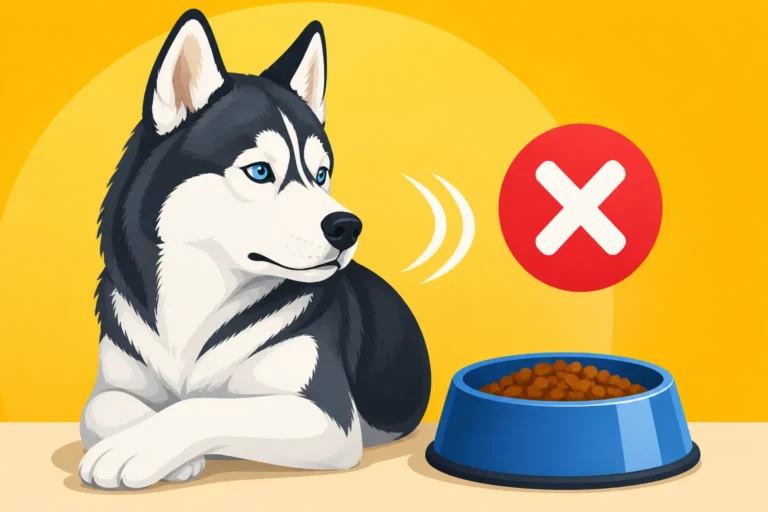
Siberian Huskies are known for their efficient metabolisms, meaning they often require less food than similarly sized breeds. In hot weather, their energy expenditure might naturally decrease as they become less active, so it's wise to monitor their weight and adjust their food intake if necessary. Overfeeding can lead to unwanted weight gain, which puts additional strain on their system in the heat. Many owners find their Husky's appetite dips slightly in extreme heat, which is normal as their body tries to avoid generating extra internal heat from digestion.
Consider feeding smaller meals during the cooler parts of the day – early morning and late evening. Avoid feeding a large meal right before or after exercise, as digestion generates heat and can contribute to discomfort or even bloat, though Huskies are less prone to bloat than some other deep-chested breeds. If your Husky is working in harness, their caloric needs will remain higher, but for a pet Husky, a slight reduction might be appropriate. Always consult your vet if you're concerned about significant changes in appetite or weight.
Hydrating Snacks and Frozen Treats
Beyond their regular meals, you can use hydrating snacks and frozen treats to help keep your Husky cool and happy. Simple ice cubes, as mentioned, are a great option. You can also make "pup-sicles" by freezing diluted, dog-safe broth, pureed fruits (like banana or berries), or plain yogurt in ice cube trays or silicone molds. These provide a refreshing, low-calorie treat that helps with hydration.
Many dog food brands now offer hydrating meal toppers or specific frozen treats. Fresh pet food brands like Ollie often have ingredients that are naturally high in moisture, which can be beneficial in summer. You can even freeze small portions of their regular wet food or fresh food for a longer-lasting, cooling treat. Just be mindful of the total caloric intake from treats to avoid overfeeding. These little gestures can make a big difference in keeping your Husky comfortable and engaged during the hot months.
When Things Go Wrong: Emergency Heatstroke Protocol
Even with the most careful planning, accidents can happen. A sudden spike in temperature, an unexpected burst of energy, or a lapse in judgment can put your Husky at risk of heatstroke. Knowing what to do in an emergency can literally save their life. Time is of the essence when it comes to heatstroke, so a clear, calm action plan is vital.
Immediate First Aid Steps at Home
If you suspect your Husky is suffering from heatstroke, the very first thing you need to do is get them out of the heat source immediately. Move them to the coolest possible area: an air-conditioned room, a shaded spot, or even a bathroom with a tile floor. The goal is to start cooling their core body temperature down, but not too rapidly, as a sudden drop can lead to shock.
Apply cool (not ice cold) water to their body, especially to their ears, paws, and groin area. You can use a hose, wet towels, or even just splash water on them. Focus on areas with major blood vessels close to the surface. Continuously wet their fur and use a fan to blow air over them if available; this significantly increases evaporative cooling. Do NOT submerge them in very cold water or use ice packs directly on their skin for prolonged periods, as this can constrict blood vessels and hinder cooling or cause frostbite. Offer small amounts of water to drink if they are conscious and willing, but don't force it. Throughout this process, attempt to take their rectal temperature if you have a thermometer, aiming to bring it down to around 103°F (39.4°C). Stop active cooling once you reach this temperature to prevent over-cooling.
When to Rush to the Vet and What to Expect
Even if your Husky seems to be improving after initial cooling, a heatstroke incident always warrants an immediate trip to the emergency veterinarian. Heatstroke can cause internal damage that isn't immediately visible, and without professional medical attention, complications can arise hours or even days later. Call ahead to the vet to let them know you're coming so they can be prepared.
At the vet, they will continue to monitor your Husky's temperature and cooling efforts. They will likely administer intravenous (IV) fluids to combat dehydration, restore electrolyte balance, and support organ function. Blood tests will be performed to check for organ damage (especially kidneys and liver) and to assess blood clotting. Your Husky may also receive oxygen therapy, medications to reduce brain swelling, or anti-seizure medications if needed. They'll be monitored closely for several hours or even days, depending on the severity of the heatstroke and any resulting complications. The cost of such an emergency can be substantial, as discussed in What a Siberian Husky Emergency Visits Run.
Preventing Relapse and Long-Term Effects
A Husky that has experienced heatstroke is more susceptible to future episodes, so prevention becomes even more critical. They may have sustained damage to vital organs like the kidneys, liver, or brain. Your vet will advise on follow-up care, which might include specific diets, medications, or ongoing monitoring of organ function. Be diligent about these recommendations.
Long-term, you must be hyper-vigilant about managing their environment and activity levels, particularly in warm weather. Understand their new limits and be prepared to take extra precautions. This might mean shortening walks even further, never leaving them unsupervised outdoors on a warm day, and being even more meticulous about hydration. Educate everyone in your household about the signs of overheating and the emergency protocol. One heatstroke incident is a terrible lesson to learn, but it's one that reinforces the importance of diligence and preparedness for your Husky's continued health.
Disclaimer
This article is for general informational purposes only and does not constitute professional advice. Laws, prices and regulations vary by location and change over time. Consult a qualified professional for guidance on your specific situation.