The Temperature a Siberian Husky Starts Struggling At
Many new Siberian Husky owners, and even seasoned ones moving to different climates, often struggle with the precise moment their snow-loving companions start to feel the heat. It’s a common misconception that because they have a thick coat, they're somehow invincible until temperatures soar into extreme highs. The truth is, these incredible dogs begin to struggle much earlier than you might think, and understanding their unique physiology is key to keeping them safe and happy. This guide will walk you through the subtle and not-so-subtle signs your Husky is feeling the heat, and what you can do to prevent them from becoming dangerously overheated.
Understanding the Siberian Husky's Unique Thermoregulation System
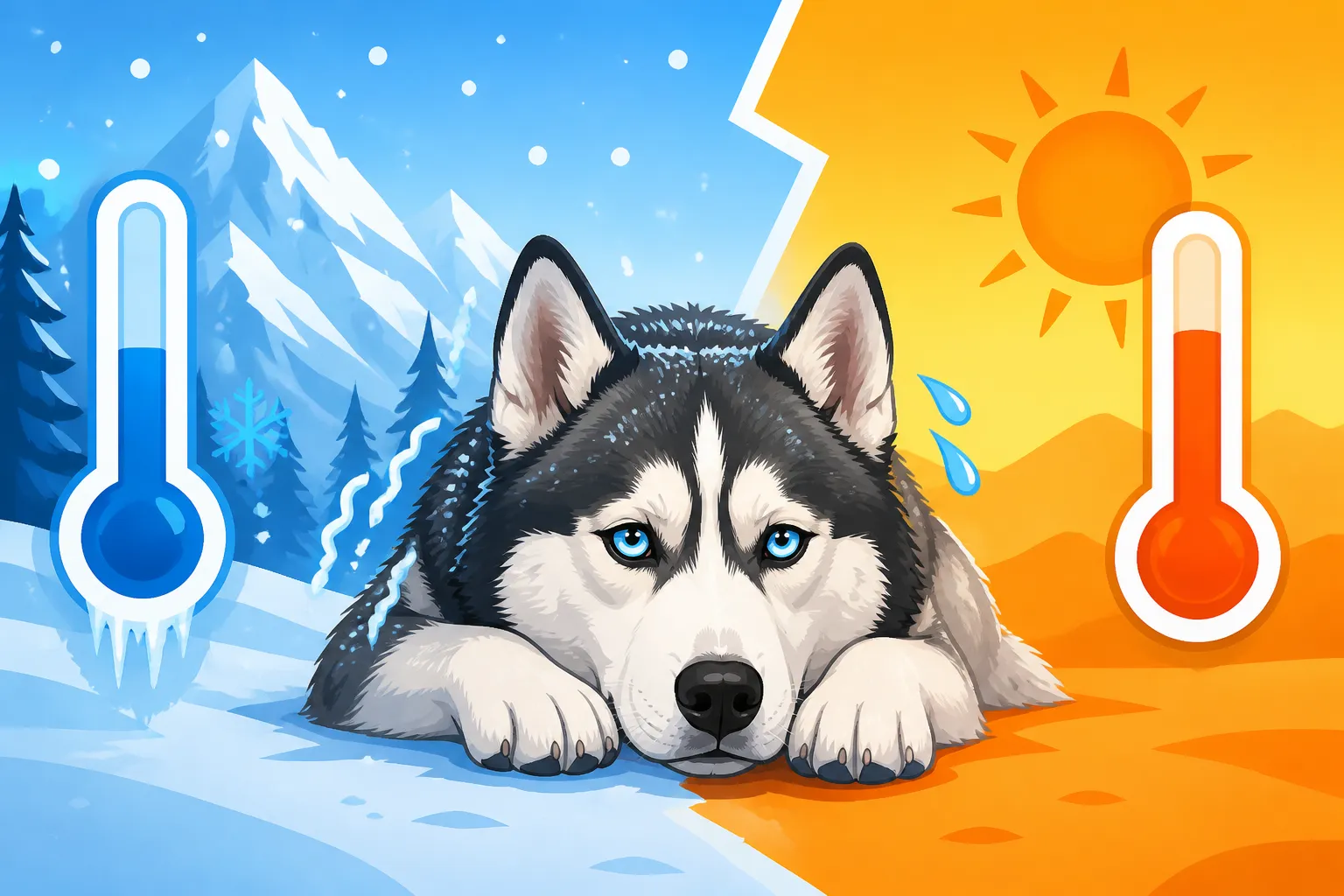
Siberian Huskies are built for endurance in cold, harsh environments, not for lounging in the summer sun. Their entire physiology, from their dense coat to their efficient metabolism, is optimized for retaining heat and performing work in freezing temperatures. While this makes them incredible athletes in the snow, it also means they have specific challenges when the weather turns warm.
The Double Coat: A Blessing and a Curse in the Heat
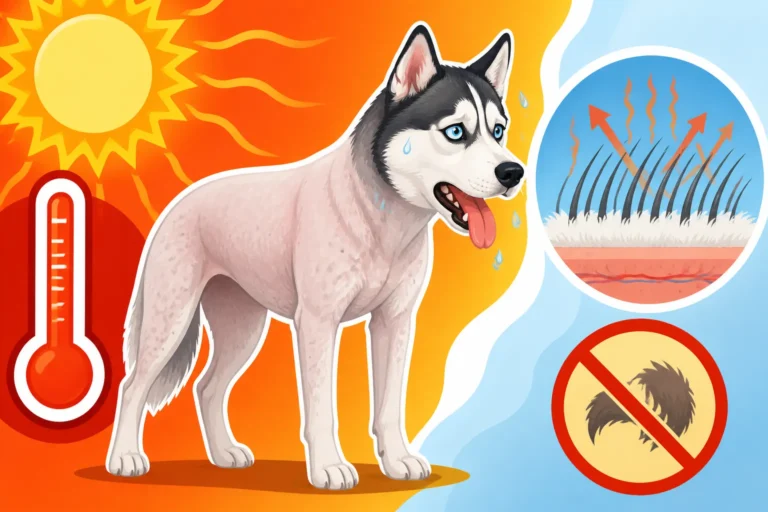
Let's talk about that famous Siberian Husky coat. It's a marvel of nature, a double layer designed to provide exceptional insulation. The outer layer consists of guard hairs – long, somewhat coarse hairs that repel water and snow. Beneath that lies the undercoat, a thick, soft, downy layer that traps air, creating an insulating barrier. In winter, this barrier holds in body heat, protecting the dog from extreme cold.
However, many people mistakenly believe that this thick coat makes them immune to cold, and conversely, that it must be terrible in the heat. It's not quite that simple. In warmer weather, this same double coat can actually help by trapping a layer of cooler air next to the skin, providing protection from the sun's direct rays and insulating against external heat. The problem arises when this natural system is overwhelmed, especially if the coat is matted or if the undercoat isn't properly shed. A matted coat prevents air circulation, and a poorly shed undercoat holds heat in like a blanket. This is why you'll often hear us Husky fanatics passionately say, "Never shave your Husky!" Why You Must Never Shave a Siberian Husky provides a deep dive into why this is so detrimental. Shaving removes their natural insulation against both cold and heat, exposes their skin to sunburn, and can permanently damage the coat's regrowth, making them less comfortable in the heat, not more.
Metabolic Efficiency: Not Just for Cold
Another aspect of the Siberian Husky's unique physiology is their incredibly efficient metabolism. Bred for long-distance sledding, their bodies are designed to convert food into energy with minimal waste, and importantly, minimal excess heat production during sustained activity. This metabolic efficiency allows them to work tirelessly in sub-zero temperatures without overheating from the inside out.
But this finely tuned system is a double-edged sword when it comes to warmer climates. While efficient for cold-weather work, it doesn't give them an advantage when it comes to dissipating heat from their environment. Unlike some breeds with shorter coats or different body types that might have more surface area for cooling, Huskies rely heavily on panting to release heat. If the ambient temperature, humidity, and their activity level are too high, their panting mechanism simply can't keep up with the need to cool down. They are also notoriously bad at regulating their activity levels when they are excited, meaning they'll push themselves past what's safe if not managed carefully by their human.
Identifying the Tipping Point: At What Temperature Do Huskies Struggle?
It's not a single magical number on the thermometer that suddenly makes a Siberian Husky go from comfortable to critical. Instead, it's a combination of factors that creates a "tipping point" where their natural cooling mechanisms become insufficient. Understanding these nuances is vital for responsible ownership.
More Than Just the Thermometer Reading
While a general temperature range exists, you can't rely solely on the numerical readout. Think of it like this: a 65°F (18°C) day might feel pleasant to you, but if it's sunny, humid, and your Husky is running hard, they could very well start to struggle. Conversely, a 75°F (24°C) day that's breezy and shady might be manageable for a short, leisurely walk.
Here are the key factors that combine with temperature to create a risk for your Husky:
- Humidity: This is a huge, often overlooked factor. Huskies cool themselves primarily through evaporative cooling when they pant, much like sweating for humans. If the air is already saturated with moisture, that evaporation becomes much less effective, and their core temperature can rise rapidly, even at moderate temperatures.
- Direct Sunlight: The sun's rays can dramatically increase a Husky's body temperature, even if the air temperature isn't excessively high. A dog lying in the sun on a 70°F day will absorb far more heat than one in deep shade.
- Activity Level: This is perhaps the most critical variable. A sedentary Husky resting indoors will handle higher temperatures much better than one vigorously exercising. Intense running, playing, or pulling in harness generates significant internal heat, which then needs to be shed. Running a Siberian Husky in Summer Heat delves into balancing activity with safety.
- Individual Husky Factors:
- Age: Very young puppies and senior Huskies are more vulnerable. Puppies haven't fully developed their thermoregulation, and older dogs may have underlying health conditions that impair their ability to cool down. Caring for a Siberian Husky Past Ten highlights considerations for older dogs.
- Health: Dogs with respiratory issues, heart conditions, or obesity will struggle at lower temperatures. Even conditions like hypothyroidism can affect their overall tolerance. Siberian Husky Thyroid and Autoimmune Disease explains potential health impacts.
- Coat Density: While all Huskies have a double coat, some have denser undercoats or are "wooly," meaning their coat is longer and even thicker than standard. These dogs need extra vigilance.
- Acclimation: A Husky living in a consistently colder climate will struggle more quickly when visiting a warmer area than one who has slowly acclimated to slightly warmer average temperatures.
As a general guideline, once temperatures consistently hit the mid-60s to low-70s Fahrenheit (18-23°C), you need to start exercising caution, especially if humidity is high or there's direct sun exposure. By the time it reaches the mid-70s to low-80s Fahrenheit (24-29°C), you should consider activity levels severely restricted, and in the high 80s (30°C+), outdoor time should be minimal and closely supervised, focusing only on potty breaks in the shade.
Early Warning Signs of Overheating
Your Husky won't just suddenly collapse from heatstroke. There are crucial early warning signs that they're starting to struggle. Learning to recognize these can prevent a serious emergency. Never wait for obvious distress before intervening.
- Excessive Panting: This is the first and most obvious sign. A healthy Husky will pant after exercise, but look for panting that is rapid, heavy, and doesn't subside quickly even when they stop moving. Their breathing might sound labored. Panting That Means Trouble in a Siberian Husky gives more details on what to watch for.
- Increased Drooling: As they pant more intensely, they might start drooling excessively. Their saliva might become thick and stringy.
- Seeking Shade or Water: They will actively try to remove themselves from the heat source. They might lie down in any available patch of shade, refuse to move from a cool spot, or try to get into any water source available, even if it's just a puddle.
- Reduced Energy or Lethargy: Your normally energetic Husky might become sluggish, reluctant to play or move, or seem unusually tired. They might lag behind on walks.
- Bright Red Gums: Check their gums. In an overheating dog, they can appear bright red or almost brick-colored due to increased blood flow trying to dissipate heat.
- Darker Urine: Less common, but sometimes their urine can become darker as they become dehydrated.
- Elevated Body Temperature (to the touch): While not a precise measurement without a rectal thermometer, a Husky that feels noticeably hot to the touch, especially on their ears or belly, is a red flag.
If you notice any of these signs, it's time to act immediately. Move your Husky to a cooler environment, offer water, and cease any strenuous activity. Don't push them, thinking they'll "get used to it." They won't.
Practical Strategies for Keeping Your Husky Safe in Rising Temperatures
Knowing when your Husky starts to struggle is only half the battle; the other half is implementing effective strategies to prevent them from reaching that critical point. Proactive measures are always better than reactive ones when it comes to heat stress.
Adjusting Your Husky's Schedule and Environment
The simplest and most effective way to protect your Husky from the heat is to change when and where they engage in activities.
- Timing Walks and Exercise: This is non-negotiable. During warmer months, all walks and strenuous exercise should be moved to the very early morning, before the sun has a chance to heat everything up, or late in the evening after sunset, once temperatures have dropped significantly. Even short potty breaks during the day should be quick and in the shade. Timing Siberian Husky Walks in Hot Weather offers more specific advice.
- Providing Ample Shade: If your Husky spends any time outdoors, ensuring they have constant access to deep, cool shade is paramount. A small tree might provide shade in the morning, but by afternoon, it could be useless. Consider shade cloths, tarps, or a sturdy, elevated dog cot under an awning. Shade and Water for a Siberian Husky Yard explains how to set up an optimal outdoor space.
- Cooling Mats and Elevated Beds: These can make a huge difference, even indoors. Cooling mats, which often contain gel that activates with pressure, provide a cool surface for your Husky to lie on. Elevated cots allow air to circulate underneath, preventing heat from building up from the ground. Many varieties are available from retailers like Chewy and Amazon, offering a wide range of options to suit your dog's preferences. Cooling Mats and Fans for a Siberian Husky elaborates on these helpful tools.
- Indoor Environment Control: When temperatures climb, your Husky should primarily be indoors, in an air-conditioned space. If you don't have AC, fans can help, but they mostly move warm air around. Consider portable AC units for a specific room if your central air isn't powerful enough or if you live in an apartment without it. Remember, Air Conditioning a Siberian Husky Depends On when living in warmer climates.
Hydration and Cooling Aids
Water, water, everywhere! Ensuring your Husky is properly hydrated is a constant battle, especially since they have efficient metabolisms and might not drink as much as other breeds.
- Constant Access to Fresh, Cool Water: This sounds obvious, but it's crucial. Always have multiple bowls of fresh water available, both inside and outside. Consider adding ice cubes to their water or using a pet fountain to encourage drinking. In some cases, services like Ollie that offer fresh-prepared food with higher moisture content can also contribute to overall hydration.
- Kiddie Pools: Many Huskies absolutely love a shallow kiddie pool filled with a few inches of cool water. It allows them to lie down and cool their bellies and paws, which are key areas for heat dissipation. Always supervise them, and ensure the water is not too deep.
- Misters/Sprinklers: A light mist from a hose or a sprinkler can offer temporary relief. However, be cautious with thoroughly soaking their double coat. If the undercoat gets completely saturated and doesn't dry properly, it can actually trap heat and even lead to skin issues. Focus on misting their belly, paws, and face.
- Cooling Vests/Bandanas: These can be effective for short periods of time, especially if you're taking your Husky for a quick walk during a warm day. They usually involve soaking the fabric in water, which then provides evaporative cooling. Again, ensure the undercoat isn't getting waterlogged.
Recognizing and Responding to Heatstroke
Despite all your best efforts, sometimes things go wrong. Knowing the signs of full-blown heatstroke and how to respond immediately can be life-saving. Heatstroke is a medical emergency that requires swift action.
- Emergency Signs: These are critical and indicate immediate veterinary attention is needed:
- Exaggerated, Non-stop Panting: Louder, harsher, and uncontrollable panting.
- Staggering, Weakness, or Collapse: They can't walk straight, their legs give out, or they simply collapse.
- Vomiting and/or Diarrhea: This can often be bloody.
- Dark Red or Purple Gums: Beyond just bright red, they become deep red, purple, or even bluish as circulation fails.
- Glassy Eyes: Their eyes may appear unfocused or dazed.
- Seizures or Unconsciousness: In severe cases, they may lose consciousness or start seizing.
- Immediate First Aid:
- Move to Shade/Cool Area: Get your Husky out of the heat source immediately.
- Apply Cool Water: Use cool (not ice cold, which can cause shock) water to wet their fur, focusing on their belly, inner thighs, armpits, and paw pads. You can use towels soaked in cool water.
- Use a Fan: If possible, place a fan near them to aid evaporative cooling.
- Offer Small Amounts of Water: If conscious, offer small sips of water. Do not force them to drink.
- Contact Your Vet IMMEDIATELY: Even if your Husky seems to be recovering, they need professional veterinary assessment. Heatstroke can cause organ damage that isn't immediately apparent.
Being prepared for Heat Stroke Risk in a Siberian Husky is not about fear, but about being a responsible owner. Time is critical in these situations.
Long-Term Management and Lifestyle Adjustments
Living with a Siberian Husky means constantly adapting your lifestyle to ensure their comfort and safety, especially as the climate changes. It's not just about temporary fixes but about embedding these considerations into your daily routine.
Diet and Weight Management
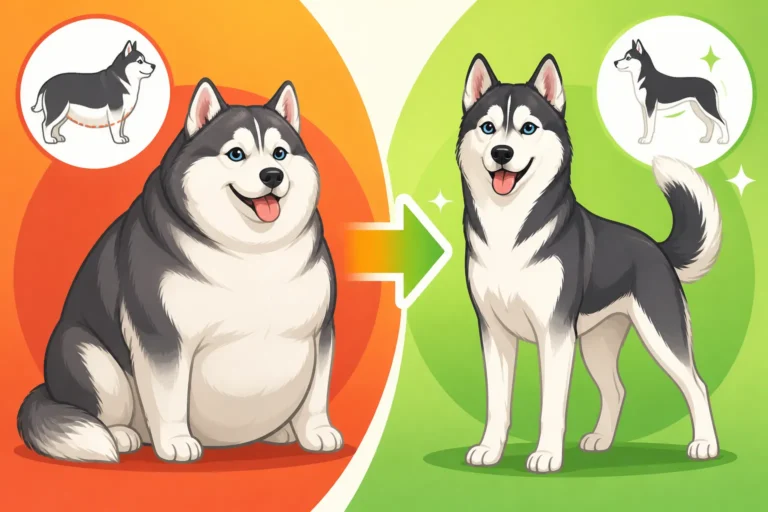
A Husky's diet and weight play a surprisingly significant role in their heat tolerance. An overweight Husky will struggle far more than one at a healthy weight, simply because excess fat acts as additional insulation, trapping heat and requiring their body to work harder to cool down.
- Maintain a Healthy Weight: Regularly check your Husky's weight and body condition. You should be able to feel their ribs easily without seeing them, and they should have a discernible waist when viewed from above. Slimming an Overweight Siberian Husky provides guidance on achieving and maintaining an ideal weight. Even a few extra pounds can make a big difference in how they handle warm weather.
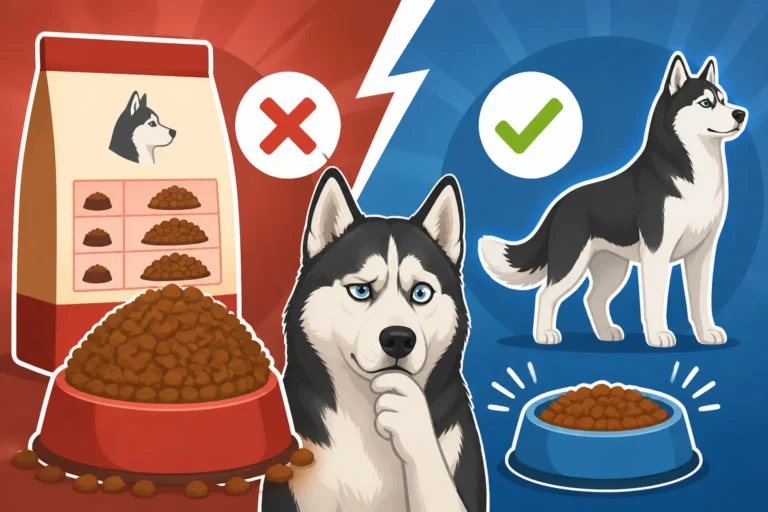
- Adjust Food Intake for Activity: Huskies are known for their efficient metabolisms. During warmer months when activity is naturally reduced, you may need to feed slightly less to prevent weight gain. Always follow feeding guidelines from your vet rather than just the bag. Quality foods, whether kibble, raw, or fresh-prepared options like Ollie, support overall health, which in turn helps their body cope with environmental stressors.
- Hydrating Foods: Some owners add wet food to their Husky's diet or incorporate high-moisture vegetables as treats to boost hydration, especially if their dog isn't a big water drinker.
Regular Grooming and Coat Health
Proper grooming is absolutely crucial for a Husky's ability to regulate their temperature. As mentioned earlier, shaving is never the answer. The focus should be on maintaining the integrity of their double coat.
- Consistent De-shedding: Siberian Huskies "blow" their coats typically twice a year, but regular brushing is a year-round necessity. During coat blows, which can last for weeks, daily brushing is essential to remove loose undercoat. Siberian Husky Coat Blow and the Six Weeks It Lasts outlines this process in detail. A build-up of dead undercoat creates a dense, mat-prone layer that traps heat and prevents air circulation.
- Tools for the Job: Invest in a good quality undercoat rake and a high-velocity dryer (if you're brave enough to use one at home). These tools help remove dead hair without damaging the guard hairs. You can find a wide range of these grooming tools on platforms like Amazon and Chewy, with many options tailored for double-coated breeds.
- Bathing: While Huskies are generally clean dogs, occasional baths, especially during a coat blow, can help loosen dead hair. Ensure you dry them thoroughly down to the skin to prevent skin issues and heat retention.
Understanding Regional Climate Challenges
If you live in a region with consistently hot and humid summers, owning a Siberian Husky requires even greater commitment and awareness.
- Is Your Climate Truly Suitable? While a Husky can adapt to living in warmer states, it often comes with significant lifestyle adjustments. This isn't just about hot days, but hot nights. If the temperature rarely drops below 75°F (24°C) at night, your Husky gets very little reprieve. Whether a Siberian Husky Can Live in Texas discusses the specific challenges of warmer climates.
- Constant Vigilance: In hot climates, you must be constantly vigilant. This means checking pavement temperatures before walks (if you can't hold your hand on it for 5 seconds, it's too hot for paws), planning all activities around the coolest parts of the day, and being prepared to stay indoors for extended periods. Hot Pavement Under Siberian Husky Paws is a critical read for summer safety.
- Consider a Companion in the Cold: For some dedicated owners in truly hot regions, ensuring their Husky has consistent, reliable air conditioning isn't a luxury; it's a necessity for their well-being.
Ultimately, understanding the temperature at which your Siberian Husky starts struggling isn't just about memorizing a number. It's about recognizing the full picture: temperature, humidity, sun, activity, and your individual dog's health. By being proactive, observing their subtle cues, and adjusting their routine, you can help your arctic friend navigate the warmer seasons safely and comfortably.
Heat Stress Factors and Prevention Strategies for Siberian Huskies
| Factor | Description | Impact on Husky | Prevention Strategy |
|---|---|---|---|
| Temperature | Ambient air temperature | Direct heat absorption, reduced cooling efficiency | Adjust activity times to early morning/late evening; keep indoors with AC |
| Humidity | Moisture content in the air | Hinders evaporative cooling (panting becomes less effective) | Avoid outdoor activity on humid days; use dehumidifiers indoors |
| Direct Sunlight | Exposure to sun's radiant heat | Rapid increase in body temperature; risk of sunburn (if coat is compromised) | Ensure constant, deep shade; avoid sun exposure during peak hours |
| Activity Level | Physical exertion (running, playing, pulling) | Generates significant internal body heat | Reduce/eliminate strenuous exercise in warm weather; opt for mentally stimulating games |
| Lack of Water | Insufficient hydration | Dehydration, impaired blood circulation, reduced ability to cool | Provide multiple bowls of fresh, cool water; encourage drinking; add ice cubes |
| Poor Coat Health | Matted or un-shed undercoat | Traps heat, prevents air circulation, reduces natural insulation | Regular and thorough de-shedding; never shave the double coat |
| Hot Surfaces | Pavement, sand, artificial turf | Direct heat transfer to paws; can cause burns | Check surface temperature with your hand; walk on grass or dirt; use paw protection |
| Poor Airflow | Stuffy, unventilated spaces | Heat accumulation, minimal evaporative cooling | Ensure good ventilation; use fans or air conditioning indoors |
| Individual Health | Obesity, age, underlying conditions (respiratory, cardiac) | Reduced capacity to thermoregulate, increased heat stress on organs | Maintain ideal weight; regular vet check-ups; modify activities for seniors/puppies |
Disclaimer
This article is for general informational purposes only and does not constitute professional advice. Laws, prices and regulations vary by location and change over time. Consult a qualified professional for guidance on your specific situation.