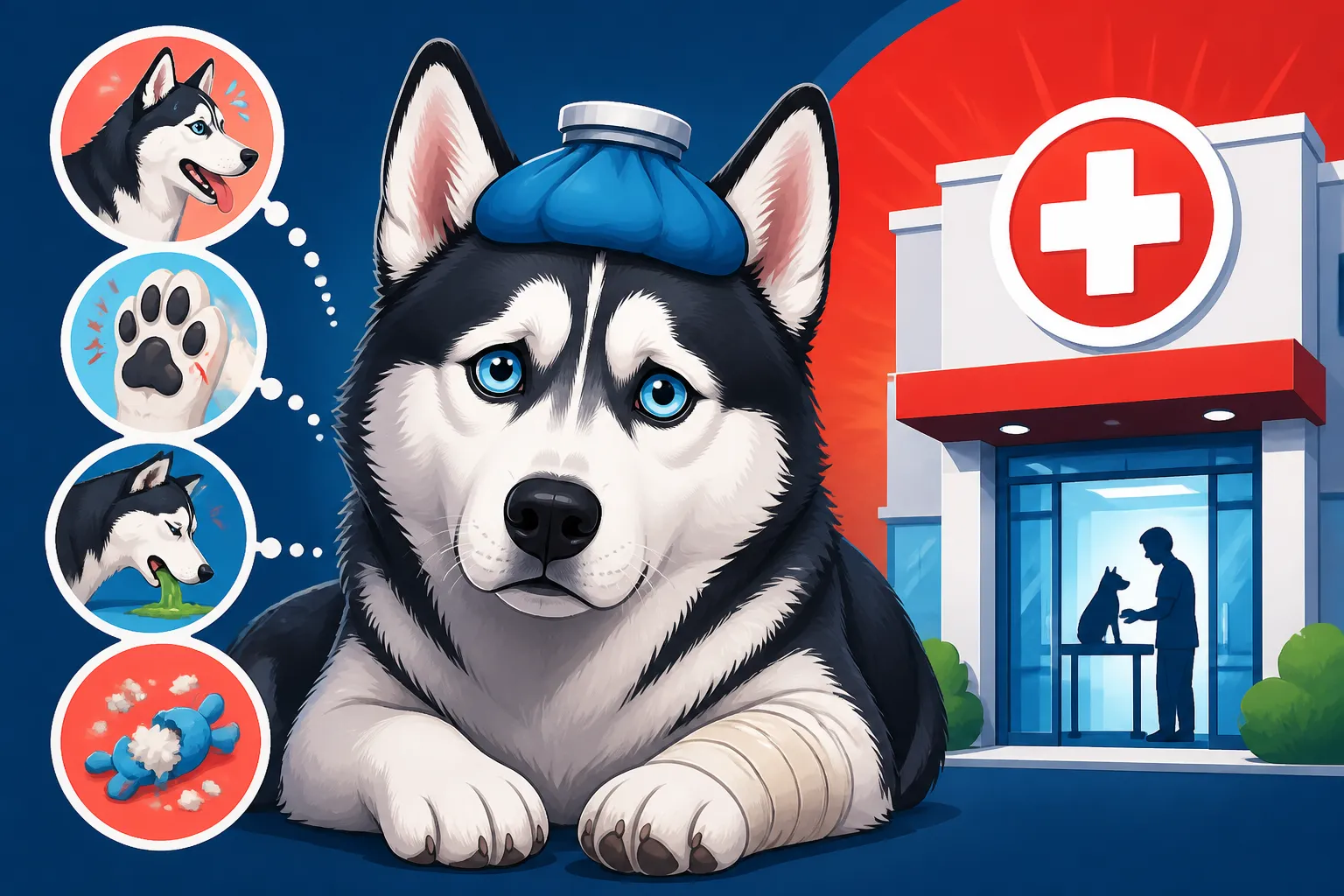
What Siberian Husky Emergency Visits Run
The thought of your boisterous, independent Siberian Husky suddenly needing emergency veterinary care is enough to make any owner's stomach drop. These situations arrive without warning, often in the middle of the night or on a weekend, forcing you to make rapid decisions under immense stress, all while a financial meter starts ticking, sometimes at an alarming rate. It’s a harsh reality that urgent care for our beloved companions can quickly accumulate into a significant cost, leaving many of us feeling overwhelmed and unprepared. This guide is here to walk you through the types of emergencies common to Siberian Huskies, demystify the factors driving emergency vet bills, and equip you with practical strategies to navigate these challenging and often expensive moments.
Identifying a Siberian Husky Emergency: When Time Is of the Essence
Knowing when a situation truly warrants an emergency vet visit versus a regular appointment can be tricky, but for a Siberian Husky, whose stoicism can sometimes mask discomfort, it’s absolutely critical. Huskies are tough, resilient dogs, but even they can succumb to sudden injuries or illnesses that require immediate intervention. Recognizing these signs quickly can be the difference between a swift recovery and a more complicated, costly outcome.
Sudden Injuries and Accidents
Given their boundless energy, strong prey drive, and infamous escape artistry, Siberian Huskies are unfortunately prone to accidents. One minute they're romping in the yard, the next they've found a weak spot in the fence, or a squirrel has led them on a chase that ends poorly. Common scenarios include being hit by a car, which can result in devastating internal injuries, broken bones, and deep lacerations. Falls from heights, though less common, can also lead to orthopedic trauma or concussions. Encounters with other animals, especially if your Husky's prey drive kicks in with smaller creatures or if they get into a scuffle with a larger, aggressive dog, often lead to bite wounds that can look superficial but hide deep tissue damage and infection risk. These kinds of traumas almost always require immediate assessment to stabilize your dog, manage pain, and prevent further complications. When your Husky slips their collar or finds a way out, the risk of these types of injuries skyrockets. This is a big part of why Siberian Husky Deaths From Trauma and Escape are such a concern.
Acute Illnesses and Sudden Onset Conditions
Beyond physical trauma, Siberian Huskies can experience sudden, severe illnesses that demand emergency attention. Conditions like bloat (gastric dilatation-volvulus), though not as common in Huskies as in deep-chested breeds, can still occur and is a life-threatening emergency where the stomach twists. Symptoms are dramatic: retching without vomiting, distended abdomen, restlessness, and signs of shock. Other acute issues include severe allergic reactions (anaphylaxis) to insect stings or certain foods, leading to facial swelling, hives, and difficulty breathing. Unexplained collapse or sudden weakness, persistent severe vomiting or diarrhea that leads to rapid dehydration, or difficulty breathing, gasping, and blue-tinged gums are all flashing red lights. Furthermore, while Huskies are generally a healthy breed, they can develop specific conditions like Glaucoma as a Siberian Husky Emergency, where sudden eye pain, redness, and cloudiness require immediate veterinary ophthalmologist intervention to potentially save their sight.
Environmental Hazards and Toxin Exposures
Siberian Huskies, with their curious nature and tendency to investigate with their mouths, can easily fall victim to environmental hazards or ingest toxic substances. Common household items like certain human medications, poisonous plants, or even food items safe for humans but toxic to dogs (chocolate, xylitol, grapes, onions) can cause rapid and severe symptoms. If your Husky gets into something they shouldn't, knowing What to Do If a Siberian Husky Eats Something Bad is vital, but often an emergency visit is the safest course. Beyond ingestion, environmental factors pose a significant threat. Despite their cold-weather heritage, Siberian Huskies are very susceptible to Heat Stroke Risk in a Siberian Husky in warmer climates or during strenuous activity on hot days. Symptoms include excessive panting, drooling, weakness, vomiting, and collapse, and it is a true emergency that can quickly lead to organ failure and death. Being stuck in extreme cold without adequate shelter can also lead to hypothermia, another emergency scenario.
Deciphering the Cost: What Influences Emergency Vet Bills
It's no secret that emergency veterinary care can be expensive, often far surpassing the cost of a routine check-up. This isn't just because it happens after hours; it’s due to the immediate, comprehensive, and often specialized nature of the care required. Understanding the components of these bills can help you anticipate the financial impact, even if you can't predict the exact numbers.
Diagnostic Procedures and Initial Stabilization
When you rush your Husky into an emergency vet, the first priority is stabilization and diagnosis. This often involves a battery of tests to quickly pinpoint the problem. Expect fees for the emergency exam itself, which is usually higher than a regular office visit. Then come the diagnostics: blood work (a complete blood count and chemistry panel), urinalysis, and potentially more specific tests like blood clotting profiles if internal bleeding is suspected. X-rays are common for trauma cases to check for broken bones, internal injuries, or foreign objects. Ultrasounds might be used to examine abdominal organs in more detail. In critical situations, an ECG to assess heart function might be necessary. Each of these tests carries its own fee, and when several are performed, they add up quickly. Initial stabilization might also include intravenous fluids to combat dehydration or shock, pain medication, and oxygen therapy, all of which incur additional charges for administration and supplies.
Treatment and Surgical Interventions
Once a diagnosis is made and your Husky is stabilized, the treatment phase begins, and this is where costs can truly escalate. If surgery is required—for a broken bone, to remove an ingested foreign object, or in a bloat case—you're looking at surgical fees, anesthesia costs, and the price of all the medical supplies, sutures, and medications used during and after the procedure. Anesthesia Risk in a Senior Siberian Husky also means extra monitoring is often needed, adding another layer of cost. Even non-surgical treatments can be intensive. For toxin ingestion, your Husky might need induced vomiting, activated charcoal, IV fluids for several days, and continuous monitoring. In cases of severe infections or organ failure, advanced therapies and medications are needed. The expertise of the emergency veterinarian, often a specialist in critical care, also contributes to the higher pricing compared to a general practice vet. For instance, successfully managing a situation like Saving Sight in a Siberian Husky Glaucoma Case will involve highly specialized ophthalmic drugs and procedures.
Overnight Stays and Specialist Care
Many emergencies necessitate an overnight stay, or even several days of hospitalization, for continuous monitoring and intensive care. This means daily charges for their stay, which include nursing care, medication administration, repeat diagnostics, and feeding. If your Husky requires critical care in an intensive care unit (ICU), those costs are significantly higher due to the specialized equipment and staff-to-patient ratio. Some complex cases might require referral to a veterinary specialist, such as an orthopedic surgeon, an internal medicine specialist, or an ophthalmologist, depending on the nature of the emergency. While the emergency vet stabilizes your dog, the specialist provides long-term, highly focused treatment. Each specialist consultation, procedure, and follow-up visit adds to the overall bill. These types of extended, specialized care can push the total cost into the thousands, creating considerable financial strain for owners.
Proactive Planning: Strategies to Manage Unexpected Costs
Facing a veterinary emergency is stressful enough without the added burden of worrying about how you're going to pay for it. Fortunately, there are several proactive steps you can take to lessen the financial shock and ensure your Siberian Husky gets the care they need when they need it most.
The Role of Pet Insurance
Pet insurance can be an absolute lifesaver when a veterinary emergency strikes. Many policies cover a significant portion of emergency visit costs, from diagnostics and hospitalization to surgery and medication. While pet insurance doesn't eliminate all costs (you'll still have deductibles and co-pays), it can drastically reduce your out-of-pocket expenses. It's crucial to enroll your Husky when they are young and healthy, as most policies consider existing conditions as "pre-existing" and won't cover them. For instance, if your Husky develops Siberian Husky Seizures and Idiopathic Epilepsy later in life, an insurance policy taken out before symptoms appear is far more likely to offer coverage. Research different providers like Healthy Paws, which offers comprehensive accident and illness plans, and compare coverage limits, deductibles, reimbursement percentages, and exclusions. Remember, early enrollment is key. You'll want to review how waiting periods apply, especially for conditions that manifest rapidly. For conditions like Whether a Husky Policy Pays for PRA, understanding your policy's specifics is paramount.
Pet Insurance Feature Description Importance for Emergencies
: The cost of an emergency vet visit for your Siberian Husky can be a huge concern, and believe me, it’s a valid one! When your Husky has a sudden health crisis, your immediate reaction is, of course, to get them help. But the financial implications can be overwhelming, especially when you’re already worried sick about your dog. This guide is here to shed light on what a Siberian Husky emergency visit might cost, what factors drive those bills up, and how you can prepare for these often-unforeseen and expensive situations.
Common Siberian Husky Emergencies and Their Cost Implications
Siberian Huskies are known for their hardiness and athleticism, but like all breeds, they face specific health risks and are prone to certain types of accidents that can lead to emergency vet visits. Understanding these can help you mentally and financially prepare.
Trauma from Accidents and Escapes
Huskies are notorious escape artists and possess a strong prey drive. A quick dash out an open door or a successful fence jump can lead to disastrous consequences. It's not uncommon for emergency vets to see Huskies involved in:
- Vehicle Accidents: A Husky hit by a car can sustain a wide range of injuries, from scrapes and bruises to broken bones, internal bleeding, and organ damage. The cost here is incredibly variable, depending on the severity. It often involves X-rays, blood work, pain management, and potentially complex surgeries and hospitalization. You’re looking at a bill that quickly climbs from hundreds into the thousands.
- Dog Fights or Animal Attacks: Huskies can get into altercations with other dogs, or their prey drive might lead them to confront wildlife. These can result in bite wounds, punctures, and lacerations that often require cleaning, debridement, antibiotics, and sometimes sutures, especially if the wounds are deep or extensive. Infections from these wounds can also complicate recovery and add to the cost.
- Falls and Other Injuries: Whether it's a tumble down the stairs, a misstep during a run, or an injury sustained while climbing, these can lead to sprains, fractures, or concussions. Diagnostics like X-rays are usually necessary, followed by pain medication, splinting, casting, or even orthopedic surgery, all of which come with significant fees.
The unpredictable nature of these traumas means that the diagnostics and treatments needed can be extensive and costly. This is a big part of why thinking about Siberian Husky Deaths From Trauma and Escape is so important—it’s not just about the ultimate loss, but the expensive efforts to prevent it. Remember, Why an Escaped Siberian Husky Is a Health Risk extends far beyond just getting lost.
Acute Illnesses Requiring Immediate Attention
While generally a robust breed, Huskies aren't immune to sudden, severe illnesses. When these strike, immediate veterinary care is non-negotiable.
- Gastrointestinal Emergencies (Vomiting/Diarrhea, Bloat): Persistent vomiting and diarrhea can lead to rapid dehydration and electrolyte imbalances, necessitating IV fluids, anti-nausea medications, and diagnostic tests (blood work, X-rays, ultrasound) to find the underlying cause, which could range from dietary indiscretion to pancreatitis or a foreign body obstruction. Bloat (Gastric Dilatation-Volvulus), though less common than in some other breeds, is a life-threatening emergency if it occurs. It requires immediate surgery, and costs for this critical procedure, including stabilization, anesthesia, surgical fees, and intensive post-operative care, are among the highest you can face, easily reaching into several thousands.
- Allergic Reactions: A severe allergic reaction, often called anaphylaxis, can be triggered by insect stings, certain foods, or medications. Symptoms can include severe facial swelling, hives, difficulty breathing, and collapse. Emergency treatment typically involves antihistamines, steroids, and sometimes epinephrine, along with close monitoring.
- Seizures: While some Huskies might have idiopathic epilepsy, a sudden, first-time seizure or a cluster of seizures requires immediate veterinary evaluation to rule out other causes like toxin exposure, head trauma, or metabolic issues. Depending on the cause and severity, this can involve blood tests, neurological exams, and sometimes advanced imaging like an MRI, all of which contribute to a higher bill. Siberian Husky Seizures and Idiopathic Epilepsy is a specific concern for the breed that may lead to emergency visits.
Toxin Ingestion and Environmental Dangers
Huskies are curious and often use their mouths to explore, which unfortunately means they can ingest substances harmful or even fatal to them.
- Poisoning: Common household items like chocolate, certain medications, rodenticides, antifreeze, and poisonous plants can all be ingested. Symptoms vary widely but can include vomiting, diarrhea, tremors, seizures, and collapse. Emergency treatment depends on the toxin and how recently it was ingested, often involving induced vomiting, activated charcoal, IV fluids, and supportive care for several days. If you find your Husky has gotten into something, knowing What to Do If a Siberian Husky Eats Something Bad is critical, but don't hesitate to seek emergency care.
- Heatstroke: Despite their thick coats, Huskies can suffer from heatstroke, especially during hot weather or strenuous exercise. Their double coat, designed for insulation against cold, can actually trap heat in warm conditions. Symptoms like excessive panting, drooling, weakness, vomiting, and collapse demand immediate cooling measures and veterinary support to prevent organ damage or death. Preventing Heat Stroke Risk in a Siberian Husky is paramount, but if it occurs, it's a race against time and a very expensive one.
What Drives Up the Cost of an Emergency Vet Visit?
The sticker shock of an emergency vet bill is very real, and it's not just an arbitrary number. Several key factors contribute to the higher costs associated with urgent care for your Siberian Husky.
Immediate, After-Hours Access and Specialized Staff
Emergency veterinary clinics operate 24/7, often with specialized veterinary staff, including critical care veterinarians and veterinary technicians, who are trained to handle life-threatening situations. This round-the-clock availability and the expertise required to manage complex cases contribute significantly to the cost. You're paying for the immediate access, the ready-to-go equipment, and the highly skilled team available when your regular vet's office is closed. Emergency clinics also have a higher overhead for maintaining specialized equipment and medications that might not be found in a general practice.
Extensive Diagnostics and Rapid Decision-Making
When your Husky is rushed in with an emergency, there's often no time for a wait-and-see approach. Vets need to quickly diagnose the problem to initiate life-saving treatment. This means performing multiple diagnostic tests right away.
- Blood Work: Comprehensive panels (CBC, chemistry, electrolytes, clotting times) are crucial for assessing organ function, hydration, and infection.
- Imaging: X-rays are standard for trauma, suspected foreign bodies, or bloat. Ultrasounds provide more detailed views of internal organs, and sometimes even a CT scan or MRI is necessary for neurological issues or complex internal injuries.
- Specialized Tests: Depending on the suspected issue, tests for specific toxins, infectious diseases, or cardiac function (ECG) might be ordered.
Each of these tests carries a fee, and often several are needed to get a complete picture, adding up rapidly. For example, addressing issues like Siberian Husky Eye Pain and Sudden Squinting could require specialized ophthalmic tests from an emergency ophthalmologist.
Intensive Treatment and Hospitalization
Once a diagnosis is made, the treatment itself, particularly if it's complex, will be a major cost driver.
- Medications: Emergency medications are often potent, fast-acting, and can be more expensive. Pain relief, antibiotics, anti-inflammatory drugs, and specific antidotes for toxins are common.
- Fluids and Oxygen Therapy: Many emergencies involve shock or dehydration, requiring intravenous fluids. Respiratory distress necessitates oxygen therapy. The equipment, fluids, and ongoing monitoring for these interventions add to the bill.
- Surgery: If your Husky needs emergency surgery—for a foreign body removal, bloat correction, or repairing severe trauma—this is typically the most expensive part of the bill. It includes the surgeon's fees, anesthesia administration and monitoring, surgical supplies, and post-operative pain management. The complexity and duration of the surgery greatly influence the cost.
- Hospitalization and ICU Care: For critical cases, your Husky will need to stay at the clinic for continuous monitoring, medication, and supportive care. Daily hospitalization fees cover nursing care, re-evaluations, and comfort. If your Husky requires intensive care (ICU), the costs are significantly higher due to the specialized equipment (like ventilators) and the higher nurse-to-patient ratio required. A stay of even a few days can easily amount to thousands of dollars. Managing a serious condition like Cancer Types Seen in Siberian Huskies might require ongoing specialized care.
Preparing for Siberian Husky Emergency Costs
The best way to handle emergency costs is to prepare for them before they happen. While you can't prevent every accident or illness, you can put strategies in place to ease the financial burden.
Invest in Pet Insurance
Pet insurance is one of the most effective ways to mitigate the financial risk of veterinary emergencies. It works much like human health insurance, where you pay a monthly premium, and in return, the insurer covers a percentage of your eligible veterinary expenses after your deductible is met. Companies like Healthy Paws offer comprehensive plans that cover accidents, illnesses, surgeries, hospitalization, and more.
- Choose Wisely: Research different providers, comparing their coverage, deductibles, reimbursement percentages, and any exclusions. Some plans might have limits on specific conditions or annual payouts.
- Enroll Early: The younger and healthier your Siberian Husky is when you enroll, the better. Pre-existing conditions are typically not covered, so waiting until your dog is sick means that particular illness won't be covered. For example, if you enroll your puppy, they're more likely to be covered for any future issues than if you wait until they're an adult and already have health concerns. Consider Enrolling a Siberian Husky Before the Eye Exam to cover potential issues like glaucoma or cataracts down the line.
- Understand Waiting Periods: Most policies have waiting periods before certain coverages kick in (e.g., 15 days for accidents, 30 days for illnesses). Be aware of these so you're not caught off guard.
While pet insurance does come with a monthly premium, it can provide immense peace of mind and prevent you from having to choose between your Husky's life and your financial stability during a crisis.
Build a Dedicated Emergency Fund
Even with pet insurance, you'll still have deductibles, co-pays, and potential uncovered expenses. A dedicated emergency fund for your Siberian Husky is a fantastic backup.
- Set a Goal: Aim for a target amount, perhaps $2,000-$5,000, which can cover many common emergency scenarios or at least a significant portion of a more complex one.
- Automate Savings: Set up a recurring transfer from your checking account to a separate savings account each month. Even small, consistent contributions add up over time.
- Supplement Insurance: This fund can cover your deductible, co-insurance, or any treatments not fully covered by your pet insurance. It's also invaluable if you don't have insurance or if your policy limits are reached.
Having these funds readily available means you can focus entirely on your Husky's well-being without the added stress of scrambling for cash.
Preventative Care and Safety Measures
Prevention is always better than cure, both for your Husky's health and your wallet. Proactive measures can reduce the likelihood of emergencies.
- Routine Veterinary Care: Regular check-ups, vaccinations (like those outlined in The Vaccines a Siberian Husky Puppy Needs First), and parasite prevention are crucial for maintaining your Husky's overall health and catching potential issues early, before they escalate into emergencies.
- Secure Environment: Given their Houdini-like tendencies, a secure yard is non-negotiable for a Husky. Invest in a tall, sturdy fence, potentially with an L-footer to prevent digging under. Supervise your Husky closely when outdoors, especially in unfenced areas.
- Leash Discipline: Due to their strong prey drive and tendency to roam, never trust your Siberian Husky off-leash unless in a securely fenced area. A sturdy leash and harness are essential for walks to prevent escapes and potential accidents.
- Toxin-Proofing: Keep all medications, toxic foods, household chemicals, and dangerous plants out of your Husky's reach. Be aware of what's in your yard.
- First Aid Kit: Have a basic pet first aid kit at home and know how to use it for minor injuries or stabilization before reaching the vet. While it won't replace emergency care, it can help in the immediate aftermath of an incident. Items from Chewy like wound wipes, antiseptic sprays, and vet wrap are good additions.
- Proper Nutrition and Exercise: A balanced diet and adequate exercise (which for a Husky means a lot!) keep them healthy and can prevent some conditions. Though Huskies have an efficient metabolism, ensure they are on appropriate food, perhaps even considering fresh food options from Ollie, which can contribute to overall wellness.
By minimizing risks, you reduce the chances of needing an emergency vet visit in the first place, saving stress and money in the long run.
Navigating Payment Options and Financial Aid
Even with the best preparation, an unexpected, high vet bill can still happen. When you're standing in the emergency clinic, looking at a daunting estimate, it's important to know your options for managing payment.
Payment Plans and Veterinary Credit Options
Many veterinary practices and emergency hospitals understand the financial strain of urgent care and offer various payment solutions to help you.
- In-House Payment Plans: Some clinics might have their own payment plans, allowing you to pay a portion of the bill upfront and then make installment payments over time. This is usually determined on a case-by-case basis and might require a good relationship with the clinic. Don't be afraid to ask the front desk about this as soon as you receive an estimate.
- Third-Party Veterinary Credit Cards: Services like CareCredit or Scratchpay are specifically designed for veterinary and healthcare expenses. These often offer promotional periods with 0% interest if the balance is paid within a certain timeframe. Approval depends on your credit history, but they can be a critical resource for covering immediate costs. It's often wise to apply for one of these before an emergency strikes, so you have it ready, just in case.
- Personal Credit Cards or Loans: While not ideal due to potentially high interest rates, personal credit cards or a personal loan can be an option if you have exhausted others. Carefully consider the interest implications and your ability to repay.
It's always best to discuss payment options before treatment begins, if possible, so you can make informed decisions without added pressure. The staff at the emergency clinic are there to help your Husky, but they also need to ensure their services can be covered.
Breed-Specific and General Financial Aid Resources
Beyond direct payment plans, there are various organizations and charities that offer financial assistance for veterinary care, particularly for emergency or life-saving treatments.
- Breed-Specific Rescues and Funds: Many Siberian Husky breed rescues and clubs maintain emergency funds to help owners with unexpected vet bills. While their primary mission is usually rehoming, they often have resources or know of specific grants available for their breed. Reaching out to your local Breed-Specific Siberian Husky Rescues can be a great first step.
- National and Local Animal Welfare Organizations: Organizations like the Humane Society, ASPCA, or RedRover often have programs or can direct you to resources that offer financial aid for pet owners in need. These typically have specific criteria based on income or the type of medical condition.
- Crowdfunding: Platforms like GoFundMe or other crowdfunding sites allow you to raise money from friends, family, and the wider community. This can be particularly effective if your Husky has a compelling story or if you have a strong social network willing to contribute.
- Veterinary School Teaching Hospitals: If you live near a veterinary teaching hospital associated with a university, they sometimes offer lower costs for treatment, as procedures are performed by residents under the supervision of experienced specialists. They also may have access to specific grant programs or clinical trials that could reduce costs for certain conditions.
It’s truly a stressful time when your beloved Husky needs emergency care, and the financial aspect can feel overwhelming. But by taking proactive steps like pet insurance, building an emergency fund, and understanding the available support, you can face these challenges with a bit more confidence, ensuring your adventurous companion receives the best possible care.
Disclaimer
This article is for general informational purposes only and does not constitute professional advice. Laws, prices and regulations vary by location and change over time. Consult a qualified professional for guidance on your specific situation.